


Victorian Rococo Overmantel
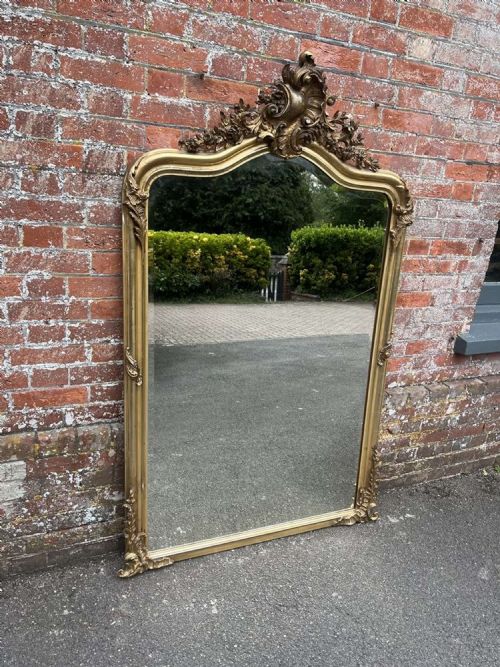
A victorian rococo overmantel brings sculptural weight and gilded drama to a room, offering grand proportions designed to command attention above a fireplace.
Victorian Rococo Overmantel
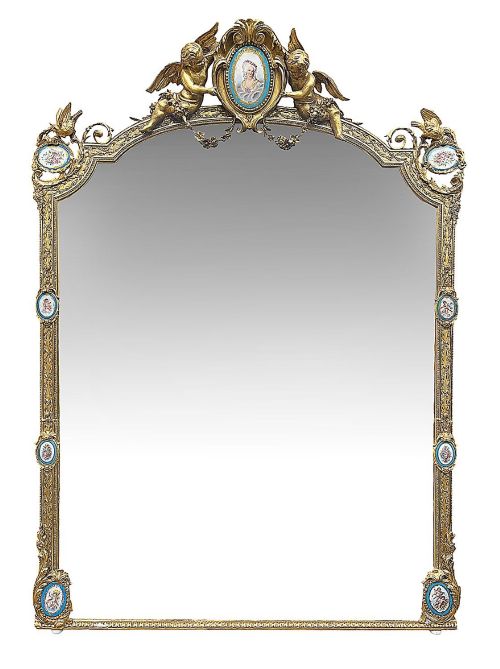
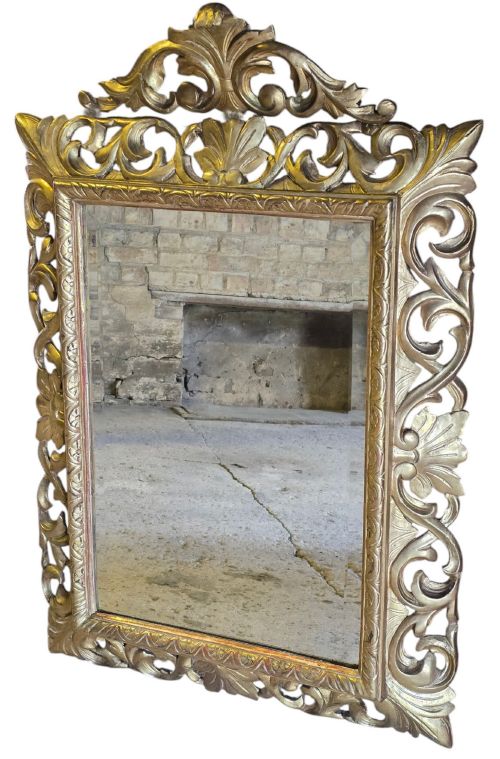
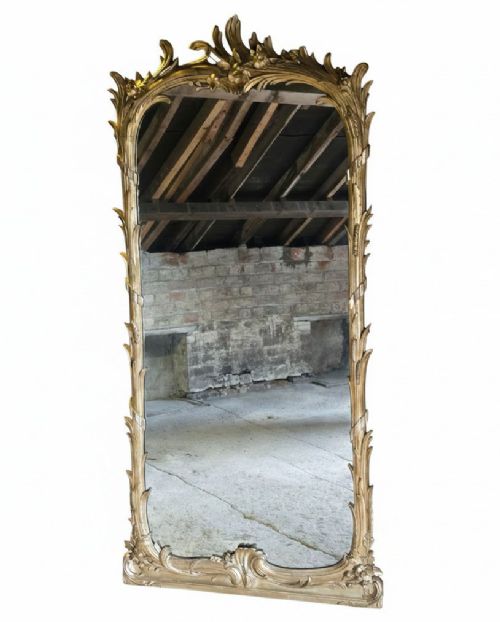
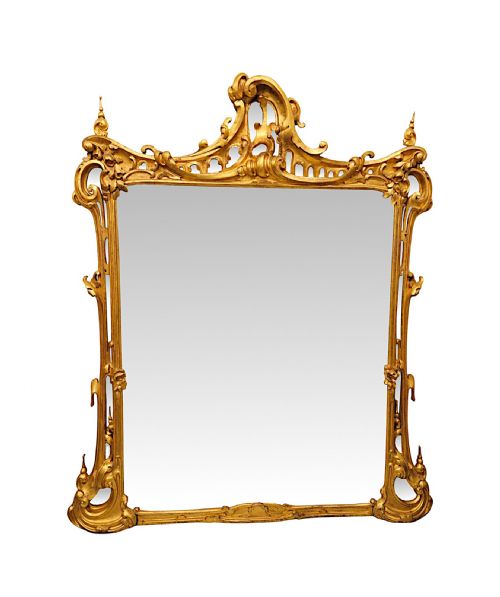
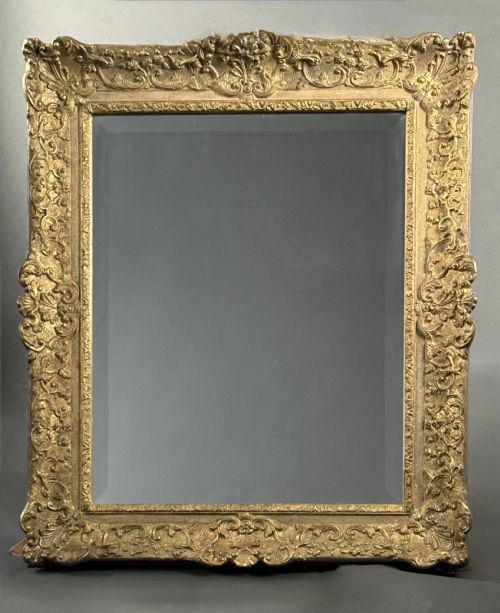
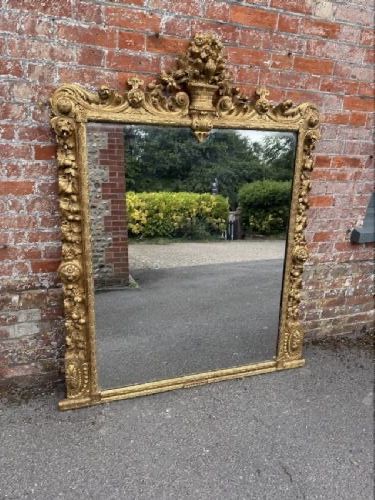
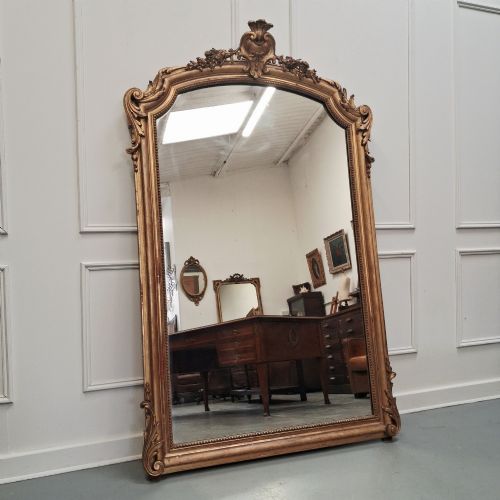
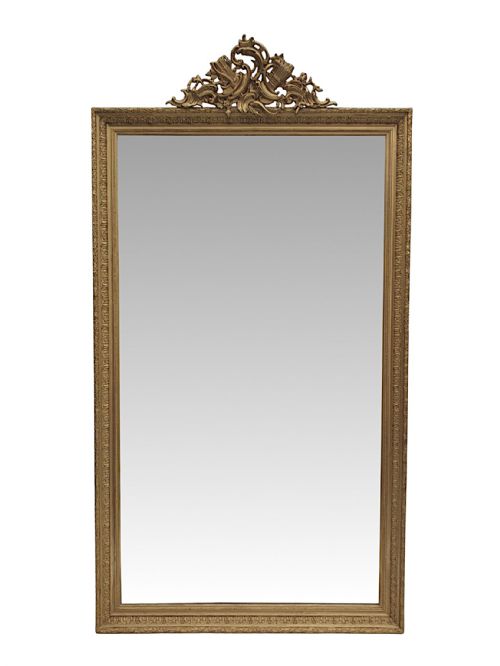
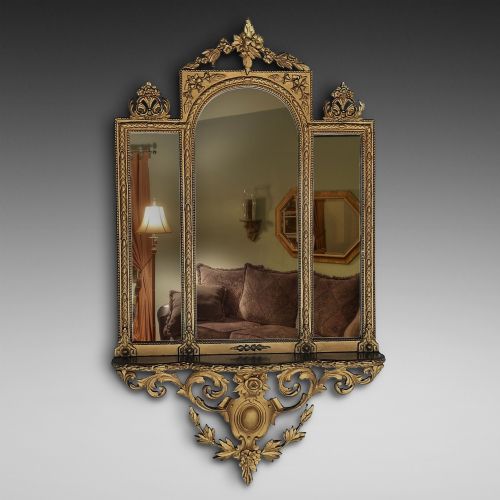
When searching for a victorian rococo overmantel, a buyer encounters large wall mirrors designed to sit above a mantelpiece, often featuring the sweeping C-scrolls and asymmetrical curves characteristic of the revival styles. The pieces span the nineteenth century, with origins across England and France, showing influences from French chateau aesthetics to Louis revival and Chinese Chippendale forms.
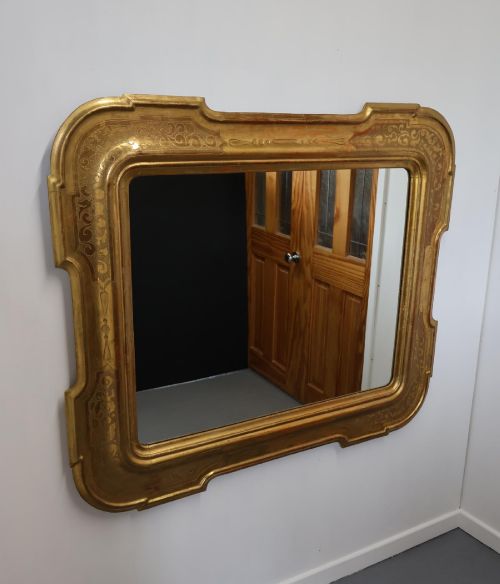
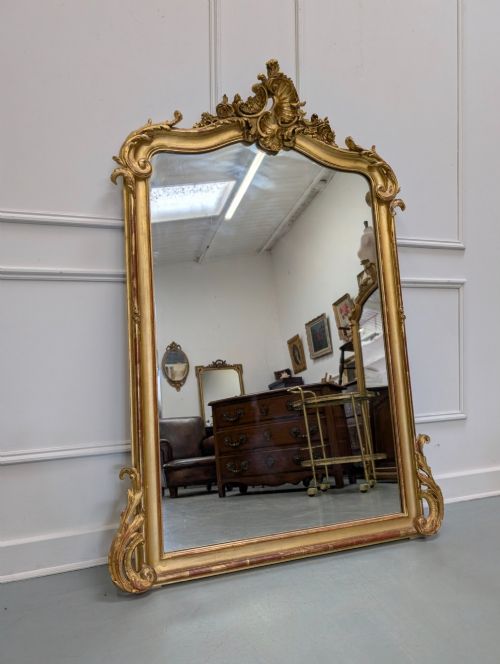
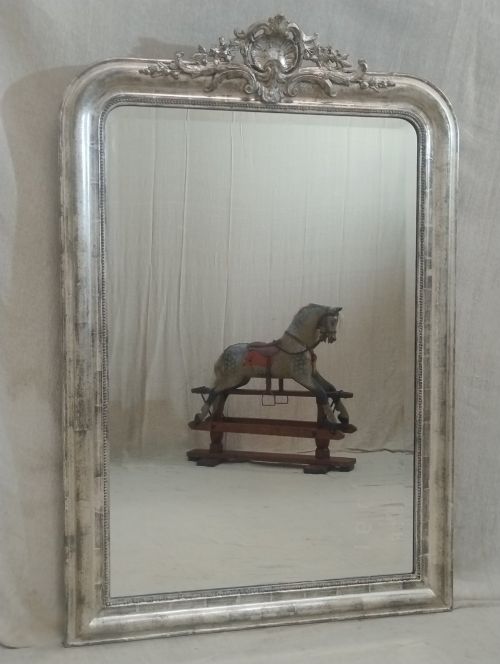
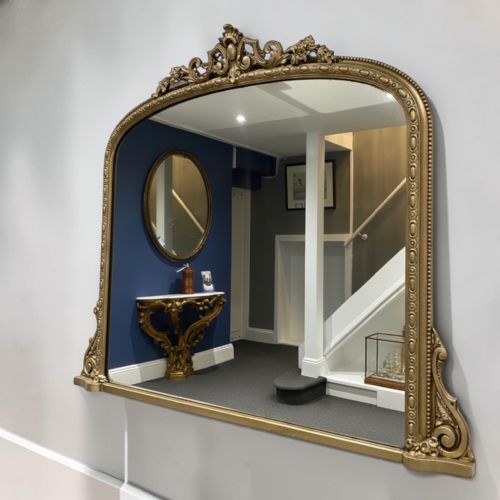
Most examples meet on this page as substantial giltwood or gesso frames, occasionally incorporating shaped tops, arched crests, or central cartouches. The forms vary from single grand plates to triple plate mirrors and tall leaner mirrors, demonstrating the scale demanded by period domestic interiors.
Makers and craftsmen utilised heavy timber frames finished with plaster, composition ornament, and gold leaf to achieve the characteristic reflective expanse. While the core framework relies on wood, the visual impact stems from ornate carving and gilded surfaces designed to catch natural light.
Materials and Construction
Frames are built primarily from carved wood, oak, or mahogany, providing a sturdy architectural base to support heavy glass plates. Artisans applied layers of gesso and composition material over the timber foundation to build up intricate relief ornament.
Gilding was achieved using gold leaf or fine metallic finishes applied to the prepared gesso surfaces, creating a brilliant reflective exterior. Mirror glass plates, sometimes bevelled, were set securely into the heavy frames behind protective backing boards.
Listings feature items from the 1850s to the 1920s, with Victorian and 19th-century periods dominating the selection.
Assessing Quality and Execution
The distinction between tiers rests upon the depth and crispness of the hand-carved wood elements versus mass-moulded composition ornament. Superior examples display fluid, deeply undercut foliage and scrolls without the rigid uniformity seen in lesser cast replacements.
The integrity of the original gilding and the preservation of the mirror plate determine the visual authority of the piece. High-quality items maintain coherent proportions in their crests and cartouches, whereas inferior versions exhibit clumsy joints or heavy over-painting on the gold surface.
The Victorian Rococo Overmantel Glossary
- Overmantel
- A large mirror specifically designed to hang or rest upon the mantelpiece above a fireplace. These pieces typically feature elongated horizontal or vertical formats.
- Gesso
- A plaster-like mixture applied to wood frames to create a smooth surface for gilding or carving fine details. It allows intricate relief ornamentation to be moulded onto the timber base.
- Giltwood
- Timber that has been coated with gold leaf or metallic powder. This finish provides the bright, opulent surface seen on nineteenth-century decorative frames.
- Cartouche
- An ornamental tablet or frame resembling a rolled-up piece of paper, frequently placed centrally on the crest of a mirror. It often houses decorative motifs or blank shields.
- Rococo Revival
- A nineteenth-century design movement resurrecting the ornate, asymmetrical curves, scrolls, and naturalistic motifs of the eighteenth-century French style. It dominates the decorative language of these large mirrors.
- Composition
- A moulded mixture of whiting, resin, glue, and linseed oil pressed into shape and applied to frames for rapid ornamentation. It offers a cost-effective alternative to deep hand carving.
Victorian Rococo Overmantel: Frequently Asked Questions
Where should an overmantel be hung?
These mirrors are traditionally positioned directly above a drawing room or dining room fireplace, resting securely on the mantel shelf or anchored to the wall. Their grand scale allows them to anchor a room as the primary focal point.
Alternatively, many examples function successfully as leaner mirrors placed directly on the floor against a main wall. This placement maximises their height and reflects natural light deep into the space.
How do I clean a gilded frame?
Gilded surfaces require delicate maintenance using a dry, soft ostrich feather duster to remove surface dust gently. Avoid applying water, chemical sprays, or abrasive cloths, which can strip away the historic gold leaf and underlying gesso.
Mirror plates can be cleaned with a minimal amount of glass cleaner applied to a cloth rather than sprayed directly onto the glass. This prevents moisture from seeping behind the plate and damaging the silver backing or the wooden frame joints.
Are these mirrors very heavy?
The combination of dense timber framing, thick gesso, composition ornament, and heavy glass plates results in considerable weight. Proper installation requires professional wall anchors fixed directly into structural studs or masonry.
When resting on a mantel shelf, the weight must be distributed evenly with adequate wall fixings at the top to prevent tipping. Safety brackets are essential for securing tall or monumental pieces safely.
How do I distinguish French from English pieces?
French mirrors from this period frequently display lighter, more exuberant rococo carving with elaborate crested tops and French chateau influences. The framing often utilises softer woods beneath the gesso and pronounced asymmetrical curves.
English interpretations tend to show slightly heavier structural proportions and more restrained carving, even when adopting Louis revival or Chinese Chippendale styles. Timber choices in English workshops also lean towards native hardwoods like oak and mahogany.