
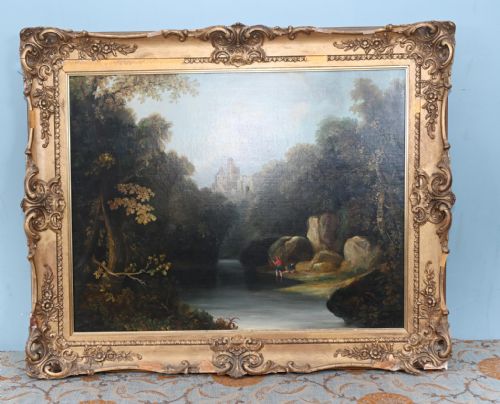

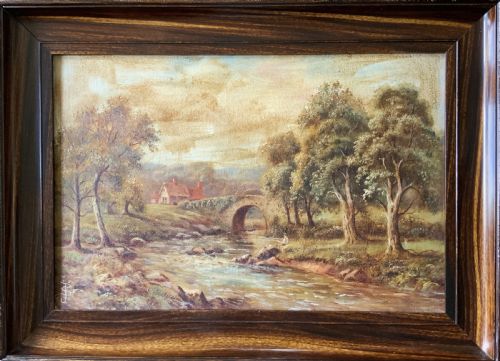


Victorian River Landscape Canvas
When you search for a victorian river landscape canvas, you enter a world of nineteenth-century oil paintings capturing serene waterways and pastoral life.
Victorian River Landscape Canvas
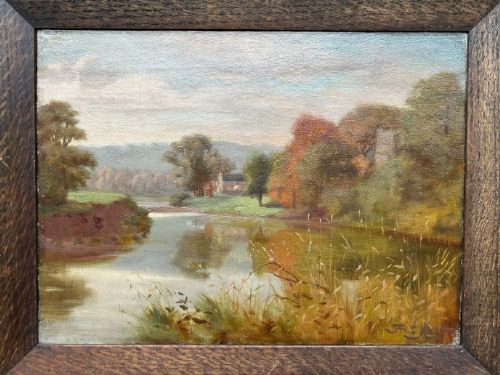
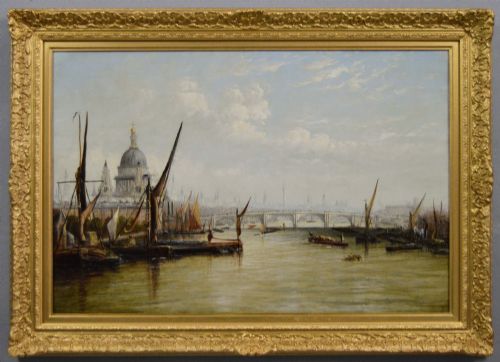
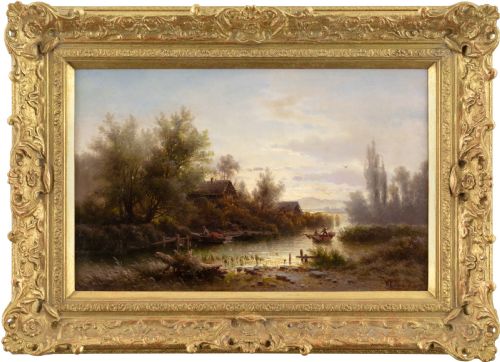
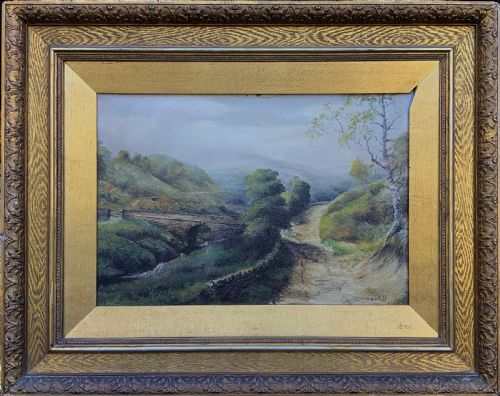
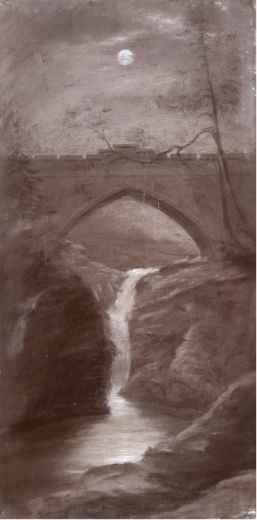
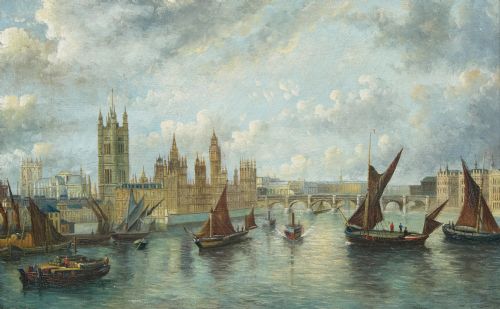
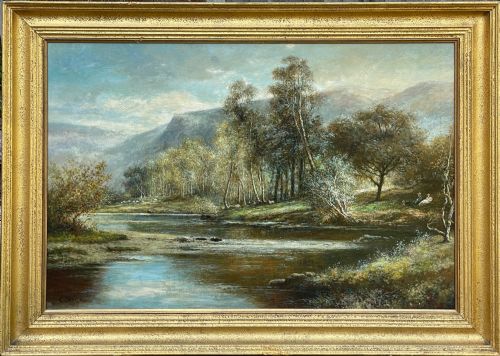
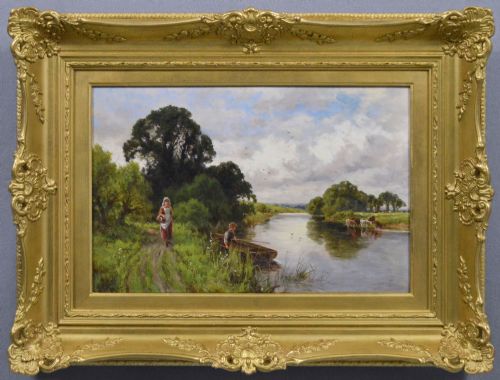
A victorian river landscape canvas brings nineteenth-century views of British and European waterways into domestic spaces, portraying tranquil rivers, bustling Thames scenes, and mountain streams. These works capture the naturalism and pastoral ideals popular during the period, often showing figures in boats, pastoral livestock, or rustic bridges.
Most pieces you encounter on this page originate from the nineteenth century, spanning decades such as the eighteen-eighties and eighteen-nineties up to nineteen-hundred. Painters worked within established styles like Victorian Naturalism and Realism, documenting recognizable locations from North Wales to the River Severn.
Makers ranged from accomplished regional artists to Royal Academicians, producing works that vary from intimate canvas panels to large framed gallery pieces. The enduring appeal lies in the detailed atmospheric lighting and the faithful recording of nineteenth-century topography.
Materials and Technique
Artists painted primarily with oil paint applied to woven canvas supports, sometimes utilising charcoal underdrawings to map out compositions before layering pigments. This combination allowed for rich colour blending and subtle luminosity, essential for capturing the reflective quality of water and changing daylight.
Completed canvases were mounted within wooden frames, frequently enhanced with moulded gesso and finished in giltwood or gold leaf to complement the warmth of the oil pigments. The integrity of the support relied on sturdy stretcher frames made from timber.
The inventory records depictions of specific waterways including the River Thames, River Severn, River Conwy, and the River Stour.
Distinguishing Quality in Period Canvases
The distinction between standard works and exceptional pieces rests upon brushwork control, compositional balance, and the artist's ability to render light and atmospheric depth. Superior paintings demonstrate confident handling of water reflections and accurate anatomical or architectural proportions.
The original framing contributes significantly to the overall integrity, where hand-gilded gesso moulding matches the period of the canvas rather than serving as a later replacement. Provenance and attribution to recorded artists further elevate the standing of individual works within the broader spectrum of nineteenth-century output.
Francis Moltino·Henry H Parker·Sydney Yates Johnson·John Ferneley Senior·Charles William Wyllie·Alexandre Le Bihan·William Sydney Cooper·George Vicat Cole·Thomas Spinks·Sidney Richard Percy·Frank Hider·William Mellor·Walter J Watson·James Gunson Atkinson·Benjamin Williams Leader·William Pitt·Peter Deakin·Frederick Waters Watts·James Edward Grace
The Victorian River Landscape Canvas Glossary
- Oil on Canvas
- A painting medium where pigments are suspended in drying oils and applied to a stretched fabric surface. This method became standard for fine art throughout the nineteenth century.
- Gesso
- A plaster-like mixture applied to wooden frames as a base for gilding. It provides a smooth surface that can be carved or moulded with decorative patterns.
- Giltwood
- Timber that has been coated with gold leaf or gold paint. It forms the traditional ornate framing material for Victorian oil paintings.
- Naturalism
- An art movement focusing on the realistic depiction of subjects in natural settings. It prioritises unidealised portrayals of rural life and topography.
- Provenance
- The documented history of ownership of a work of art. It helps verify authenticity and tracks the passage of a painting through time.
Victorian River Landscape Canvas: Frequently Asked Questions
How do I date a river landscape canvas?
Dating relies on stylistic clues, artist biography records, and the construction methods of the canvas and stretcher. Victorian works often carry specific signatures, exhibition labels, or inscriptions on the reverse.
Examining the type of canvas weave and the composition style helps narrow down the decade of production between eighteen-sixty and nineteen-hundred.
Where should I hang a large oil painting?
These works require wall space away from direct sunlight and excessive humidity to protect the oil paint and giltwood frame. Placing the painting at eye level in a principal room allows the detail of the water and sky to be appreciated properly.
Ensure the wall can support the weight of a heavy framed canvas before installation.
What defines the British School style?
The British School encompasses artists working within British traditions of landscape and genre painting during the nineteenth century. These painters focused on domestic scenery, rural rivers, and coastal views with careful attention to natural light.
Their work reflects regional geography and the shifting artistic tastes of the Victorian era.