


Victorian Revival Mirror
These pieces unite historical forms with nineteenth-century craftsmanship, giving interiors depth through carved detail and reflecting glass.
Victorian Revival Mirror
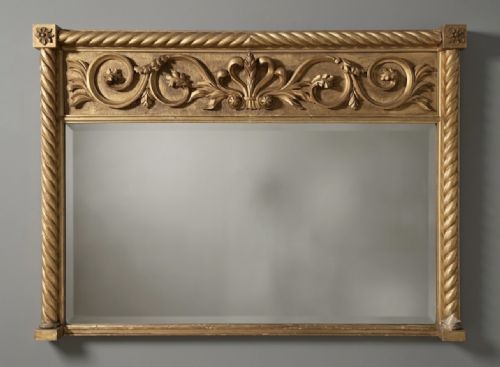
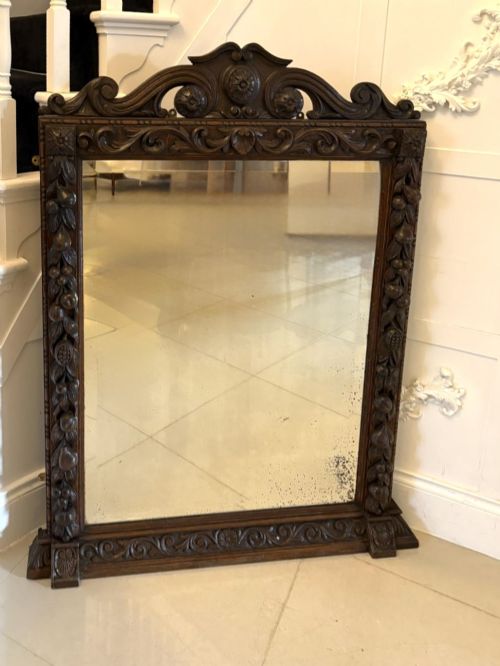
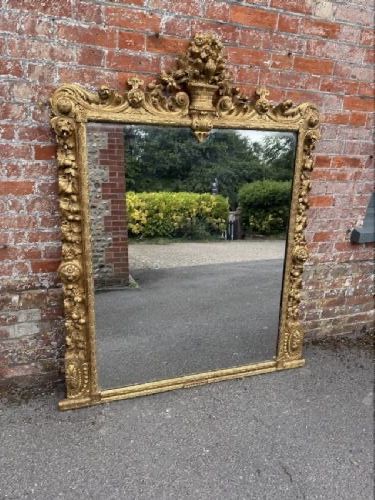
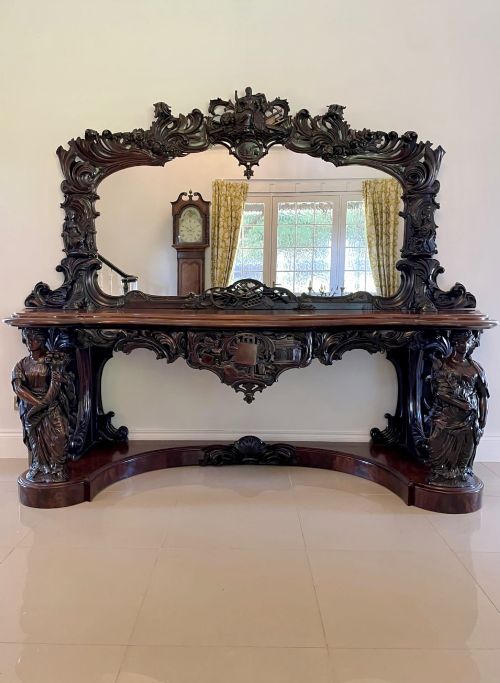
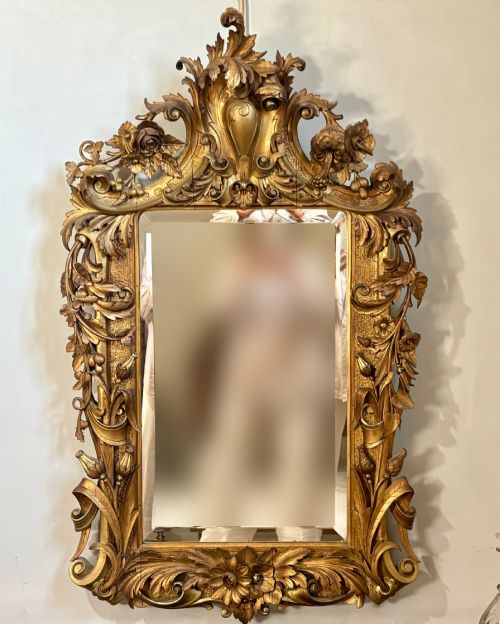
A victorian revival mirror takes inspiration from earlier historical eras, drawing on styles such as Rococo, Chippendale, and Louis revival to create ornate wall and overmantel pieces.
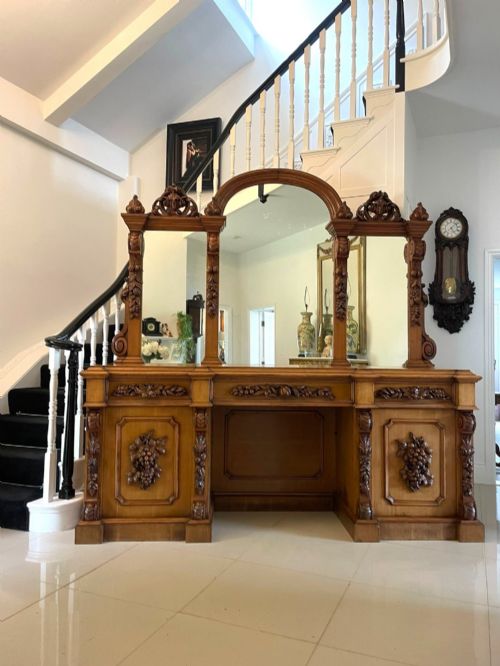
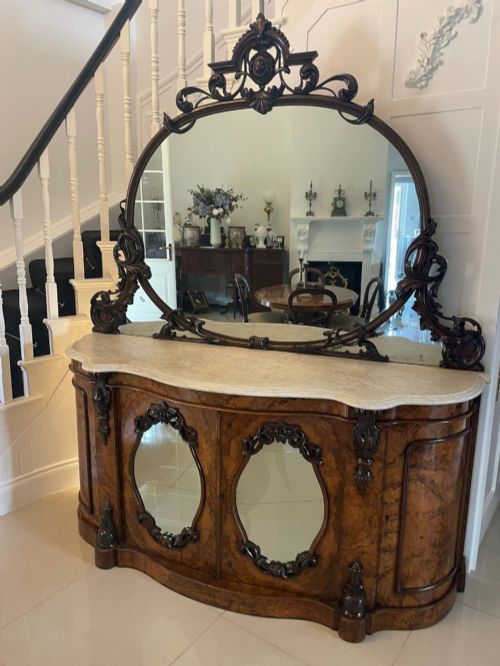
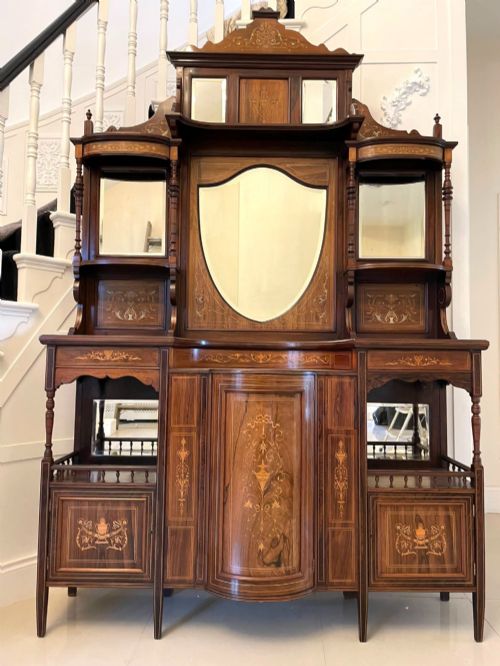
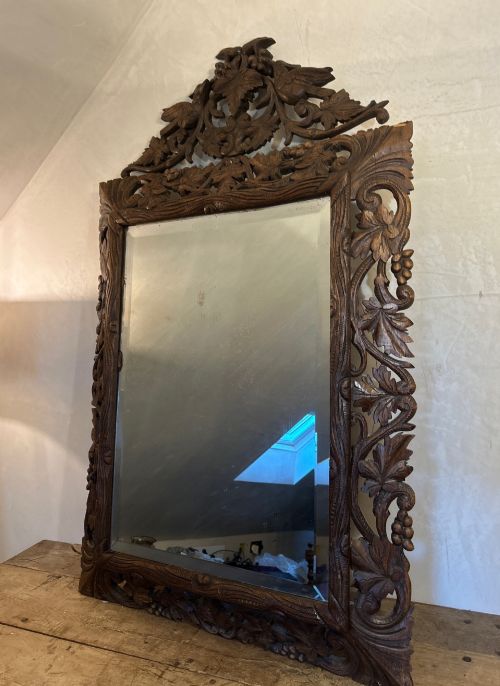
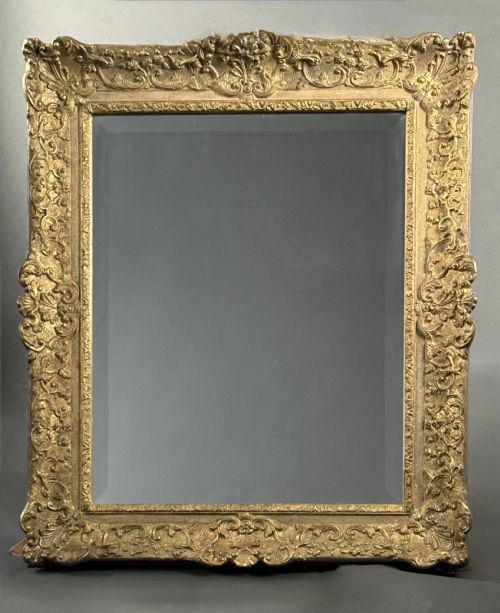
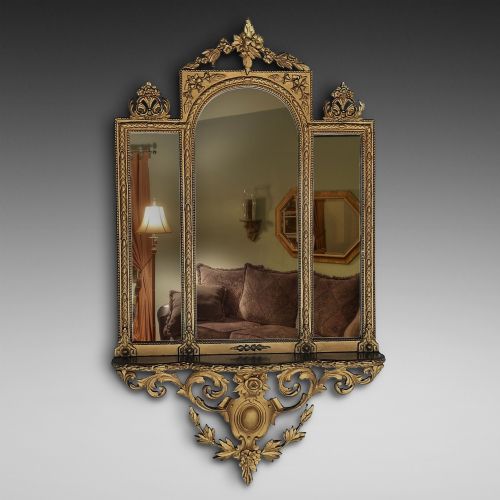
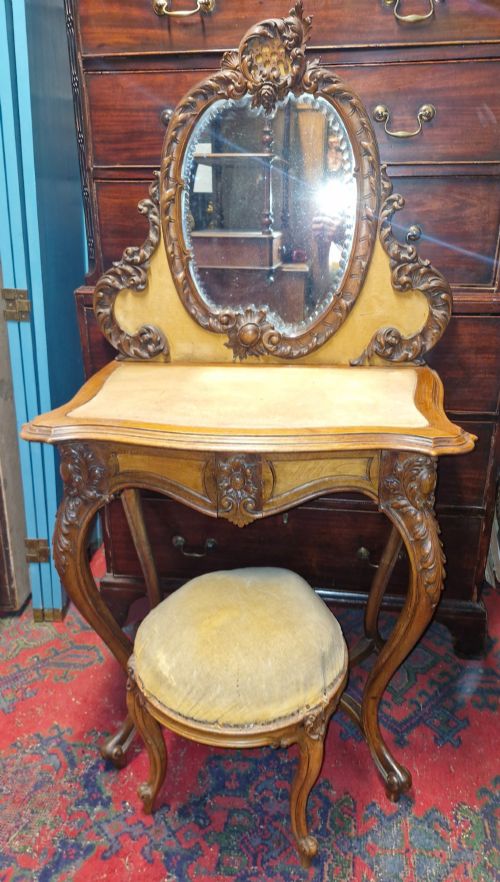
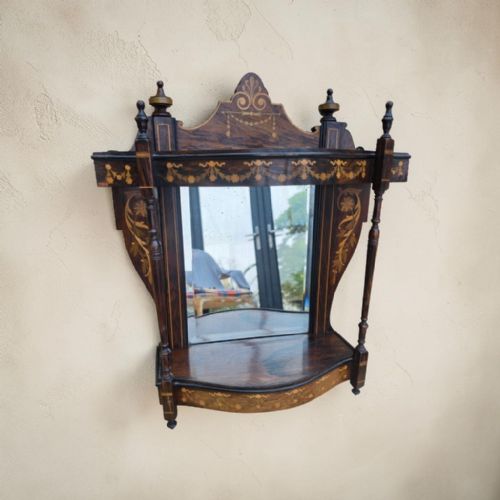
The pieces on this page appear predominantly in carved oak, giltwood, and walnut, often taking the form of large wall mirrors, overmantels, or detailed mirror-backed credenzas.
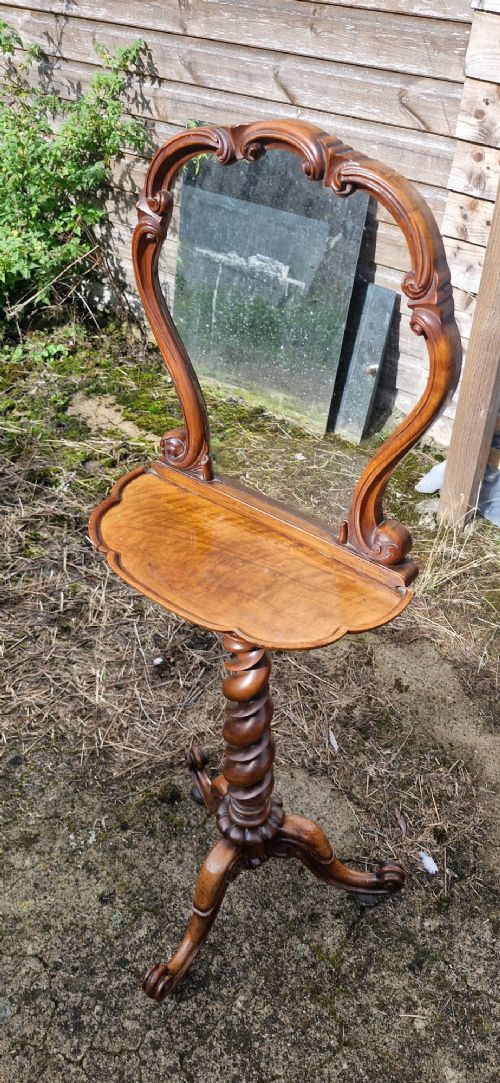
Originating largely from the nineteenth century, these objects range from domestic chamber mirrors to monumental exhibition pieces bearing gothic, classical, or renaissance revival motifs.
Materials and construction
Carpenters and carvers shaped solid timbers such as oak, mahogany, walnut, and burr walnut to form robust structural frames.
Giltwood and gesso pieces relied on intricate surface preparation, applying thin layers of gold leaf over sculpted plaster and wood.
Makers utilised bevelled glass plates, secured within heavy timber or gilded surrounds, sometimes incorporating display brackets, shelves, or cresting details like the Ho-Ho bird.
Some overmantel mirrors include carved wooden birds perched permanently atop the glass to watch over the room.
Factors determining quality
Depth and crispness of the hand-carving separate standard production from exhibition pieces, where deep undercut foliage and figures show superior artisan skill.
The integrity of the gilt surface and the weight of the underlying gesso or timber frame dictate the longevity and visual richness of the object.
Scale and ambition define the upper tier, ranging from simple domestic pier glasses to monumental overmantels with intricate architectural pediments.
Cottier and Co
The Victorian Revival Mirror Glossary
- Overmantel mirror
- A large glass designed to hang specifically above a fireplace mantelpiece. These often feature wide horizontal proportions and ornate crestings.
- Giltwood
- Timber that has been coated with gold leaf or a gold-coloured finish. This technique adds bright reflective qualities to the frame.
- Gesso
- A plaster-like mixture applied to wood frames as a base for gilding or painting. It allows craftsmen to model sharp relief details before finishing.
- Pier mirror
- A tall glass made to fit the narrow wall space between windows. They frequently sit above matching pier tables or console bases.
- Chippendale revival
- A design style drawing on mid-eighteenth-century English furniture patterns. It typically incorporates asymmetric scrolls, naturalistic motifs, and ribbonwork.
Victorian Revival Mirror: Frequently Asked Questions
Where should I hang an overmantel mirror?
These large glasses sit naturally directly above a drawing room or dining room fireplace, anchoring the room's main focal point.
Ensure the wall fixings match the heavy weight of the timber and glass construction before mounting.
How do I identify a revival style?
Look closely at the decorative motifs borrowed from earlier periods, such as rococo scrolls or gothic pointed arches.
Nineteenth-century makers combined these historical references with contemporary framing techniques and standard plate glass.
Can these mirrors be used in a hallway?
Smaller wall mirrors and hall stands with integrated glass plates fit narrow spaces well.
They bounce natural daylight around entryways while providing a practical surface for checking appearance before leaving the house.
What maintenance do giltwood frames require?
Keep gilded surfaces away from direct sunlight and damp environments to protect the delicate gold leaf and gesso layers.
Dust gently with a dry, soft brush rather than using liquid cleaning products that might damage the finish.