





Victorian Revival Brooch
A victorian revival brooch brings the bold archaeological motifs and rich coloured stones of antiquity straight to your lapel.
Victorian Revival Brooch
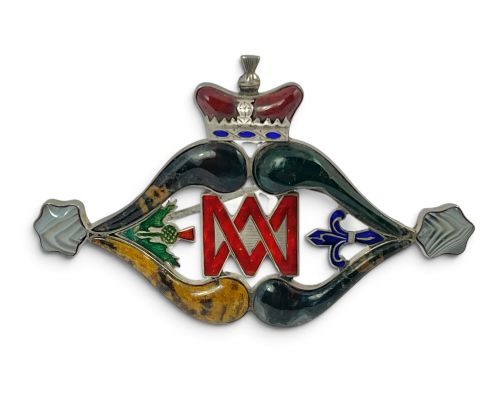
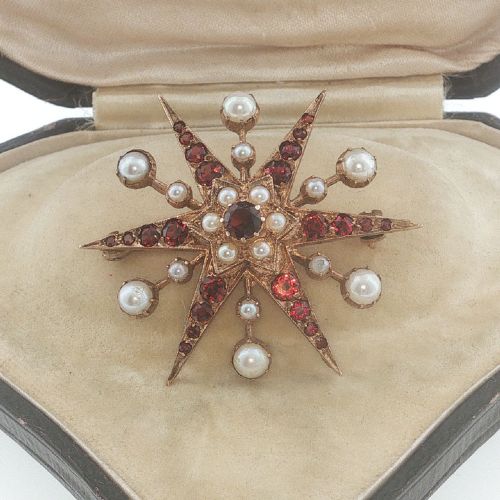
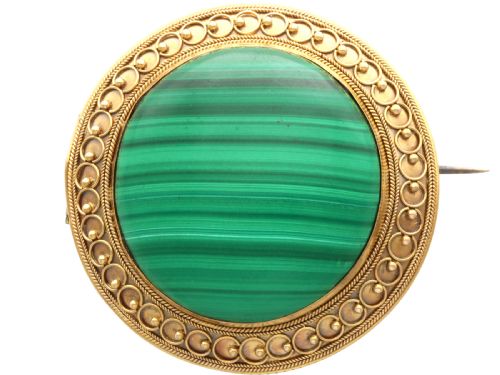
When you search for a victorian revival brooch, you encounter pieces that draw heavily on historical aesthetics, notably Etruscan, Renaissance, and Scottish designs. These ornaments range from substantial starburst lockets to intricate silver and gold creations.
The versions most common on this page span the nineteenth century, including specific decades like the eighteen-seventies and eighteen-eighties, alongside later mid-twentieth-century interpretations. They frequently double as pendants, offering versatile ways to wear them.
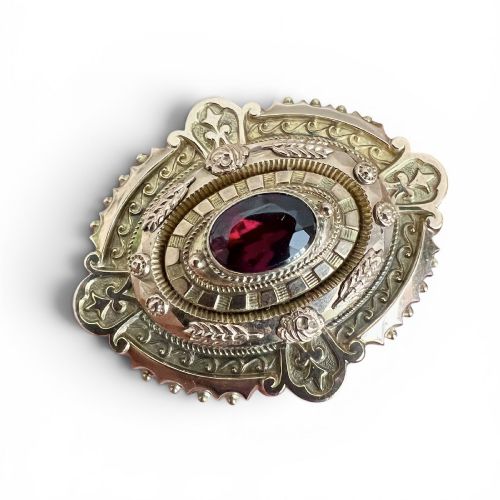
Materials vary widely across the selection, encompassing garnet, agate, malachite, turquoise, enamel, and pearl set within silver, yellow gold, and silver gilt. Forms include simple pins, complex multi-stone suites, and sculptural portrait elements like cameo brooches.
How they were made
Metalsmiths employed high-carat yellow gold alongside silver and silver gilt to form the structural foundations of these jewels, often incorporating granulation and wirework for archaeological effect. Cabochon and faceted gemstones including garnet, amethyst, sodalite, and agate were then secured into bespoke settings.
Specialised techniques such as enamel work, including blue enamel and polychrome designs, added colour and contrast to the metallic surfaces. Artisans also integrated organic materials like seed pearls, bog oak, and banded stones into elaborate multi-part constructions.
Victorian Revival Brooch Retail Price Guide 2026
Typical asking prices for victorian revival brooch among the pieces listed under this phrase on Sellingantiques today, from the lower quarter to the upper quarter. They describe what is for sale here now, not the wider market.
The inventory spans nineteenth-century pieces through to mid-twentieth-century revivals.
What varies in quality
The distinction between ordinary and exceptional examples lies in the precision of the metalwork and the scale of the stones used. Pieces featuring large, deeply coloured garnets, high-carat gold, and meticulous granulation demand closer attention.
Cohesion within matched sets or complex pendant combinations elevates the standing of an item. The crispness of the enamel and the integrity of stone cuts also determine the upper tiers of the range.
The Victorian Revival Brooch Glossary
- Etruscan Revival
- A nineteenth-century design movement inspired by archaeological discoveries in Italy, characterised by gold granulation and wirework. This style mimics ancient Mediterranean craftsmanship.
- Agate
- A form of chalcedony used extensively in Scottish jewellery for its banded patterns and rich earth tones. It appears frequently in nineteenth-century provincial designs.
- Silver Gilt
- Silver that has been coated with a thin layer of gold, providing the warm appearance of solid gold while utilising a silver base. This technique appears across various nineteenth-century pieces.
- Cabochon
- A gemstone shaped and polished with a smooth, rounded surface rather than faceted edges. This cut highlights the natural patterns of stones like malachite and turquoise.
- Bog Oak
- Fossilised wood found in Irish bogs, carved into dark, lightweight ornaments such as castle brooches. It became a popular regional material during the Victorian era.
Victorian Revival Brooch: Frequently Asked Questions
What is a victorian revival brooch?
A victorian revival brooch is a decorative pin drawing inspiration from earlier historical epochs, such as ancient Etruscan civilisations or Renaissance design. These pieces utilise traditional metals and stones to recreate antique aesthetics.
They appear in various forms, including starbursts, lockets, and Scottish pebble designs, often serving both as lapel ornaments and pendants.
How do I wear a convertible brooch?
Many nineteenth-century pieces feature hidden loops or bails that allow the ornament to function as a pendant on a chain as well as a fastened pin. This dual purpose gives you flexibility in how you display the jewellery.
Securing the safety chain alongside the primary pin ensures the piece stays firmly in place when worn on heavier fabrics.
What stones are typical in these designs?
Garnets, agates, malachite, turquoise, and seed pearls dominate the material palette of these nineteenth-century ornaments. Coloured enamels and occasional diamonds or rubies provide further visual depth.
Scottish variants lean heavily on local stones like bloodstone and jasper, while Etruscan pieces focus on rich yellow gold and coloured gems.
How do I identify Scottish revival pieces?
Scottish revival items usually incorporate banded agates, jaspers, or freshwater pearls mounted in silver or silver gilt. Motifs often include dirks, thistles, and traditional regional shapes.
These designs gained immense popularity following royal patronage of the Scottish Highlands during the nineteenth century.