



Victorian Renaissance Revival Stand
These heavy, carved pieces of a victorian renaissance revival stand bring architectural weight and classical detail straight into a room.
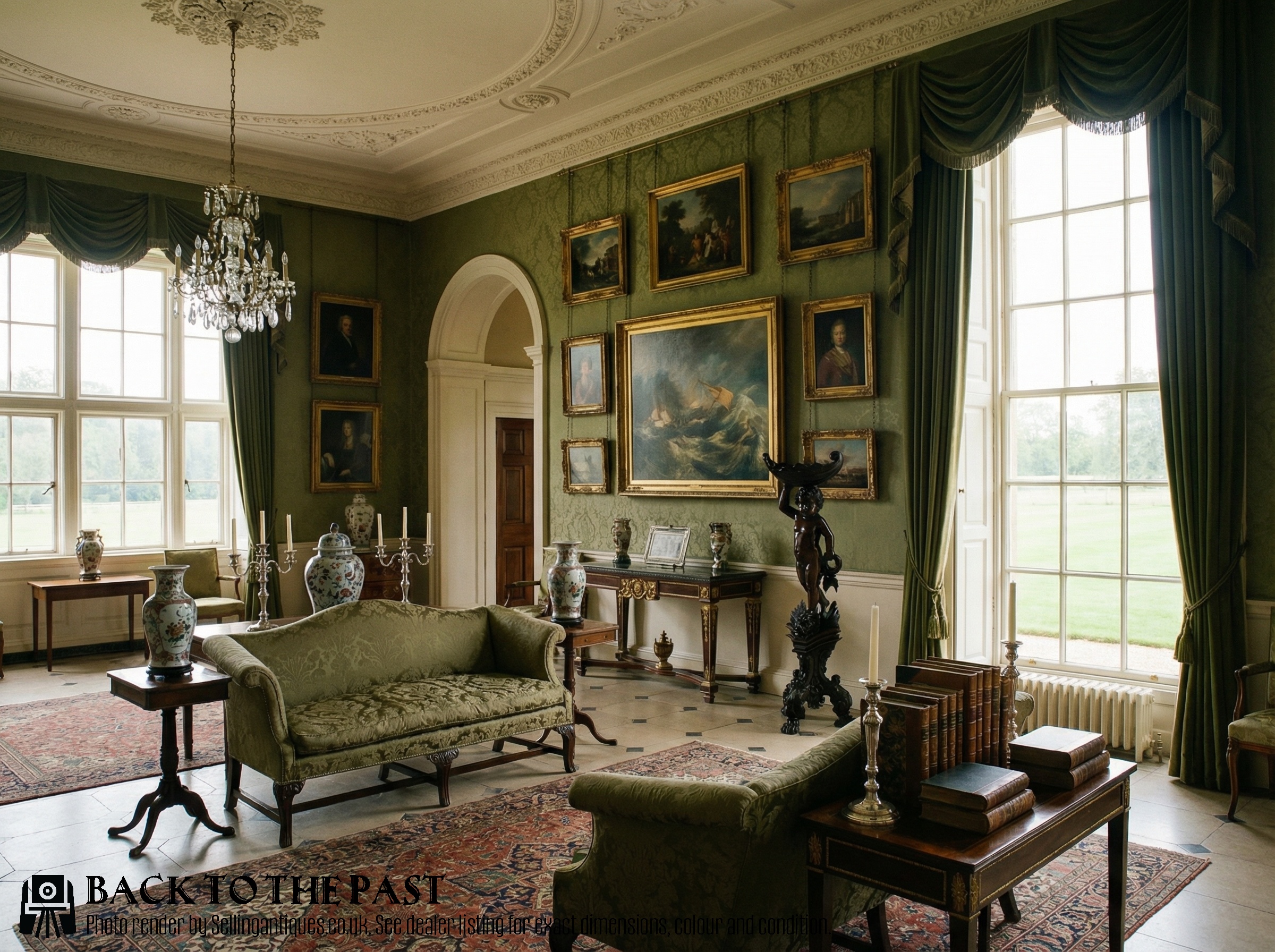
Victorian Renaissance Revival Stand
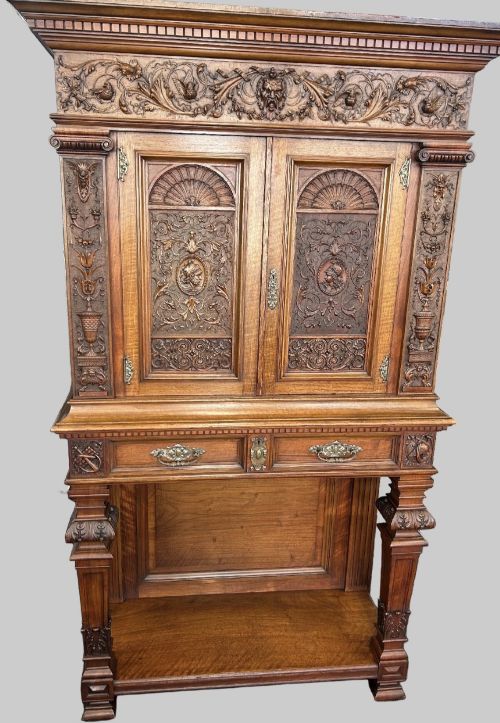
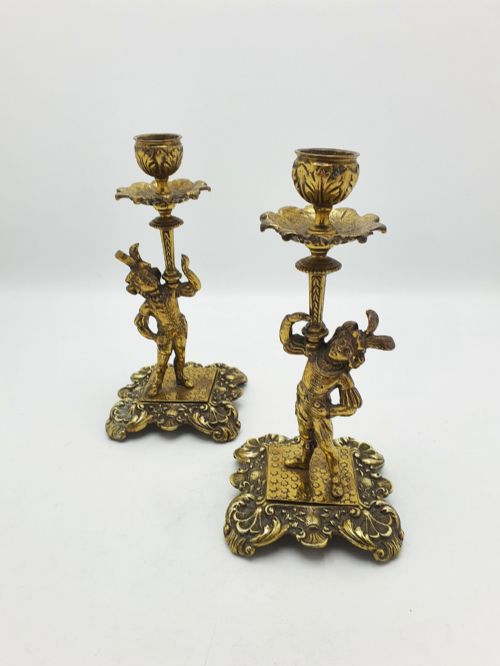
A victorian renaissance revival stand takes many structural forms across this selection, ranging from carved oak hall stands and cabinets on stands to pedestals, plinths, and figural candlesticks. Most items you encounter lean heavily on the robust, sculptural vocabulary of the nineteenth century, utilising dense timbers and classical motifs.
The objects span hall furniture, display pedestals, and decorative accessories that draw directly on Italian, Flemish, and Gothic Renaissance idioms. These furnishings served to project substance and historicism in period interiors, anchoring hallways and principal reception rooms with substantial presence.
How they were made
Makers constructed these pieces predominantly from solid oak and walnut, often employing deep hand-carving to achieve crisp relief work on panels, friezes, and supporting columns. Secondary woods like lime wood, amboyna, and ebony appear alongside structural metals such as solid brass, cast iron, and gilt bronze.
Joinery techniques reflect heavy nineteenth-century cabinet-making standards, pairing pegged mortise and tenon frames with turned supports and applied mouldings. Surfaces are typically finished to highlight the natural grain of the timber, contrasting polished flat planes with deeply undercut figural carving.
Victorian Renaissance Revival Stand Retail Price Guide 2026
Typical asking prices for victorian renaissance revival stand among the pieces listed under this phrase on Sellingantiques today, from the lower quarter to the upper quarter. They describe what is for sale here now, not the wider market.
One steadfast king looks out from a carved clock case, keeping watch over the entire assembly of heavy nineteenth-century timbers.
What varies in quality
Quality reveals itself in the depth, crispness, and anatomical accuracy of the hand-carved elements, such as caryatids, lion masks, and figural reliefs. Carvings executed with sharp undercutting and spirited expression distinguish superior examples from flatter, more mechanical work.
The choice of primary timber and the structural integrity of large assemblies, including massive hall stands and multi-part bookcases, dictate the standing of a piece. Finer items integrate secondary decorative elements like marquetry inlay, bronze mounts, or carefully selected grain patterns with complete architectural cohesion.
The Victorian Renaissance Revival Stand Glossary
- Renaissance Revival
- A nineteenth-century design movement that drew inspiration from fifteenth and sixteenth-century Italian and Northern European architecture and decorative arts. It made heavy use of symmetry, classical orders, and sculptural ornamentation.
- Caryatid
- A sculpted female figure serving as an architectural support taking the place of a column or a pillar. These figures frequently appear supporting cornices on pedestals and large case furniture.
- Marquetry
- The art and craft of applying pieces of veneer to a structure to form decorative designs and pictures. In these pieces, contrasting wood veneers create geometric or botanical patterns.
- Flemish Renaissance
- A style characterised by robust proportions, strapwork, and bold figural carving influenced by Northern European Renaissance art. Lion masks and heavy cartouches are common motifs.
- Andirons
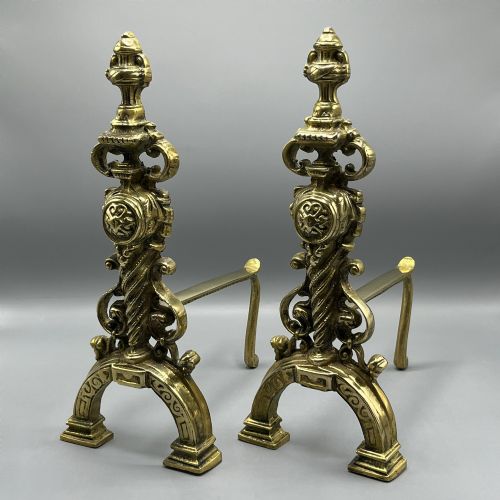
- Horizontal metal bars supported by legs, used for raising firewood in a hearth. Solid brass versions frequently match the heavy decorative metalwork found in contemporary interiors.
Victorian Renaissance Revival Stand: Frequently Asked Questions
What is a victorian renaissance revival stand?
A victorian renaissance revival stand is a heavy, highly ornamental piece of nineteenth-century furniture or decorative metalwork inspired by classical historical motifs. These items include tall oak hall stands, carved pedestals, and display furniture.
They were designed to make an imposing visual statement in large entrance halls and reception rooms. The aesthetic draws heavily from Italian and Flemish Renaissance sources.
Where were these stands placed?
Large hall stands and cupboards on stands traditionally occupied entrance halls to receive coats, hats, and walking sticks. Pedestals and plinths stood in drawing rooms to elevate sculpture, urns, or decorative vases.
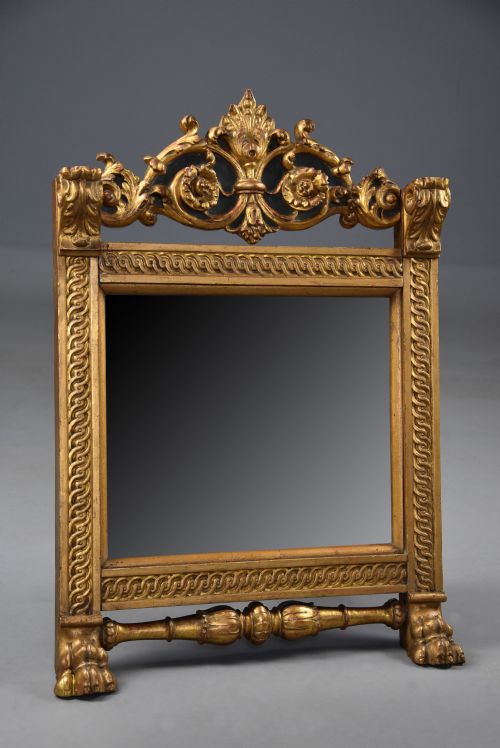
Smaller pieces like table mirrors and candlesticks sat upon mantelpieces and side tables. Every placement was intended to display the owner's taste and substance.
How do I date a piece?
Dating relies on examining the construction methods, tool marks, and stylistic combinations typical of the mid to late nineteenth century. Most examples on record cluster around the decades from eighteen-fifty to eighteen-ninety.
Changes in timber treatment and the specific blend of Gothic and Renaissance revivals help narrow the era. Comparing the hardware and joinery to dated examples confirms the period.
How do I care for carved oak?
Carved oak requires a stable indoor environment away from direct heat sources and extreme humidity fluctuations. Regular dusting with a soft, dry cloth preserves the finish within the deep recesses of the carving.
Occasional application of appropriate microcrystalline wax helps protect the timber surface without building up residue. Avoid abrasive cleaners or excess moisture on antique wood.