


Victorian Pug Figurine
A victorian pug figurine captures the distinct personality of the breed in materials ranging from terracotta to bronze.
Victorian Pug Figurine
A victorian pug figurine captures the stout form and wrinkled expression of the breed in decorative objects ranging from small pepper pots to life-size sculptures. These pieces serve as both domestic ornaments and functional items such as candlesticks and pin cushions.
Materials and Construction
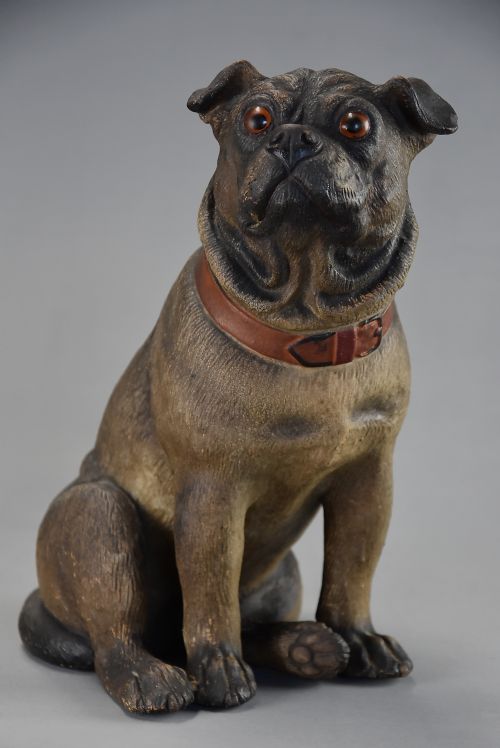
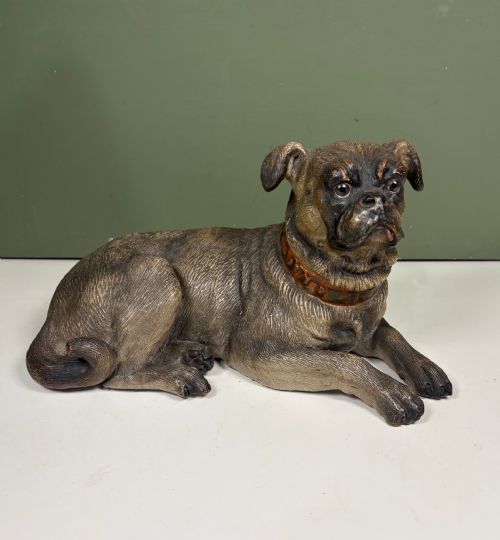
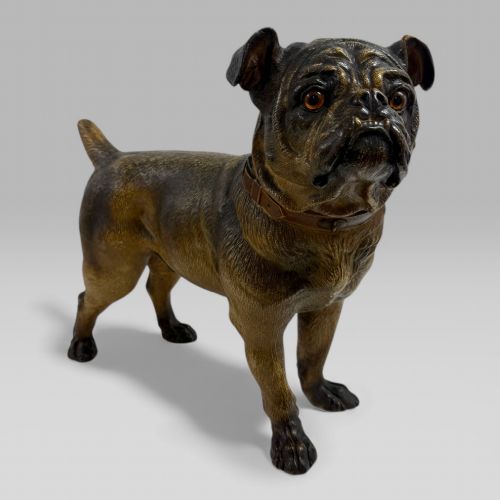
Terracotta served as a primary medium for substantial models, allowing makers to achieve realistic textures for the folds and coat of the animal. Austrian workshops frequently utilised this clay before applying cold-painted finishes to bring naturalistic colour to the surface.
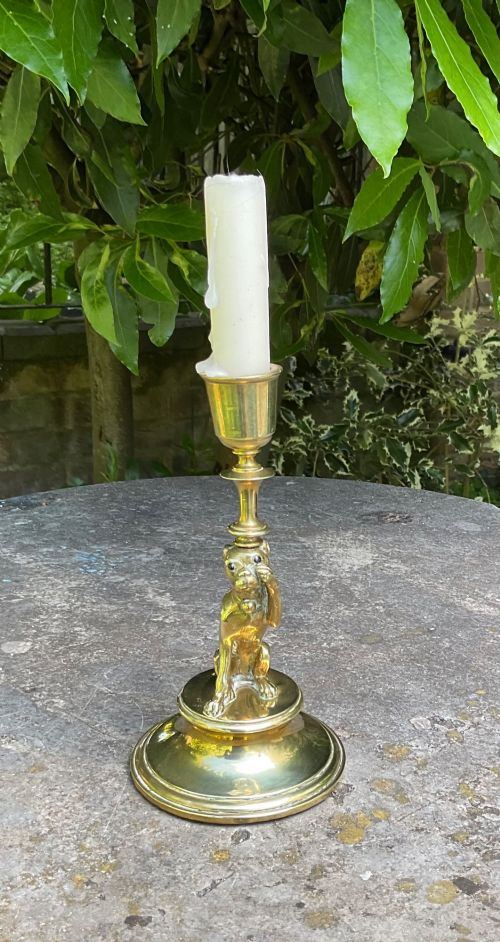
Potters in Staffordshire employed earthenware to shape traditional figurines, often pairing the animals to sit on mantelpieces. Metalworkers cast versions in bronze, brass, and pewter, applying cold paint or leaving the metal to show its natural tone.
The listings on this page include pieces from the georgian, victorian, and edwardian periods, rendered in terracotta, earthenware, bronze, and pewter.
Markers of Quality
Quality rests upon the fidelity of the modelling and the preservation of the original surface paint. Pieces that render the characteristic wrinkles and alert posture with anatomical precision stand apart from simpler productions.
The presence of maker attribution, particularly from known Austrian terracotta manufacturers or early Staffordshire potteries, distinguishes exceptional examples from unsigned work.
Bernard Bloch Austria
The Victorian Pug Figurine Glossary
- Terracotta
- A porous red-brown earthenware used extensively for sculptural figures and architectural ornaments. Unglazed versions required careful painting to achieve lifelike details.
- Cold Painted
- A finishing technique where pigment is applied to metal or terracotta without subsequent firing in a kiln. This method yields vibrant details but remains vulnerable to flaking over time.
- Staffordshire
- A generic term for pottery manufactured in the potteries district of Staffordshire, England. Figures from this region are known for their distinct hand-painted glazes and robust earthenware bodies.
- Animalier
- A nineteenth-century artistic movement dedicated to the realistic portrayal of animals. Sculptors in this style studied anatomy closely to capture natural movement and posture.
- Pepperette
- A small tabletop container used for dispensing pepper, often formed as an animal novelty in pewter or silver. These pieces combined functional dining use with amusing domestic decoration.
Victorian Pug Figurine: Frequently Asked Questions
What materials were used for these figures?
Makers utilised terracotta, earthenware, pottery, and various metals including bronze, brass, and pewter. Some pieces received painted surface decoration or ceramic glazes.
Terracotta allowed for large-scale sculptural work, while earthenware suited traditional Staffordshire pottery traditions.
How do I identify a period piece?
Dating relies on material composition, manufacturing techniques, and stylistic markers associated with the nineteenth century. Staffordshire pieces often date to the earlier decades, while Austrian terracotta works frequently align with the later nineteenth and early twentieth centuries.
Examining the base and the wear on any cold-painted finish helps determine the age of the object.
Were these figures purely decorative?
While many served as simple ornaments or sculptures, several examples fulfilled practical household functions. Makers incorporated the pug form into candlesticks, pin cushions, and pepper pots.
This blend of utility and novelty proved popular throughout the victorian and edwardian eras.
Where did these items originate?
The pieces originate primarily from British potteries, notably Staffordshire, and continental European workshops, particularly in Austria. Bernard Bloch operated a prominent Austrian firm producing terracotta models.
British makers focused largely on earthenware pottery forms and novelty silver items.