
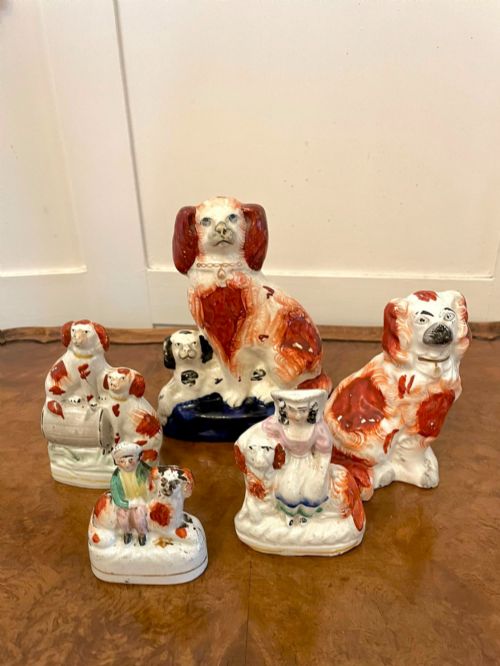
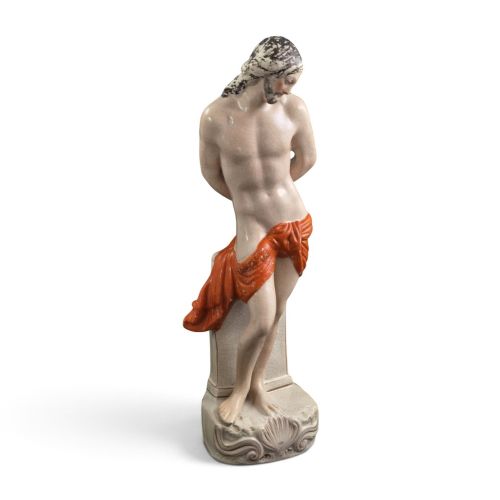
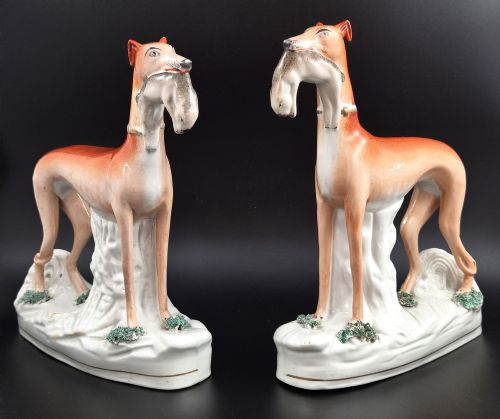
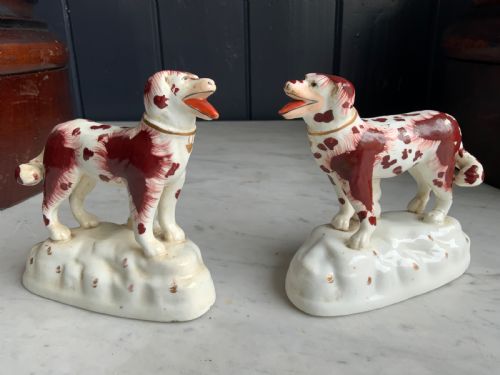

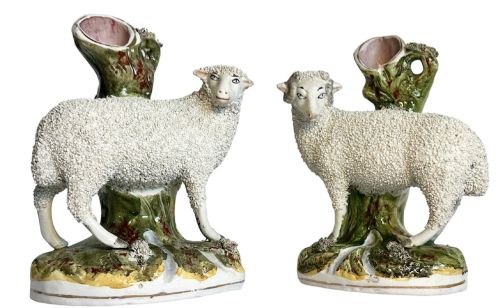
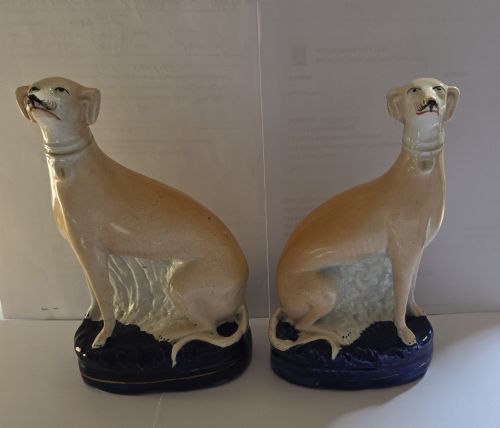
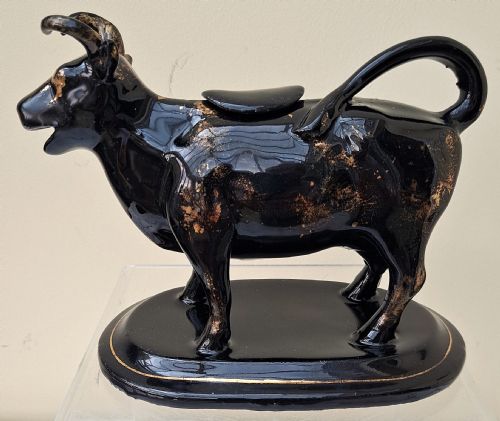
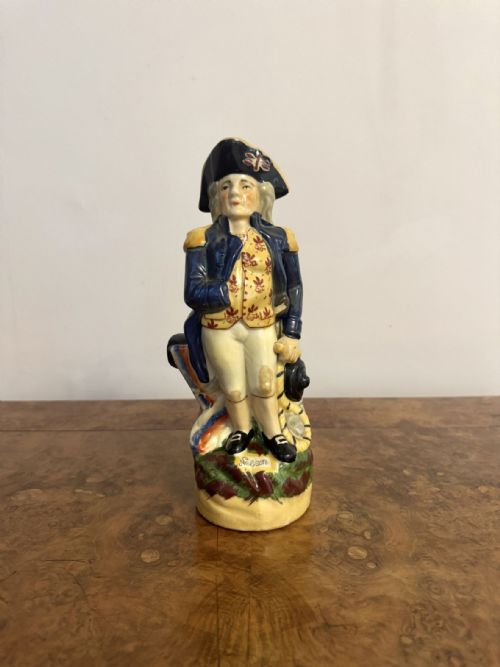
Victorian Pottery Figurine
These Victorian pottery figurine pieces capture public heroes, rural scenes and exotic animals with distinct vernacular charm.
Identifying a Victorian pottery figurine
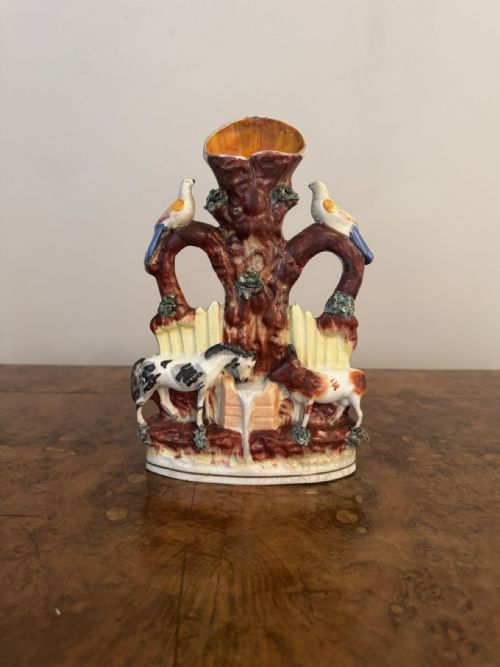
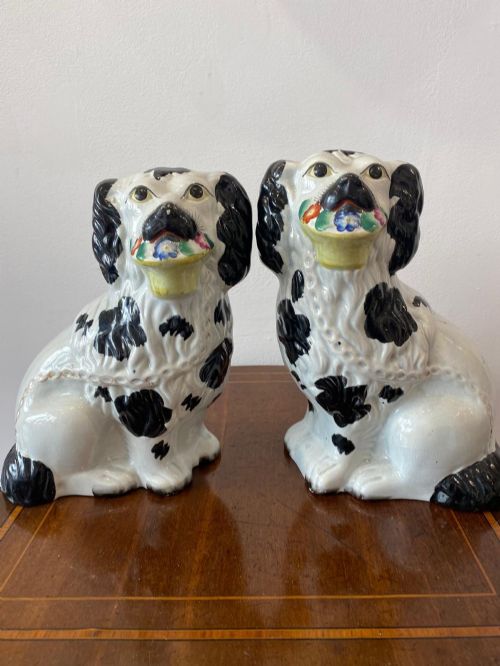
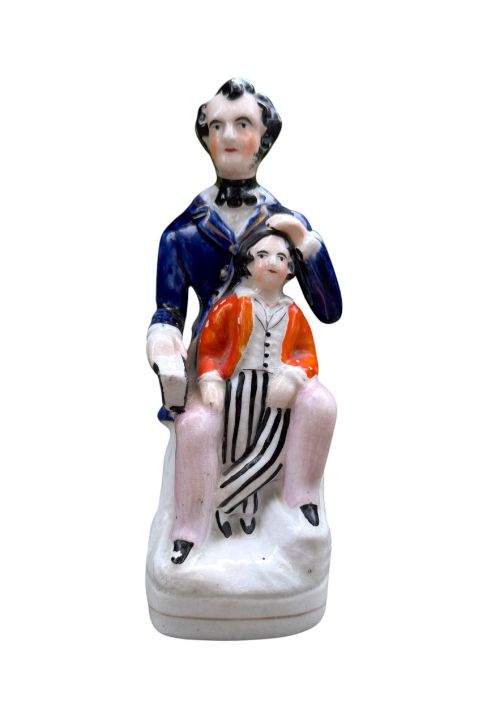
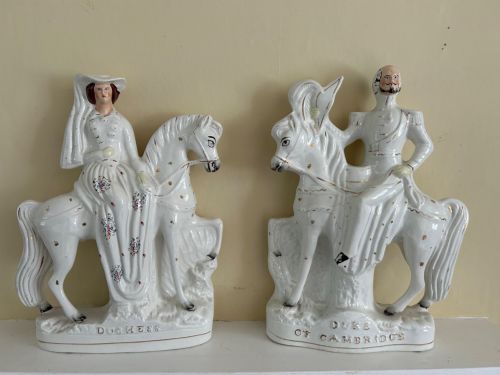
When you search for a Victorian pottery figurine, you encounter hand-modelled and moulded earthenware pieces produced across the nineteenth century. These sculptures depict human subjects, royal groups and animals intended for domestic mantelpiece display.
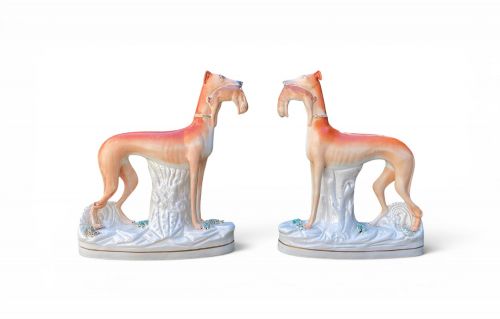
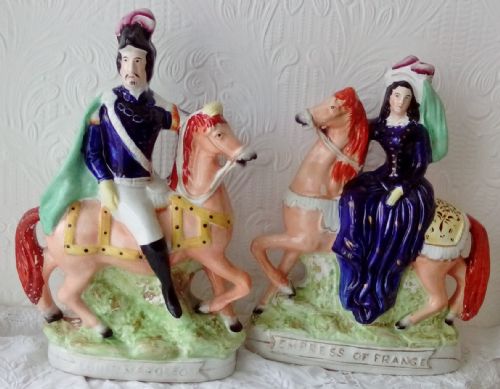
The selections available here include subjects ranging from historical statesmen and flatback country couples to huntsmen with dogs and prancing zebras. Most examples belong to the Staffordshire tradition, spanning mid-century portrait figures to later decorative groups dated around eighteen eighty.
Materials and manufacture
Potters built these figures using earthenware bodies, shaping them through press-moulding techniques to create hollow forms with flat backs for shelf placement. The surfaces received lead glazes to provide a protective, glossy finish across the clay.
Retail Price Guide 2026
Typical UK retail prices for victorian pottery figurine, calculated from the Sellingantiques database of over a million retail prices indexed since 2003. This retail price guide relies exclusively on Sellingantiques data; no external sources or auction records are used, so the figures do not describe the wider market.
Listings feature earthenware materials finished with lead glazes and enamel paints across nineteenth-century periods.
Assessing quality and execution
The handling of the lead glaze and the richness of the enamel palette distinguish more ambitious studio outputs from simpler vernacular work. Stronger pieces maintain balanced proportions and secure upright postures without excessive kiln distortion.
The Victorian Pottery Figurine Glossary
- Flatback
- A figurine moulded with a finished front and a plain, unglazed or minimally decorated flat rear designed to sit flush against a wall. This construction saved clay and reduced weight for mantelpiece display.
- Earthenware
- A porous pottery body fired at lower temperatures than stoneware or porcelain. It forms the structural base for nineteenth-century glazed figures.
- Lead glaze
- A glossy coating containing lead oxide applied to pottery before firing. It seals the porous earthenware body and gives the surface a smooth sheen.
- Enamel glaze
- Coloured vitreous glass pigments applied over a fired glaze. It allows detailed surface painting in multiple bright colours.
- Portrait figure
- A ceramic sculpture depicting a specific historical person, politician or royal family member. These pieces commemorated contemporary public figures for domestic audiences.
Frequently Asked Questions
What are Staffordshire flatbacks?
Staffordshire flatbacks are earthenware figures produced with unadorned flat backs designed to stand against cottage mantelpieces.
Potters made these pieces to be viewed entirely from the front, reflecting popular Victorian tastes for decorative domestic display.
How do I date these figures?
Dating relies on historical subjects, costume styles, and manufacturing techniques recorded across nineteenth-century examples.
Many pieces commemorate specific historical events or public figures, providing a clear window for their production period.
Where were these pottery figures made?
The majority of these decorative pieces originated from workshops and potteries in the Staffordshire region.
English makers supplied domestic markets with a wide array of human, animal and royal portrait subjects.