


Victorian Pot Cupboard Pair
A victorian pot cupboard pair brings practical nineteenth-century bedside storage and symmetry to a bedroom.
Victorian Pot Cupboard Pair
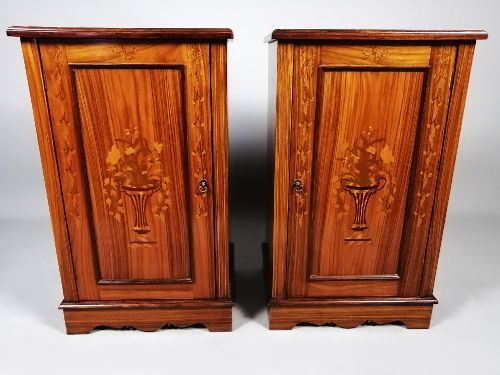
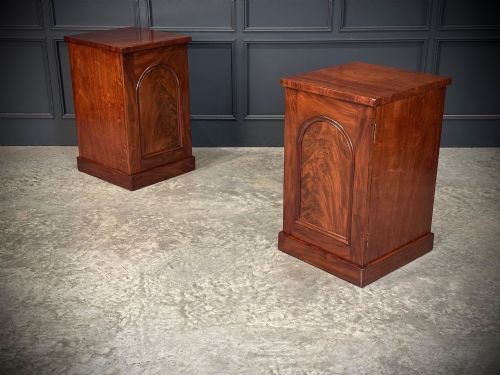
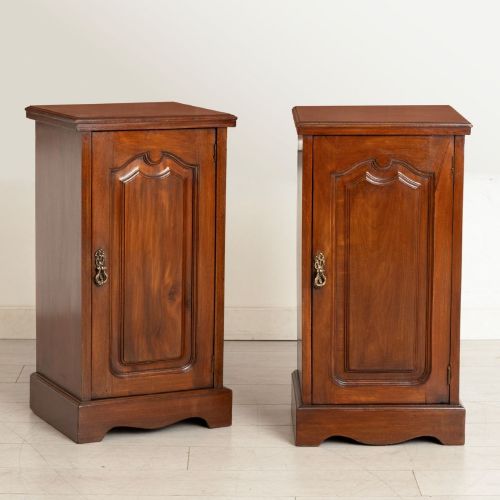
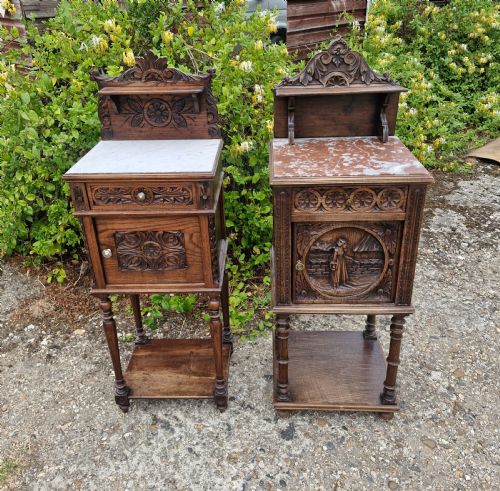
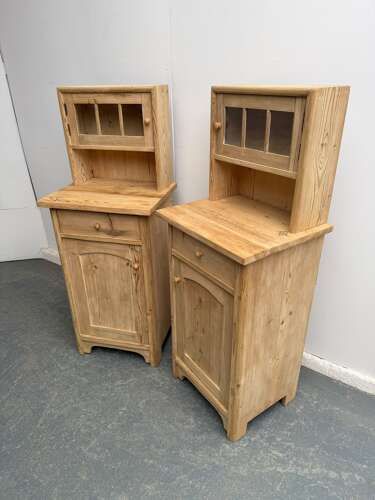
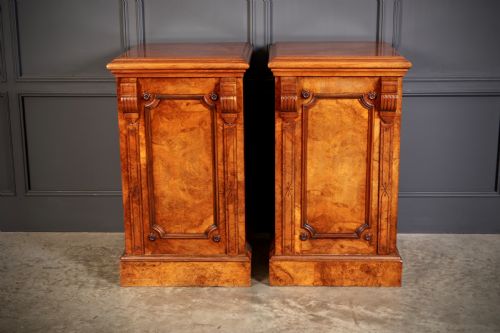
A victorian pot cupboard pair comprises matched bedside cabinets designed to hold chamber pots and personal items out of sight during the nineteenth century. These pieces usually stand on plinths or short legs, enclosing a single internal shelf behind a panelled door.
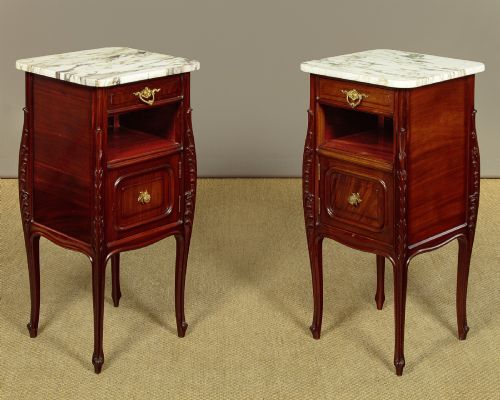
Mahogany and walnut predominate among the surviving examples, often rendered in flame veneers or solid timbers that reflect the tastes of the period. Forms range from rectangular pedestals to cylindrical shapes with inset marble tops intended for easy cleaning.
How they were made
Cabinet makers utilised dense hardwoods such as mahogany and oak for the carcases, applying figured veneers like flame mahogany or burr walnut to the primary surfaces for visual depth. Secondary timbers like pine often formed the internal linings and drawer boxes.
Construction relied on traditional joinery, including dovetailed drawer construction and mortise and tenon joints for the frames. Brass fixtures such as turned knobs, hinges and ventilation grilles completed the utilitarian yet refined build.
Many of these tidy bedside companions still retain their tiny brass ventilation grilles, originally fitted to let the interior breathe.
What varies in quality
The choice of timber grain dictates much of the visual standard, with heavily figured flame veneers and matched drawer fronts representing superior craftsmanship compared to plain stock. The crispness of carved mouldings and the symmetry of the matching pair indicate the original workshop's skill level.
Interior execution also separates standard pieces from finer ones, visible in secondary wood selection, dovetailed drawer linings and the quality of fitted marble slabs. Original hardware and sound structural integrity without excessive timber shrinkage maintain the integrity of the design.
Gillows
The Victorian Pot Cupboard Pair Glossary
- Pot cupboard
- A small enclosed bedside cabinet originally designed to house a chamber pot. They frequently feature a single door and a shelved interior.
- Flame mahogany
- A veneer cut from the fork of the mahogany tree where branches meet the trunk. This technique produces a characteristic flickering flame pattern.
- Pedestal cabinet
- A freestanding vertical storage unit with a single door enclosing compartments. These pieces often stand on a plinth base rather than legs.
- Burr walnut
- A figured wood obtained from walnut tree growths containing cluster knots. It yields intricate, swirling grain patterns highly prized for luxury furniture.
- Upstand
- A vertical wooden barrier raised along the back and sides of a cabinet top. This feature prevents items from rolling off the surface.
Victorian Pot Cupboard Pair: Frequently Asked Questions
What was a pot cupboard used for?
These cabinets served primarily as bedside storage for chamber pots before indoor plumbing became standard in bedrooms. They kept sanitary items enclosed while providing a flat surface for a candle or lamp.
Over time, their domestic function shifted as modern bathrooms arrived, turning them into standard bedside tables for lamps, books and personal belongings.
How do you match a pair of antiques?
Mated pairs share identical timber species, veneer patterns, dimensions and construction details from the same period. Minor hand-carved variations often confirm they were produced as a matching set by the same workshop.
Cabinet makers paid close attention to grain symmetry so that the two pieces mirrored each other visually when placed on opposite sides of a bed.
Are marble tops original to these cabinets?
Many nineteenth-century bedside cabinets incorporated inset marble slabs to provide a durable, wipe-clean surface resistant to spilled water or medicines. These stone tops were factory fitted during production.
Cylindrical and rectangular models both utilised white or grey marble inserts to match the prevailing domestic interior fashions of the era.
How do you date a Victorian cabinet?
Dating relies on examining the timber types, construction methods, hardware and stylistic revival cues present in the piece. Mid-century examples often feature solid flame mahogany, while later decades embraced darker walnut or lighter satinwood.
Internal secondary woods like pine and hand-cut dovetails help distinguish mid-nineteenth-century production from later Victorian or Edwardian workshop output.