



Victorian Portrait Study
A victorian portrait study brings human character, academic discipline, and domestic animal portraiture from the nineteenth century directly to your wall.
Victorian Portrait Study
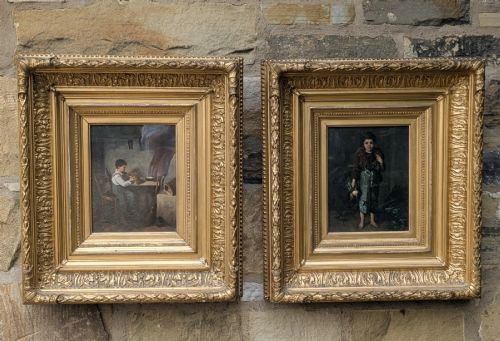
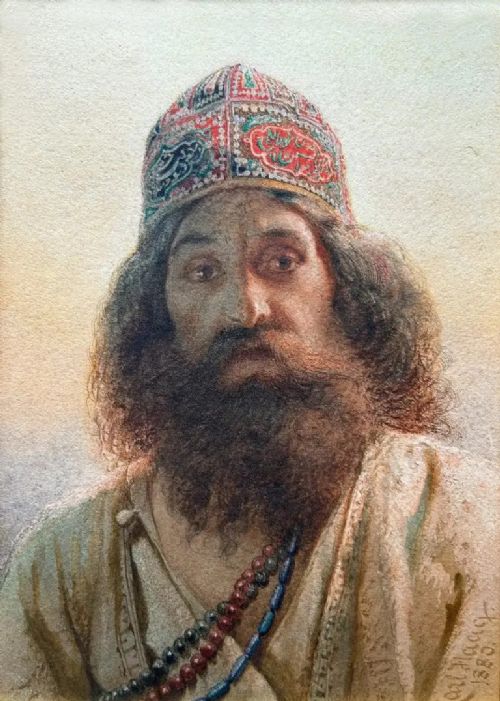
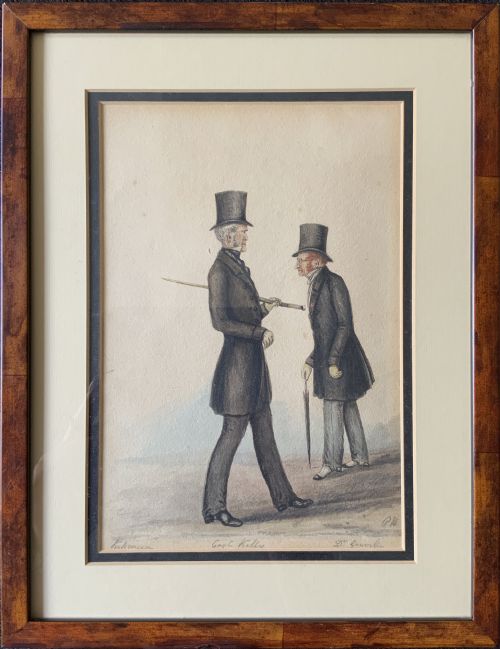
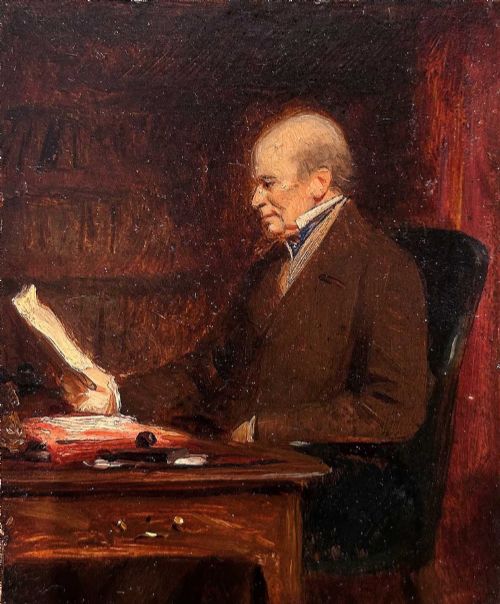
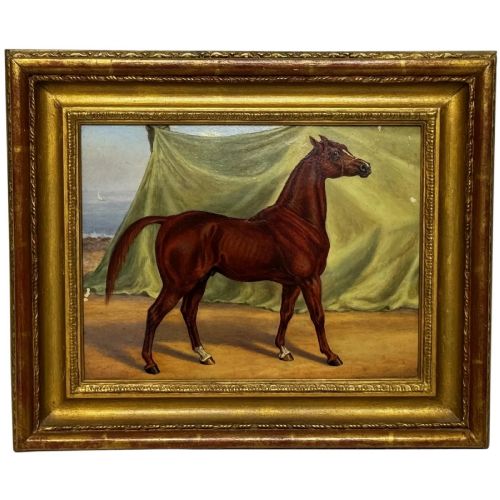
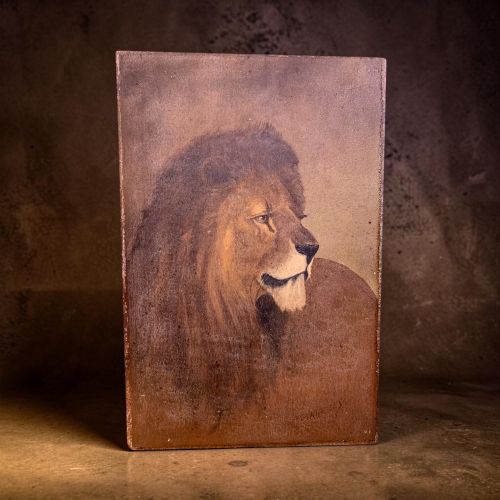
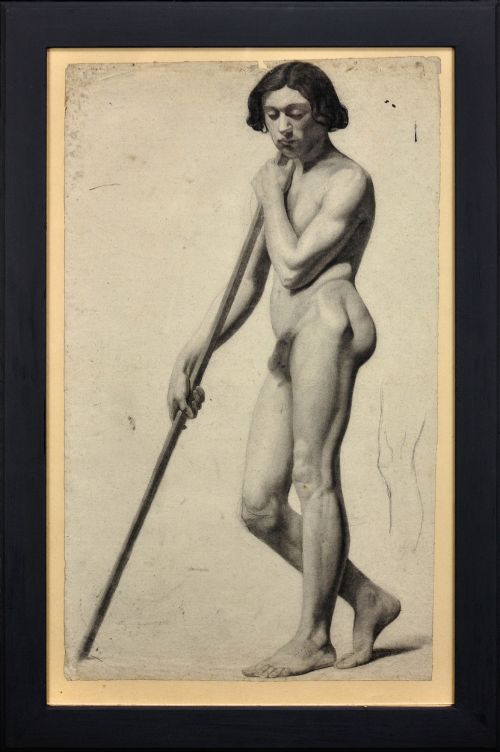
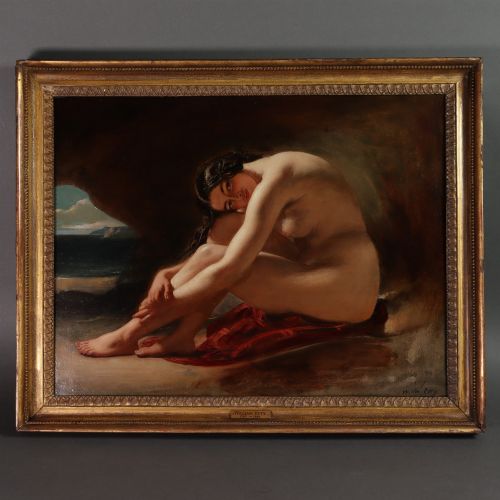
A victorian portrait study captures individual character, ranging from human subjects like seated gentlemen, young boys, and writers to animal subjects such as horses, dogs, and lions.
These works emerge from 19th-century studios, schools, and academic training environments, often functioning as preparatory sketches or finished cabinet pieces.
You will encounter works originating from British, French, and Italian schools, rendered across oil, watercolour, charcoal, and pencil mediums.
Materials and execution
Artists worked primarily on canvas, paper, wood panels, and artist's palettes using oil paint, watercolour, charcoal, graphite, chalk, and gouache.
Many pieces utilise traditional academic techniques, balancing careful line work in pencil or charcoal with tonal washes or layered oil applications to build form and light.
Listings feature works spanning the 1800s to the 1930s, utilising oil paint, watercolour, charcoal, pencil, and bronze.
Judging the work
Quality rests upon anatomical precision, handling of light and shadow, and the immediacy of the artist's touch in capturing expression.
Works displaying confident draftsmanship and psychological depth stand apart from rigid or purely mechanical copies of popular subjects.
Carl Haag·Stephen Pearce·Henry Arthur Roberts·William Etty·Jean Jules Salmson·Sir Thomas Brock·John Emms·William Henry Hunt·Montagu Barstow·Ralph Hedley·Theobald Chartran·William Woodhouse·Charlotte Blakeney Ward·George Richmond·J Moffat
The Victorian Portrait Study Glossary
- Ground
- The initial preparation layer applied to canvas, wood panel, or paper before the artist begins painting or drawing.
- Gouache
- An opaque water-based medium that provides solid colour blocks and highlights in mixed-media works on paper.
- Naive art
- Work produced by self-taught artists, characterised by a charming disregard for formal perspective and academic proportions.
Victorian Portrait Study: Frequently Asked Questions
What is a portrait study?
A portrait study is a work created to explore the likeness, expression, or anatomy of a subject rather than a formal, commissioned final portrait. These pieces often reveal the direct hand and working methods of the artist.
They frequently take the form of quick oil sketches, detailed pencil drawings, or focused watercolour paintings capturing a specific pose or character trait.
How do I display these works?
These works suit traditional frames, often in gilt wood, which complement their nineteenth-century origins. Hanging them in studies, hallways, or living spaces adds historical depth to an interior.
Protect them from direct sunlight to preserve delicate watercolours, charcoal, and paper supports over time.
Are animal subjects considered portraits?
Nineteenth-century artists frequently applied portraiture techniques to animals, capturing individual horses, dogs, and lions with distinct personality and anatomical precision. These works were valued just as much as human likenesses.
Works depicting specific animals often bear inscriptions or signatures identifying the subject or following notable animal painters.
How can I tell periods apart?
Differentiating periods relies on examining paper types, framing styles, inscriptions, and the evolution of academic drawing techniques across the nineteenth century. Earlier works often show neoclassical influences, while later 19th-century pieces embrace broader realist or folk art approaches.
Signatures, dates written on the reverse, and artist biographies provide the most reliable chronological anchors.