


Classical Female Portrait Oil
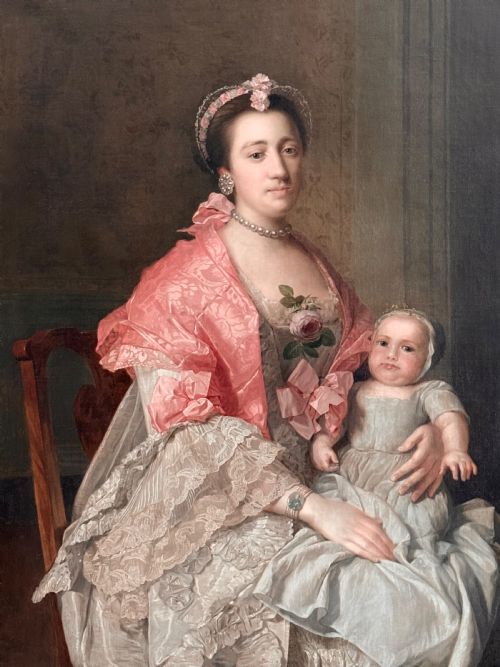
A classical female portrait oil captures the enduring grace and dignity of women through centuries of painterly tradition.
Classical Female Portrait Oil
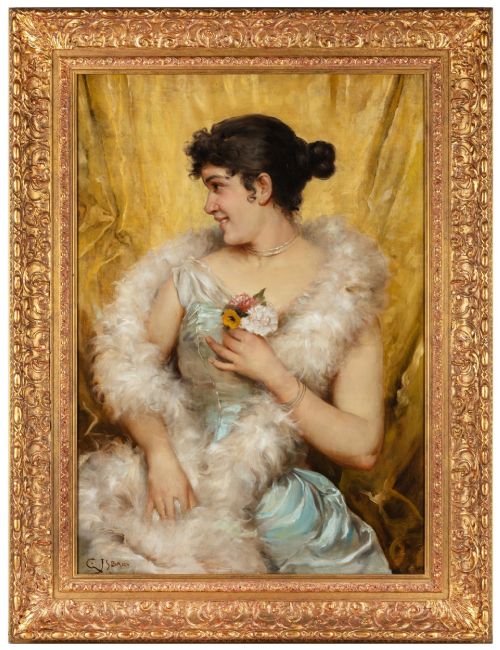
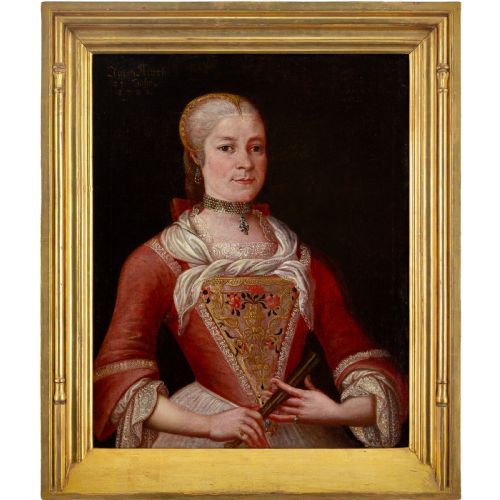
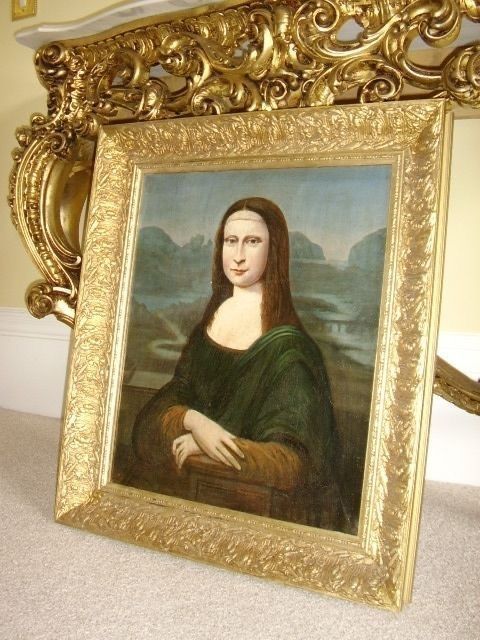
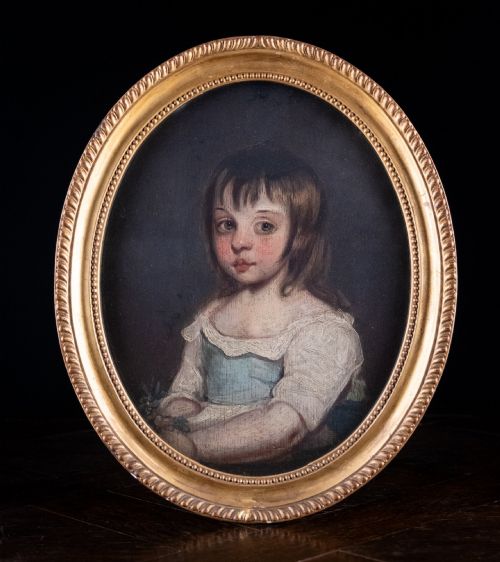
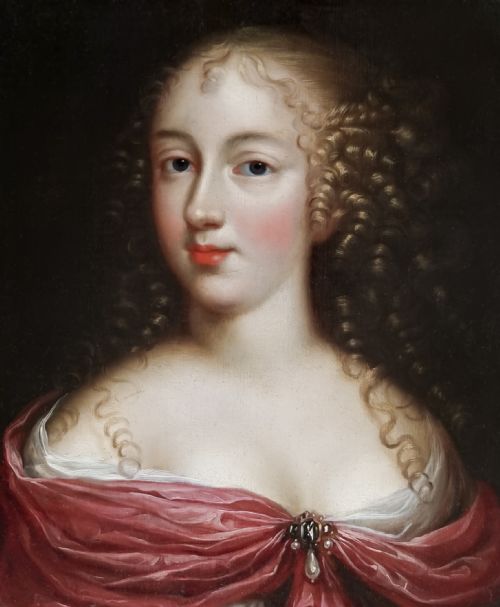
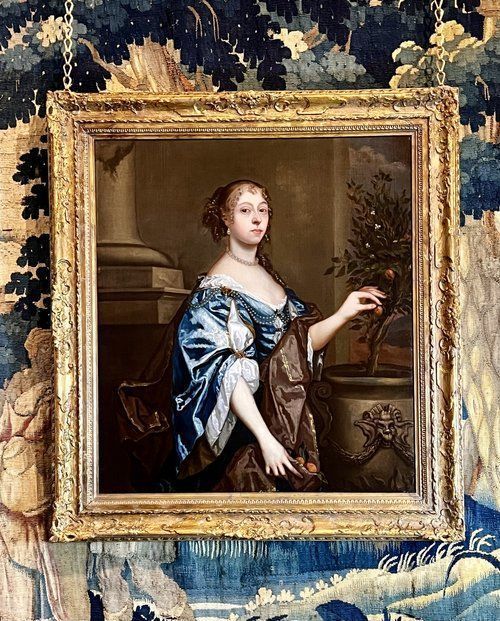
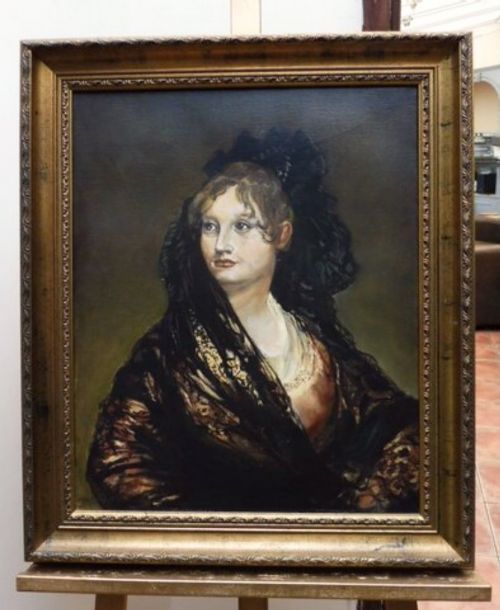
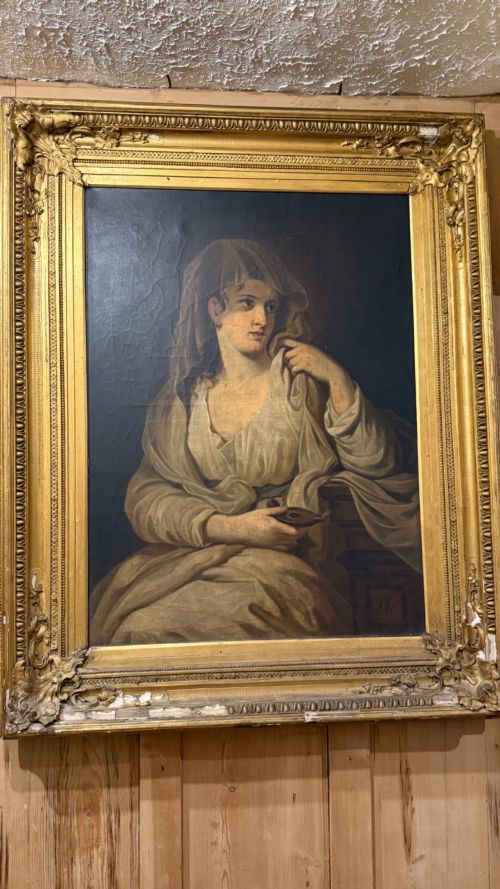
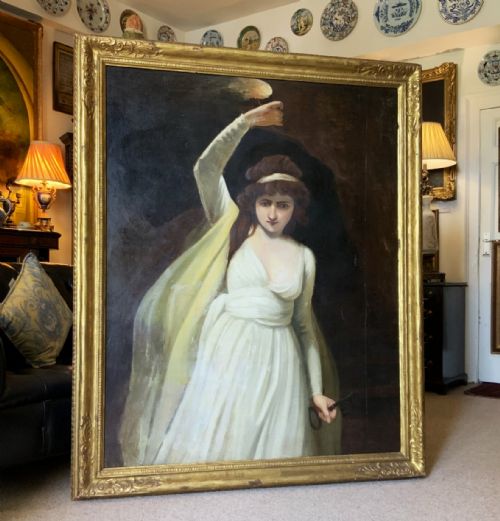
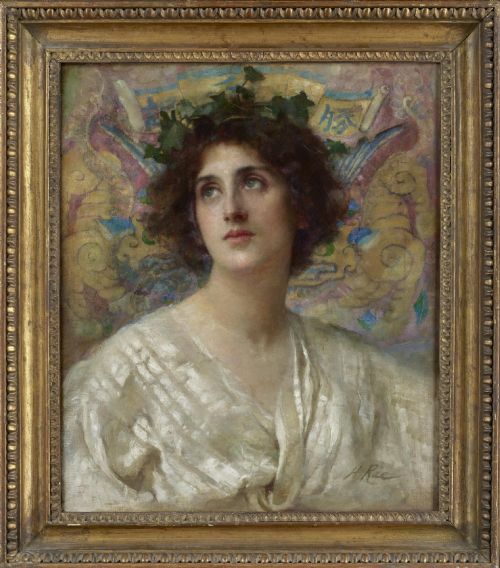
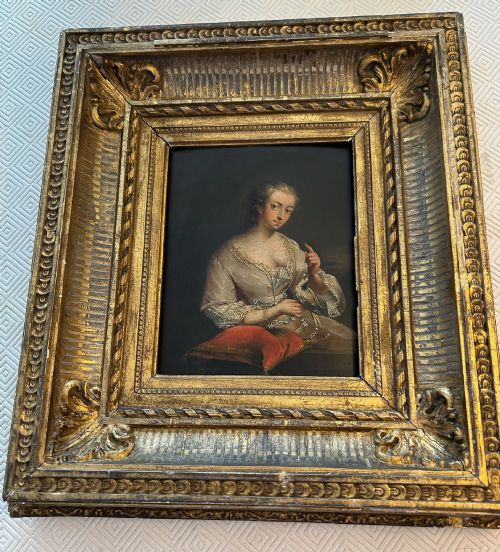
A classical female portrait oil depicts women in stately, mythological, or romantic compositions spanning from the seventeenth century through to the early twentieth century. Buyers seeking this phrase encounter fine art paintings executed on canvas or panel, often housed within ornate giltwood frames.
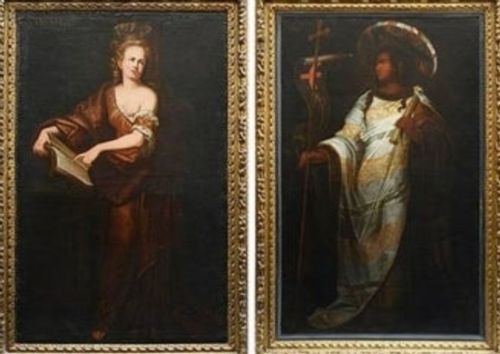
The selections on this page range from intimate depictions of young country girls and aristocratic ladies to grand mythological interpretations such as sibyls and goddesses. These works originate from various European schools, reflecting both original studio creations and accomplished studies after master painters.
Materials and technique
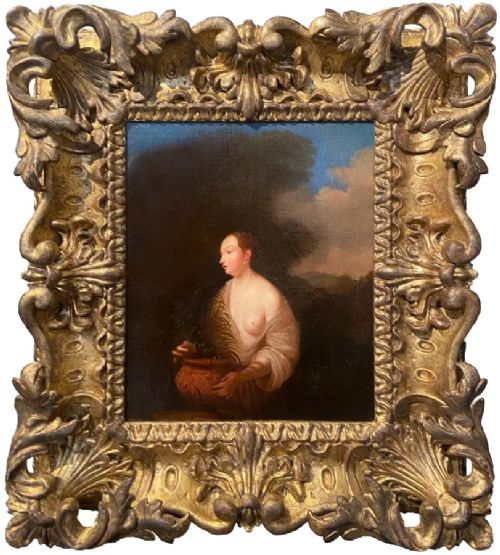
Many of these paintings retain their period housing, utilising carved wooden frames finished in gold leaf or gilt wood that complement the visual weight of the canvas.
Listings span from the seventeenth century through the twentieth century, featuring works by European schools and named artists.
Distinctions in quality
Quality in these portraits rests upon the sureness of the draughtsmanship, the subtlety of the tonal transitions in the face and hands, and the psychological presence conveyed by the sitter. Superior examples demonstrate a confident handling of pigment that brings vitality to the eyes and textiles, whereas lesser works rely on stiff contours and formulaic shading.
The integration of the artwork with its period frame also influences the overall character of the piece, as original or period-appropriate giltwood surrounds enhance the historical integrity of the painting.
G. J. S. Bary·Pierre Mignard·Pieter Borsseler·Francisco José de Goya y Lucientes·Sir Allan Ramsay·Robert Byng·John Opie·Toussaint Gelton·Henrietta Rae·Jean-Baptiste Greuze·Jean-Baptiste van Loo·André Charles Voillemot·Allan Douglas Davidson·Thomas Edward Roberts·Nicolas Fouché·Jean-Marc Nattier·Thomas Gainsborough·Van Dyck·Fernand Jean Barbier·William Edward Frost·Sir Thomas Lawrence·Guido Reni·William Joseph Carroll
The Classical Female Portrait Oil Glossary
- Oil on Canvas
- A painting medium where pigments bound in drying oil are applied to stretched fabric. This combination allows for rich colour blending and textured brushwork.
- Giltwood
- Wood that has been coated with a thin layer of gold leaf or gold paint. It is commonly found on ornate antique picture frames.
- Circle of
- A term used to describe a work produced by an unidentified artist working during the same period and closely associated with a known master's style. It denotes an artist influenced directly by that master's immediate milieu.
- Neoclassical
- A style originating in the mid-eighteenth century that drew inspiration from the art and culture of classical antiquity. It emphasises symmetry, proportion, and restrained elegance.
Classical Female Portrait Oil: Frequently Asked Questions
What is a classical female portrait oil?
A classical female portrait oil is a historical painting executed in oil on canvas or panel that depicts a woman in a traditional, neoclassical, or mythological setting. These works range from formal aristocratic commissions to romantic depictions.
They serve as windows into past aesthetic ideals, preserving the likenesses and allegorical representations favoured by European schools of art over several centuries.
How do I date an antique oil portrait?
Dating an antique oil portrait involves examining the canvas preparation, stretcher construction, pigment types, and the sitter's costume and hairstyle. Stylistic cues often align with specific periods like the Georgian or Victorian eras.
Signatures, inscriptions on the reverse, and the construction methods of the accompanying giltwood frame further assist in establishing a reliable chronology for the piece.
What does after a master mean?
The term after indicates that the painting is a study or copy of a well-known composition by a celebrated artist. These were often created by students or contemporary painters to hone their technique.
Such works offer collectors an opportunity to acquire compositions inspired by major historical figures without the provenance of an original primary hand.
How should I care for an oil painting?
An oil painting requires a stable environment away from direct sunlight, excessive humidity, and rapid temperature fluctuations. These conditions prevent the canvas from slackening and the paint layers from cracking.
Dust should be removed gently from the surface and the frame using a soft, dry brush, avoiding any moisture or chemical cleaning agents.