




Profile Portrait of Woman
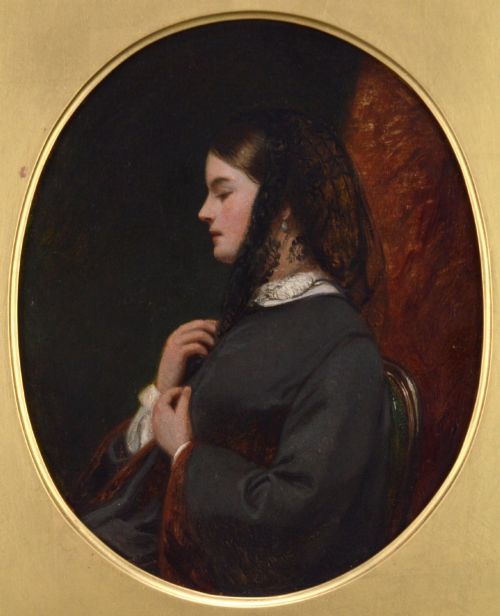
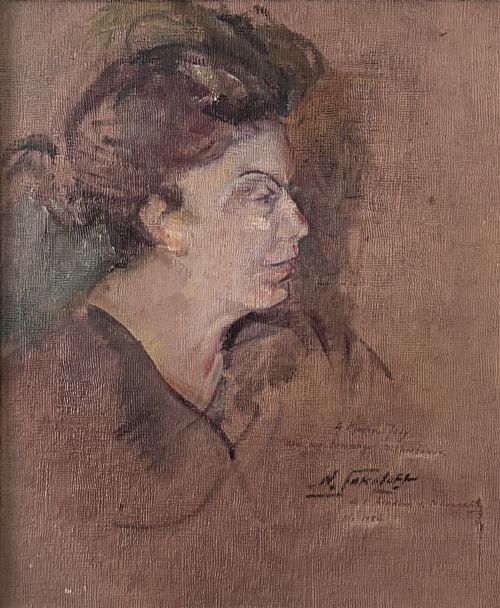
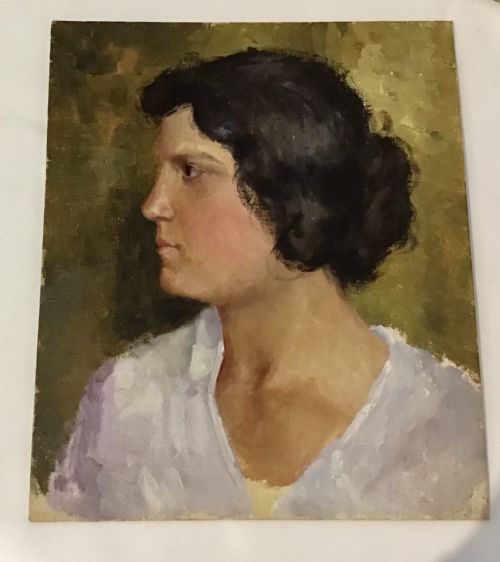
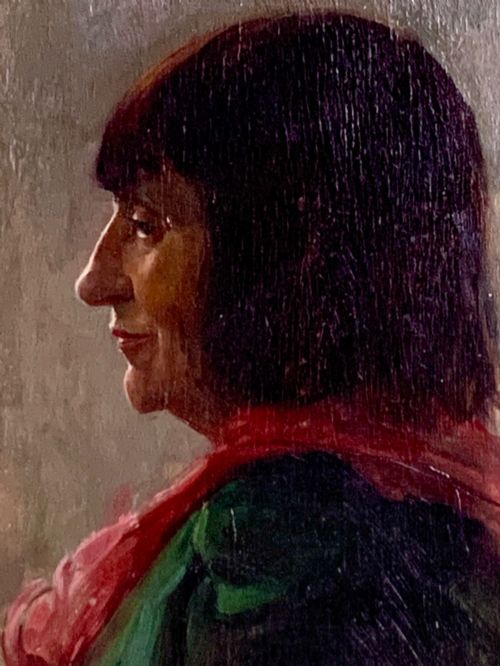
A profile portrait of woman captures a direct, quiet gaze, offering collectors a subtle study in character across centuries of fine art.
Profile Portrait of Woman
When you search for a profile portrait of woman, you encounter a remarkable variety of artistic interpretations spanning the Georgian era through to the mid-twentieth century. These works capture female subjects in strict side-view or near-profile, ranging from intimate miniatures housed in pendants to substantial oil paintings on canvas and board.
The pieces appearing on this page reflect diverse regional schools and aesthetic movements, including Italian works, Bloomsbury group compositions, and Victorian academic studies. Whether rendered as a miniature portrait on ivory or a larger pastel painting, each piece presents a distinct historical persona.
Buyers most frequently meet nineteenth-century works and early twentieth-century examples, such as 1920s oils and 1910s watercolours. These span formal society commissions and expressive modernist interpretations alike.
Materials and technique
Artists rendering a profile portrait of woman utilised traditional media suited to their period, predominantly working in oil on canvas or board, watercolour on paper, and graphite or charcoal on watermarked paper. Miniatures frequently appeared on specialist surfaces like ivory or within sterling silver pendants.
Techniques range from the careful blending of pastel and pencil in nineteenth-century studies to the looser, brush-driven execution seen in twentieth-century impressionist and Bloomsbury school pieces. The physical support often dictates the scale, shifting from large oil paintings to delicate pocket-sized miniatures.
Profile Portrait of Woman Retail Price Guide 2026
Typical asking prices for profile portrait of woman among the pieces listed under this phrase on Sellingantiques today, from the lower quarter to the upper quarter. They describe what is for sale here now, not the wider market.
Materials recorded across these artworks include oil on canvas, graphite on watermarked paper, watercolour, and sterling silver.
What separates the work
Quality in a profile portrait of woman rests primarily on the sureness of the draughtsmanship and the artist's ability to convey personality within the strict constraints of a side-view silhouette. Stronger pieces demonstrate confident control of line and light, whether through the delicate layering of watercolour or the confident handling of oil paint.
Condition and originality also divide the range, with works retaining their untouched surfaces, period framing, or original mountings commanding greater attention. The distinction lies in how successfully the maker translates the sitter's presence without relying on excessive detail.
Susie Lassam RMS RA·Leo Klin·Rudolf Hausleithner
The Profile Portrait of Woman Glossary
- Profile
- A side-view representation of a human head or figure. This perspective emphasises the silhouette and clean lines of the subject.
- Miniature portrait
- A small-scale painting executed with meticulous detail, frequently created on ivory, vellum, or paper. These pieces were often worn as jewellery or kept in protective cases.
- Bloomsbury Group
- An association of English writers, intellectuals, and artists associated with a progressive aesthetic in the early twentieth century. Their portraits often eschew strict academic realism for expressive colour and form.
- Pastel
- A medium consisting of powdered pigment bound into a stick form, applied directly to paper or board. It produces soft, velvety surfaces with rich colour saturation.
- Watercolour
- A paint consisting of pigment suspended in a water-based solution, applied in translucent washes. It allows for delicate luminosity and fine linear work.
Profile Portrait of Woman: Frequently Asked Questions
How do I date an antique portrait?
Dating relies heavily on the clothing, hair styling, and framing materials associated with the sitter, alongside any signatures or paper watermarks.
Comparing the technique to established artistic periods provides further confirmation of the likely decade of creation.
Were these portraits painted from life?
Many formal works and miniature commissions were painted directly from life, capturing the specific likeness of a known or commissioned sitter.
Other examples, particularly historical or allegorical pieces, drew upon academic studies or imagination.
How should I display a paper portrait?
Works on paper, including watercolours and pencil drawings, require protection from direct sunlight to prevent fading of the pigments.
Framing with acid-free mounts and UV-filtering glass preserves the integrity of both the paper and the medium.
What is the difference between a miniature and a painting?
Miniatures are defined by their diminutive scale and highly concentrated detail, often requiring magnification and specialised surfaces.
Standard oil and pastel paintings offer a larger format suited to broader brushwork and standard wall display.