
Victorian Portrait Miniature Art
Victorian portrait miniature art captures intimate likenesses on a small scale, bringing personal history and delicate craftsmanship directly into modern interiors.
Victorian Portrait Miniature Art
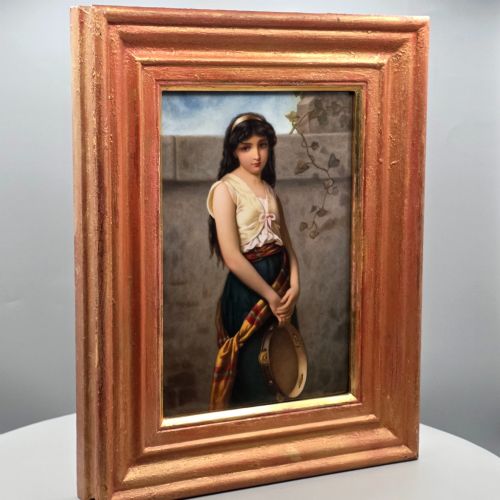
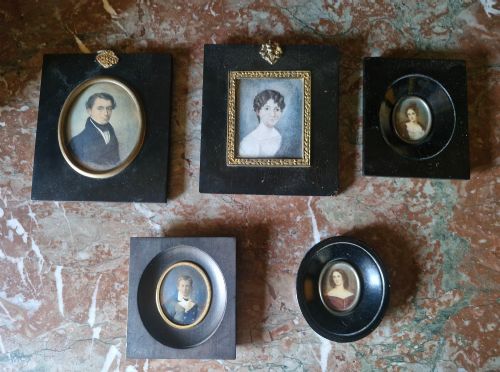
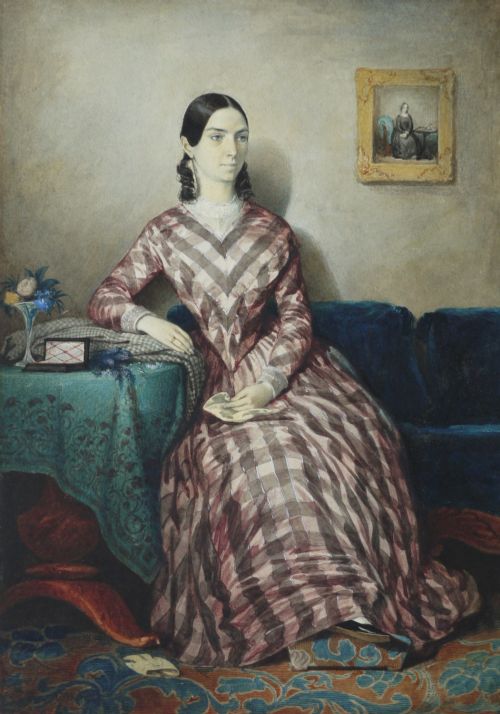
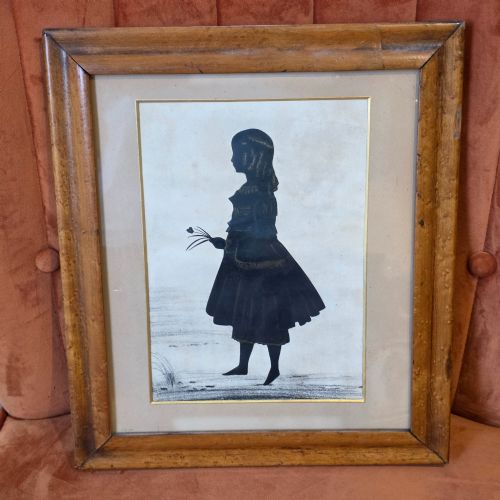
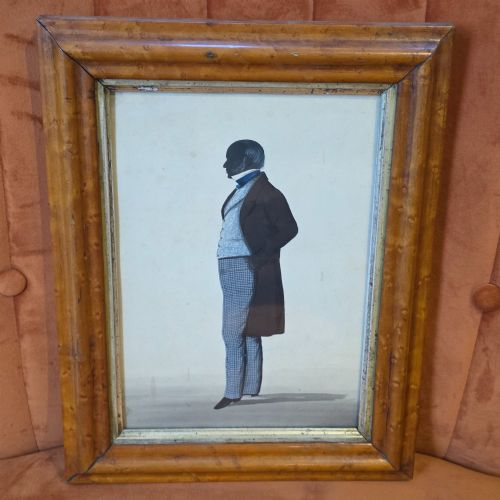
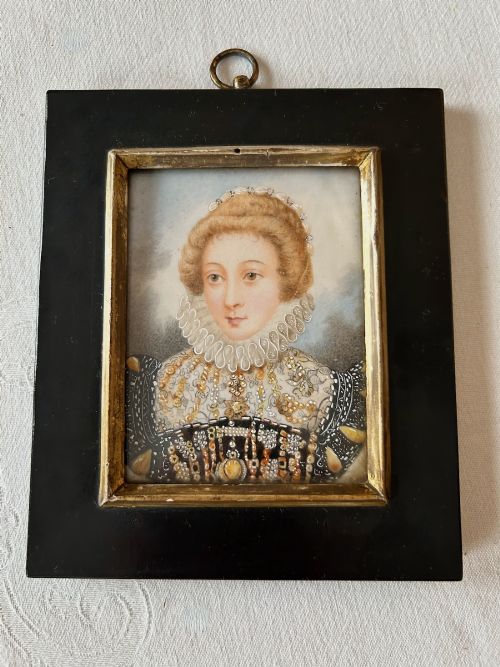
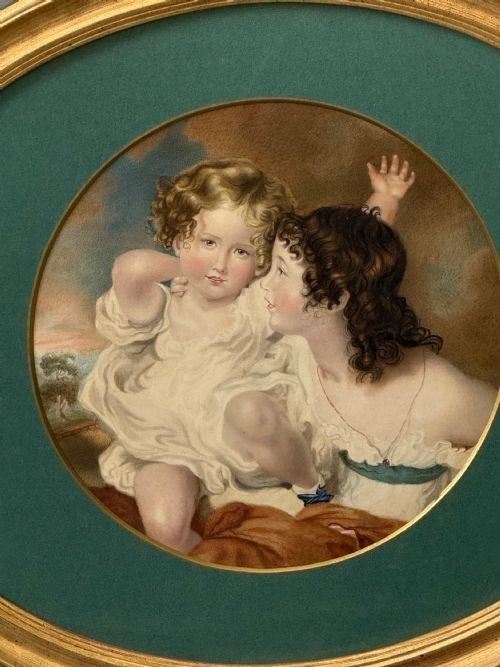
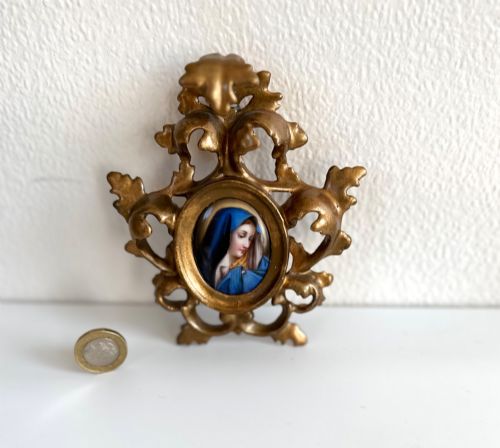
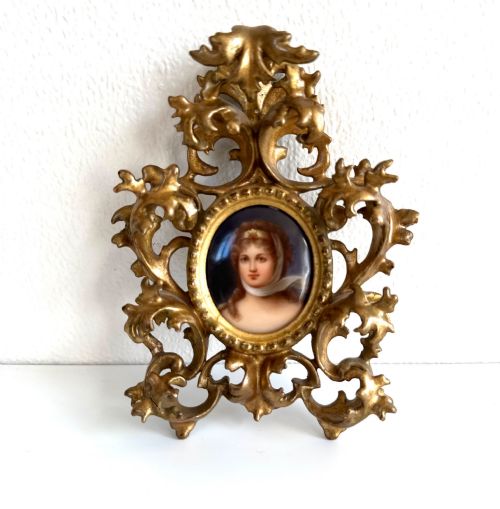
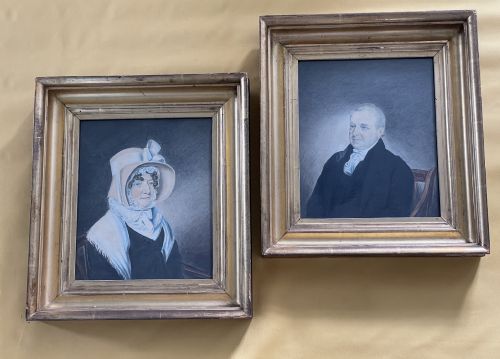
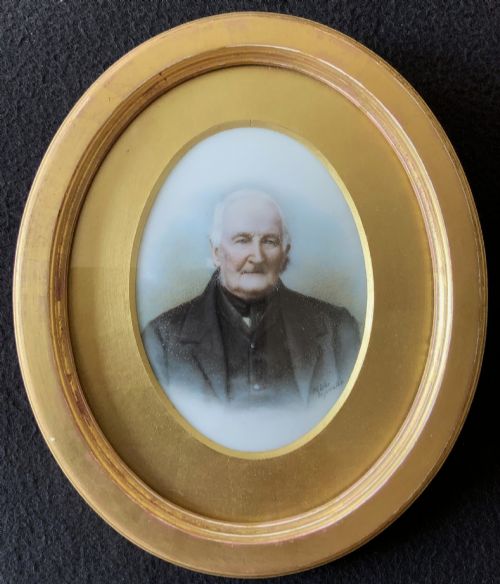
Buyers searching for victorian portrait miniature art encounter works executed in watercolour, ink, and gouache, alongside delicate paper silhouettes and hand-painted porcelain plaques. Many examples arrive in their original ebonised wood, brass, or carved frames.
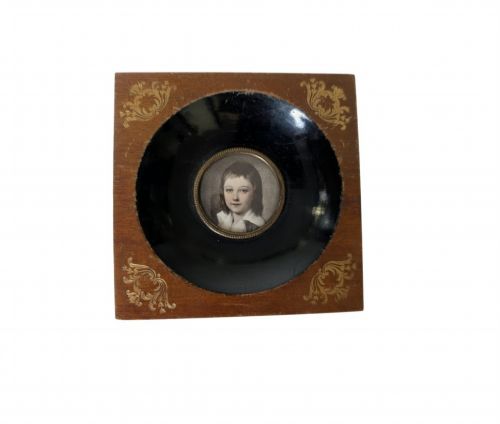
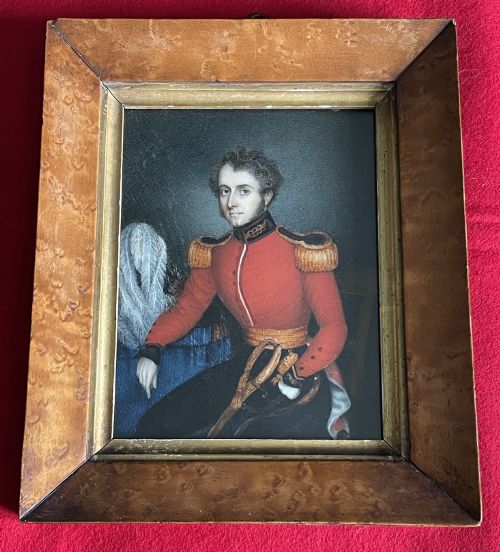
The selection ranges from intimate brooches and single framed watercolours to pairs and sets of portraits. Subjects vary from children and military officers to literary or historical figures like Mary, Queen of Scots.
Materials and Techniques
Artists painted these miniature portraits using watercolour, pastel, and ink on paper, card, glass, or porcelain plaques. The application demands immense control, as every detail must register clearly within a confined surface.
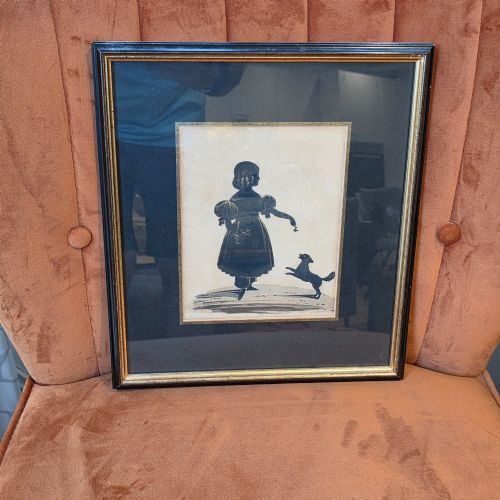
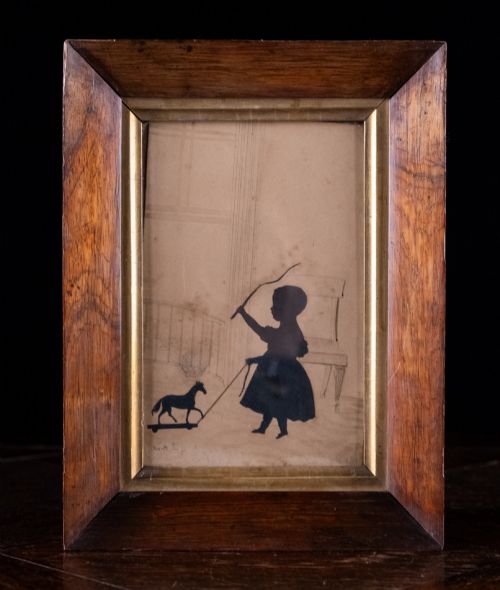
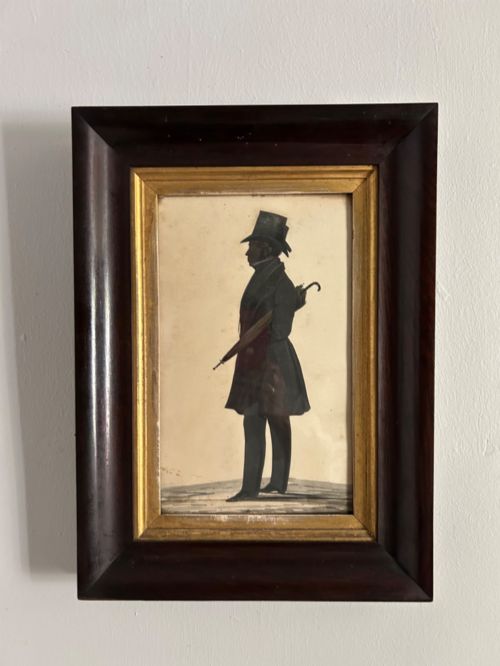
Silhouette artists utilised cut paper combined with delicate watercolour highlights, often mounting their work within period frames made from ebonised wood, rosewood, or maple. Some plaques and paintings received protective glass covers and intricate brass mounts.
Several beloved family pets join human sitters here, immortalised through the exact same rigorous silhouette and watercolour techniques.
Judging Quality and Execution
The survival of original mountings, glass, and frames significantly influences the integrity of a piece. Signed works and attributed pieces by documented artists carry distinct weight through their connection to established hands.
William James Hubard·Augustin Edouart·William Egley·Henri Fradelle·Alessandro Cittadini
The Victorian Portrait Miniature Art Glossary
- Silhouette
- A solid black profile portrait, typically cut from paper or card, sometimes enhanced with ink or watercolour details. These pieces gained immense popularity during the Regency and Victorian periods.
- Porcelain Plaque
- A flat tablet of fired porcelain used as a painting surface for detailed miniature portraits. Artists fired these works to secure the pigments, often housing them in ornate carved wooden frames.
- Ebonised Wood
- Timber treated with a dark stain or finish to imitate true ebony. This material was a favourite for framing nineteenth-century silhouettes and small watercolours to provide high visual contrast.
- Gouache
- An opaque water-based paint composed of pigment, water, and a binding agent such as gum. It offers dense, matte coverage that allows miniature painters to build up highlights and rich costume details.
Victorian Portrait Miniature Art: Frequently Asked Questions
How were portrait miniatures displayed?
Owners typically hung these small artworks closely together on drawing-room walls or placed them upon desks and mantelpieces. Some pieces functioned as personal jewellery, designed to be worn as brooches against clothing.
This method of display kept departed or distant family members physically close to the owner throughout the daily domestic routine.
Are silhouettes considered portrait miniatures?
Yes, cut-paper and ink silhouettes form an integral branch of miniature portraiture from this era. Artists captured the exact profile of a sitter using scissors or a pantograph before mounting the resulting paper cut-out.
Many of these silhouettes feature subtle washes of watercolour to delineate lace collars, hair ribbons, or military uniforms.
How do I identify a porcelain plaque?
Porcelain plaques present a smooth, glossy ceramic surface rather than paper, canvas, or card. Artists fired these ceramic panels in kilns after applying enamel colours to ensure permanence.
Examination under a glass often reveals faint artist signatures or factory marks inscribed or painted on the reverse before framing.
How should I care for these artworks?
These pieces require protection from direct sunlight to prevent the fading of delicate watercolours, inks, and paper supports. Maintaining stable indoor humidity levels prevents the warping of wooden frames and paper backing.
Original glass should be cleaned gently with dry cloths, avoiding liquid sprays that might seep beneath antique bezels or frames.