



Victorian Porch Lamp
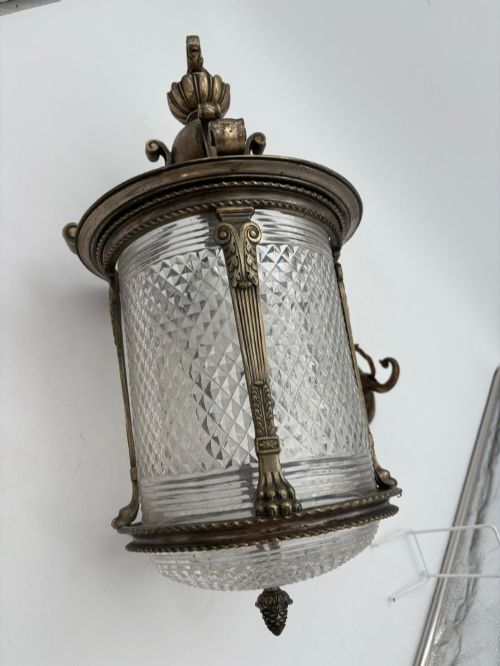
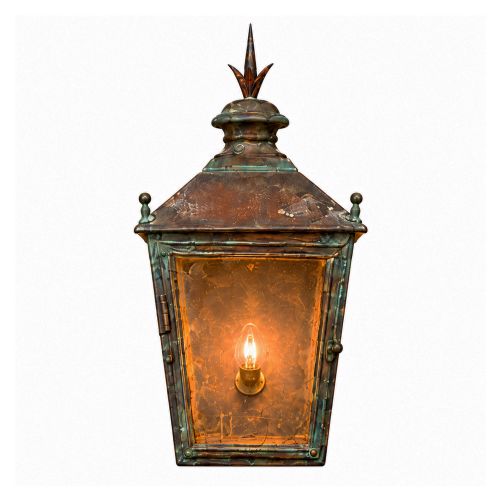
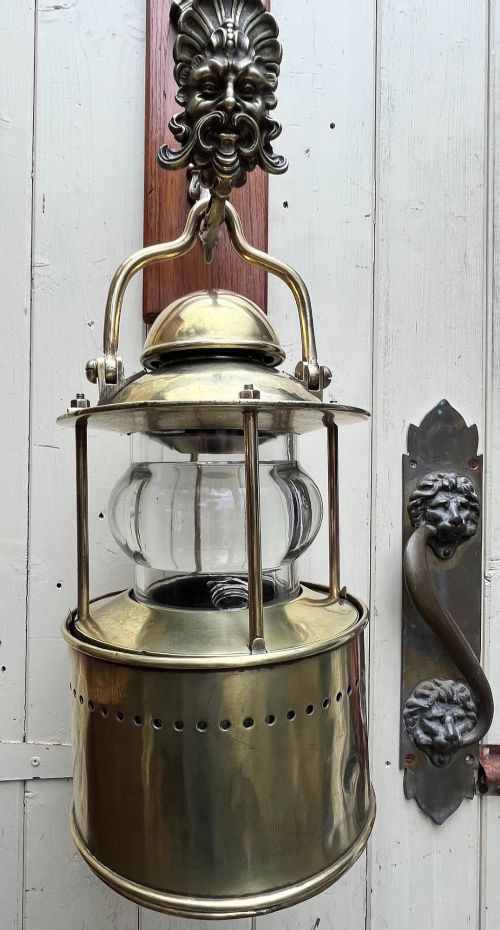
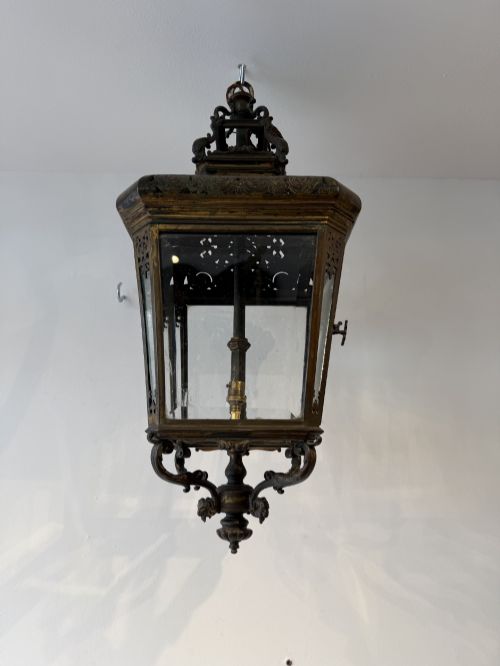
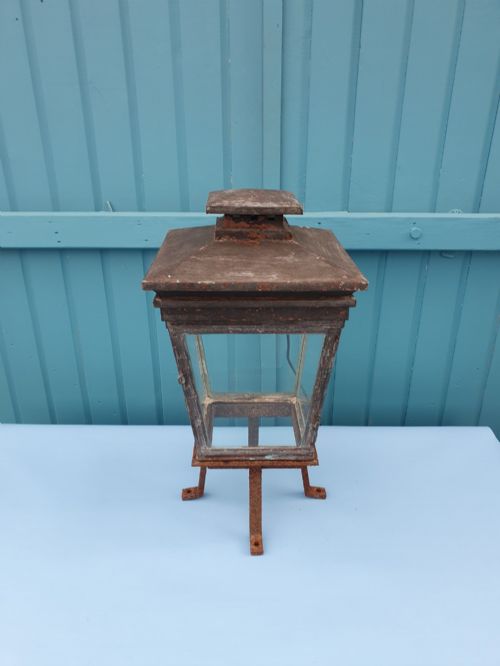
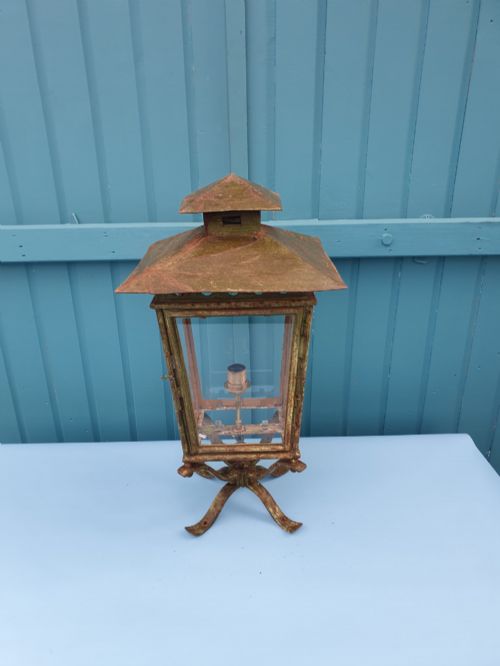
These Victorian porch lamp examples are robust exterior lanterns that bring period character to an entrance.
Victorian Porch Lamp
A victorian porch lamp is a sturdy hanging or wall-mounted lantern designed to illuminate an entryway, typically originating from the nineteenth century or early twentieth century. These fixtures are what a buyer meets when searching for exterior illumination that combines practical function with period architectural presence.
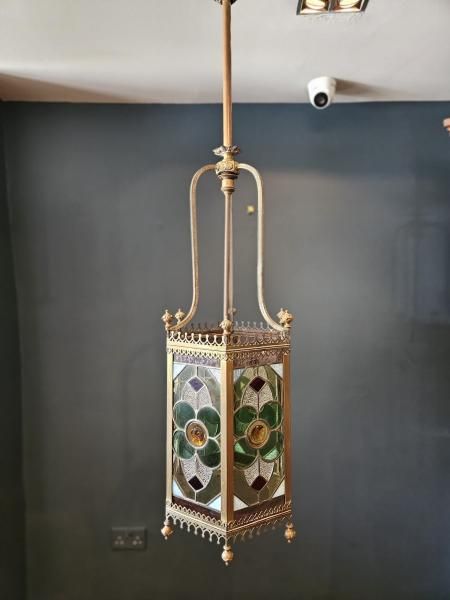
The pieces on this page appear predominantly as hanging lanterns, ceiling lighting, and wall lanterns. Forms range from simple utilitarian brass designs to decorative leaded glass and coloured shade variations.
Origins span the Victorian era, including specific dates such as eighteen-fifty, eighteen-eighty, and eighteen-ninety, alongside later nineteenth and early twentieth century examples. Styles encompass straightforward Victorian interpretations as well as Gothic Revival and Victorian Gothic aesthetics.
How they were made
Makers constructed these lanterns using durable metals such as brass, copper, iron, wrought iron, and bronze to withstand exterior conditions. Artisans frequently paired these structural metals with glass panels, including leaded glass and tinted red and yellow shades.
Several examples show evidence of historic conversion from gas operation to modern electrical wiring. Metalwork techniques involve painted finishes, such as green painted garden lantern surfaces, alongside patinated bronze and polished copper.
Victorian Porch Lamp Retail Price Guide 2026
Typical asking prices for victorian porch lamp among the pieces listed under this phrase on Sellingantiques today, from the lower quarter to the upper quarter. They describe what is for sale here now, not the wider market.
Listings feature periods from the mid-nineteenth century through to nineteen-twenty, utilising brass, copper, iron, and leaded glass.
What varies in quality
Quality rests in the substance of the metalwork and the complexity of the glass construction. Heavy cast or wrought elements and intricate leaded glass assemblies distinguish the finer items from simpler utilitarian boxes.
The architectural ambition of the design dictates the tier of the piece. Standard brass lamps sit at one end, while elaborate Gothic Revival lanterns in the manner of Pugin represent a more sculptural standard of production.
The Victorian Porch Lamp Glossary
- Lantern
- An enclosed protective housing for a light source designed to be hung from a ceiling or mounted to a wall. These fixtures serve as the primary housing for outdoor and hallway illumination.
- Leaded glass
- Glass panes held together within a network of cames, typically lead or zinc, to form decorative patterns. This technique allows for multi-panel construction in geometric or colourful configurations.
- Gothic Revival
- An architectural and decorative style drawing inspiration from medieval forms, featuring pointed arches and structural verticality. Pieces in this style often display heavier ironwork and ecclesiastical motifs.
- Conversion
- The alteration of an antique lighting fixture from its original fuel source, usually gas or oil, to electricity. This adaptation allows period lanterns to function safely with modern electrical standards.
Victorian Porch Lamp: Frequently Asked Questions
How do I hang a heavy lantern?
Suspension requires secure ceiling joists or structural lintels capable of supporting the combined weight of metal and glass. Proper brackets distribute the load safely.
Consult a qualified electrician to ensure the mounting hardware aligns with both safety codes and the original hanging loops of the fixture.
Are these lamps suitable for outdoors?
Many of these pieces were originally manufactured as exterior or garden lanterns, constructed from weather-resistant copper, brass, and iron. Exposure to elements over time creates a natural patina on the metal surfaces.
Placement under a covered porch or entryway protects delicate glass panels and historic wiring components from direct severe weather.
Can I convert a gas lantern to electric?
Most period lanterns found today have already undergone conversion from gas or oil to modern electrical systems. This process adapts the interior burner space to house a lamp holder while preserving the exterior housing.
Rewiring should be inspected and updated by a professional to meet current domestic standards before installation.
What is Gothic Revival style?
Gothic Revival design draws upon medieval architecture, incorporating pointed arches, heavy metal brackets, and structural elements reminiscent of cathedrals. Pugin popularised much of this vocabulary in nineteenth-century English design.
Such lanterns display a distinct vertical emphasis and solemn decorative ironwork compared to standard domestic brass lighting.