



Victorian Platform Chair
A victorian platform chair offers steady comfort through a sprung base, bringing nineteenth century seating into a modern room.
Victorian Platform Chair
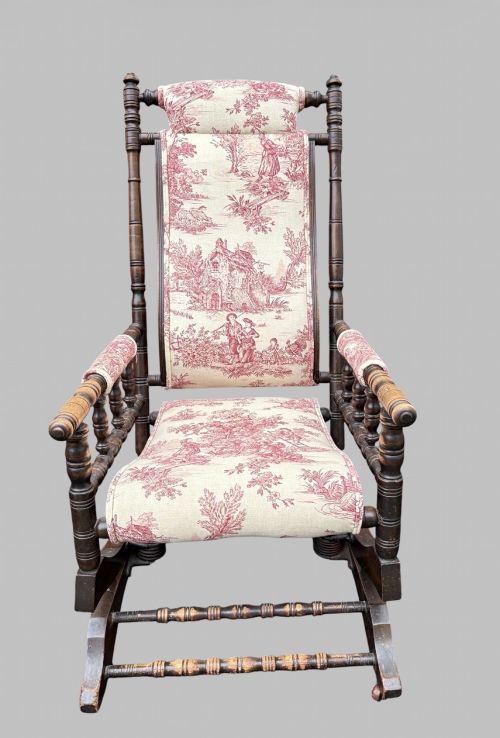
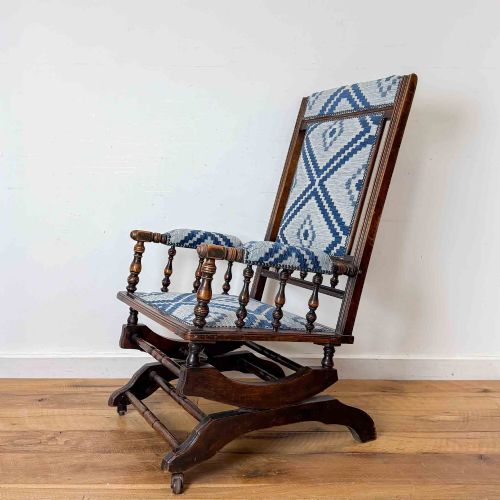
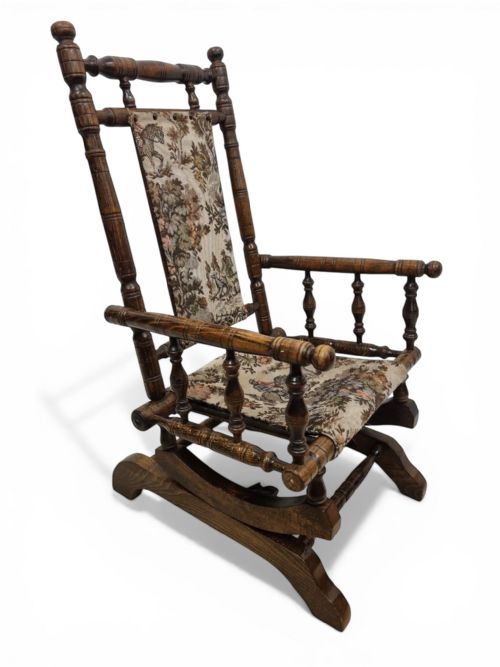
When you search for a victorian platform chair, you are looking at nineteenth century seating designed to remain stationary while the seat moves on an internal mechanism. The pieces meeting this description span the Victorian and Edwardian periods, alongside examples from around nineteen twenty.
The forms on this page include children's rocking chairs, low nursing chairs, and larger American style rocking chairs. You will also find bentwood rocking armchairs associated with Thonet, alongside oak and beech seated designs.
How they were made
Makers utilised solid timber frames constructed from walnut, beech, oak, fruitwood, and dark hardwood. Metal and steel components formed the internal mechanisms that allowed the movement.
Upholstery techniques involved woven fabric, tapestry, and button back padding. Panels of wood were also moulded for seats and backs.
Victorian Platform Chair Retail Price Guide 2026
Typical asking prices for victorian platform chair among the pieces listed under this phrase on Sellingantiques today, from the lower quarter to the upper quarter. They describe what is for sale here now, not the wider market.
Listings feature items spanning the 19th Century, Edwardian period, and 1920, utilising walnut, beech, steel, and woven fabric.
What varies in quality
The distinction between standard and finer examples lies in the selection of timber and the complexity of the frame. Walnut and fruitwood indicate higher craftsmanship than utility hardwoods.
Upholstery finish and the execution of button back work or tapestry distinguish standard production from superior workshops.
The Victorian Platform Chair Glossary
- Bentwood
- Wood heated and bent into curved shapes. This technique created the distinct frames seen in Thonet armchairs.
- Button back
- Upholstery style where buttons are pulled deep into the padding. It creates a diamond pattern and secures the filling.
- Tapestry
- Heavy textile featuring woven designs. It provided durable and decorative coverings for nineteenth century seats.
- Beechwood
- A dense, pale hardwood used widely for chair frames. It accepts turning and shaping with precision.
Victorian Platform Chair: Frequently Asked Questions
What is a platform chair?
A platform chair uses a stationary base combined with an internal spring or pivot mechanism. This allows the upper seat to move without requiring traditional floor rocking runners.
Such designs saved floor space in Victorian and Edwardian homes while offering smooth movement.
How do I identify a Victorian chair?
Identification relies on material choices, timber species like walnut and oak, and traditional joinery methods. Upholstery styles such as button backing also point to this era.
Periods often overlap, so construction details offer the clearest guide to age.
Where were these chairs used?
These chairs served as everyday seating in Victorian parlours, bedrooms, and nurseries. Low nursing chairs were specifically built to assist mothers with infants.
Larger American style rocking chairs provided relaxed seating in living spaces.
How do I care for antique upholstery?
Care involves gentle vacuuming using a low suction attachment to remove dust from fabric and crevices. Direct sunlight should be avoided to prevent fading.
Professional cleaning preserves fragile textiles and antique tapestries.