






Victorian Plate Frame
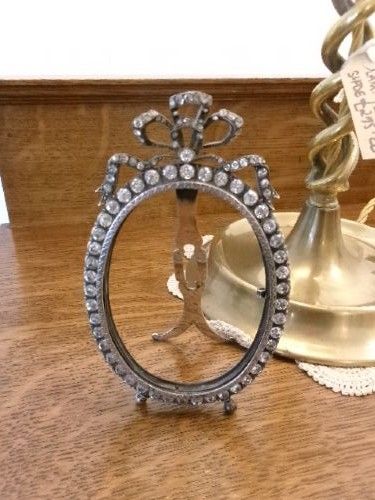
A victorian plate frame brings together heavy silver plating and brilliant cut glass or clear mirror glass to anchor a room.
Victorian Plate Frame
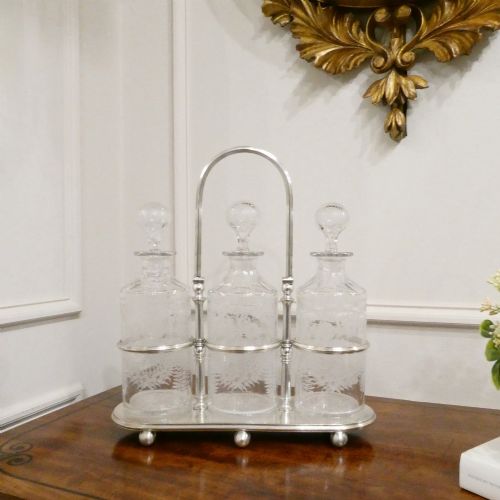
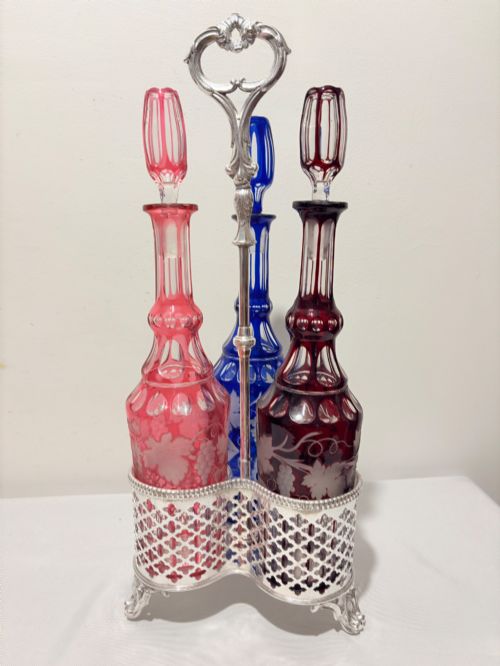
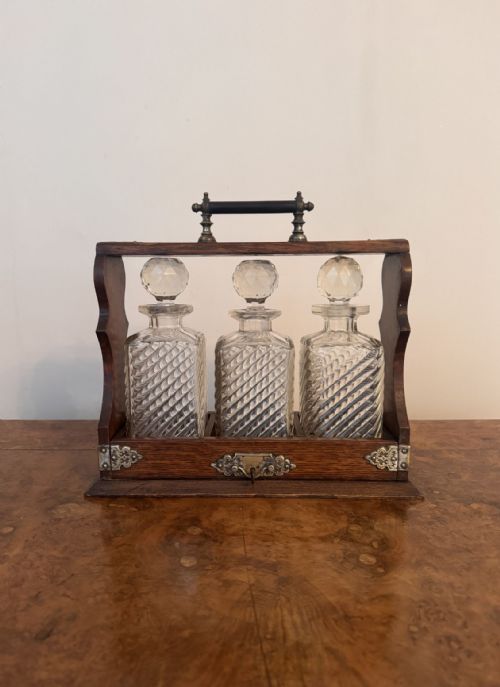
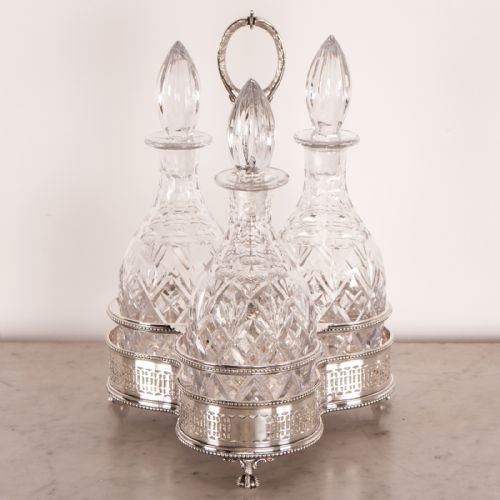
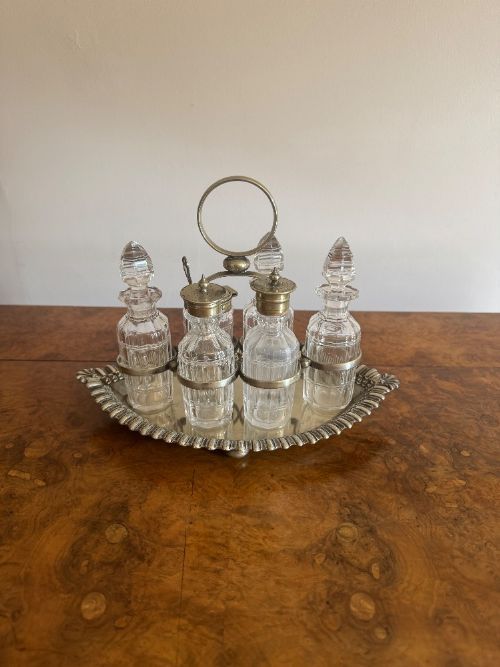
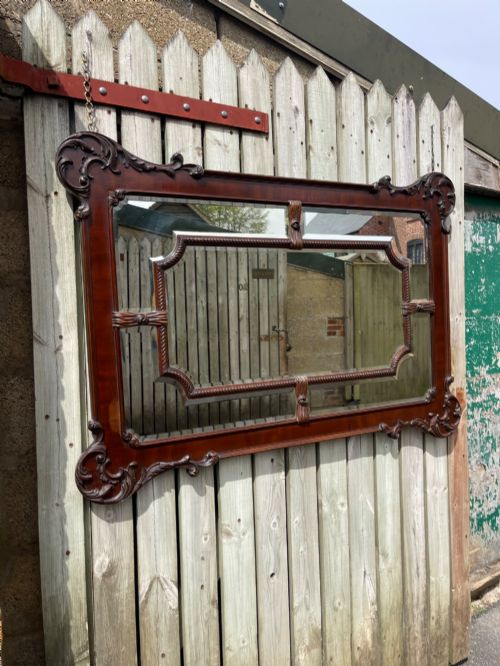
A victorian plate frame encompasses silver plated stands, mounts, and holders that house glass decanters, cruet bottles, and mirror plates. The term frequently leads buyers to elaborate table stands, tantaluses, and framed wall mirrors dating from the nineteenth century.
Most items you meet combine a durable metal base or border with functional glass elements, such as cut crystal decanters or bevelled mirror glass. These pieces span standard domestic items like six bottle cruet sets and large overmantel mirrors.
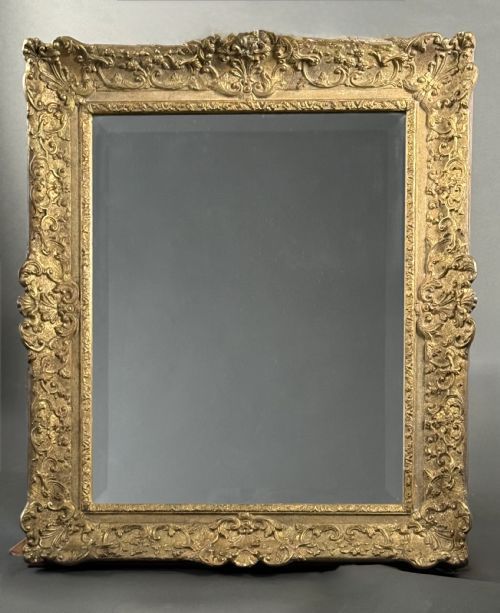
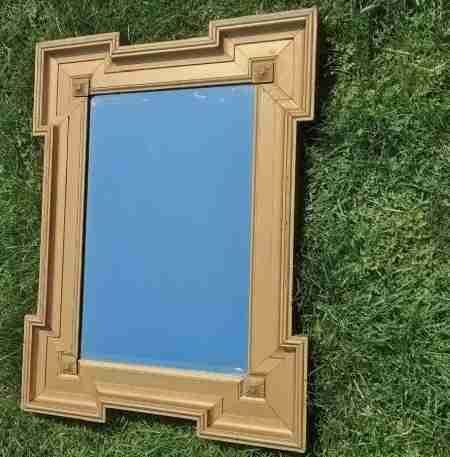
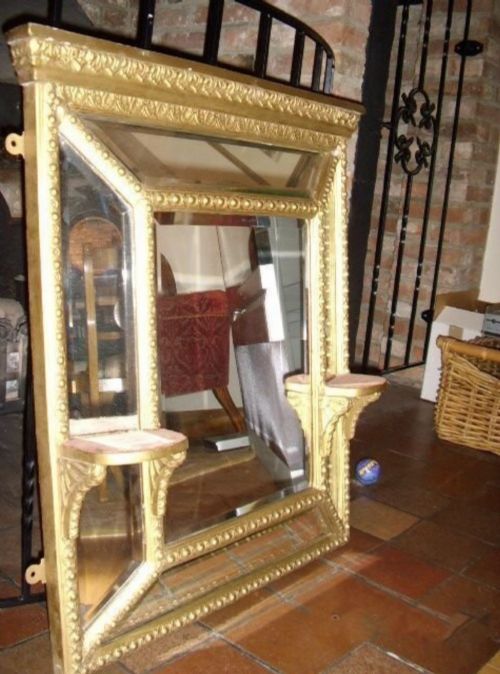
Origins stretch across the Victorian and Edwardian periods, utilising styles from Rococo Revival to simple classical designs. Makers utilised timber frames like mahogany alongside giltwood and gesso to house the reflective glass plates.
Materials and construction methods
Silver plating forms the structural and decorative core for many bottle stands and condiment holders, applied over a base metal. Smiths shaped frames through casting and chasing to produce elaborate floral and rope motifs.
Wood framing relies on dense timbers like mahogany, oak, and coromandel, often paired with carved gilt gesso. Mirror plates and decanters feature hand cut glass and crystal with deep bevelling.
Makers integrated brass hooks, bamboo supports, and ceramic elements into the frames to create secure housings for delicate glass vessels.
Victorian Plate Frame Retail Price Guide 2026
Typical asking prices for victorian plate frame among the pieces listed under this phrase on Sellingantiques today, from the lower quarter to the upper quarter. They describe what is for sale here now, not the wider market.
Listings feature items spanning the 1860s through the Edwardian era, incorporating silver plate, cut crystal, mahogany, and gilt gesso.
Distinctions in quality
Superior examples display crisp, deep casting in the silver plate and retain original glass inserts that match the exact contours of the frame. Inferior items show worn plating that exposes the base metal and replacement glass bottles of mismatched dimensions.
The precision of the woodwork and the depth of the bevelling on mirror plates separate standard items from superior pieces. Original components, from stoppers to strikers, command higher regard than assembled or later replacements.
Walker & Hall·Mappin Brothers·Hardy Brothers·Elkington·Atkin Brothers·The Goldsmith Co.
The Victorian Plate Frame Glossary
- Silver plate
- A thin layer of silver fused to a base metal to give the appearance of solid silver. This technique became widespread during the nineteenth century for tableware and frames.
- Cruet set
- A collection of glass bottles for oil, vinegar, salt, and pepper fitted into a dedicated frame or stand. These sets often use silver plated mounts with handle grips.
- Giltwood
- Timber that has been coated with a thin layer of gold leaf. It appears frequently on nineteenth century mirror frames.
- Gesso
- A plaster based material applied to wooden frames before gilding or painting, allowing for deep moulded relief decoration. Artisans carved and shaped the surface to form decorative motifs.
Victorian Plate Frame: Frequently Asked Questions
What is a silver plated tantalus?
A silver plated tantalus is a locking drinks cabinet frame that holds decanters securely in place. It keeps spirits locked away while displaying the cut glass through the metal framework.
The metal frame usually includes a swing handle and a hinged bar that drops over the decanter stoppers. When locked, the bottles cannot be removed without a key.
How do you clean a victorian plate frame?
Cleaning requires a soft cloth and a gentle silver polish designed for plated items. Avoid harsh scrubbing that can wear through the thin silver layer down to the base metal.
Wooden or gesso sections need dusting with a dry cloth to protect the gilt finish. Keep moisture away from the joins where the frame meets the mirror glass.
Are cruet sets complete with original bottles?
Many surviving cruet sets retain their original cut glass bottles, though replacements occur frequently over time. Matching glass patterns and snug fits within the frame indicate original components.
Examining the bases of the glass bottles helps determine if they match the wear patterns on the silver plated stand. Complete sets with matching stoppers hold greater interest for collectors.
How do you date a gesso wall mirror?
Dating a gesso wall mirror involves looking at the backboards, fixings, and the composition of the frame itself. Nineteenth century frames often use heavy timber foundations covered in moulded gesso relief.
Bevvelled glass edges and original backing paper or tax stamps offer further clues to the decade of manufacture. Earlier pieces lean toward classical motifs, while later versions adopt simpler or revival styles.