



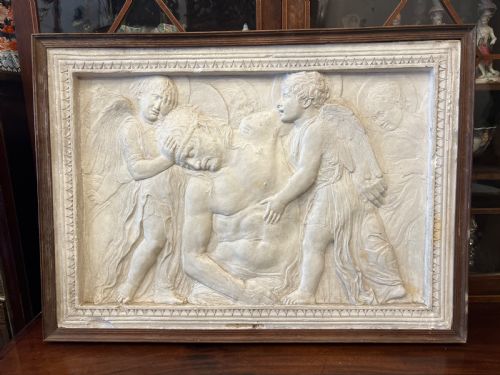
Victorian Plaster Sculpture
These Victorian plaster sculpture pieces bring neoclassical grandeur and academic realism into your rooms.
Victorian Plaster Sculpture
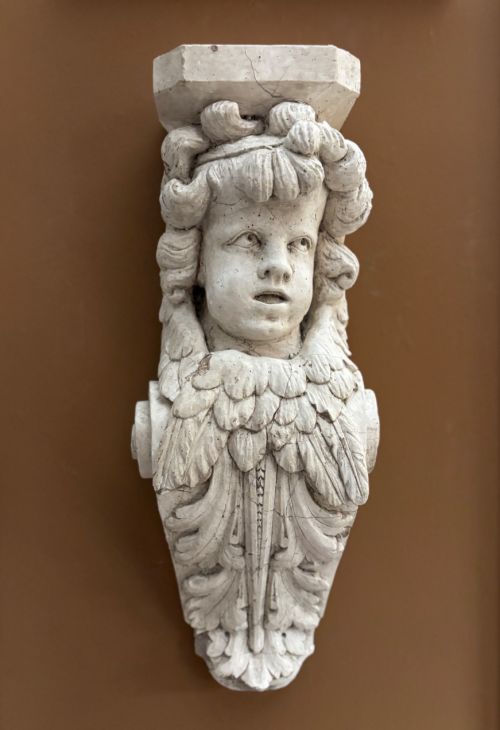
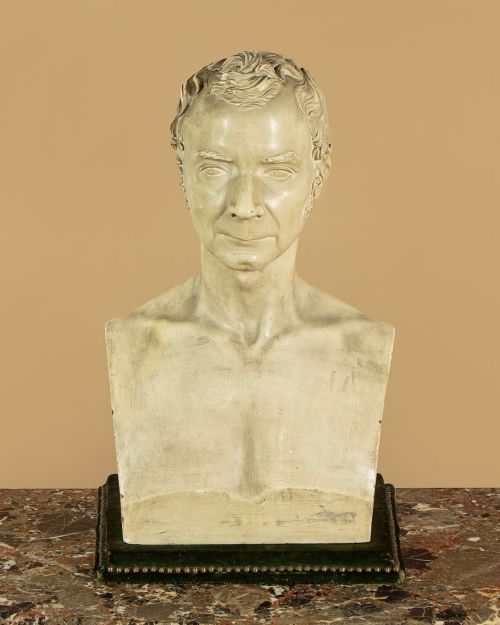
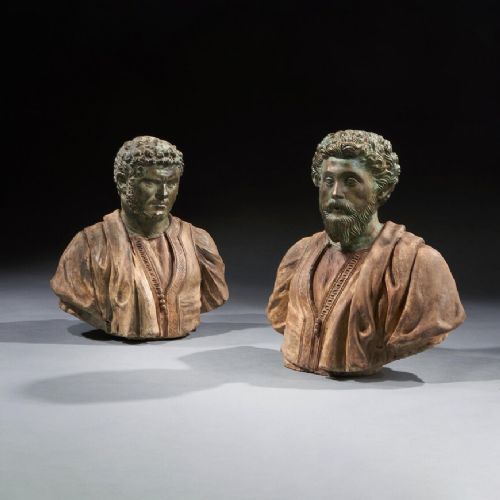
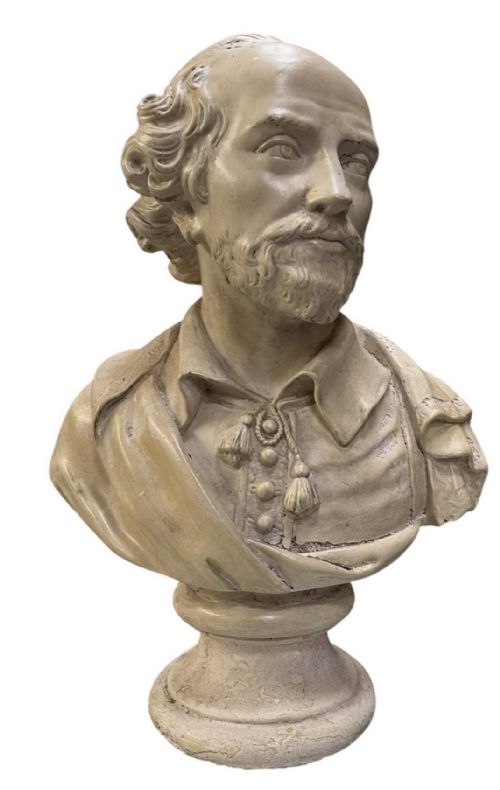
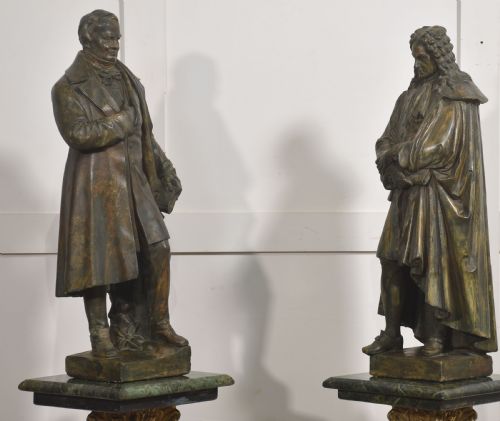
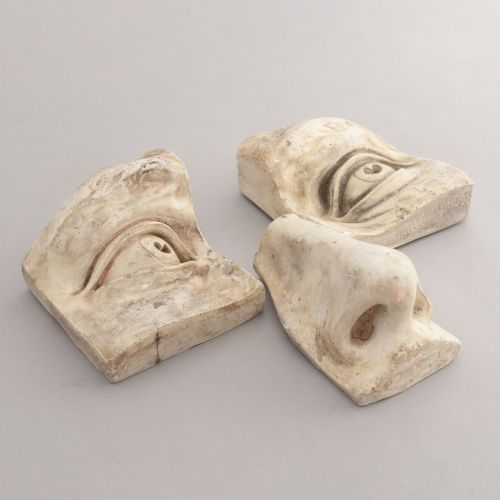
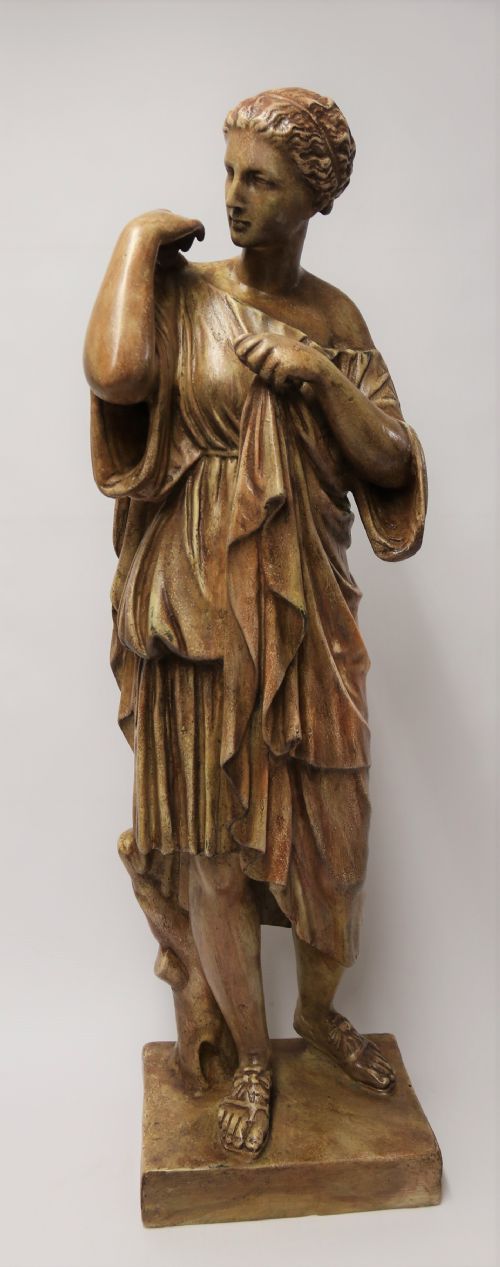
Victorian plaster sculpture encompasses a rich variety of decorative and academic works produced during the nineteenth century, ranging from portrait busts of historical figures to classical casts and architectural corbels. You will frequently encounter classical subjects, mythological figures such as Diana the Huntress, and portraits of gentlemen or emperors modelled after antiquity.
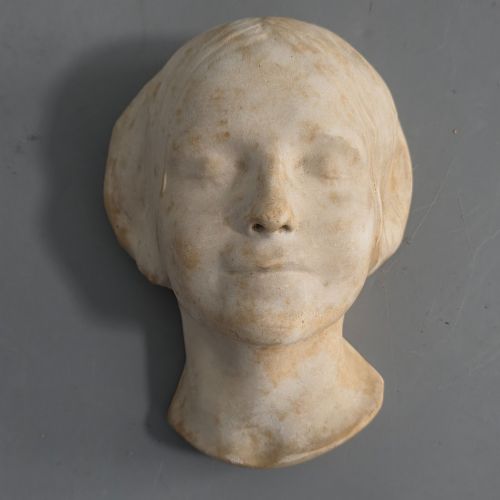
The selection includes specialised forms such as death masks, religious shadowboxes, and ornamental wall brackets alongside standalone figures of animals and literary characters like Shakespeare. These pieces reflect the period's intense appetite for classical learning, sculptural copywork, and academic realism in domestic and institutional interiors.
Materials and Technique
The primary medium is plaster, often reinforced or finished to imitate heavier and more costly materials such as bronze, stone, terracotta, and alabaster. Workshops utilised skilled moulding and casting techniques, sometimes working directly from classical antiquities or contemporary studio models to achieve high fidelity.
Surface treatments play a vital role in defining the final appearance, utilising paint, pigment, and patination to create metallic bronzed effects or polychromed surfaces. Wood and composition elements occasionally support wall brackets and architectural fragments, adding structural stability to heavier wall-mounted casts.
Materials across this selection include plaster, paint, terracotta, pigment, wood, composition, alabaster, and stone.
Judging Quality
Quality in these sculptures rests upon the crispness of the modelling and the sensitivity of the finishing work, which separates workshop run-of-the-mill casts from master copies. Superior examples retain fine facial detailing, sharp drapery folds, and careful hand-finishing that respects the intentions of the original sculptor.
The sophistication of the patination or polychromy dictates visual success, where subtle pigment application or convincing bronzing elevates a simple cast into a striking decorative object. The reputation of the studio or maker also influences standing, as does the ambition of the subject matter, such as large-scale historical figures or complex paired busts.
Raffaelo Monti·Dopmeier·D. Brucciani and Co·Antoine-Felix Boure
The Victorian Plaster Sculpture Glossary
- Plaster Cast
- A copy of a sculpture produced by pouring liquid plaster into a mould taken from an original work. These objects were essential for study and domestic decoration during the nineteenth century.
- Patinated
- Treated with chemicals or pigments to simulate the aged surface of bronze or metal. This finish was commonly applied to plaster to give a heavier, more durable appearance.
- Corbel
- A structural or decorative bracket jutting from a wall to support a weight. In nineteenth-century interiors, these often took figural form such as putti.
- Polychromed
- Painted or decorated in several colours. This technique brought a lifelike or ornamental richness to plaster figures.
- Death Mask
- A cast taken of a person's face after death, usually in plaster. They served as mementos or bases for portrait sculpture.
Victorian Plaster Sculpture: Frequently Asked Questions
Were these made as art or decoration?
Nineteenth-century plaster sculptures served both educational and decorative functions, functioning as affordable art for middle-class homes and study aids for artists.
Many pieces are reductions of famous classical or Renaissance monuments, brought home by travellers or purchased from specialist London and continental formatters.
How can I date a plaster bust?
Dating relies on the style of the mounting, the characteristics of the surface patination, and any maker stamps or signatures impressed into the plaster.
Mid-nineteenth-century pieces often display neoclassical austerity, while later decades embraced elaborate orientalist polychromy or realistic academic portraiture.
Are wall brackets weight-bearing?
Plaster wall brackets and corbels are primarily decorative architectural ornaments rather than structural load-bearing supports.
They should be secured properly to wall studs if holding light objects, but heavy weights will damage the plaster composition.