



Victorian Plaster Mirror
A victorian plaster mirror brings a grand nineteenth-century focal point to any room, combining heavy moulded ornament with reflective glass.
Victorian Plaster Mirror
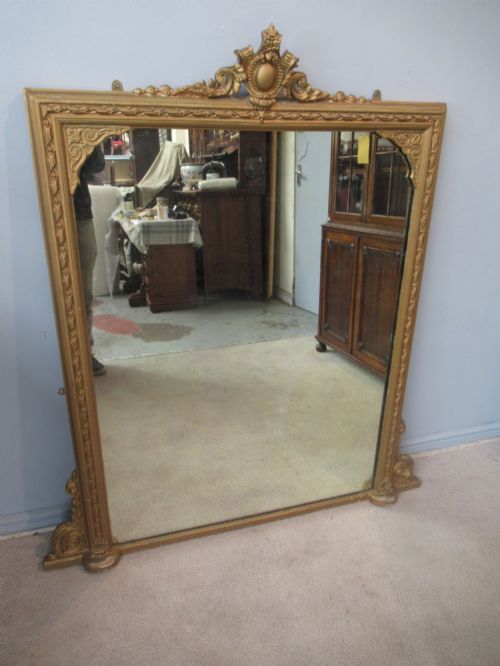
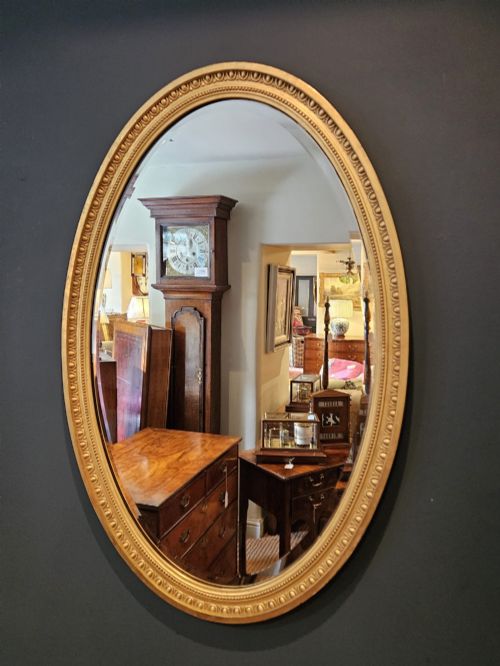
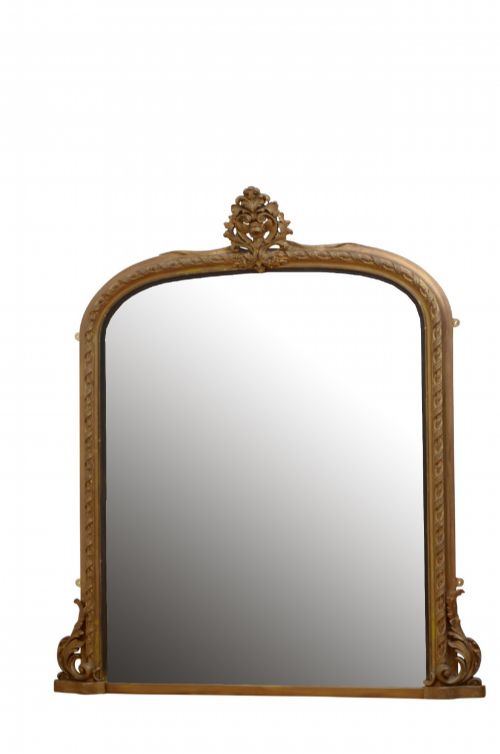
Most examples rely on plaster, composition, or gesso over a timber base to carry intricate decorative moulding. Gilt finishes dominate the available pieces, bringing bright or mellowed gold tones to domestic interiors.
Pieces range from compact oval frames to very large arched overmantels built for high chimney breasts. These wall mirrors and picture frames demonstrate the varied aesthetic preferences of the nineteenth century, moving through distinct decades of design.
Construction and Materials
Makers built these frames using a wooden carcass overlaid with plaster or composition mouldings to achieve deep, complex relief. Artisans then applied gold leaf or gilt finishes directly over the prepared surfaces to create a luminous metallic sheen.
Glass plates were silvered and set within the heavy frames, often secured at the rear with traditional wooden backing boards. The combination of timber, applied composition ornament, and metallic leaf resulted in durable yet immensely heavy hanging pieces.
Victorian Plaster Mirror Retail Price Guide 2026
Typical asking prices for victorian plaster mirror among the pieces listed under this phrase on Sellingantiques today, from the lower quarter to the upper quarter. They describe what is for sale here now, not the wider market.
Some frames bear tiny workshop numbers stamped into the plaster, offering a quiet nod to the Victorian hands that shaped them.
Factors That Separate Quality
The crispness of the moulded ornament distinguishes finer pieces from simpler production, particularly where scrollwork, floral motifs, or classical details meet sharp corners. Superior frames retain a high level of hand-finishing in the plaster relief before gilding takes place.
The depth of the gold leaf application and the character of the underlying preparation layers affect how the surface catches the light over time. Richer patination and intact heavy framing indicate better original materials and superior workshop standards.
The Victorian Plaster Mirror Glossary
- Gesso
- A plaster-like mixture applied to wood frames to create a smooth base for gilding. It allows for delicate surface carving and detailed moulding.
- Composition
- A moulded mixture of whiting, resin, glue, and oil pressed into ornamental shapes. Makers used this material to achieve repeatable decorative motifs on large frames.
- Overmantel mirror
- A large wall mirror specifically designed to hang above a fireplace mantelpiece. These pieces often feature arched tops to fit architectural proportions.
- Giltwood
- Timber that has been coated in gold leaf or gold paint. It provides the luxurious metallic finish characteristic of nineteenth-century reception rooms.
Victorian Plaster Mirror: Frequently Asked Questions
Where should I hang an overmantel mirror?
These large mirrors traditionally sit directly above a fireplace to reflect light and anchor the room's proportions. They also work effectively on expansive hallway walls where heavy furniture balances their scale.
Ensure the wall construction and fixings can support substantial weight, as nineteenth-century plaster and wooden frames are remarkably heavy. Professional installation using secure brackets prevents movement and protects the frame structure.
How do I clean a gilt plaster frame?
Dust the ornate mouldings gently with a soft, dry brush to prevent dirt accumulation in the deep recesses. Avoid using wet cloths, chemical sprays, or abrasive cleaners that can damage the delicate gold leaf or composition surface.
Keep the mirrors away from direct moisture and extreme temperature fluctuations to protect the plaster substrate and the wooden backing boards. Gentle, regular dusting preserves the original metallic finish without wearing away the gilding.
What styles are common in nineteenth-century mirrors?
The inventory encompasses rococo revival curves, neoclassical symmetry, and flowing art nouveau lines. Each style reflects the evolving decorative tastes of the Victorian era, ranging from restrained rectangular profiles to exuberant arched forms.
Makers drew inspiration from earlier French chateau designs as well as contemporary aesthetic movements. This variety allows buyers to match the mirror's ornamentation to specific interior periods.