

Victorian Planter
A victorian planter brings nineteenth-century horticulture indoors, holding ferns and palms in brass, copper, or cast iron.
Victorian Planter
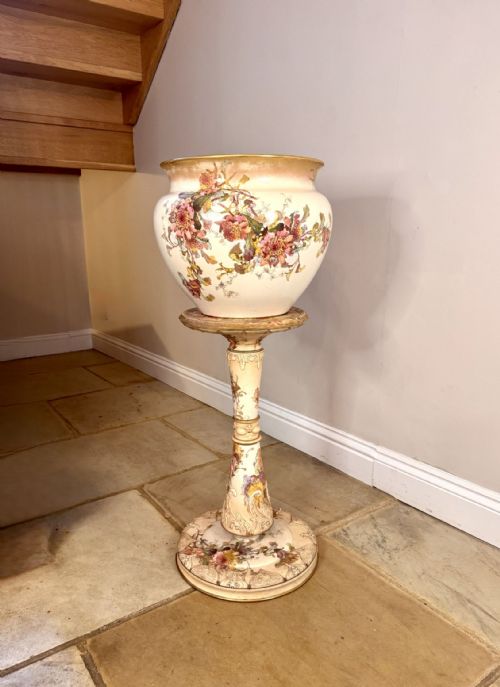
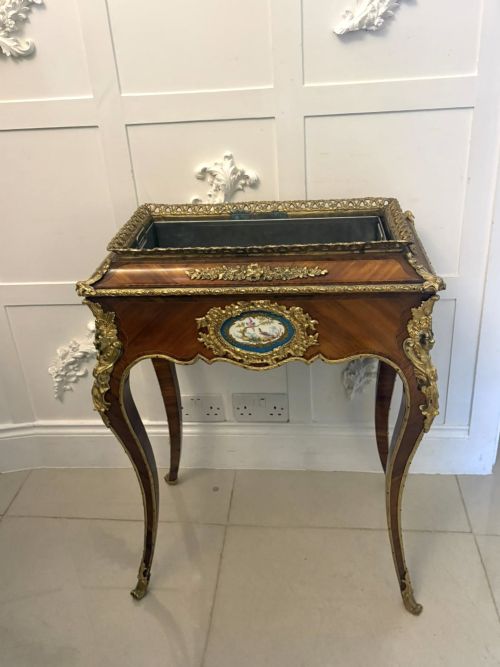
A victorian planter encompasses jardinieres, garden urns, plant stands, log bins, and cachepots made during the nineteenth century and around nineteen-thirty. These items accommodated large indoor palms and flowering plants in domestic parlours and conservatories.
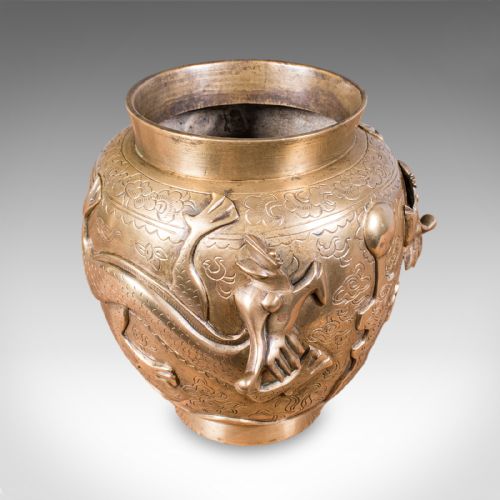
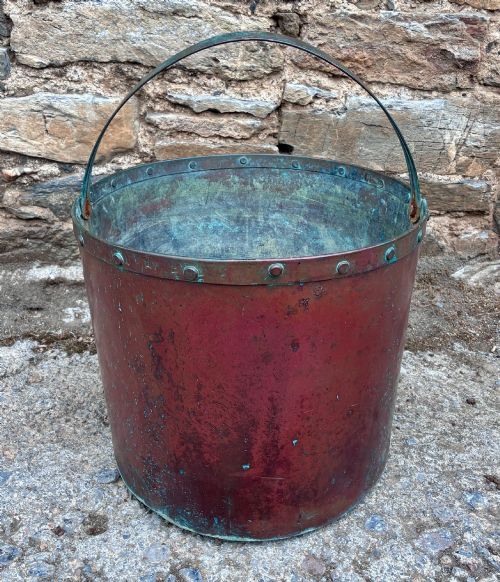
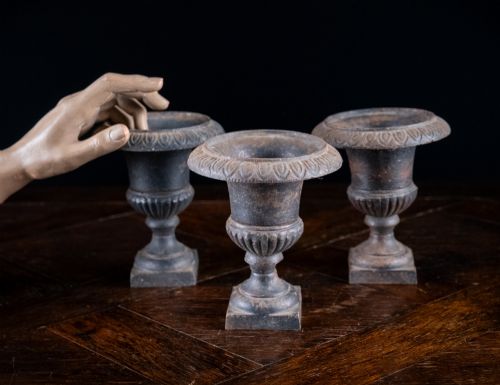
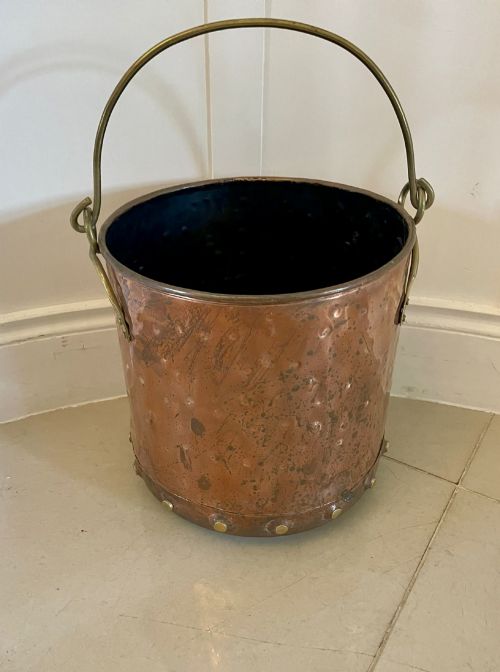
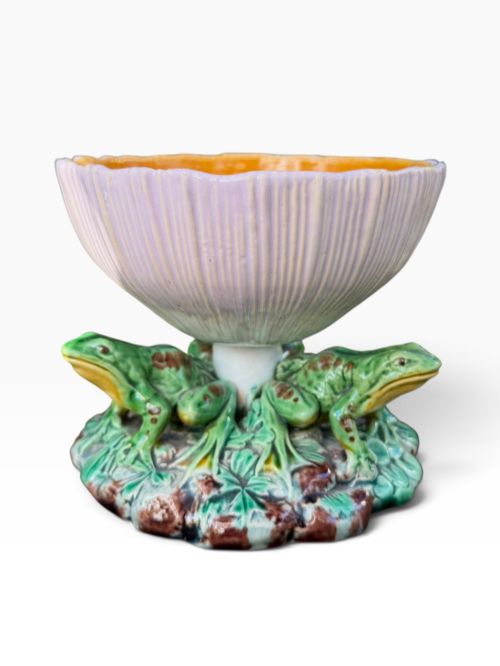
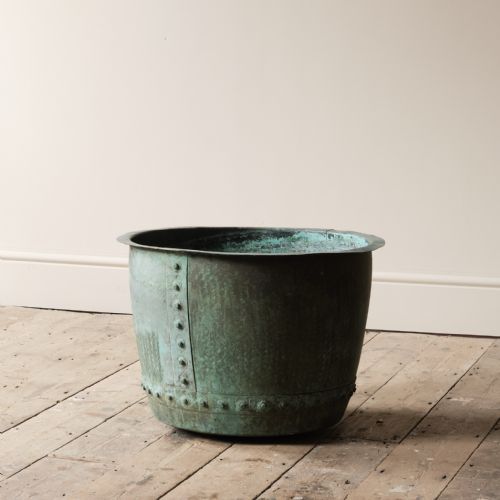
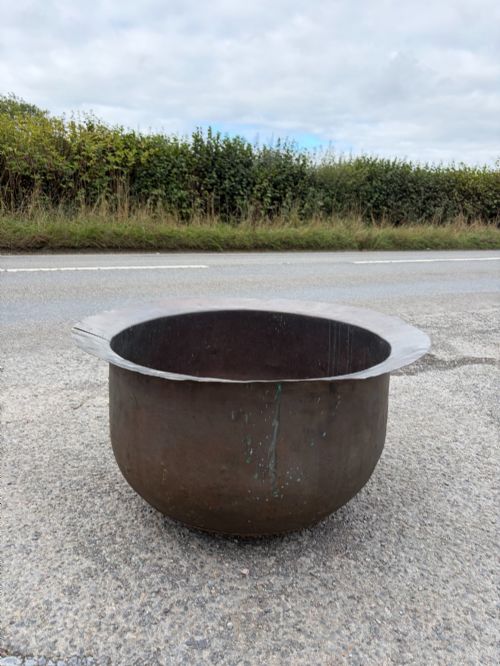
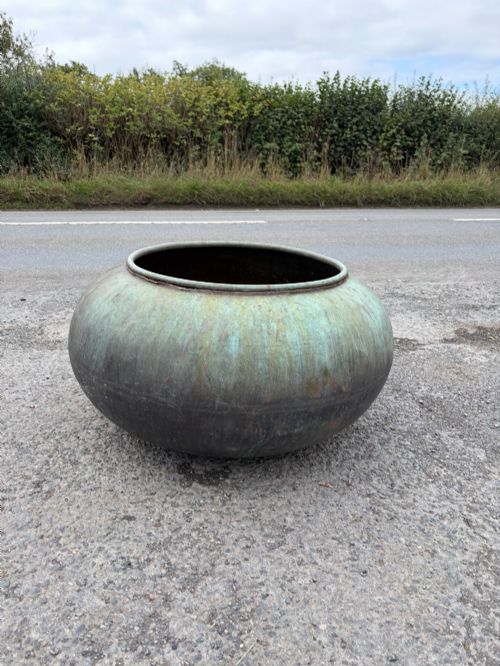
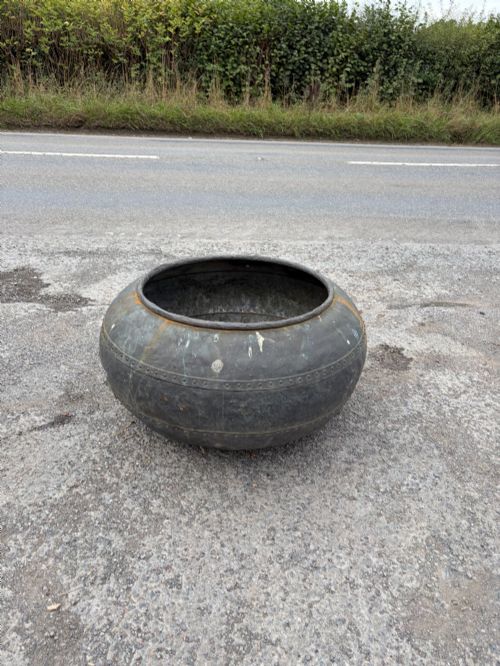
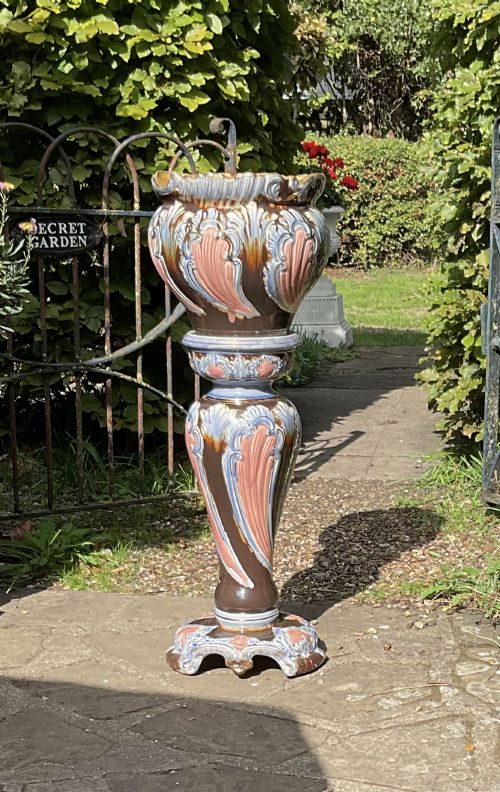
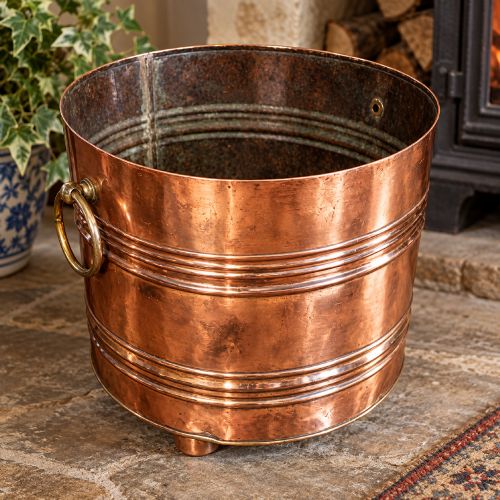
The versions met most frequently on this page include brass and copper vessels alongside cast iron garden urns and salt-glazed stoneware. Forms range from heavy riveted coal buckets repurposed for foliage to pedestal-mounted majolica bowls and campana shapes.
Origins span British workshops, French foundries, and colonial centres, demonstrating styles from rustic country to neoclassical and orientalism. Makers such as Minton and Coalbrookdale produced specialised ceramic and iron wares for domestic and garden use.
How they were made
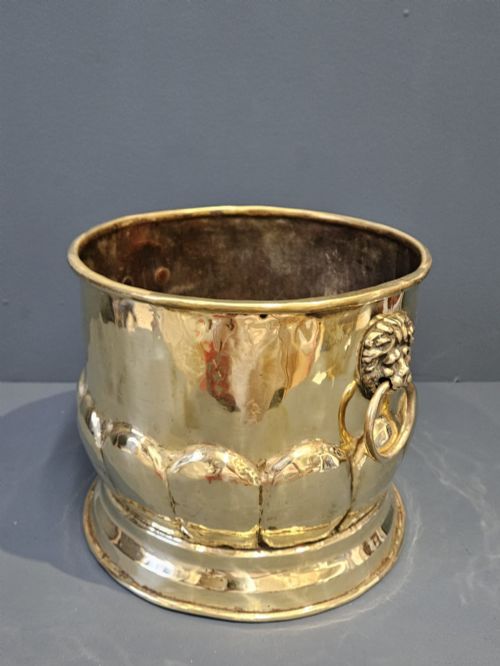
Metal vessels combine hammered or riveted sheet copper and brass with applied cast mounts, handles, and paw feet. Iron pieces utilise heavy cast iron and wrought iron, often finished with paint or left to weather.
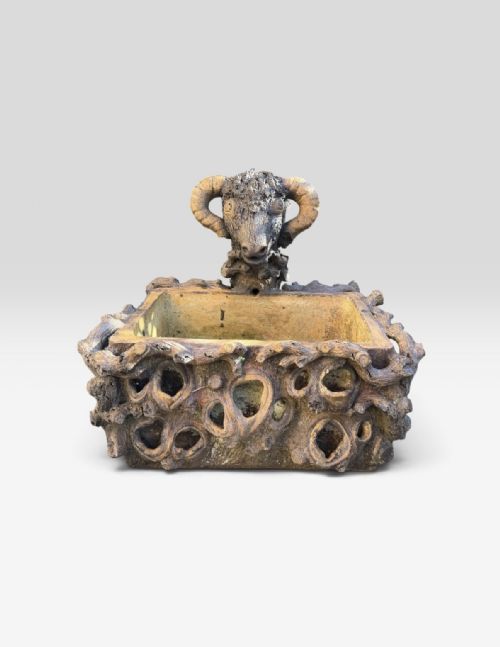
Ceramic examples employ earthenware, majolica glazes, and salt-glazed stoneware moulded into bamboo motifs, campana urns, or troughs. Faux bois techniques imitate natural wood using concrete or terracotta for garden settings.
Listings feature nineteen-century materials including brass, copper, terracotta, cast iron, and salt-glazed earthenware across various decorative styles.
What varies in quality
The standard of a victorian planter rests on the weight of the metal and the crispness of the casting or moulding. Heavier gauge copper with hand-riveting and detailed brass lion-mask mounts signify superior manufacture compared to thinner utilitarian buckets.
Ceramic quality shows in the depth and vibrancy of majolica glazes and the botanical precision of moulded reliefs such as bamboo or foliage. Original matching pedestals and stands elevate the status of urns and jardinieres.
Minton·Coalbrookdale·Wemyss·Doulton Lambeth
The Victorian Planter Glossary
- Jardiniere
- An ornamental ceramic or metal pot designed to hold a plant or flower arrangement. These vessels typically sit on tabletops or dedicated pedestals.
- Campana urn
- A bell-shaped garden vessel originating in classical antiquity and revived during the nineteenth century in cast iron or stone. They rest upon square plinths and hold trailing plants.
- Majolica
- A type of earthenware coated with an opaque tin-lead glaze and painted with metallic oxide colours. Victorian potteries used this technique for brightly coloured plant bowls.
- Cachepot
- A decorative outer pot that conceals a plain growing container inside. Brass and copper examples frequently serve this protective function on wooden furniture.
- Salt-glazed stoneware
- Pottery fired at high temperatures with salt thrown into the kiln to produce a vitreous, pebble-textured surface. This impermeable material suits water filtration fountains and troughs.
Victorian Planter: Frequently Asked Questions
What is a victorian planter used for?
These vessels held large potted palms, ferns, and flowering plants inside nineteenth-century homes and conservatories. Many served multiple domestic functions as coal bins, log buckets, or wine coolers.
Water management relied on inner liners or saucers since drainage holes were omitted to protect interior floorboards and carpets.
How do I clean brass and copper?
Maintain metal surfaces by dusting regularly with a soft cloth to prevent grime accumulation. Avoid aggressive commercial dips that strip aged patination.
Leave historic patination intact, as collectors value the darker oxidised surfaces acquired over a century of use.
Are cast iron urns frost proof?
Nineteenth-century cast iron handles outdoor conditions well, though standing water freezing inside can crack older metal. Position urns on stone pedestals to keep bases clear of damp soil.
Apply protective coatings if kept outside year-round to prevent active rust formation.