

Victorian Pink Glass
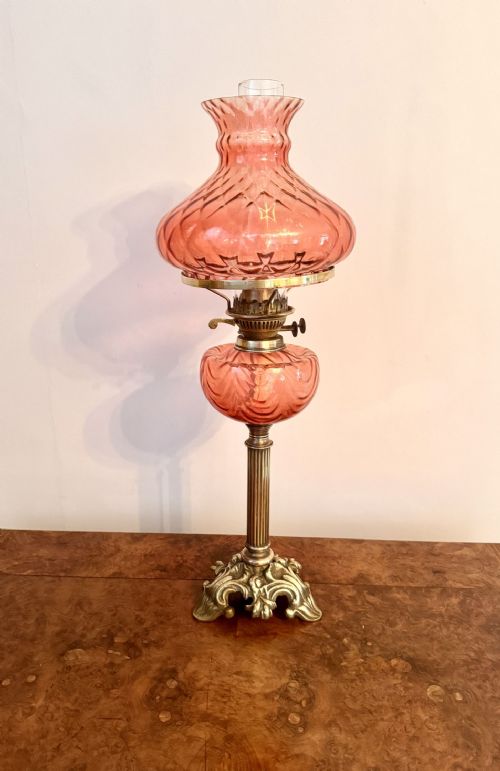
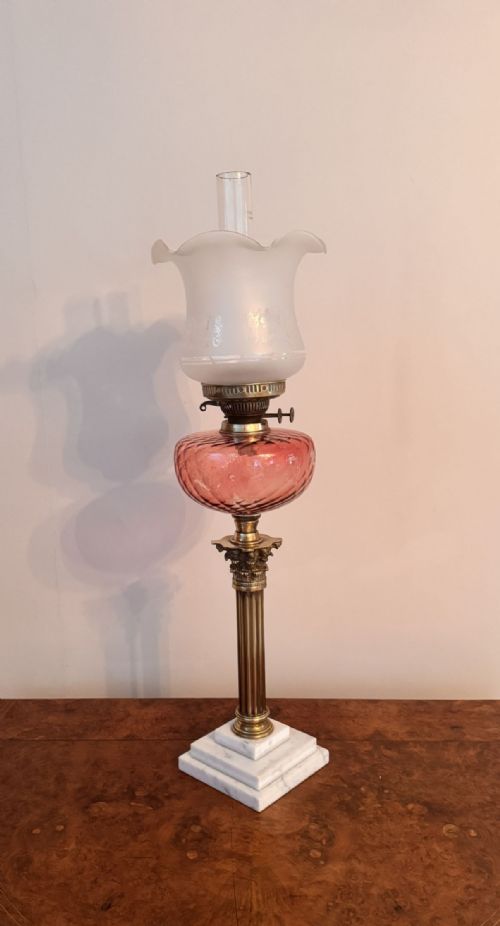
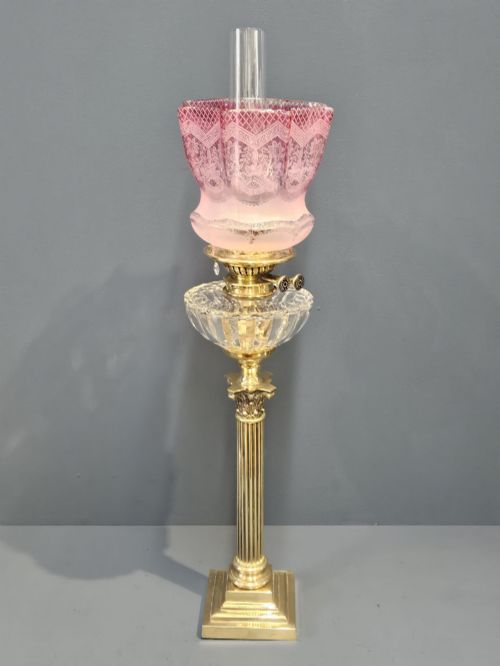
Victorian pink glass brings together decorative vessels and lighting, formed in vibrant hues that capture the aesthetic taste of the nineteenth century.
Victorian Pink Glass
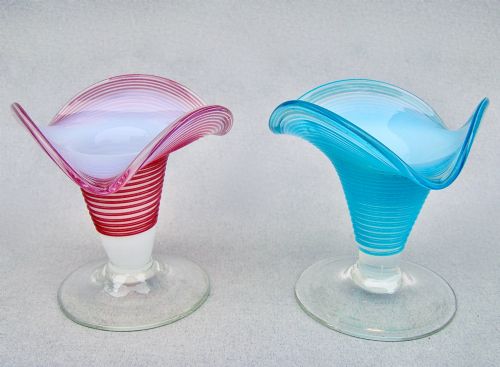
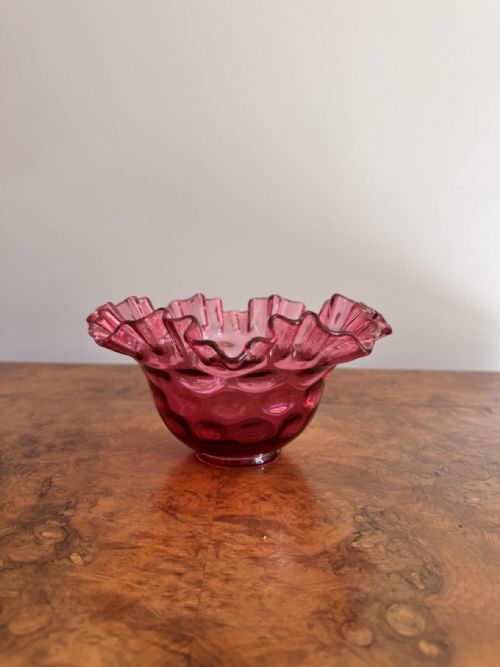
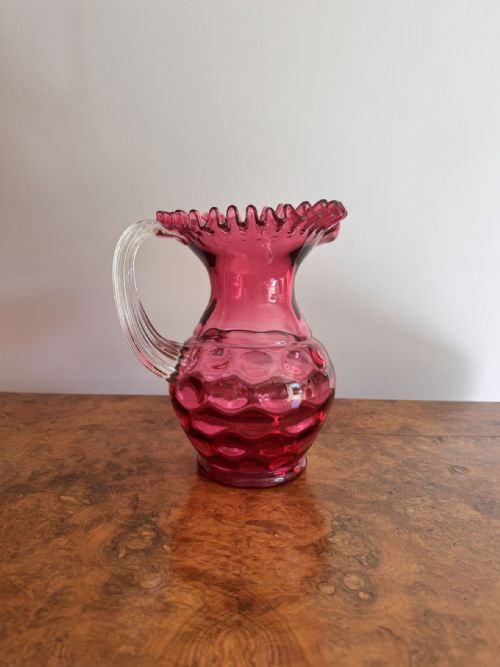
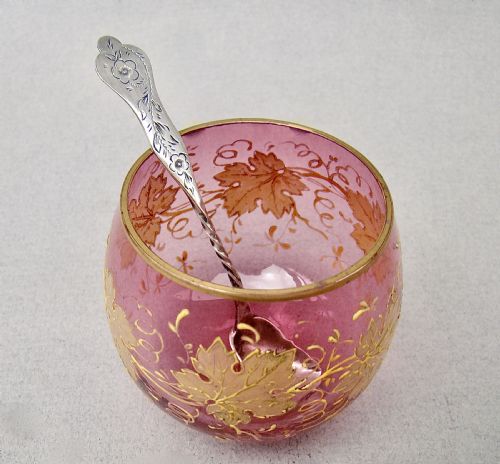
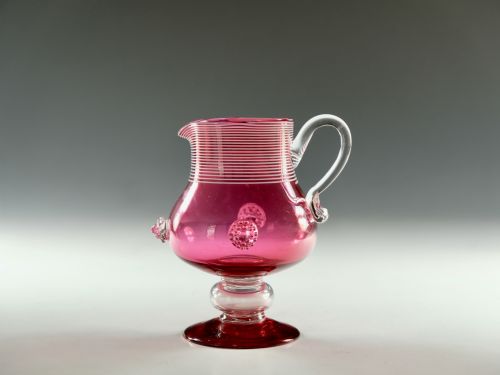
Vessels on this page often appear in rich cranberry or pale salmon tones, alongside cased glass and opaline varieties. Forms range from towering epergnes and lustres to everyday cream jugs and wine glasses.
Many examples incorporate contrasting mounts in brass, silver, or gilt decoration, reflecting the diverse manufacturing centres of England, Bohemia, and France during the Victorian period.
Materials and techniques
Glassmakers achieved the distinctive pink and cranberry coloration through the addition of gold chloride or copper oxide to the molten batch. Artisans then shaped the vessels using traditional glassblowing techniques, often casing layers of coloured and clear glass together to build depth.
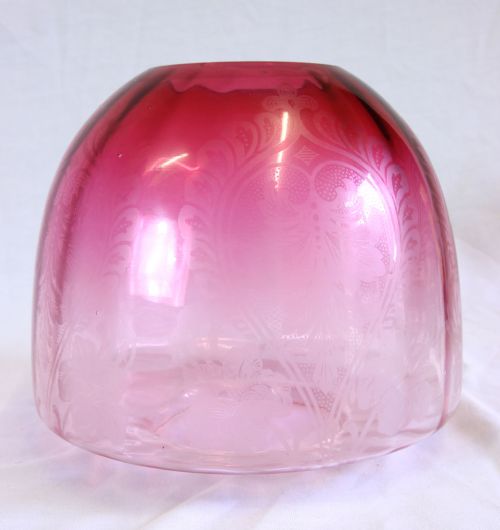
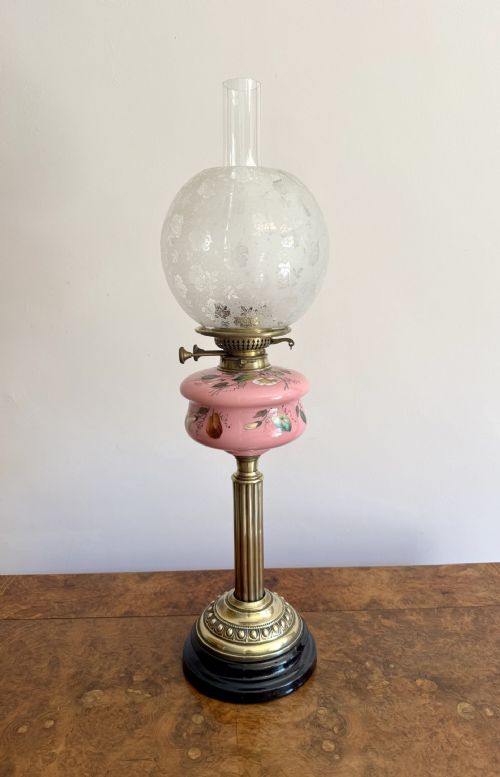
Surface ornamentation involved hand-painting with enamel, gold leaf application, or intricate acid-etching. Many items were subsequently combined with structural elements in brass, or fitted with silver mounts by specialist silversmiths.
Certain decorative pieces utilised cut glass methods, slicing facets into the outer layer of pink glass to reveal the lighter material beneath.
Victorian Pink Glass Retail Price Guide 2026
Typical asking prices for victorian pink glass among the pieces listed under this phrase on Sellingantiques today, from the lower quarter to the upper quarter. They describe what is for sale here now, not the wider market.
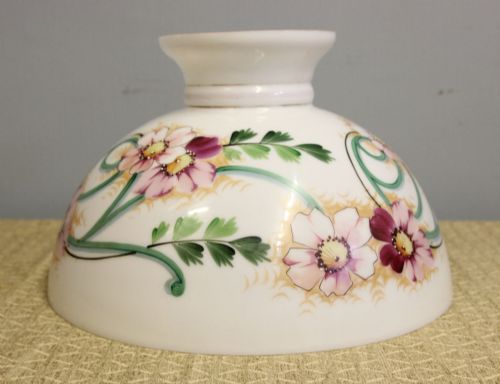
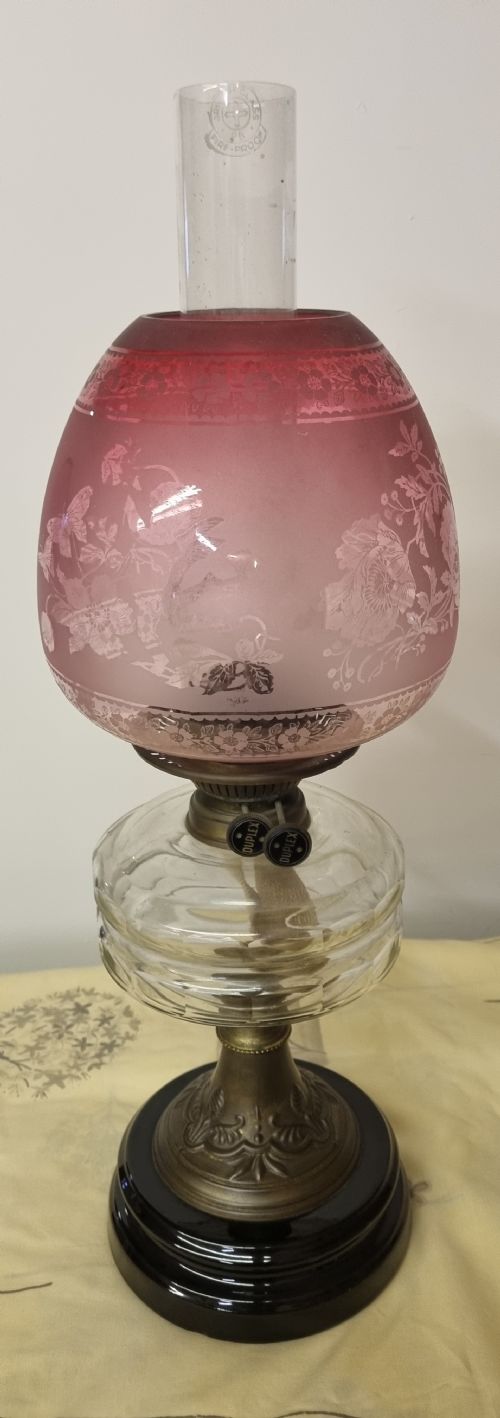
Some Victorian oil lamps paired bright pink shades with ceramic owl bases, bringing a watchful bird into the parlour.
Markers of quality
Quality in these items rests upon the depth of the glass colour, the precision of hand-applied enamel or gilding, and the crispness of any cut facets. Superior pieces display even saturation throughout the body without heavy bubbles or cloudiness.
The standard of associated metalwork plays a crucial role in the overall execution. Heavy cast brass, hallmarked silver mounts, and intact porcelain or ceramic components elevate the construction above standard commercial production.
Objects retaining their original matching shades, fonts, or associated stoppers demonstrate superior preservation and historical integrity.
Henry Bourne·Mappin and Webb·Levi and Salaman·Bentjemann and Sons·Hinks and Son
The Victorian Pink Glass Glossary
- Cranberry glass
- A transparent red-pink glass coloured with gold, widely produced during the nineteenth century for tableware and decorative items.
- Lustres
- Mantelpiece ornaments featuring a central vase hung with long glass prisms that refract light.
- Epergne
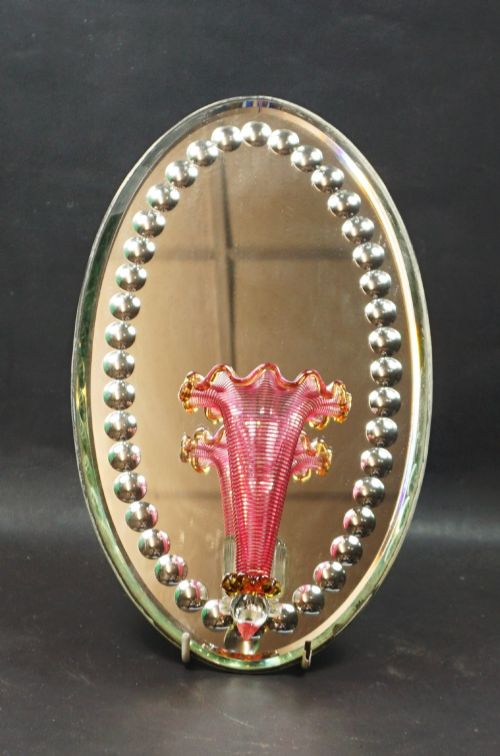
- A large table centrepiece featuring multiple detachable horns or baskets branching from a central bowl for holding flowers or fruit.
- Vaseline glass
- A yellow-green or pink glass containing uranium dioxide, which glows under ultraviolet light.
- Chatelaine scent bottle
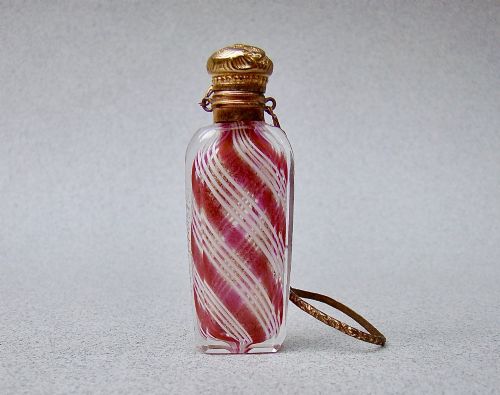
- A small perfume flask attached to a decorative belt hook, often mounted in silver or ormolu during the Victorian era.
Victorian Pink Glass: Frequently Asked Questions
How do I clean antique glass?
Wash pieces gently by hand in warm water using a mild detergent, avoiding abrasive sponges or harsh chemicals that might damage hand-painted enamel or gilt details.
Dry each item thoroughly with a soft lint-free cloth to prevent water spots, taking extra care around delicate components like prisms or applied glass threads.
Were these oil lamps electrified?
Most oil lamps from this period were designed to burn paraffin or colza oil using a brass burner mechanism and a matching glass shade.
While many retain their original period burners, some have been adapted for modern domestic lighting by professional electricians without altering the antique glass font.
How can I tell cranberry glass from pink glass?
Cranberry glass relies on a specific gold-based formula that yields a rich, translucent berry hue, whereas other pink glass varieties may use different mineral compounds or feature opaque milk glass layers.
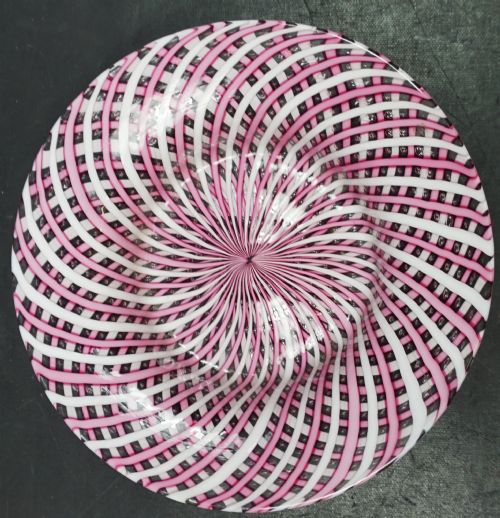
Cased glass examples often combine white and pink layers to create a soft pastel tone distinct from the deep saturation of standard cranberry pieces.
Can I use these items daily?
Items like wine glasses and jugs were built for functional use, though hand-washing remains essential to preserve their decorative surfaces.
More delicate decorative objects, such as scent bottles and lustres, are better suited for display on mantelpieces or within bijouterie tables.