


Victorian Pink Glass Shade
These Victorian pink glass shade selections bring a warm glow to period lighting, pairing rich tones with classic brass and iron bases.
Victorian Pink Glass Shade
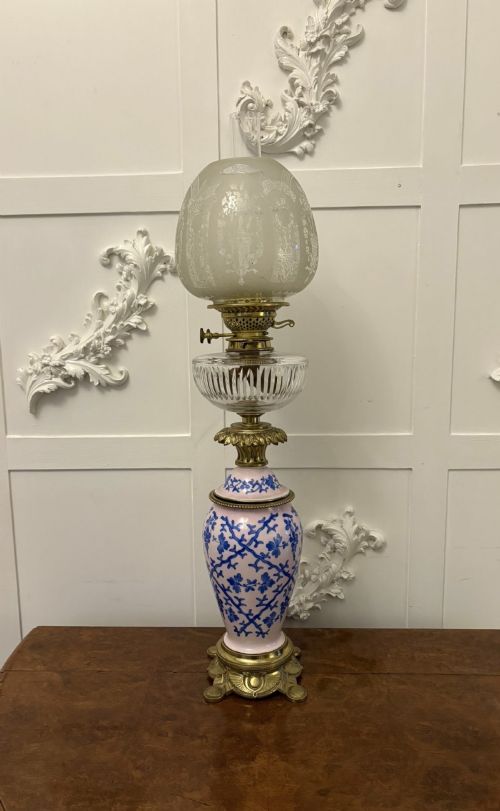
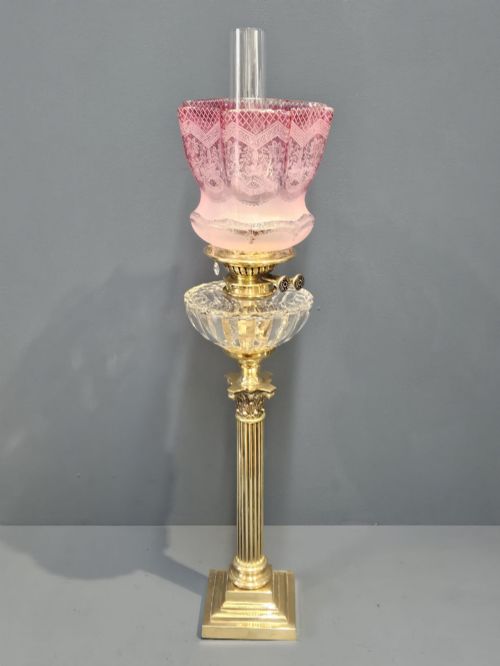
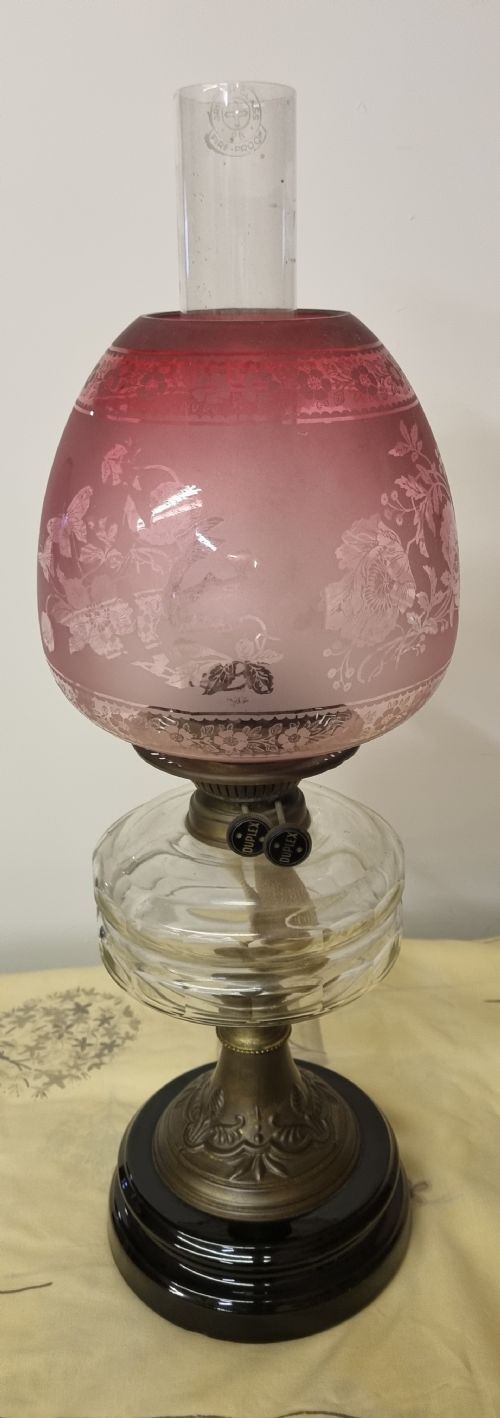
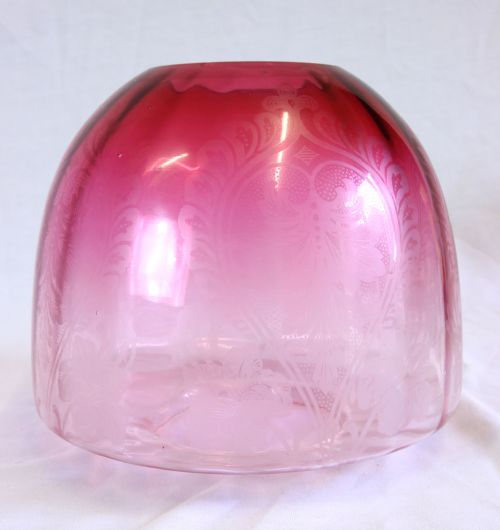
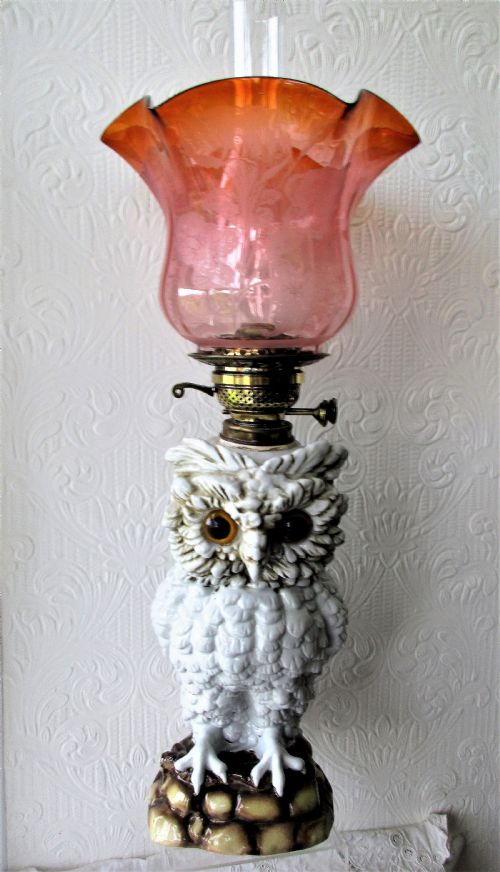
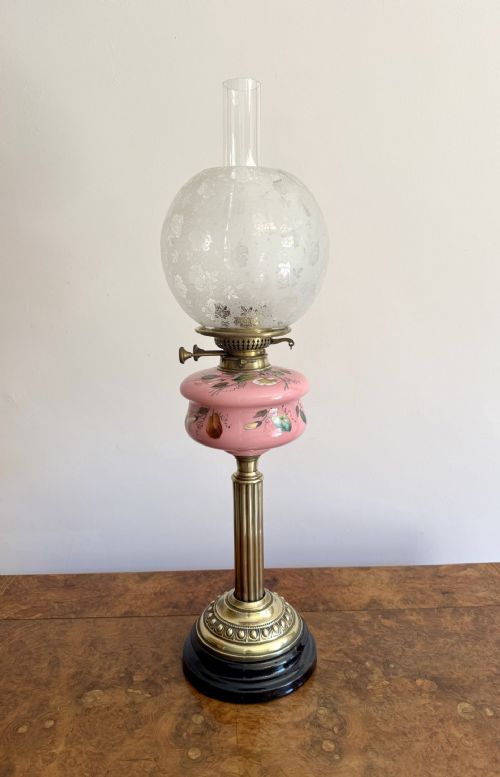
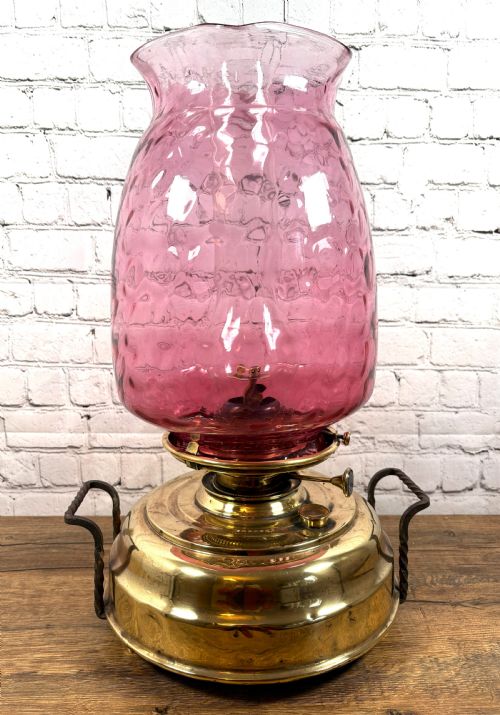
A Victorian pink glass shade sits atop oil lamps, chandeliers, and wall lights, providing the defining colour for nineteenth-century domestic illumination. Buyers hunting for a Victorian pink glass shade will find examples spanning the Victorian and Edwardian eras, often paired with brass columns or ceramic fonts.
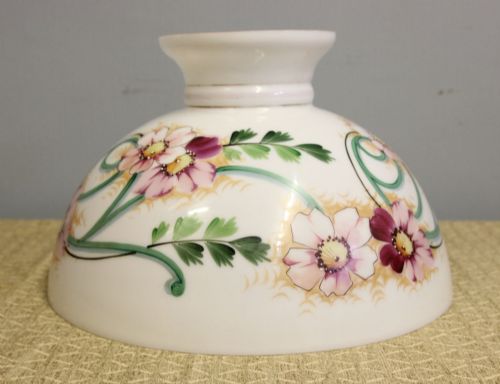
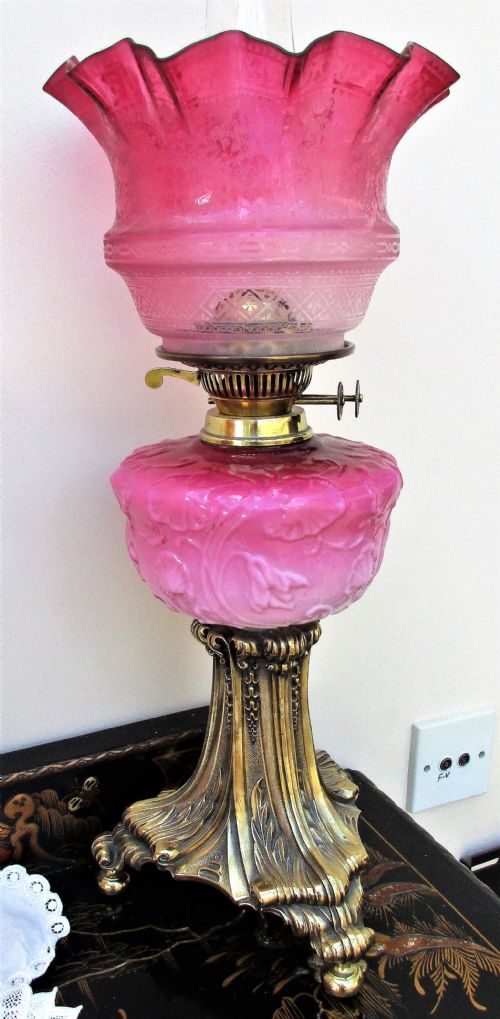
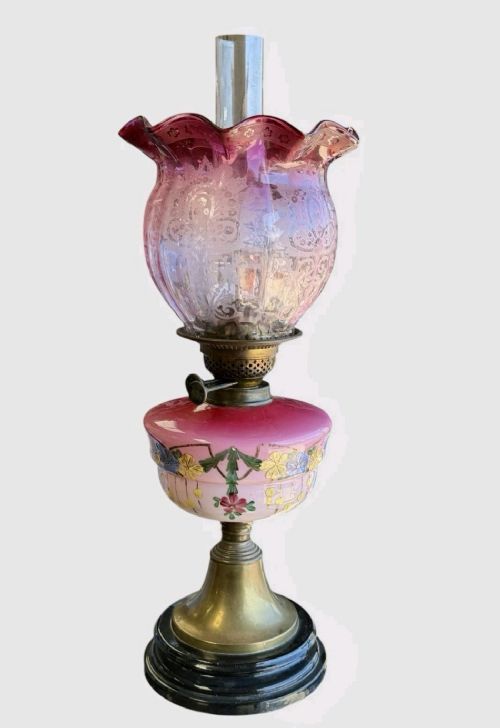
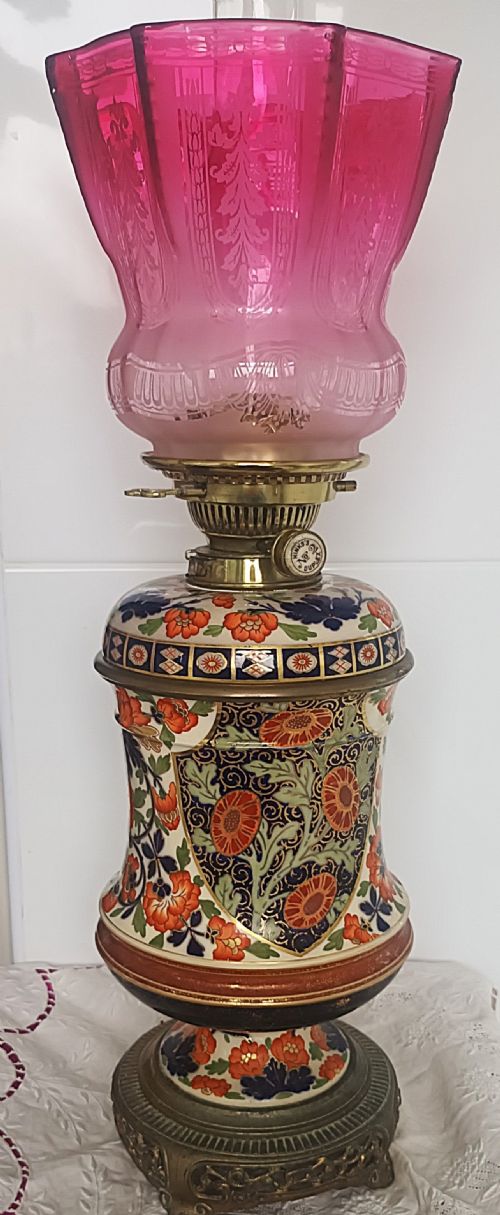
The selections on this page appear on table lamps, floor lamps, and hanging light shades, showing how these components completed household lighting. Most pieces combine brass and cranberry glass or opaline surfaces, reflecting the decorative preferences of the nineteenth and early twentieth centuries.
Manufacturing and Materials
Makers shaped these items using blown or moulded glass, incorporating metallic oxides to achieve deep pink and cranberry tones. Etched, frosted, and frilled surface treatments show how artisans manipulated the glass while hot or used acid to cut decorative patterns.
Brass mountings, ceramic fonts, and porcelain bodies provided the structural support for these glass components. Workshops utilised gilt brass, cast bronze, and hand-painted enamel to finish the oil lamp bases and ceiling fittings.
Listings feature items spanning the Victorian era through the Edwardian period and into the early twentieth century, combining brass, cranberry glass, and porcelain.
Assessing Quality
The standard of a piece rests on the depth of the glass colour and the crispness of any hand-painted or etched decoration. Heavier brass castings and finely detailed porcelain or ceramic fonts distinguish finer pieces from standard production items.
Proportion and integrity of the original components dictate the desirability of each lighting assembly. Graduations in the pink glass tone and the complexity of frilled or crimped edges separate standard items from superior examples.
Taylor Tunnicliff·Sitzendorf·Hinks
The Victorian Pink Glass Shade Glossary
- Cranberry Glass
- A rich pink or red transparent glass coloured with gold chloride during the melting process. This material defines many of the lamp shades and vessels found in nineteenth-century lighting.
- Font
- The oil reservoir of a lamp, typically fashioned from ceramic, porcelain, or glass. It sits atop the column or base to hold the fuel.
- Opaline
- A semi-translucent pale glass that diffuses light softly. It appears in painted hanging shades and decorative bowls.
- Frilled
- A glass edge manipulated into ruffles or crimps while hot. This technique creates the decorative ruffled rims seen on many lamp shades.
- Corinthian Column
- A classical architectural column style adapted for lamp bases. These brass shafts feature acanthus leaf capitals supporting the oil reservoir.
Victorian Pink Glass Shade: Frequently Asked Questions
How do I clean a pink glass shade?
Wash the glass gently in lukewarm water using mild soap, avoiding harsh abrasives that might damage surface decoration or hand-painted details. Dry thoroughly with a soft cloth before returning it to the lamp collar.
Keep brass mountings separate from water to protect patinated finishes. Use a dry brush to clear dust from etched or frilled crevices.
Were these shades used exclusively for oil lamps?
Many examples housed nineteenth-century oil or paraffin burners, diffusing the flame's light across domestic interiors. Others formed parts of early gasoliers or standard chandeliers.
As domestic lighting evolved into the twentieth century, several designs adapted easily to early electric ceiling fittings and desk lamps.
How can I tell Victorian glass from later copies?
Examine the glass for small bubbles, pontil marks, and slight irregularities in thickness that indicate traditional hand-blowing methods. Nineteenth-century cranberry glass often displays a deep, consistent hue achieved through gold saturation.
Inspect the brass collars and fittings for wear patterns and construction methods typical of the period. Machine-stamped modern replacements lack the weight and hand-finished character of Victorian work.
What is the difference between pink and cranberry glass?
Cranberry glass specifically uses gold oxide in the batch to produce a rich, translucent reddish-pink spectrum. General pink glass may rely on other agents and often appears lighter or more opaque, such as opaline.
Both finishes occur across Victorian lighting, though cranberry variations dominate the surviving shades and vessels.