



Victorian Pine Shelving
Victorian pine shelving offers honest utility and simple warmth, bringing practical storage and aged timber character into any room.
Victorian Pine Shelving
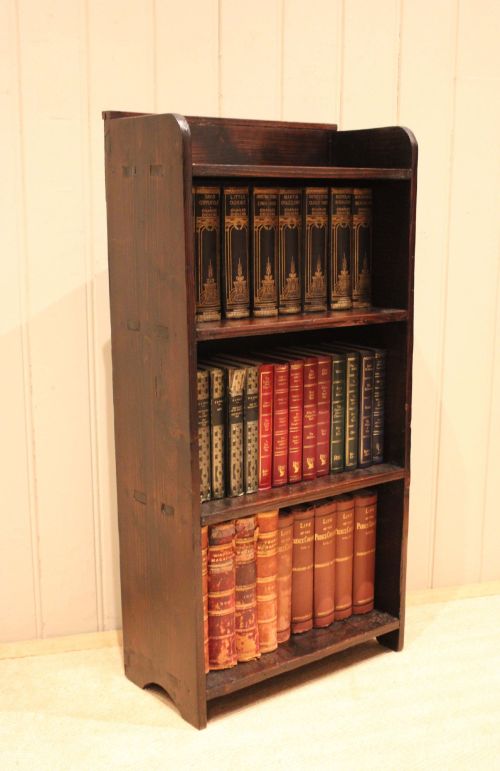
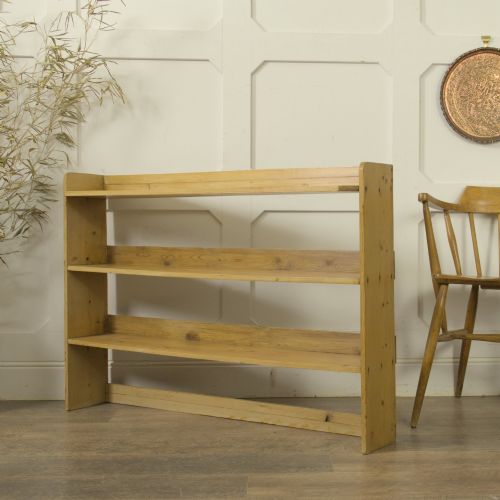
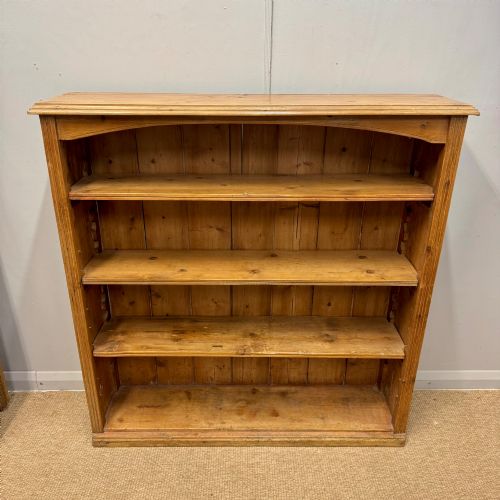
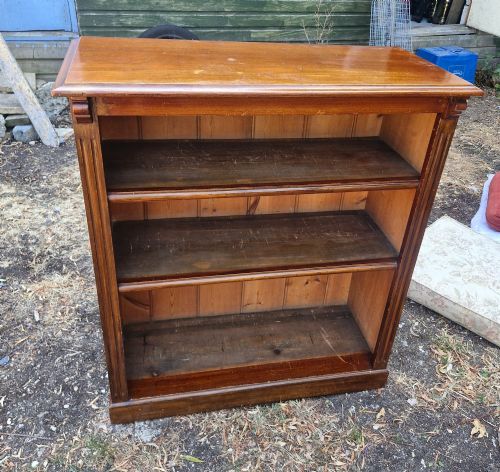
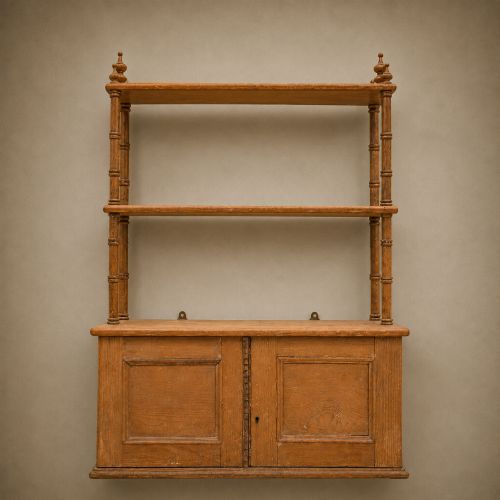
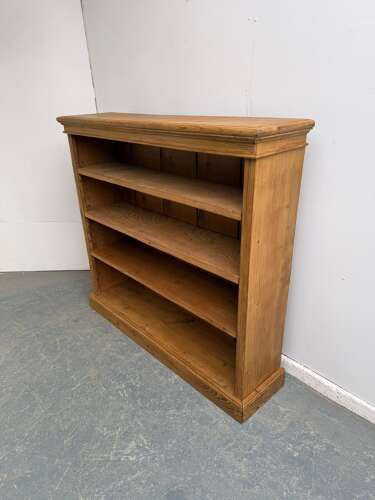
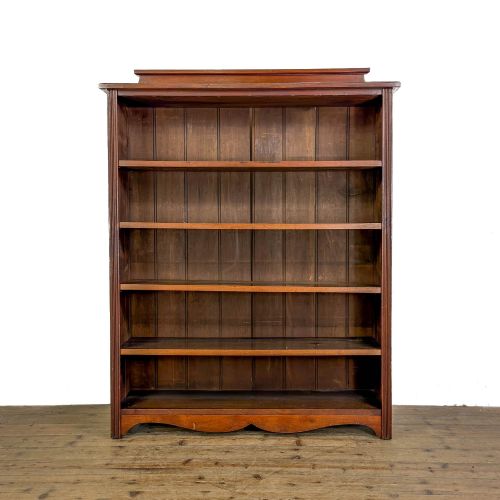
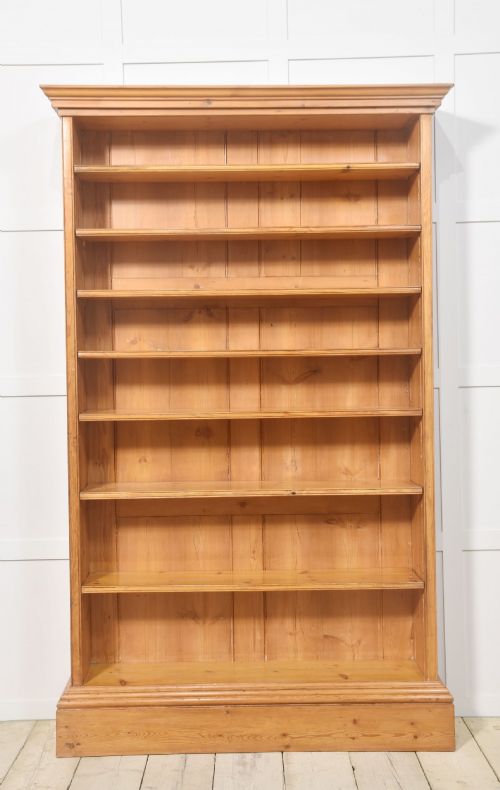
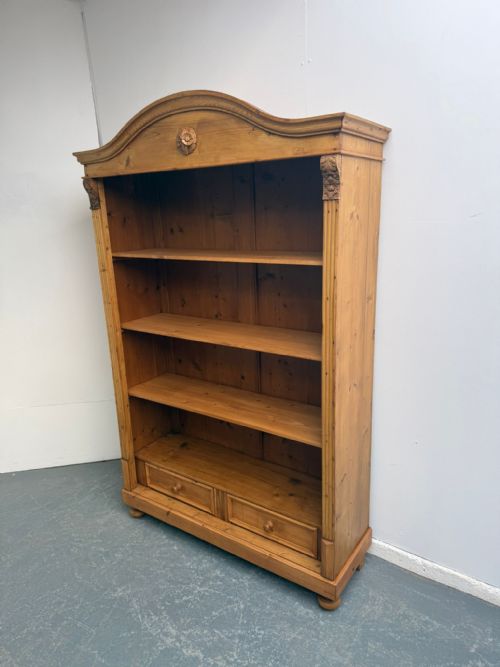
Victorian pine shelving encompasses open bookcases, wall shelves, and display units created in the nineteenth century and associated decades. These pieces serve as functional storage for books, kitchen wares, and household goods, relying on straightforward construction rather than elaborate decoration.
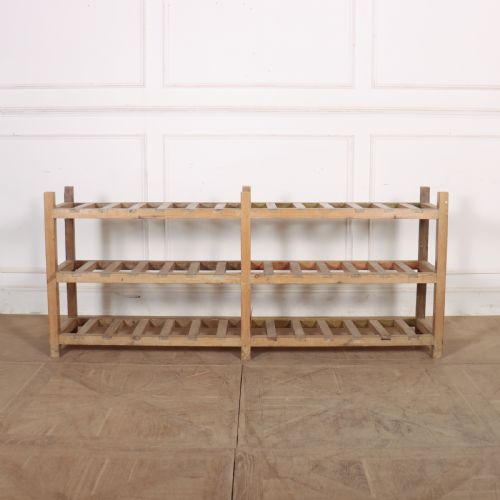
Bookcases and open front shelves dominate the available forms, alongside wall shelves with cupboards, shoe racks, and corner cabinets. Walnut and stained pine appear alongside solid timber and painted surfaces, reflecting both utilitarian workshops and domestic interiors.
Materials and Construction
Makers utilised pine, deal wood, and timber alongside metal elements and painted wood finishes. Surfaces received wax treatments or paint applications, while structural joints relied on traditional carpentry appropriate for everyday furniture.
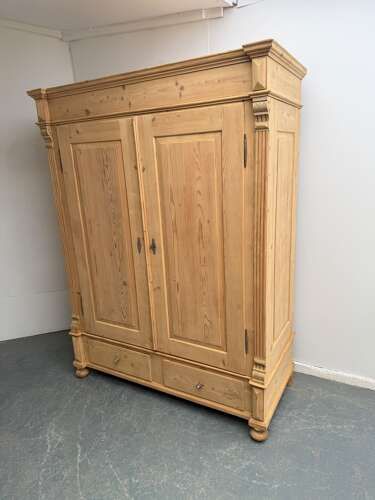
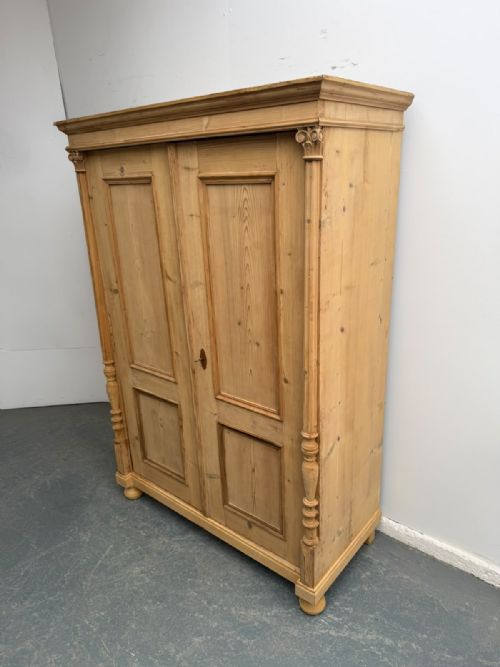
Adjustable shelf mechanisms appear in several pieces, allowing movable boards supported by internal fittings. Knockdown construction allows certain larger wardrobes and shelving units to dismantle for transport.
Some wardrobes arrive with knockdown designs, proving that flat-pack convenience predates modern furniture stores by more than a century.
Assessing Quality and Build
Quality rests on the integrity of the timber and the retention of original surfaces, whether waxed, stained, or painted. Heavier boards and sound structural joinery distinguish superior pieces from lighter utilitarian items.
The presence of functional adjustable shelf mechanisms or integrated cupboards adds complexity and utility. Original painted finishes and authentic period patina elevate the standing of a piece.
The Victorian Pine Shelving Glossary
- Deal wood
- Softwood timber from fir or pine trees, commonly utilised for everyday nineteenth-century furniture and shelving. It provides a light base that accepts wax and paint readily.
- Adjustable bookcase
- A shelving unit equipped with movable shelves that can be positioned at various heights. This flexibility accommodates books and objects of differing sizes.
- Knockdown wardrobe
- A large piece of furniture designed to be dismantled into sections for transport or relocation. It uses pegs, bolts, or slot-in joints rather than permanent glue.
- Welsh vernacular
- Regional furniture traditions characteristic of Wales, displaying local building methods and utilitarian forms. These items reflect specific domestic and agricultural needs.
- Pigeon holes
- Small, compartmentalised storage cubbies arranged in a grid for sorting papers, letters, or small items. They frequently form part of larger desks or wall units.
Victorian Pine Shelving: Frequently Asked Questions
How do I clean Victorian pine shelving?
Dust the timber regularly with a dry cloth to prevent the accumulation of grit in the grain. Avoid chemical sprays and heavy moisture, applying a traditional beeswax polish sparingly to nourish the wood.
Keep the shelving away from direct heat sources and strong sunlight to prevent the timber from drying out or warping. Gentle care preserves the aged surface and original patina.
Are the shelves usually adjustable?
Many bookcases and storage units from this period feature adjustable shelves supported by wooden pegs or vertical slots. This allows the user to alter the interior layout for different book heights.
Fixed shelves also appear frequently, particularly in simpler wall-mounted racks and smaller units. Check the specific description of each piece to confirm the shelf configuration.
Can these shelves hold heavy books?
Solid pine and deal wood provide sturdy support for general household collections and standard book sizes. Thicker boards offer greater load-bearing capacity without sagging over time.
Assess the depth and thickness of the timber before loading large volumes onto older shelves. Distributing weight evenly across the boards ensures stability.
What is deal wood?
Deal is a historical term for softwood timber, typically pine or fir, used extensively in nineteenth-century cabinet making. It provided an economical and accessible material for utilitarian furniture.
Surfaces made from deal wood were frequently painted, stained, or waxed depending on the intended room. The timber takes on a distinct golden tone as it ages.
How do I date a piece of pine furniture?
Dating relies on construction methods, tool marks, hardware types, and historical styles associated with the nineteenth century. Dovetail joints, backboard construction, and fixings offer clues to the period of manufacture.
Comparing the form to documented regional styles helps narrow the origin and date. Subtle signs of wear and workshop practices confirm the age of the timber.