




Bamboo Display Stand
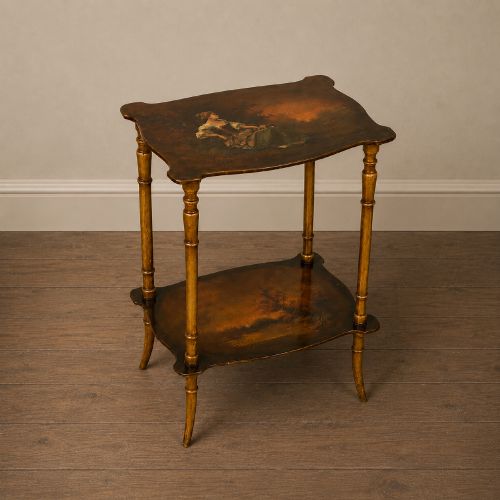
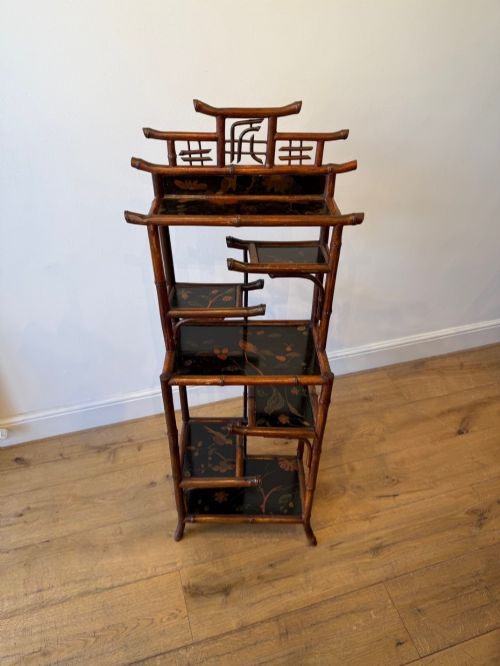
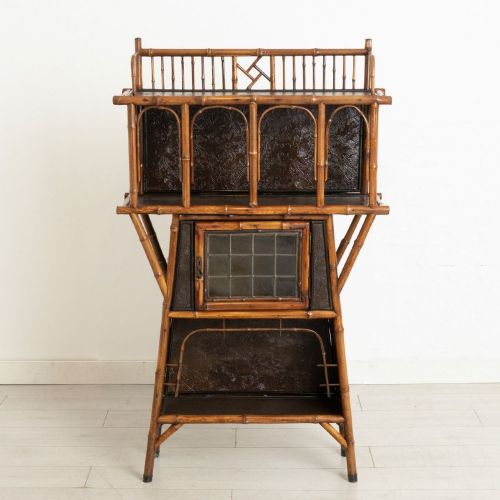
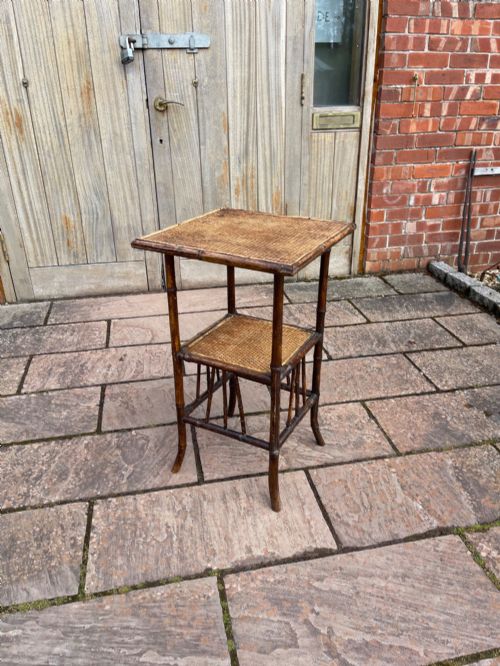
These bamboo display stand pieces bring exotic geometry and lightness to a room, offering clever surfaces for treasured objects.
Bamboo Display Stand
A bamboo display stand encompasses multi-tiered étagères, side tables, cabinets, and plant stands produced across the nineteenth and twentieth centuries. The pieces on this page lean heavily into Victorian aesthetic tastes, Edwardian designs, and Chinese traditional forms.
Buyers encounter items ranging from simple bamboo side tables and easels to elaborate display shelves inset with lacquer panels or marble tops. Continental and British workshops alike embraced these orientalist designs, resulting in versatile corner cabinets and console tables.
The selection reflects both British interpretations of Japanese and Chinese motifs and actual imported Chinese furniture from the nineteenth century. Whether chosen for a corner shelf or a two-tier display cabinet, each piece serves to elevate decorative objects within a room.
Materials and construction
Makers utilised natural bamboo stems alongside dense hardwoods such as hongmu, shaping frames that balance lightweight rigidity with structural support. Joints were frequently bound, pegged, or reinforced to handle the weight of porcelain and ornaments.
Surfaces often incorporate contrasting materials like lacquer, glass, gesso, and gold leaf to catch the light. Marble inserts appear in heavier Chinese stands, providing a cool and durable top surface above carved wooden frames.
Bamboo Display Stand Retail Price Guide 2026
Typical asking prices for bamboo display stand among the pieces listed under this phrase on Sellingantiques today, from the lower quarter to the upper quarter. They describe what is for sale here now, not the wider market.
Some nineteenth-century bamboo stands were sturdy enough to hold heavy Chinese porcelain while simultaneously looking fragile enough to snap in a breeze.
Distinctions in quality
Quality rests upon the tightness of the joinery and the integrity of the bamboo poles, which should remain stable without excessive splitting. Finer examples display meticulous attention to the lacquer panels, gilt highlights, and the secure fitting of marble or glass inserts.
Design complexity also separates standard utility stands from bespoke cabinetmaker pieces. The inclusion of painted decorations, carved hardwood details, or attribution to notable London firms elevates the stature of an item.
Leonard Wyburd·Liberty and Co
The Bamboo Display Stand Glossary
- Étagère
- A piece of furniture consisting of a set of open shelves for displaying small objects. These tiered structures became particularly fashionable during the Victorian era.
- Hongmu
- A category of dense, dark Chinese hardwoods often utilised for traditional stands and tables. It translates literally to red wood.
- Gesso
- A plaster-based mixture applied to surfaces as a base for painting or gilding. It provides a smooth ground for decorative metallic leaf.
- Torchere
- A tall stand designed to support a candle or lamp. In later periods, they evolved into decorative pedestals for urns and plants.
- Aesthetic Movement
- A late nineteenth-century design movement that emphasised art for art's sake and drew heavy inspiration from Japanese art. It rejected heavy Victorian moralism in favour of decorative lightness.
Bamboo Display Stand: Frequently Asked Questions
What is a bamboo display stand?
It is a piece of furniture designed to hold decorative objects, typically featuring open shelves, cabinets, or plant platforms made from bamboo or hardwood.
These pieces emerged strongly during the nineteenth and twentieth centuries, driven by a European fascination with Asian design aesthetics.
How were these stands used historically?
Victorians used them to display imported ceramics, figurines, and potted plants in drawing rooms and parlours.
They allowed homeowners to curate and exhibit their worldly collections in limited domestic spaces.
How do I live with a bamboo stand?
Place them in dry interior locations away from direct heat sources to prevent the natural bamboo or wood from drying out.
Keep loads balanced across the tiers to protect the joints and delicate lacquered or mirrored surfaces.
How do I distinguish periods?
Examine the construction methods, decorative motifs, and accompanying materials such as gesso or marble inserts.
Nineteenth-century pieces often reflect distinct Aesthetic Movement or Qing Dynasty characteristics, while Edwardian examples lean towards lighter, painted Continental styles.