


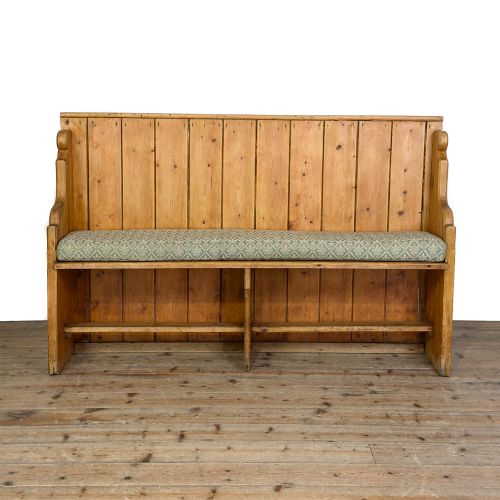
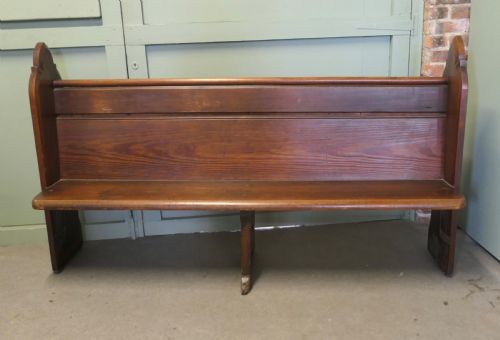
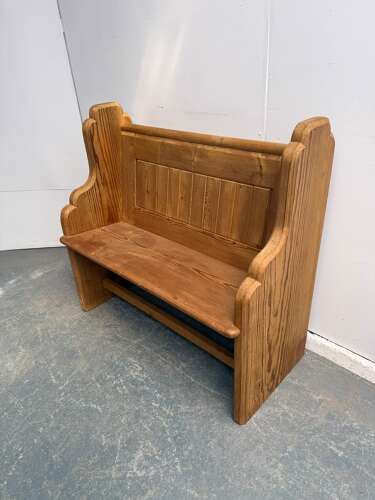
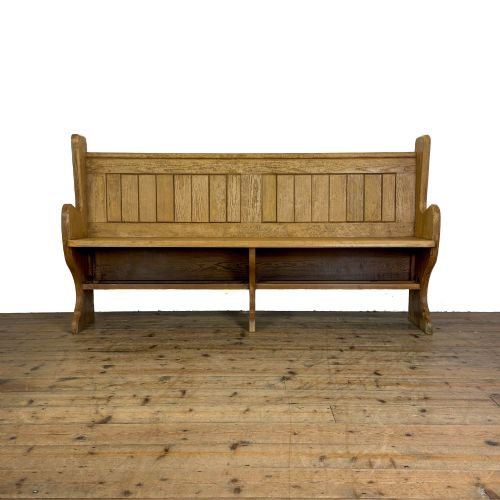



Victorian Pine Settle Seat
A victorian pine settle seat brings honest domestic utility and robust country character into a hallway or kitchen.
Victorian Pine Settle Seat
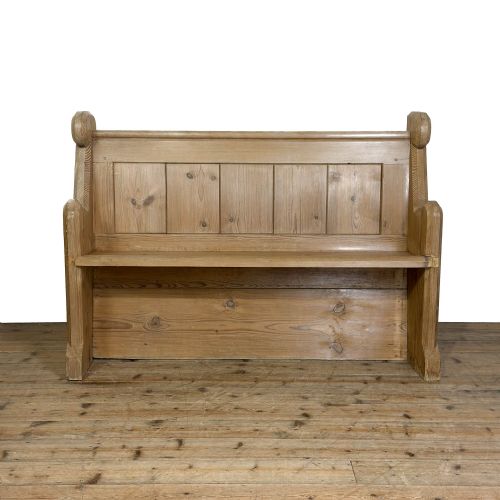
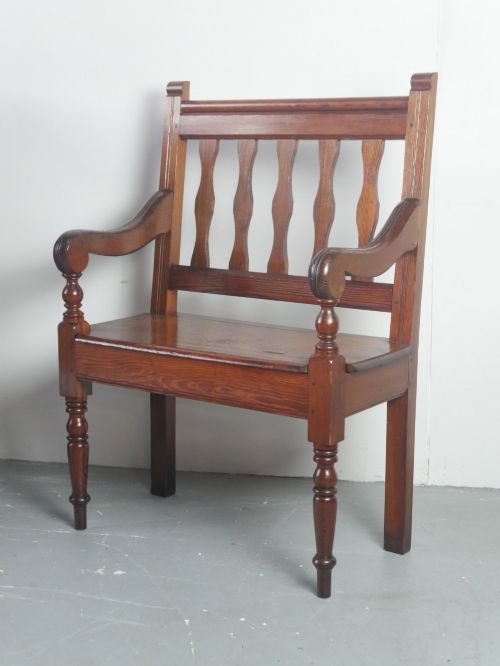
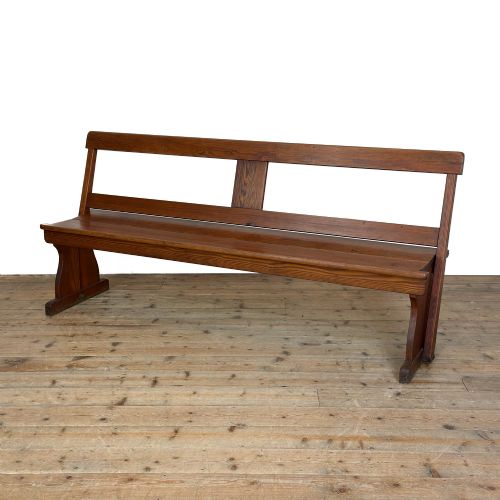
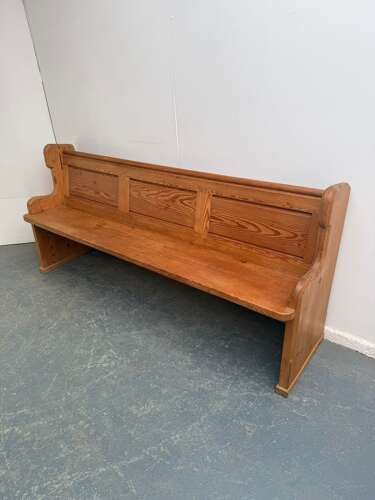
A victorian pine settle seat combines practical high-backed seating with useful enclosed storage or sturdy bench construction, originating from everyday domestic, tavern and ecclesiastical use. These pieces include church pews, chapel benches, and traditional box settles designed to block draughts in older properties.
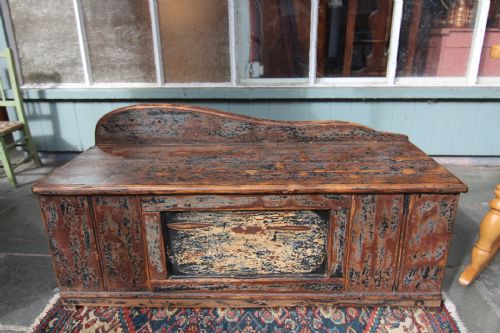
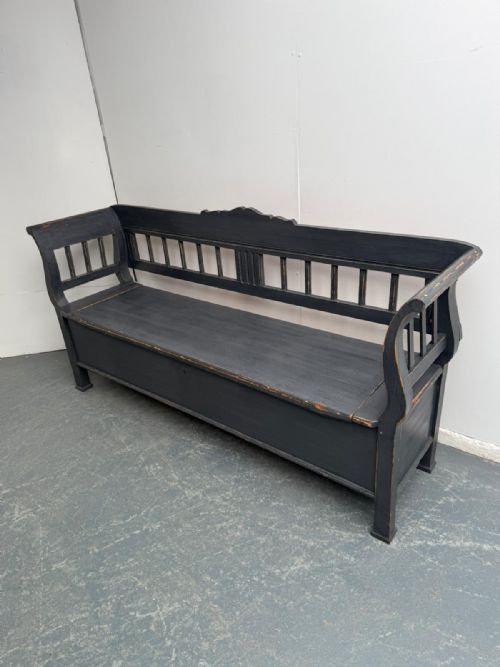
The pieces on this page span the Victorian era, the nineteenth century, and the Edwardian period, often reflecting regional traditions from English country houses to Hungarian folk art workshops. Buyers will frequently encounter long church pews, hall benches, and painted box settles with hinged lids.
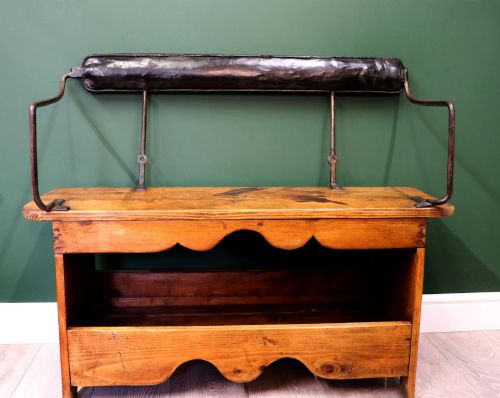
Forms range from simple open-backed tavern benches to panelled box settles in pitch pine and elm, sometimes retaining original polychrome or painted finishes. Each piece demonstrates the heavy-duty carpentry required for communal seating and daily wear.
How they were made
Makers relied primarily on solid pine and pitch pine, occasionally combining elm, ash, walnut, or oak for structural strength in seats and arms. Surfaces were either finished with wax to highlight the natural grain or coated in traditional paint schemes.
Construction methods involved pegged joints, panelled backs, and sturdy box bases fitted with iron hardware for hinged storage lids. These sturdy techniques allowed heavy benches to withstand decades of heavy use in chapels and farmhouses.
Victorian Pine Settle Seat Retail Price Guide 2026
Typical asking prices for victorian pine settle seat among the pieces listed under this phrase on Sellingantiques today, from the lower quarter to the upper quarter. They describe what is for sale here now, not the wider market.
The inventory records vernacular styles including English country, Arts and Crafts, and Hungarian folk art forms.
What varies in quality
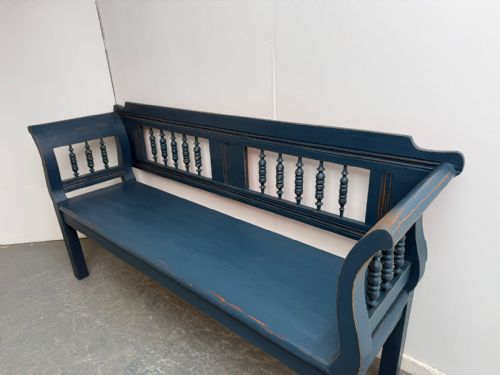
Quality rests upon the originality of the timber and whether historic painted surfaces survive intact without modern intervention. Pieces retaining their original grey, blue, black, or cream paint hold greater character than stripped examples.
Proportion and structural integrity define the better specimens, where high panelled backs, integrated box compartments, and original hardware remain undisturbed by later alterations.
The Victorian Pine Settle Seat Glossary
- Settle
- A wooden bench with a high back, solid arms, and frequently a box compartment beneath the seat for storage. It was historically positioned near firesides to deflect cold draughts.
- Box settle
- A variant featuring a hinged seat lifting to reveal a deep storage trough. This form doubled as a blanket chest or general household receptacle.
- Pitch pine
- A resinous variety of pine noted for its distinctive, durable grain and heavier weight. Makers favoured it for institutional and ecclesiastical seating.
- Polychrome
- Decorated in multiple colours, often found on folk art furniture and painted Hungarian pieces. This finish adds visual depth to plain softwood constructions.
- Church pew
- A long, fixed or movable bench used in ecclesiastical settings, often constructed from plain or pitch pine with simple panelled ends. Many surplus examples found their way into domestic hallways.
Victorian Pine Settle Seat: Frequently Asked Questions
How were settle seats used?
These benches served as primary seating in kitchens, halls, and public houses, where high backs helped block cold air from doors and windows.
Box variants also provided secure storage for household textiles, firewood, or boots in busy communal spaces.
Where should I place a settle seat?
A narrow hallway or boot room makes an ideal home for a slim bench or box settle, offering a practical spot for putting on shoes.
Larger multi-seater examples also work well along dining tables or against blank living room walls to anchor a rustic interior scheme.
How do I care for waxed pine?
Maintain waxed surfaces by applying a traditional beeswax polish sparingly and buffing with a soft cloth to preserve the sheen.
Keep wooden furniture away from direct heat sources and sudden temperature shifts to prevent the pine from splitting over time.
Are painted finishes original?
Many pieces retain historic coats of paint, ranging from simple country blues and greys to decorative folk art schemes.
Examining the paint layers under good light often reveals age-related wear and patination that distinguishes early finishes from later decoration.