

Victorian Pine Bedroom Furniture
Victorian pine bedroom furniture offers functional domestic storage fashioned from sturdy wood during the nineteenth century.
What victorian pine bedroom furniture is
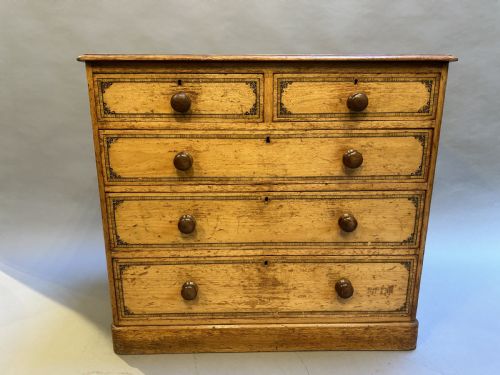
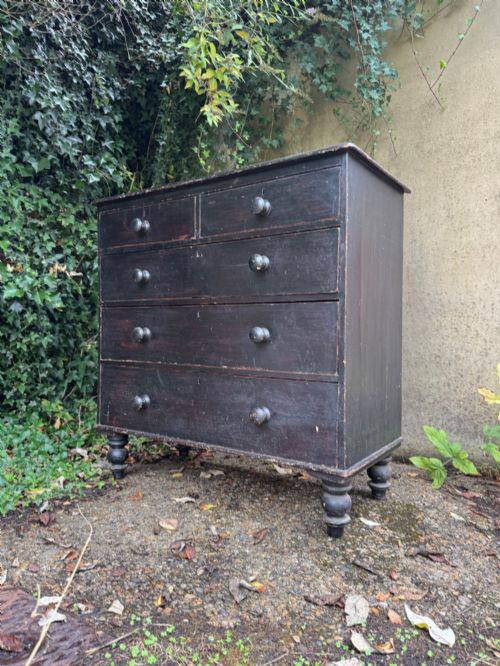
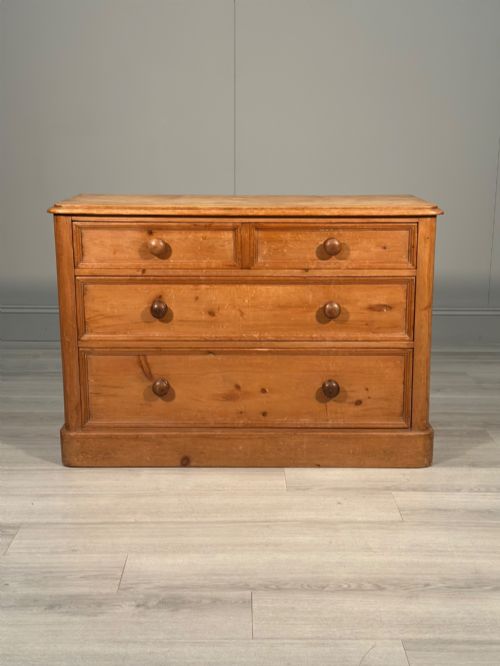
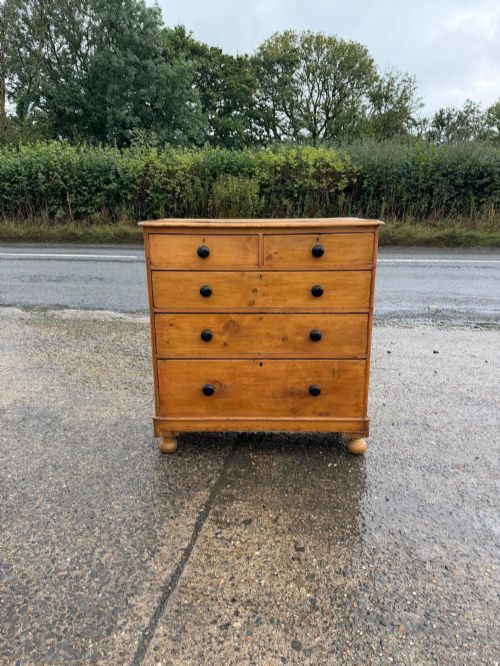
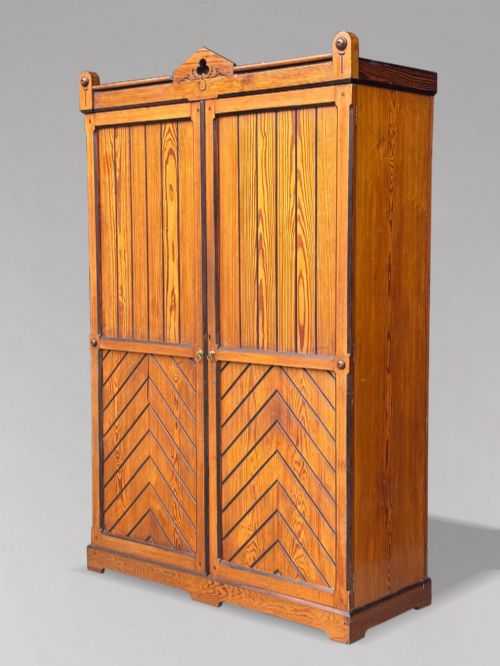
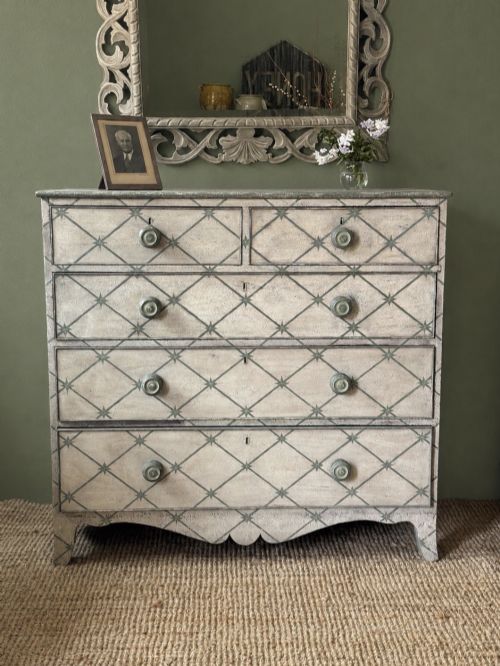
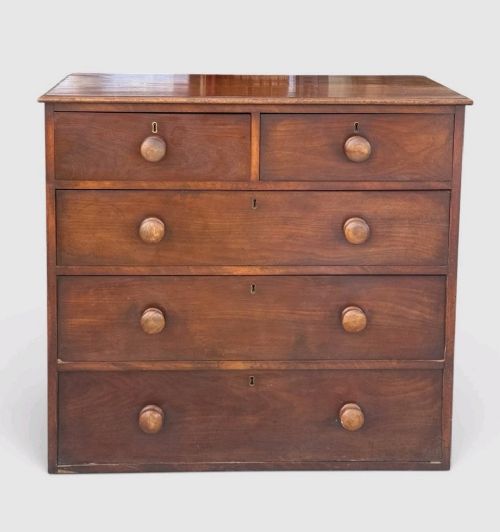
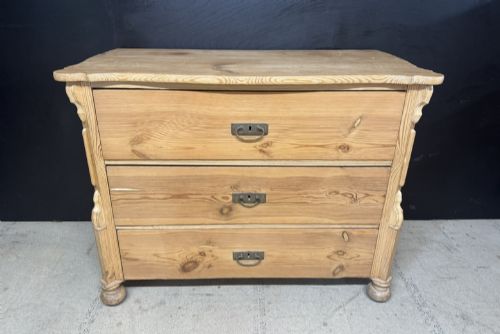
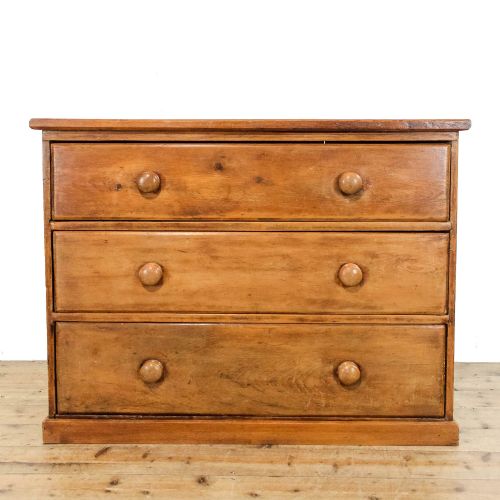
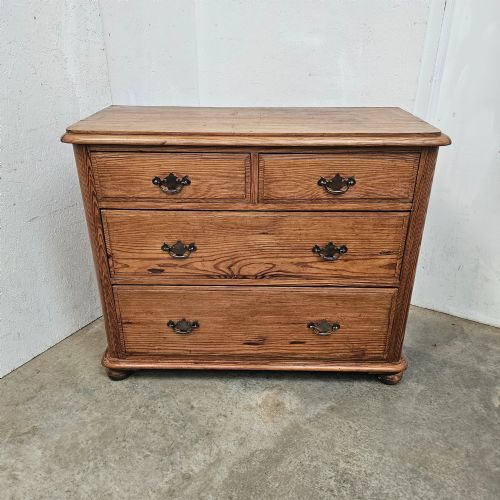
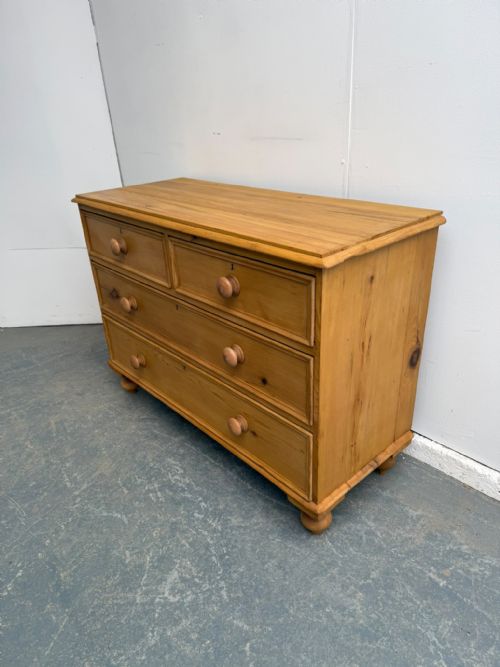
Victorian pine bedroom furniture centres on robust chests of drawers created for nineteenth-century domestic spaces. Pieces on this page belong to the Victorian period, including items dated specifically to eighteen-ninety.
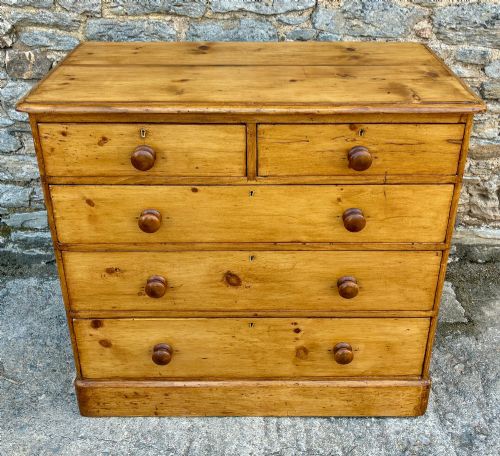
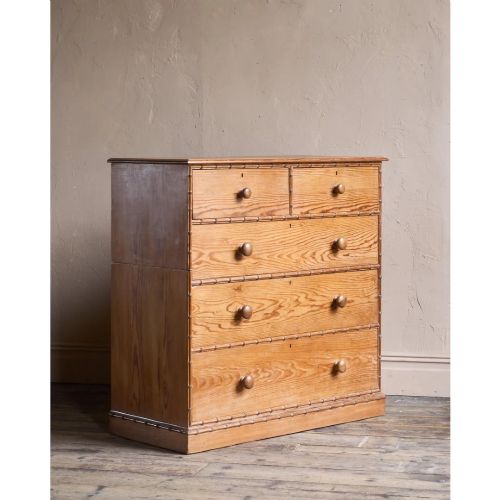
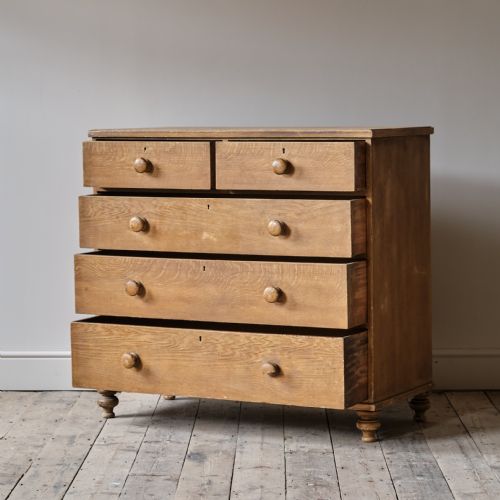
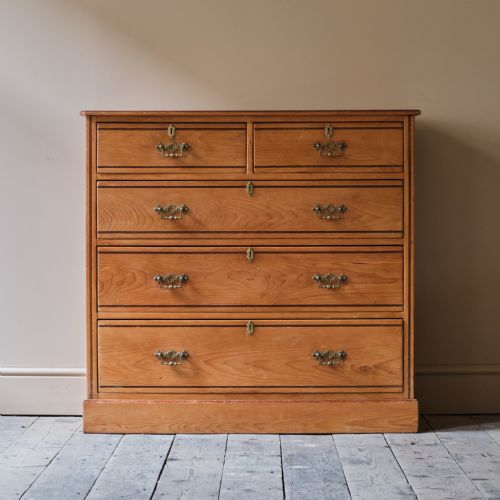
The primary form encountered here is the chest of drawers, appearing in various drawer configurations such as two-over-three arrangements or four-drawer stacks. These practical storage units reflect the utilitarian requirements of nineteenth-century households.
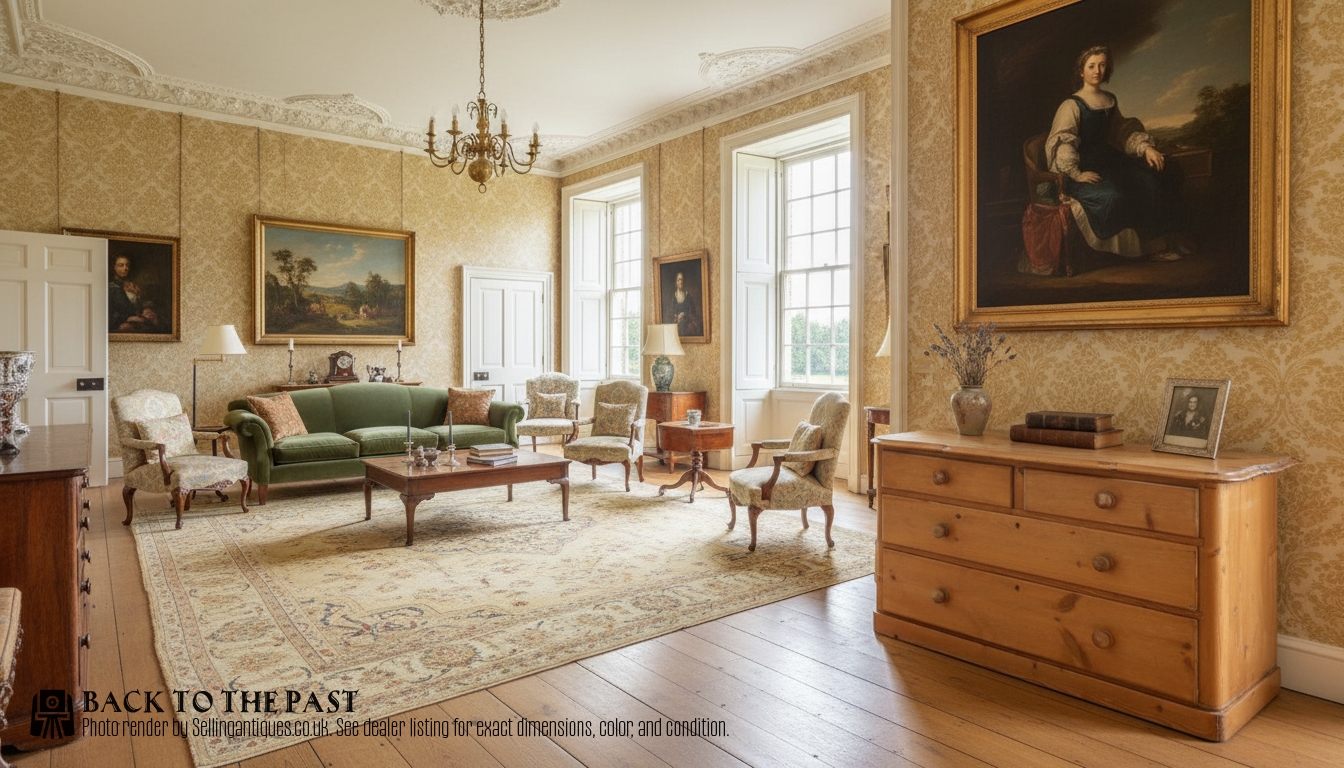
Originating in the Victorian era, these items embody the traditional cabinet-making output of the epoch. They bridge formal antique furniture and rustic country style through honest construction.
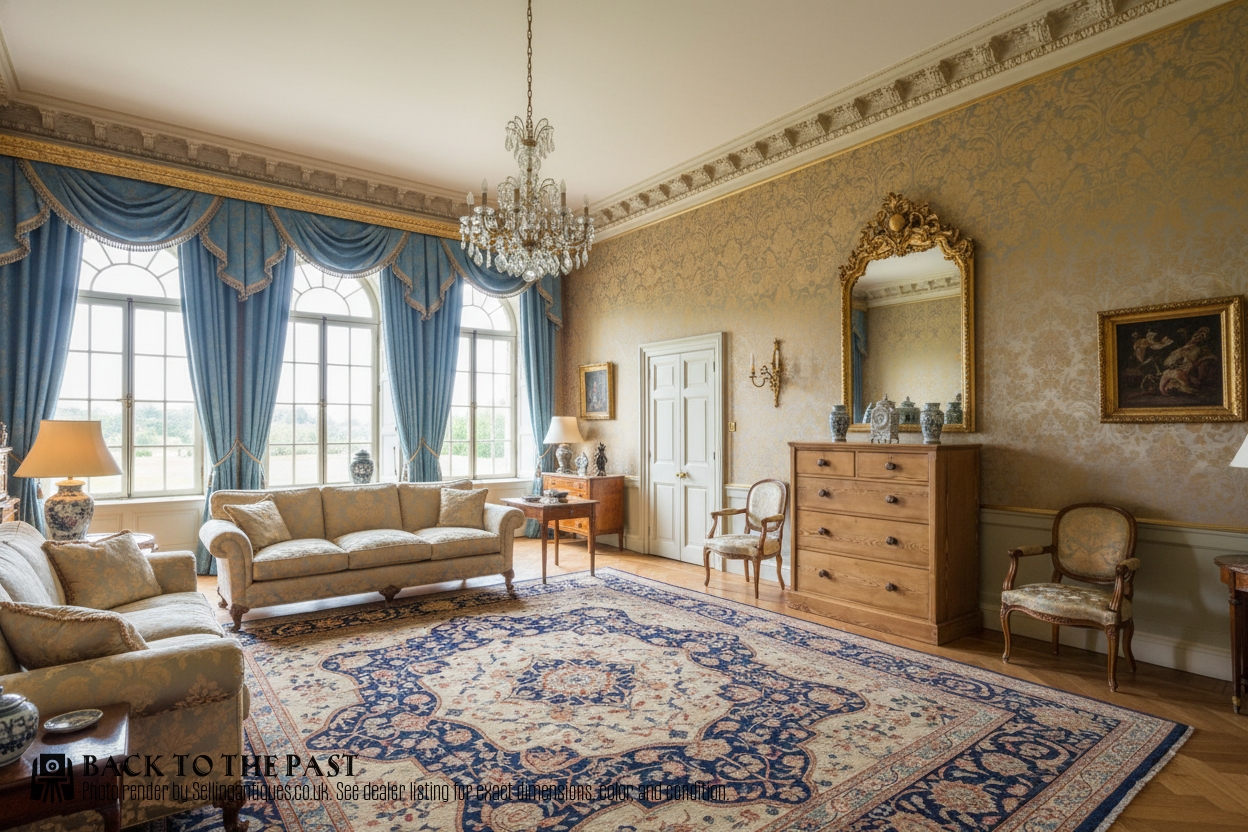
How they were made
Construction relies on pine wood, frequently treated with wax finishes or presented in stripped surfaces. Metal components like brass appear alongside original turned wooden knobs and feet.
Makers utilised solid timber to build sturdy carcases and drawer boxes capable of enduring decades of daily domestic use. Surfaces show traditional wax polish or painted treatments applied to the timber.
Retail Price Guide 2026
Typical UK retail prices for victorian pine bedroom furniture, calculated from the Sellingantiques database of over a million retail prices indexed since 2003. This retail price guide relies exclusively on Sellingantiques data; no external sources or auction records are used, so the figures do not describe the wider market.
Original turned knobs and feet survive on these chests, offering a tactile connection to nineteenth-century hands.
What varies in quality
Quality differences emerge in the selection of timber and the preservation of original elements like turned knobs and feet. Pieces retaining their early hardware and honest surface treatments command greater attention.
Proportion and scale also distinguish items, ranging from low formats to large four-drawer or five-drawer chests. The crispness of the cabinet-making and the condition of the waxed or painted surfaces dictate the standing of each piece.
The Victorian Pine Bedroom Furniture Glossary
- Pine
- A softwood timber commonly used for nineteenth-century domestic furniture. It provides a sturdy yet workable material for chests of drawers.
- Waxed pine
- Timber finished with a protective wax coating to enrich the grain. This treatment produces a warm sheen across the surface.
- Chest of drawers
- A case piece of furniture featuring multiple horizontal drawers stacked vertically. It serves as primary bedroom storage.
- Turned knobs
- Circular handles shaped on a lathe from wood. They form the standard gripping points on period drawer fronts.
Frequently Asked Questions
What defines victorian pine bedroom furniture?
These items comprise nineteenth-century wooden storage pieces built during the Victorian era. They focus primarily on chests of drawers designed for domestic use.
Constructed from pine, the pieces often feature wax finishes or painted surfaces. Original turned knobs and feet frequently accompany these practical units.
How were these chests used?
Households utilised these substantial wooden units for storing clothing and personal linens inside bedrooms. Their multiple drawer configurations accommodated various domestic items.
The sturdy build allowed them to function as reliable daily storage. Their robust nature suited the active requirements of nineteenth-century homes.
How do I care for waxed pine?
Maintenance involves applying occasional gentle wax polishes to nourish the softwood timber. This preserves the warm lustre of the surface.
Keep the wood away from direct heat sources and excessive moisture to prevent warping. Simple dusting with a dry cloth keeps the finish clean.
How are different periods identified?
Dating relies on stylistic clues and construction methods associated with the nineteenth century. Specific labels point towards the Victorian era and the year eighteen-ninety.
Examining the materials, such as brass fittings and pine timber, helps contextualise the item. Original turned feet and knobs further anchor pieces within their historical period.