



Victorian Pierced Silver Bowl
When you search for a victorian pierced silver bowl, you are looking at openwork serveware created during the nineteenth century to hold fruit, sugar or small sweetmeats.
Victorian Pierced Silver Bowl
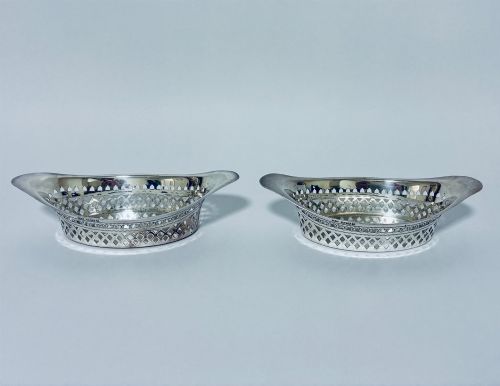
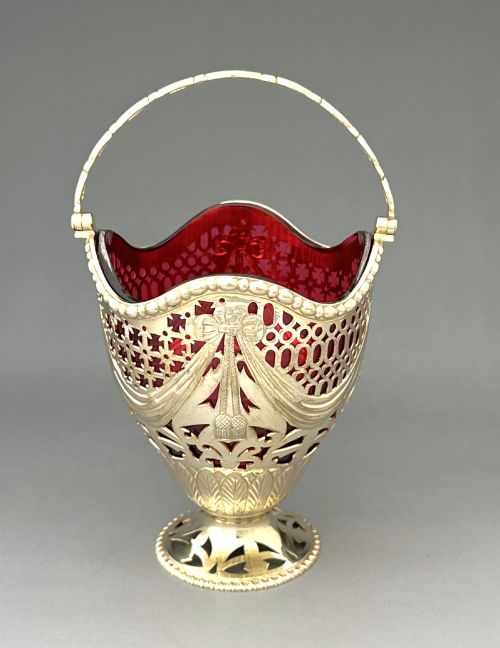
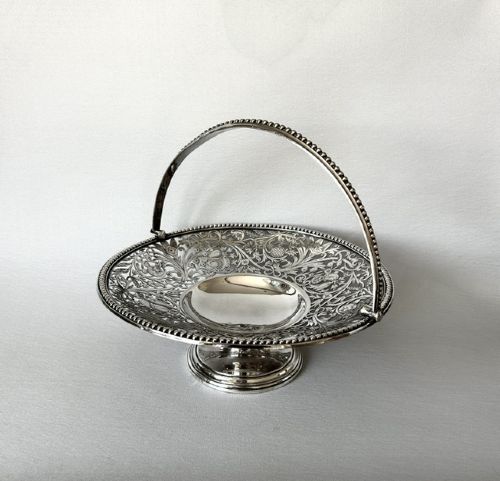
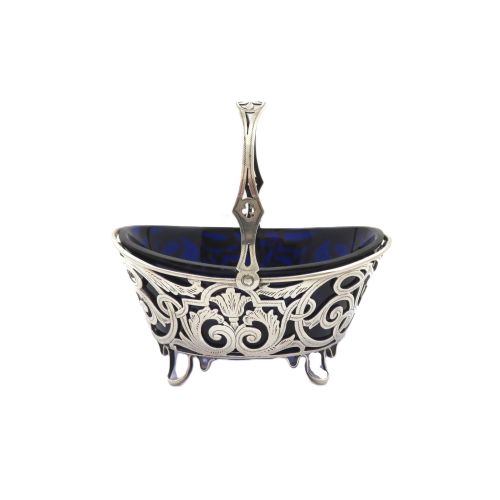
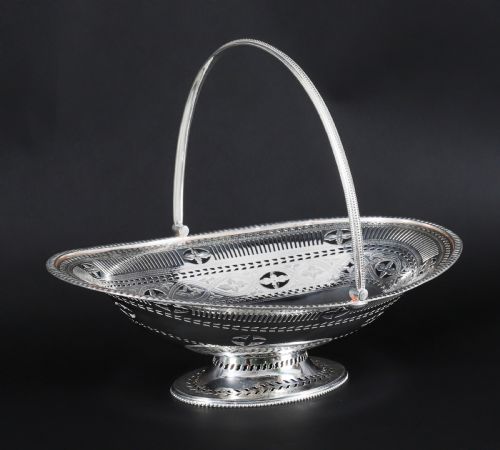
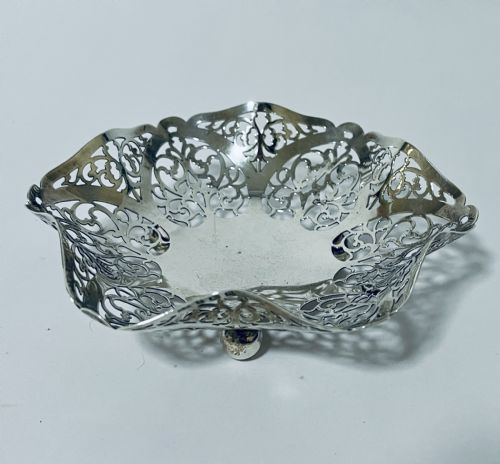
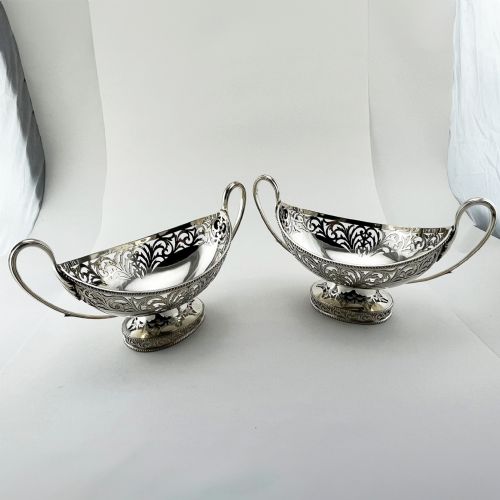
A victorian pierced silver bowl encompasses a range of openwork vessels designed for the table during the nineteenth century, appearing as bonbon dishes, sugar baskets, fruit baskets and serving dishes. These pieces are typically encountered in solid sterling silver or silver plate, sometimes fitted with coloured glass liners in cranberry, ruby or cobalt.
The form spans straightforward dishes to elaborate pedestal bowls and handled baskets featuring intricate wickerwork or geometric cut-outs. Workshops of the period produced matching pairs alongside individual centrepieces, reflecting the formal dining requirements of the era.
How they were made
Makers utilised sterling silver and silver plate, shaping metal through casting, hammering and piercing to create openwork patterns. Many items incorporate secondary materials, pairing the metal framework with glass liners or cast floral handles.
Engraving often supplements the pierced decoration, utilising bright cut techniques to add detail to the solid sections of the bowl. Gilding was also applied to create silver-gilt finishes, particularly on pieces designed to hold fruit or coloured glass.
Materials across the listings include sterling silver, silver plate, cranberry glass, ruby glass, cobalt glass and silver-gilt.
What varies in quality
Quality rests on the crispness of the piercing and the weight of the metal used in the construction. Heavier gauge silver retains its structural integrity better over time, whereas thinner metal is prone to distortion.
The refinement of the casting in handles and decorative mounts separates standard production from superior work. Pieces featuring intact, original glass liners and clear hallmarks from notable silversmiths command greater interest.
Thomas Bradbury·William Comyns·Martin Hall·Edward H Stockwell·George Fox·Joseph Rodgers & Sons·Harry Atkin
The Victorian Pierced Silver Bowl Glossary
- Sterling silver
- A silver alloy containing 92.5 percent pure silver by weight, standard for quality British tableware. This material provides the durable yet malleable base needed for intricate openwork.
- Silver plate
- A base metal coated with a thin layer of silver, offering the visual appearance of solid silver at a different cost. Plated items were widely produced by Victorian manufacturers.
- Silver-gilt
- Silver that has been coated with a thin layer of gold on the surface, creating a warm two-tone effect. This finish is frequently found on bowls designed to hold coloured glass.
- Pierced work
- Metalwork that has been cut through to create decorative open patterns and grilles. This technique defines the visual style of the category.
- Bonbon dish
- A small open vessel intended for holding sweets, nuts or small confections. These often appear in pairs on the Victorian table.
- Bright cut engraving
- A facet-cutting technique using a flat-bottomed graving tool to produce sharp, light-reflecting cuts on the silver surface. It frequently frames the pierced sections of Victorian dishes.
Victorian Pierced Silver Bowl: Frequently Asked Questions
What were pierced silver bowls used for?
These vessels served functional roles on the Victorian dining table, holding fresh fruit, bread, sugar or small sweetmeats during meals. They allowed air to circulate around delicate items or displayed coloured glass liners placed inside.
Over time, their uses shifted as dining customs changed, leading many to survive as decorative display pieces or centrepieces in modern homes.
Are glass liners original?
Many surviving baskets and bowls retain their original cranberry, ruby or cobalt glass inserts, which were mouth-blown to fit the specific metal frame. Finding a piece with an undamaged matching liner adds significantly to its completeness.
Replacements are common due to the fragile nature of glass, so checking for secure fit and consistent age markers helps determine originality.
How are different periods identified?
Makers' marks, town marks and date letters stamped into the silver provide precise chronological indicators for hallmarked pieces. Stylistic shifts also offer clues, moving from mid-Victorian rococo revival curves to later neoclassical restraint.
Unmarked silver-plated items rely on design motifs, manufacturing techniques and overall weight to suggest a decade of origin.