




Victorian Pedestal Vanity
A Victorian pedestal vanity brings nineteen-century elegance to a dressing room, offering sturdy timber construction and built-in mirrors for daily grooming.
Victorian Pedestal Vanity
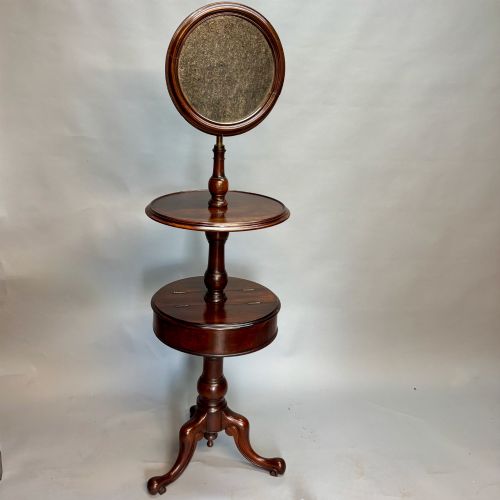
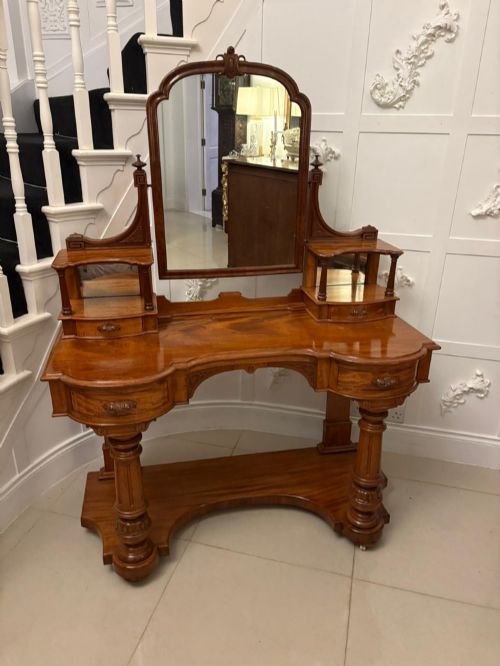
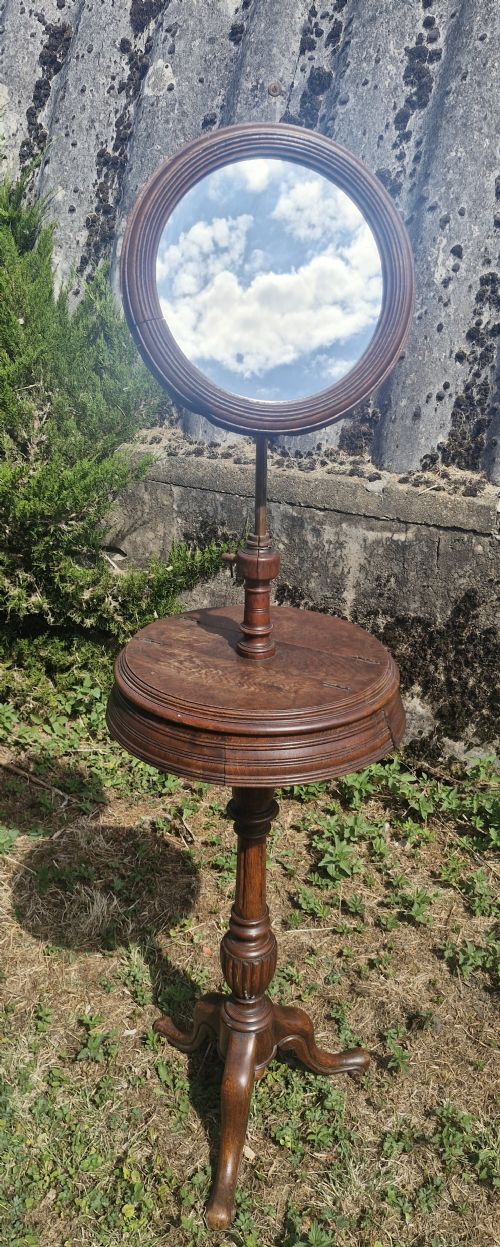
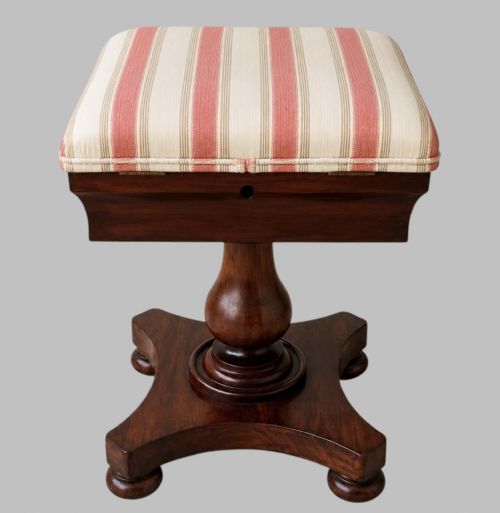
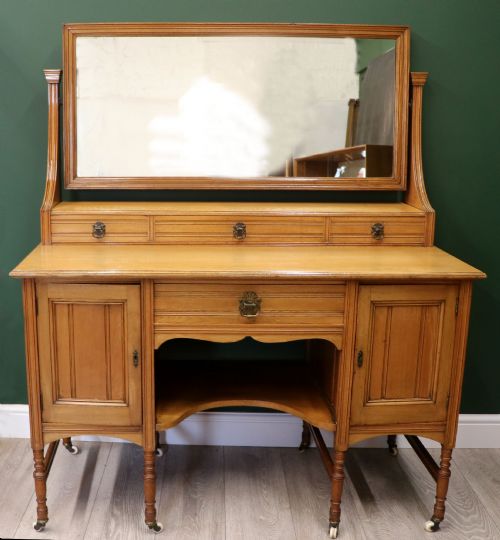
A Victorian pedestal vanity combines practical storage with a dedicated mirror, often taking the form of a pedestal dressing table or a shaving stand. These pieces serve as functional centrepieces in a bedroom, designed to hold grooming implements and personal items.
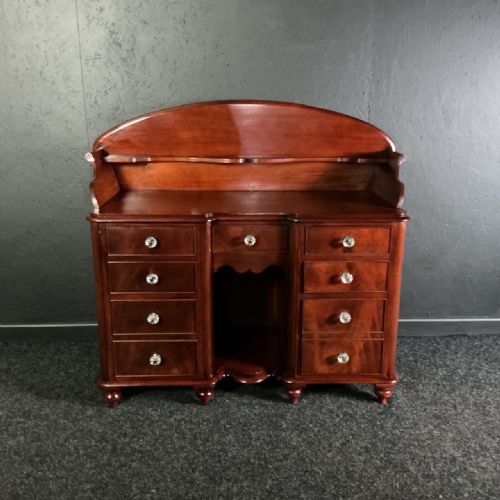
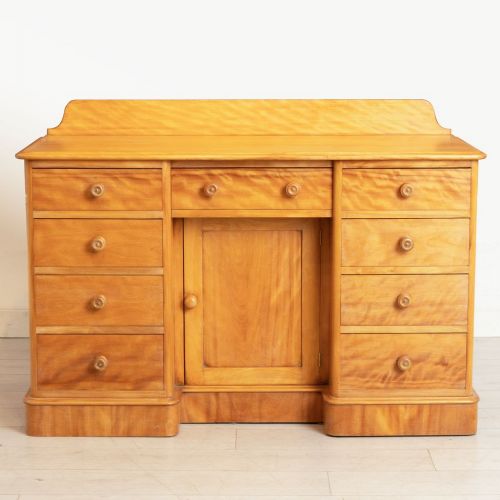
The versions most common on this page date from the nineteenth century, utilising robust timbers like mahogany, walnut, and satinwood. Buyers encounter various configurations, including kneehole desks with attached mirrors and freestanding adjustable shaving stands.
Distinctions in craftsmanship
The choice of timber and veneer work dictates the tier of the piece, with burr walnut and figured mahogany representing finer workshops. Subtle details in marquetry inlay and the crispness of carved wooden elements separate standard production from superior examples.
Mechanical components such as adjustable mirror brackets and telescopic shaving stands reveal the care taken by the maker. Original hardware, intact stencilled decoration, and sound structural joinery elevate the standing of a pedestal vanity.
Victorian Pedestal Vanity Retail Price Guide 2026
Typical asking prices for victorian pedestal vanity among the pieces listed under this phrase on Sellingantiques today, from the lower quarter to the upper quarter. They describe what is for sale here now, not the wider market.
Edwards & Roberts·John Taylor of Edinburgh
The Victorian Pedestal Vanity Glossary
- Pedestal dressing table
- A large vanity featuring a central kneehole flanked by banks of drawers, typically topped with an upright mirror. This form provides substantial surface area and storage.
- Shaving stand
- A compact piece designed for male grooming, usually incorporating an adjustable mirror and small surfaces for shaving gear. These often stand on tripod bases or small cabinets.
- Marquetry
- The art of applying decorative pieces of veneer to a structure to form intricate patterns. It appears on the drawer fronts and tops of sophisticated Victorian furniture.
- Kneehole
- A recessed space beneath the centre of a desk or vanity designed to accommodate the user's legs. It is a defining feature of pedestal furniture configurations.
- Aesthetic movement
- A late nineteenth-century design style emphasising artistic visual qualities over heavy historic revivalism. Pieces from this movement often feature lighter woods and stylised decoration.
Victorian Pedestal Vanity: Frequently Asked Questions
Where were these pieces used?
Victorian vanity pieces were principally placed in bedrooms, dressing rooms, and private chambers. They provided a dedicated station for morning routines and personal grooming.
Larger pedestal dressing tables sat against bedroom walls to catch natural light, while smaller shaving stands occupied corners or wash spaces.
How do I identify the period?
Dating relies on timber choices, hardware style, and characteristic design movements. Mid-nineteenth century pieces often feature solid mahogany and heavy proportions, while later examples incorporate satinwood and painted details.
Construction methods, such as hand-cut dovetails and the type of mirror glass framing, also offer clues to the exact decade of manufacture.
How do I live with a vanity?
Integrating a Victorian vanity into a modern room requires balancing its historic character with contemporary use. These pieces function well as dressing tables or unconventional hallway desks.
Care involves maintaining stable indoor humidity to protect wood veneers and cleaning glass mirrors with gentle, non-abrasive solutions.