
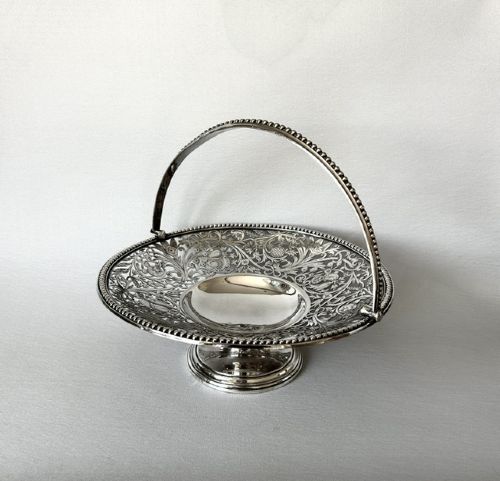
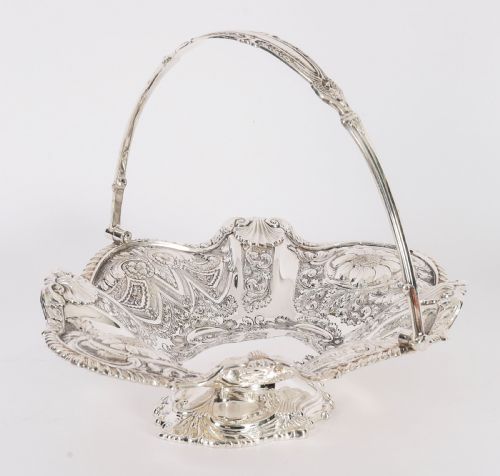
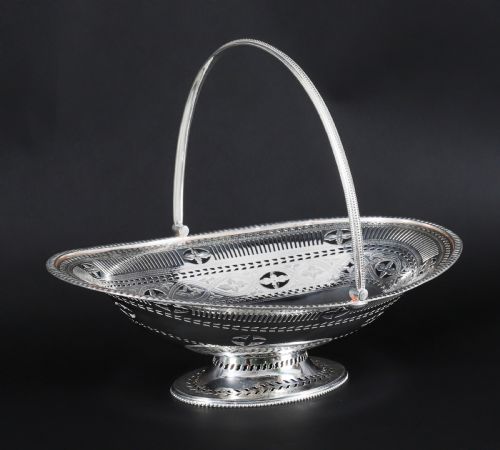
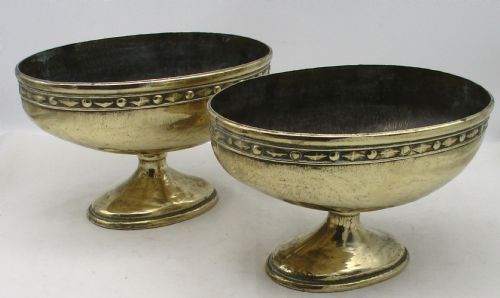
Victorian Pedestal Bowl
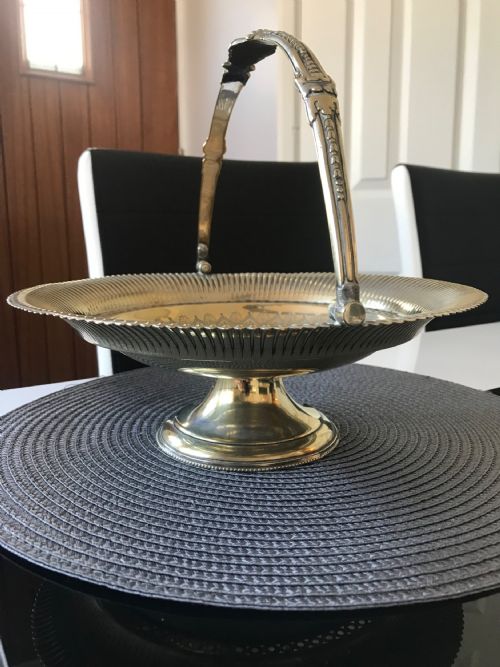
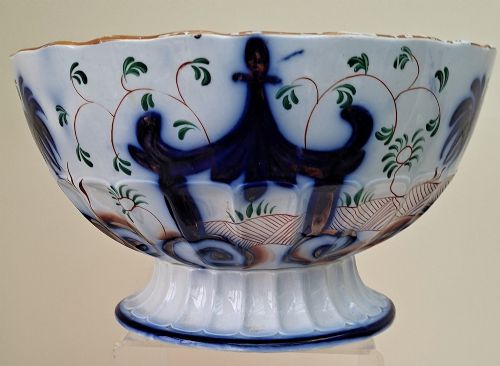
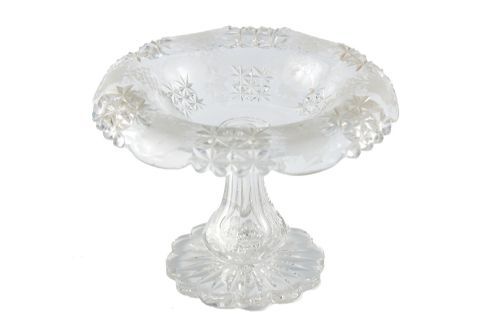
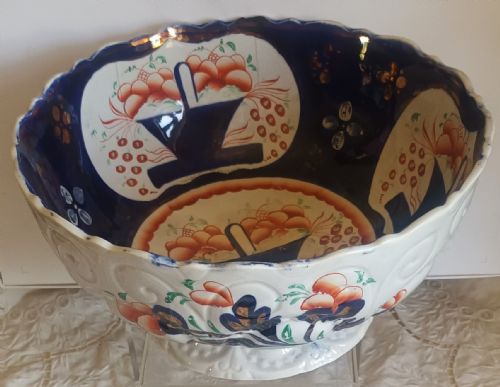
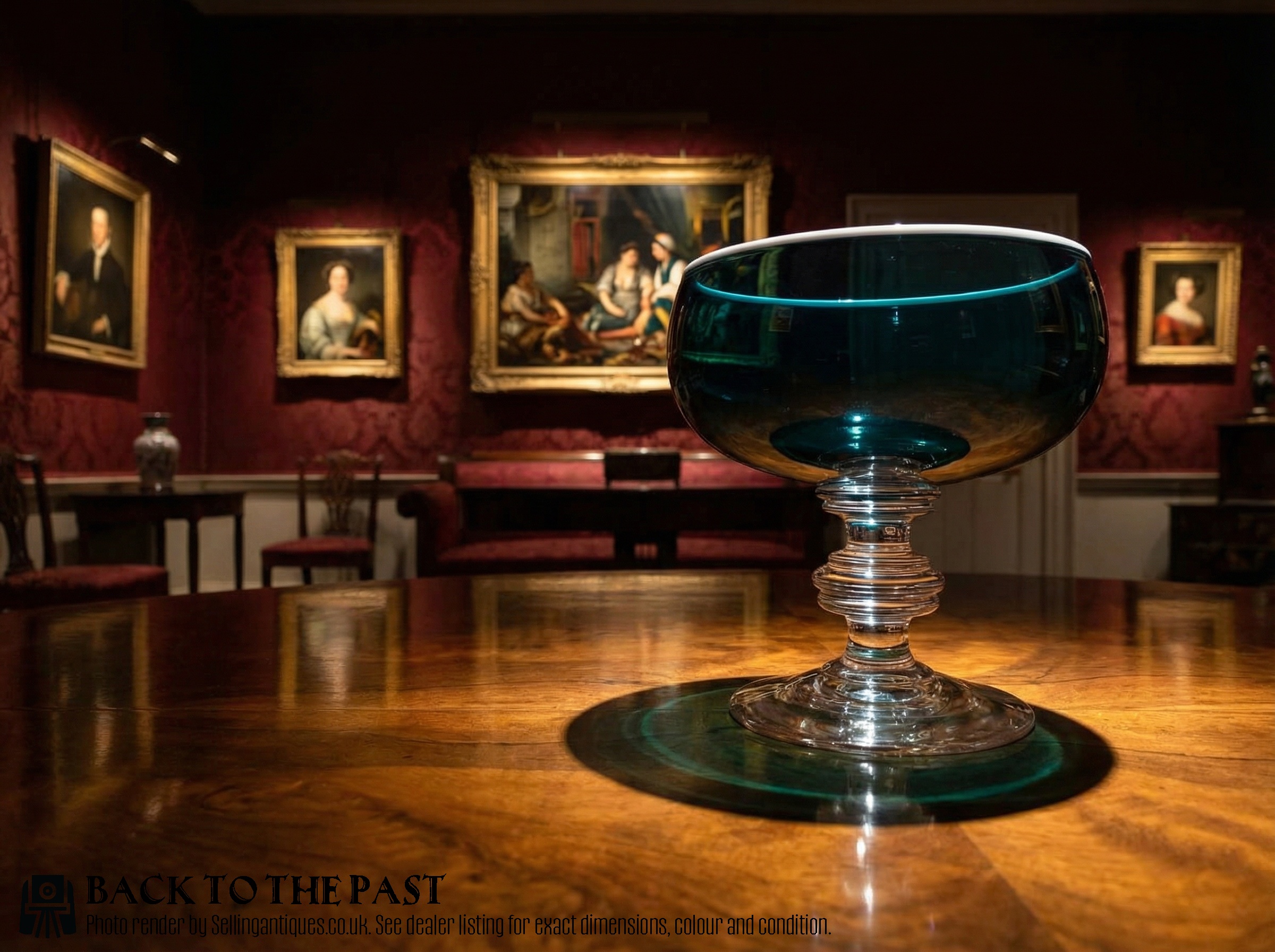
A victorian pedestal bowl elevates fruit, flowers and sugar above the table on a raised foot.
Victorian Pedestal Bowl
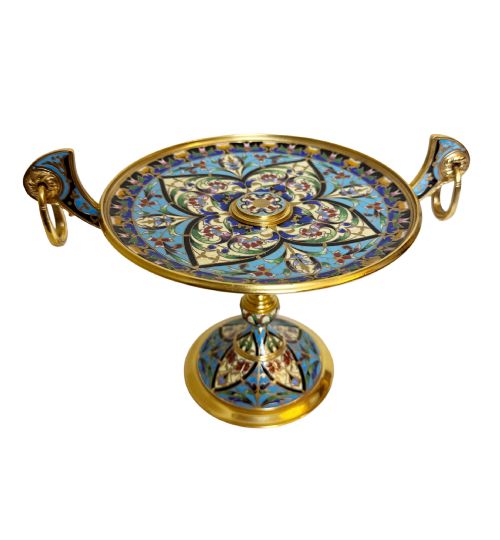
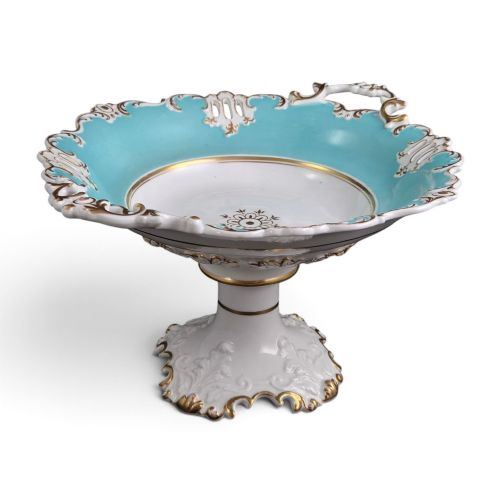
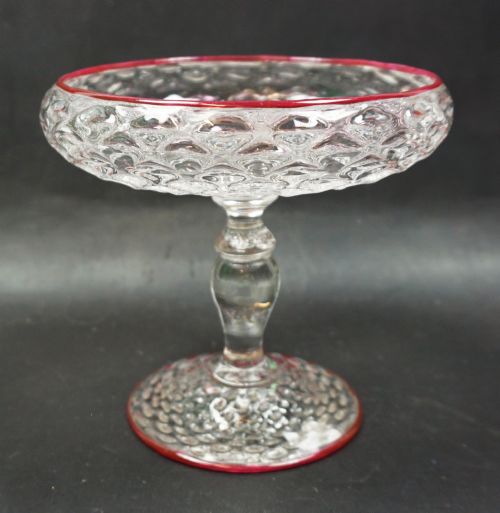
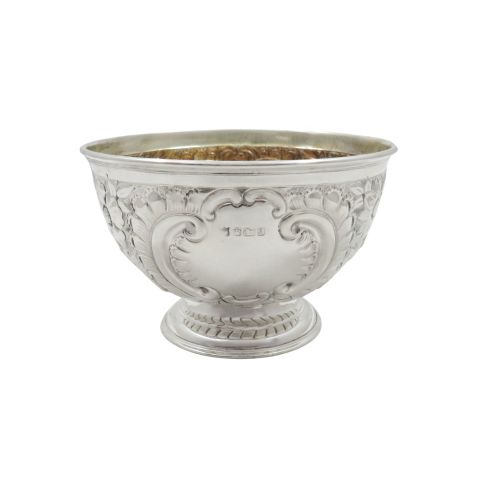
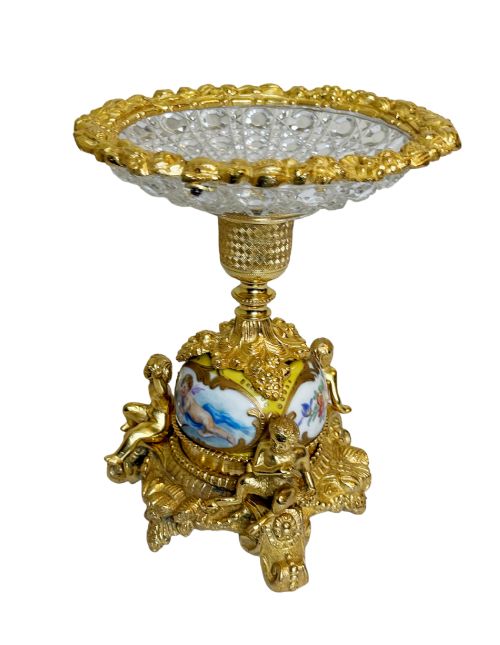
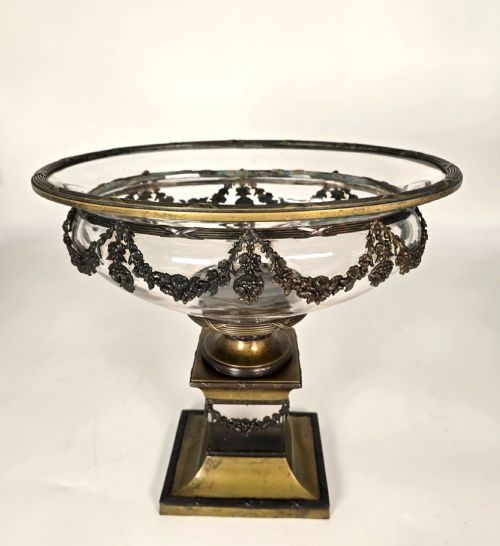
A victorian pedestal bowl stands on a raised foot or base, taking forms such as tazzas, comports, fruit baskets and centrepieces. These vessels serve to elevate items on the dining or display table.
The pieces appearing on this page span the nineteenth century and the Edwardian era, reflecting both domestic utility and formal tablescape decoration. Sterling silver, silver plate, cut glass, porcelain and various stones make up the forms available.
Domestic silver sugar baskets and fruit bowls sit alongside larger glass centrepieces and decorative tazzas. Buyers find both British work and continental examples represented in the selection.
Materials and construction
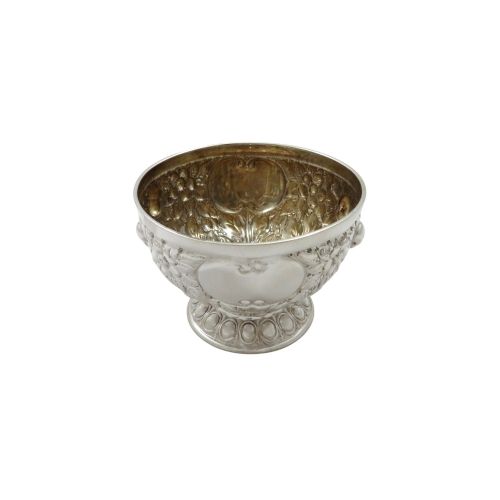
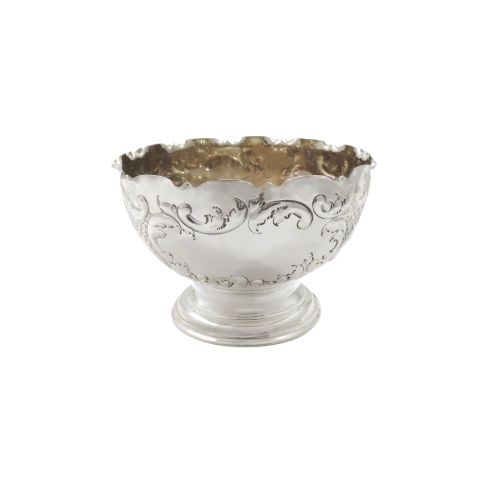
Metal vessels utilise sterling silver, silver plate, brass and bronze, often shaped through casting, piercing, chasing and repoussé work. Glass examples employ crystal, cranberry glass and pressed vitro-porcelain moulded into honeycombs or flutes.
Ceramic pieces involve bone china, earthenware and ironstone painted with patterns such as the Pagoda design or moulded into leaf shapes. Stone items use materials like Blue John and Ashford coral marble turned and polished on a lathe.
The selection includes styles ranging from neoclassical and rococo revival to anglo-indian and edwardian designs.
Distinctions in standard
The quality of a pedestal bowl rests upon the crispness of its casting or moulding and the depth of its hand-chased or engraved detail. Heavier gauge silver and thick-walled lead crystal demonstrate greater substance in the hand.
Artistry in the decorative elements, such as intricate pierced borders or detailed handle mounts, separates standard production items from finer presentation pieces. The integration of the pedestal foot with the bowl body dictates the structural harmony of the piece.
George W. Scott And Sons Ltd·Mackay And Chisholm Edinburgh·C G Schierholz And Sohn
The Victorian Pedestal Bowl Glossary
- Tazza
- A shallow bowl or plate mounted on a pedestal stem and foot. This Italian term denotes a piece traditionally used for serving fruit or sweetmeats.
- Comport
- A standing dish used for dessert or fruit service on the dining table. The word is often interchangeable with tazza in nineteenth-century contexts.
- Repoussé
- A metalworking technique where the artisan hammers the design from the reverse side to create a raised pattern on the front. This method appears on silver and base metal vessels.
- Champlevé
- An enamelwork technique where troughs are carved into a metal surface and filled with vitreous paste before firing. It frequently decorates nineteenth-century bronze mounts and tazzas.
Victorian Pedestal Bowl: Frequently Asked Questions
What was a victorian pedestal bowl used for?
These vessels held fruit, sugar, flowers or sweetmeats during formal dining and drawing room service. Their elevated design allowed them to function as centrepieces that commanded attention on the table.
Smaller silver examples served as sugar baskets with swing handles, while glass and ceramic comports displayed desserts at the end of a meal.
How do I care for silver and glass pedestal bowls?
Silver pieces require occasional gentle cleaning with a specialist polish to maintain their finish without removing the underlying plating or hallmarks. Glass bowls benefit from warm soapy water and careful hand drying to avoid scratching.
Harsh abrasives and dishwashers should be avoided entirely to preserve delicate gilding, cut patterns and structural joins.
How can I tell the period of a pedestal bowl?
Hallmarks on silver items provide exact dates and assay office locations through stamped leopard heads, lions and date letters. Stylistic clues such as neoclassical swags, rococo scrolls or aesthetic movement motifs also point to specific decades.
manufacturing techniques like pressed glass moulds or hand-cut crystal facets help distinguish mid-nineteenth-century production from later work.
Are these bowls suitable for daily use?
Sturdy silver plate, pressed glass and ironstone bowls handle regular domestic service quite well when treated with reasonable care. Fine porcelain, thin crystal and carved stone pieces demand a more cautious approach and suit occasional display or gentle serving.
Weight and material composition generally guide how robustly an individual piece can be handled in a modern home.