




Victorian Pedestal Basin
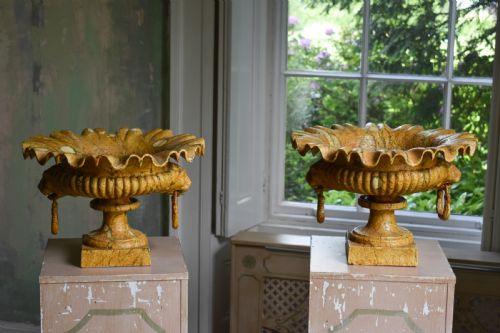
These Victorian pedestal basin items are robust garden urns and decorative footed bowls designed to anchor a room or courtyard.
Victorian Pedestal Basin
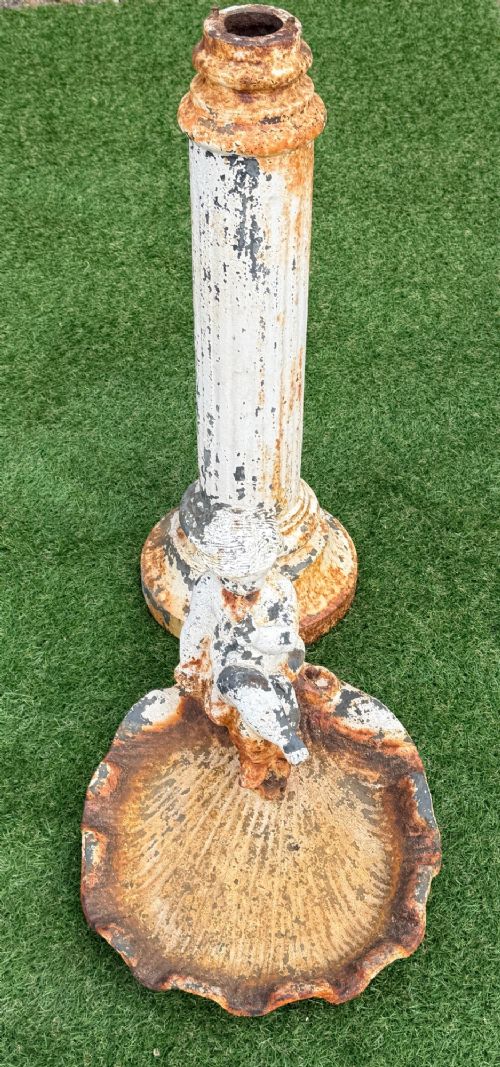
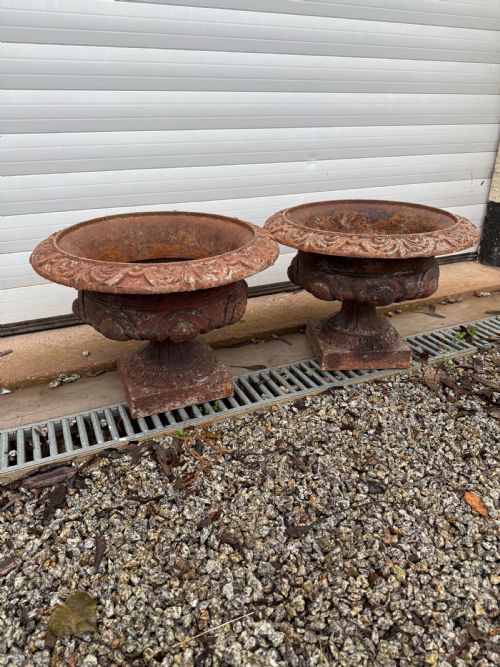
A Victorian pedestal basin represents the heavier forms of nineteenth century decorative and gardenware, often appearing as cast iron bird baths or urns raised on columns. These pieces combine utility with classical ornamentation, frequently incorporating figures or shell motifs upon a sturdy base.
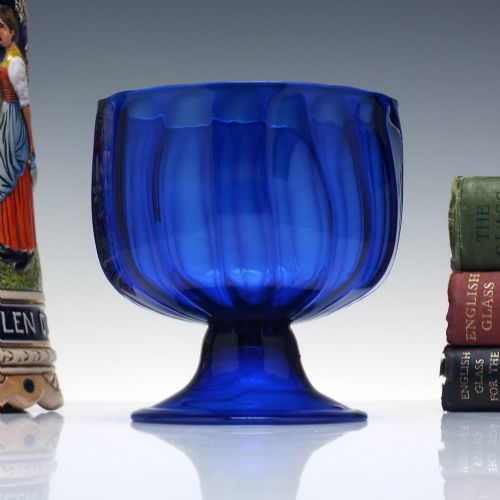
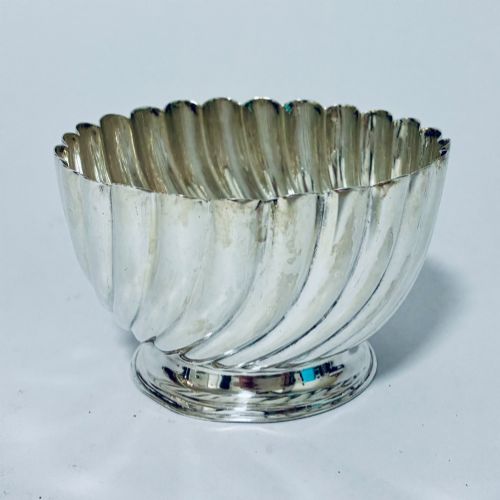
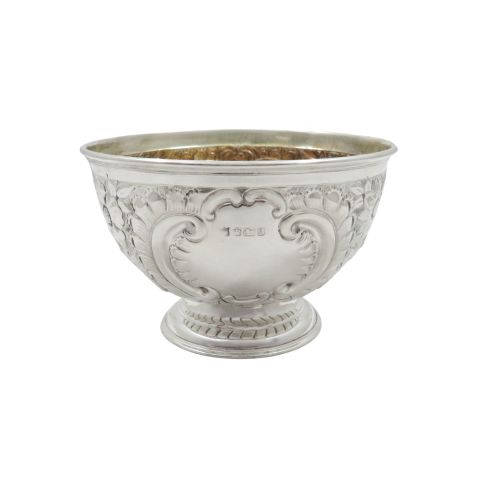
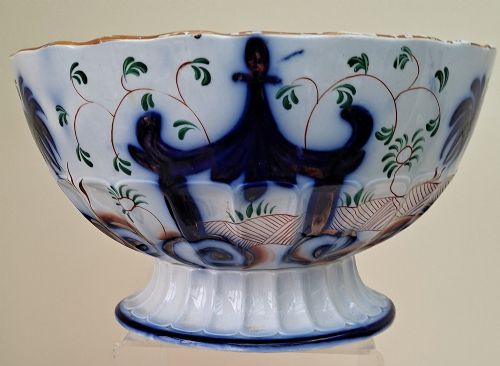
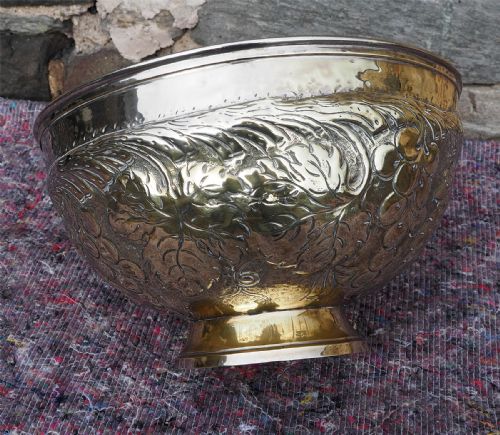
Beyond garden ornaments, the category encompasses footed bowls and sugar baskets in sterling silver, earthenware, and glass. The items range from Georgian Bristol blue glass to nineteenth century pottery bowls, united by their elevated stance.
How they were made
The cast iron garden pieces rely on traditional foundry work to achieve crisp shell forms, columns, and plant-holder profiles. Paint is frequently applied to these iron surfaces to protect the metal and define the moulded details.
Silver and glass items demonstrate distinct craft traditions, from sterling silver smithing on pedestal feet to lead glass cutting and earthenware pottery shaping. Earthenware examples such as Gaudy Welsh pottery utilise traditional ceramic techniques and applied glaze patterns.
Victorian Pedestal Basin Retail Price Guide 2026
Typical asking prices for victorian pedestal basin among the pieces listed under this phrase on Sellingantiques today, from the lower quarter to the upper quarter. They describe what is for sale here now, not the wider market.
Listings feature materials spanning cast iron, sterling silver, earthenware, and Bristol blue glass across Victorian, Regency, and Georgian periods.
What varies in quality
Quality rests upon the crispness of the casting in iron pieces and the weight and finish of silver and glass objects. Finer metalwork displays sharper definition in cast cherubs or applied decoration without surface distortion.
The integrity of the material dictates the standing of each piece, whether it is cast iron retaining its structural form or sterling silver bearing clear hallmarks. Pottery and glass vary according to the clarity of the glaze and the depth of the cut or moulded patterns.
The Victorian Pedestal Basin Glossary
- Pedestal foot
- A raised base supporting a bowl, basket, or urn to elevate the vessel above a surface. This form provides structural balance and visual prominence to the object.
- Cast iron
- An iron-carbon alloy poured into moulds to create durable garden ornaments and urns. It is heavy, strong, and capable of holding intricate sculptural detail.
- Sterling silver
- A silver alloy containing ninety-two point five percent pure silver by mass, used for quality bowls and sugar baskets. It offers a bright finish and accepts hallmarks.
- Earthenware
- Porous pottery fired at lower temperatures, often glazed for decorative effect. It forms the body of traditional footed bowls.
- Bristol blue glass
- A deep cobalt blue glass historically produced in the Bristol area. It appears in rich decorative bowls and tableware.
Victorian Pedestal Basin: Frequently Asked Questions
Where were these pieces used?
Cast iron urns and bird baths were designed for outdoor display in gardens, courtyards, and terraces. Smaller bowls and baskets served formal dining and parlour settings.
Their elevated designs allowed them to act as focal points in both domestic interiors and landscape architecture.
How do I clean cast iron?
Cast iron garden ornaments require gentle brushing to remove outdoor debris without damaging the painted surface. Keeping the metal dry helps preserve the integrity of the iron.
Harsh chemical cleaners should be avoided to protect any protective layers of paint.
What materials are common?
The selection includes cast iron, sterling silver, earthenware, and various glasses such as Bristol blue and lead glass. Silver plate also appears on punch bowls.
Each material dictates the specific care and indoor or outdoor placement of the item.
How are periods identified?
Periods are determined through stylistic cues, maker marks, and material characteristics such as cast iron manufacturing methods or silver hallmarks. Neoclassical and Victorian designs often share classical motifs.
Examining the base and construction techniques helps confirm the nineteenth century or earlier origin.