
Victorian Pastoral Canvas
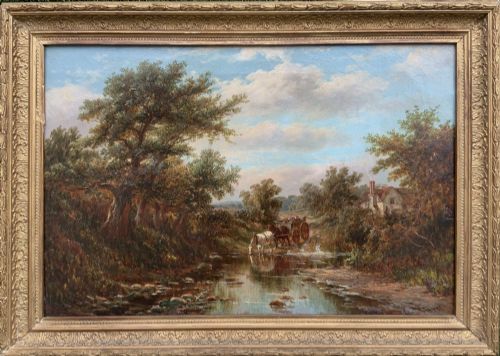
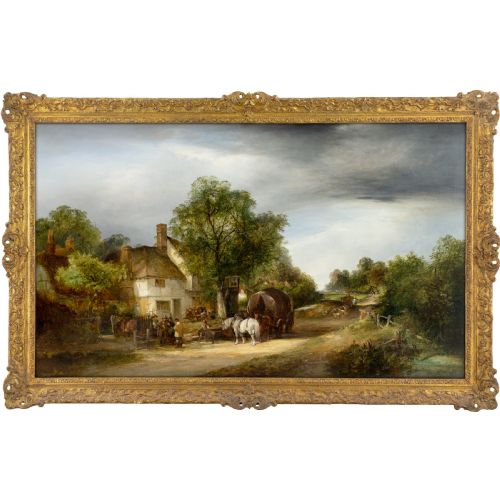
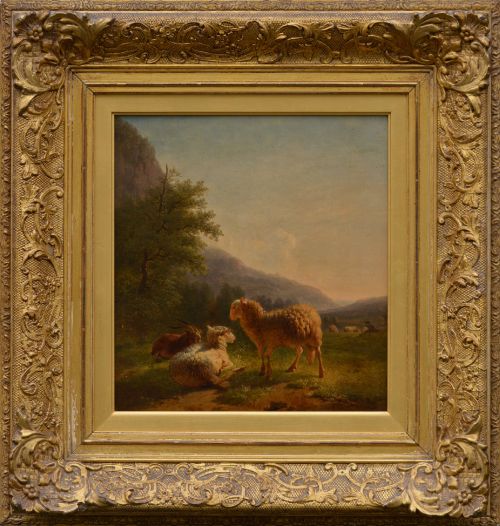
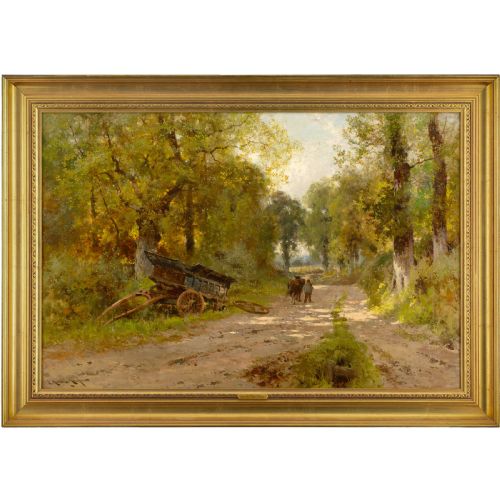
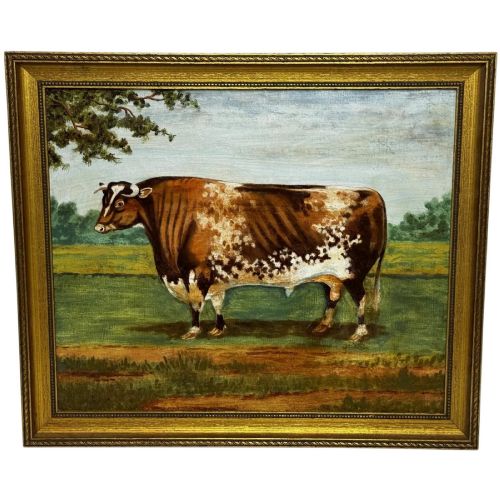
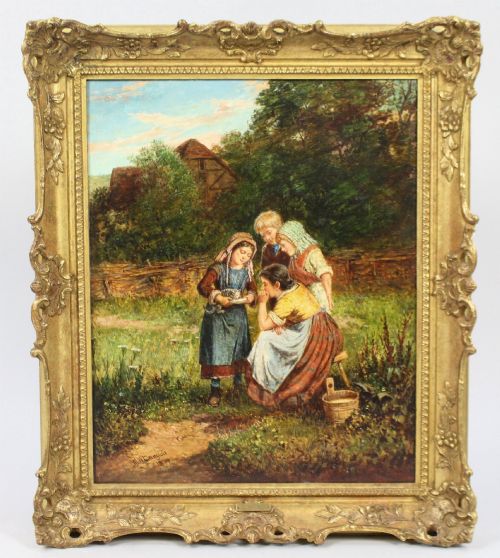
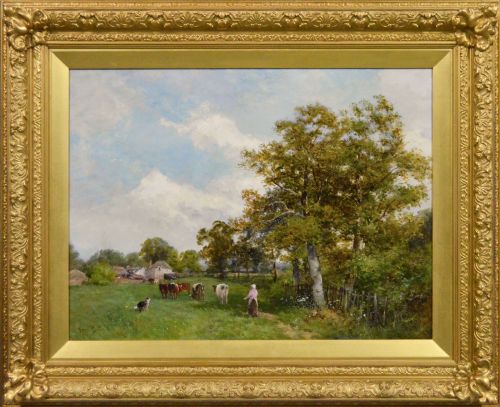
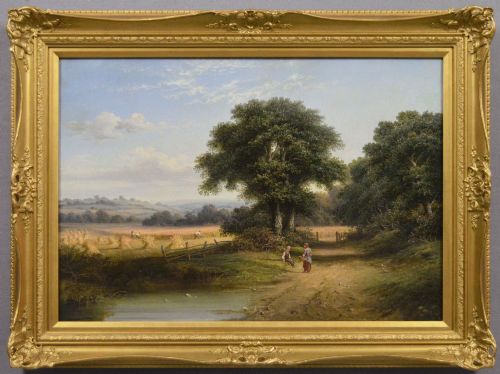
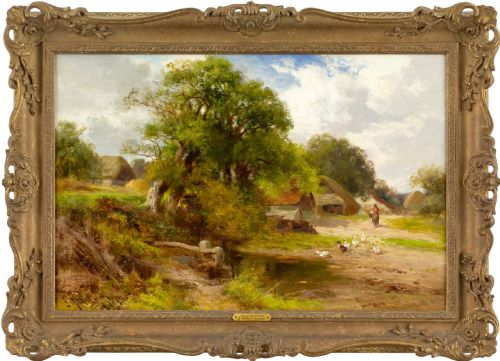
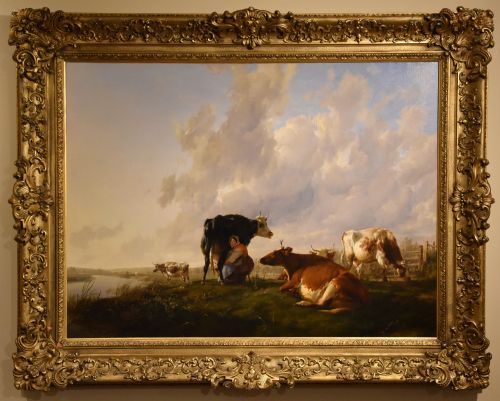
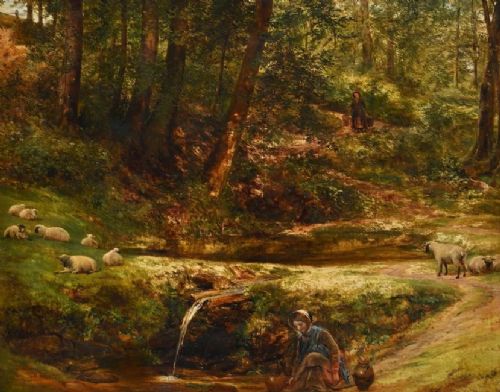
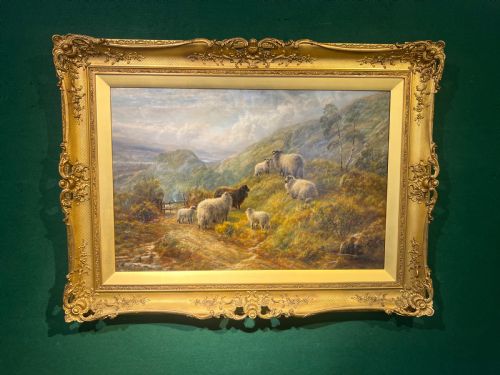
When you search for a victorian pastoral canvas, you seek oil paintings on canvas depicting rural landscapes, farm animals, and country figures from the nineteenth century.
Victorian Pastoral Canvas
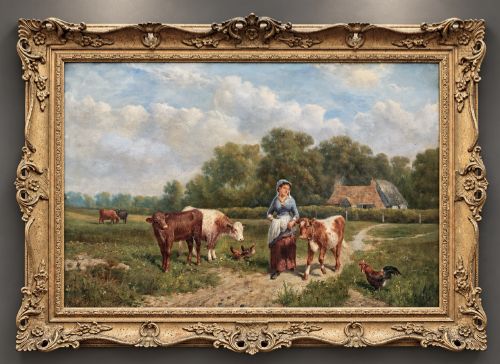
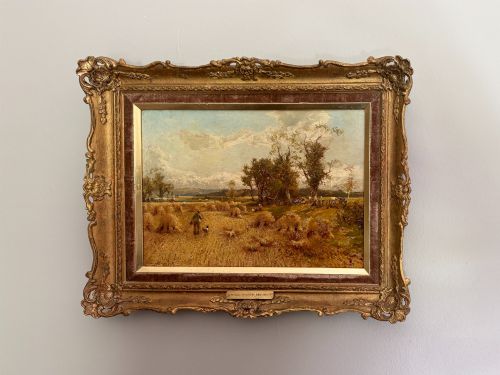
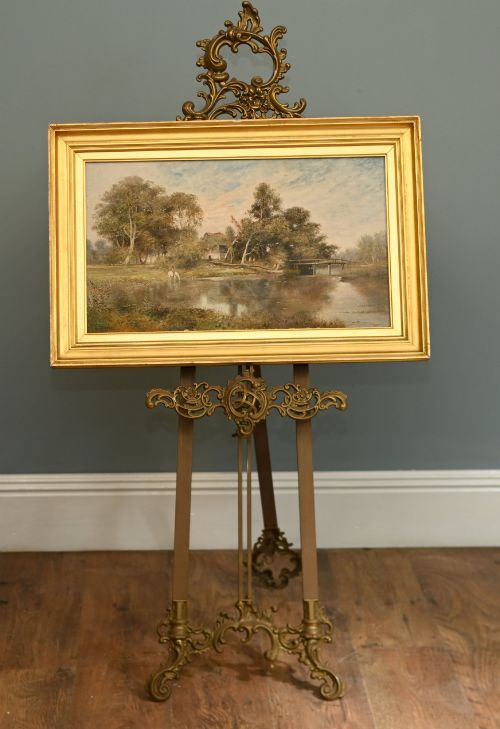
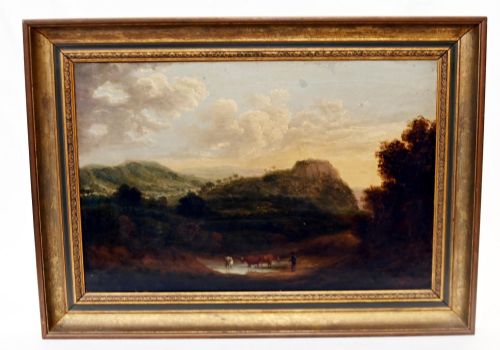
A victorian pastoral canvas captures the nineteenth-century British and European countryside, focusing on rural life, agricultural scenes, and domesticated animals within natural settings.
You will most frequently encounter landscape oil paintings on canvas depicting herds of cattle, flocks of sheep, milkmaids, and shepherds by rivers or near farmland.
These artworks reflect period artistic movements including Victorian realism, romanticism, and the British school of painting, recording an idealised rural world.
Materials and Technique
Artists painted primarily with oil paint applied to stretched canvas, building up rich textures and tonal depths across the pastoral scenery.
Many of these works retain their original frames constructed from wood, gesso, and giltwood, which complement the traditional oil medium.
Listings feature nineteenth-century and early twentieth-century oil paintings on canvas, utilising wood, gesso, and giltwood frames.
Assessing Quality
Quality rests upon the artist's ability to render animal anatomy, human figures, and atmospheric light convincingly within the landscape.
Works by established named painters demonstrate superior brushwork, compositional balance, and narrative detail compared to unsigned or lesser-known studio pieces.
Eugène Verboeckhoven·John Horace Hooper·Thomas Sidney Cooper·Richard Redgrave·Robert Watson·Albert Rieger·William Watson Jnr·Johann Friedrich Voltz·Henry H Parker·Henry Schouten·John Emms·A M Gauci·William Henry Mander·Alfred Augustus Glendening Jnr·William Sydney Cooper·Samuel Joseph Clark·George Vicat Cole·Henry John Boddington·Andre de Moller·Robert John Hammond·Sidney Richard Percy·Frederick James Knowles·Charles Vickers·Walter J Watson
The Victorian Pastoral Canvas Glossary
- Oil on Canvas
- Pigments suspended in a drying oil applied to a woven fabric support. This combination allowed artists to blend colours smoothly and achieve rich surface textures.
- Giltwood
- Wood carved and covered with a thin layer of gold leaf or metallic gilt. It provided ornate framing that enhanced the visual warmth of nineteenth-century paintings.
- Gesso
- A paint mixture consisting of a binder mixed with chalk, gypsum, or pigment. It served as a smooth preparation layer on wooden frames before gilding.
- Pastoral
- A genre of art concerning the idealized lives of shepherds, farmers, and rural labourers. These scenes romanticised agricultural toil and country solitude.
Victorian Pastoral Canvas: Frequently Asked Questions
What is a pastoral painting?
A pastoral painting depicts rural scenes, usually featuring agricultural workers, farm animals, and countryside landscapes. These artworks often present a tranquil view of country life.
They reflect nineteenth-century artistic interests in nature, farming, and the traditional rhythms of rural communities.
How were these canvases framed?
Most nineteenth-century canvases were set into wooden frames finished with gesso and giltwood. These ornate surrounds helped isolate the painted scene from the room.
Many surviving pieces retain their period frames, which contribute significantly to the overall presentation and historical integrity of the artwork.
Who collected these pastoral scenes?
Wealthy industrialists and urban middle-class buyers purchased these rural oil paintings during the nineteenth century. They desired reminders of a simpler, natural countryside.
Today, collectors of Victorian art continue to seek these traditional landscapes to furnish period interiors.
How do I identify the period?
You can date these paintings by examining the canvas stretcher, framing style, artist signatures, and subject matter conventions. Nineteenth-century works often bear specific stylistic traits of realism or romanticism.
Reference books and artist registry records help confirm the active working dates of the painters.