


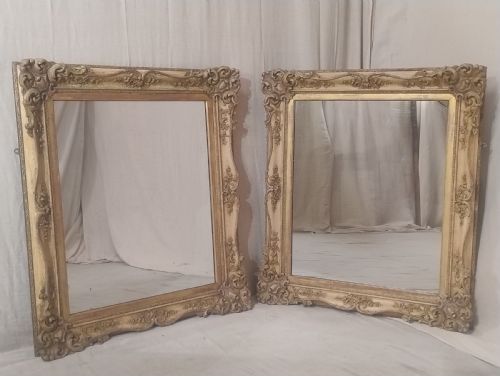
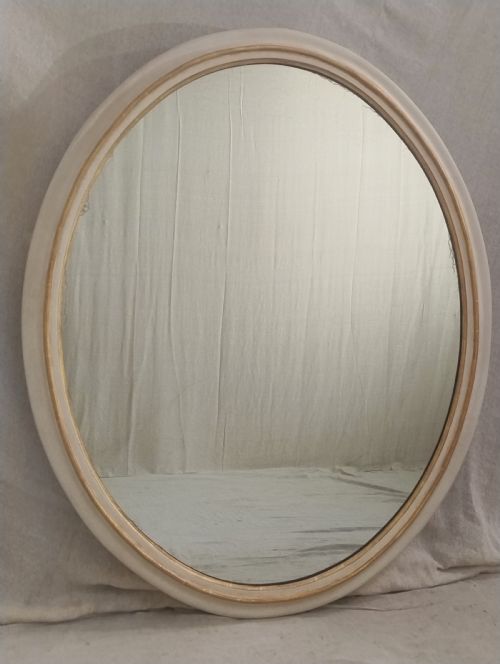


Victorian Parcel Gilt Mirror
A victorian parcel gilt mirror brings targeted highlights of gold leaf against contrasting dark wood or painted surfaces to period interiors.
Victorian Parcel Gilt Mirror
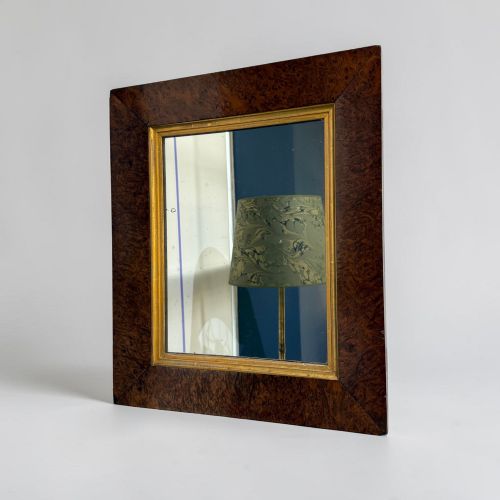
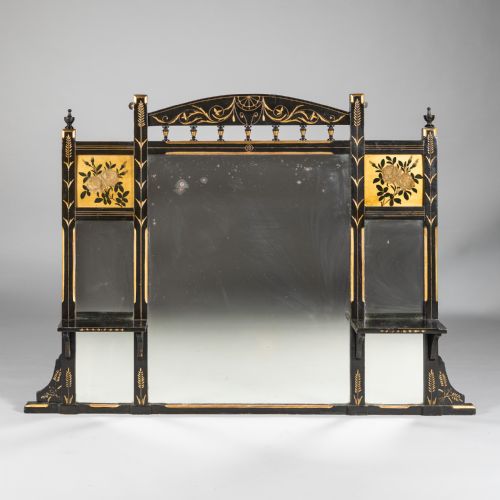
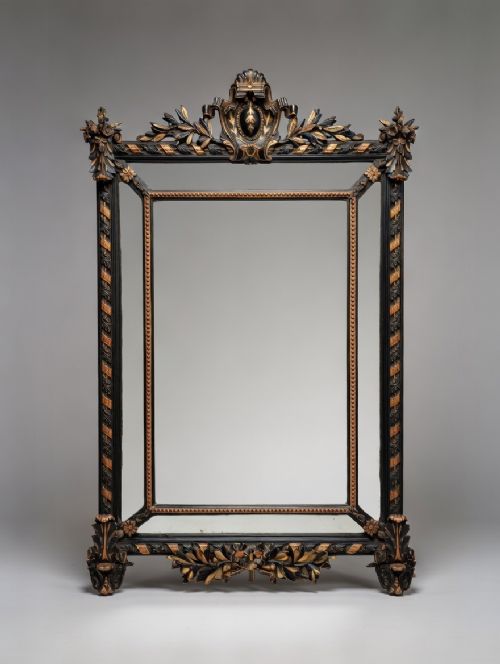
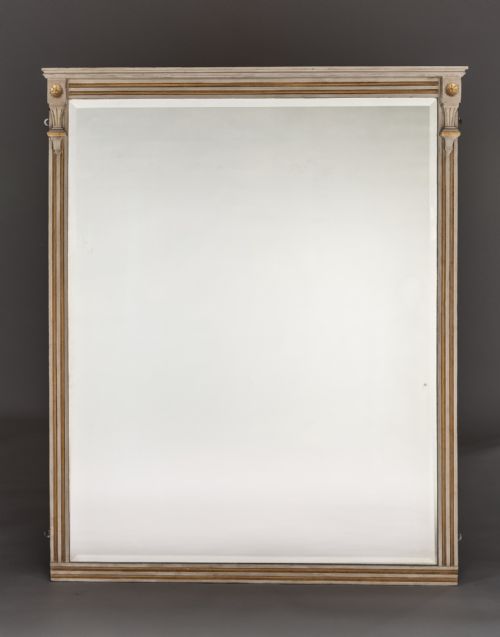
A victorian parcel gilt mirror combines a primary painted or dark wood body with selective gilding applied only to raised carved details, mouldings, or motifs. This technique draws the eye to specific decorative elements rather than blanketing the entire frame in gold.
The pieces appearing here include substantial architectural overmantel mirrors designed to sit above a fireplace, alongside tall pier mirrors and smaller wall-hanging formats. Overmantels dominate the selection, often featuring arched tops and wide proportions intended to reflect light across a nineteenth-century drawing room.
Dating primarily from the nineteenth century, these mirrors span the Victorian era with examples carrying influences from Aesthetic Movement designs, revival styles like Chippendale and George II, and neoclassical schemes. Walnut, mahogany, ebonised wood, and oak serve as the foundational timbers for these frames.
Materials and Construction
Makers built these frames using solid hardwoods including mahogany, walnut, and oak, frequently applying an ebonised finish or dark paint to create a stark visual contrast with the bright metallic elements. Gesso served as the plaster-like base layer applied to carved wooden details to receive and hold the fine metal leaf.
Gold leaf or silver gilt was then painstakingly laid onto the prepared gesso sections by hand, using sizing adhesives to secure the extremely thin metallic sheets. This selective application defined parcel gilt work, leaving the underlying timber or dark ground visible on the unornamented flat surfaces of the frame.
Distinctions in Execution
Quality in these mirrors rests upon the crispness of the hand-carved wood and gesso ornamentation beneath the leaf, where sharper relief and deeper undercut details separate finer workshops from mass production. The precision with which the gold leaf meets the ebonised or painted boundaries dictates the visual discipline of the piece.
Substantial timber thickness and sturdy structural joinery at the frame corners ensure that large overmantel formats support heavy glass plates securely over decades of use. The choice of primary wood, whether dense mahogany or figured walnut, also marks the distinction between standard utility items and ambitious parlour furnishings.
Nosotti·William Kent
The Victorian Parcel Gilt Mirror Glossary
- Parcel Gilt
- A decorative treatment where only specific raised portions of an object are gilded with gold leaf, leaving the rest of the surface painted or in natural wood.
- Overmantel Mirror
- A large mirror specifically constructed to hang or rest on the mantelpiece above a fireplace.
- Ebonised Wood
- Timber treated with chemical stains, paints, or polishing to imitate expensive ebony.
- Gesso
- A plaster mixture applied to wood surfaces as a smooth base for carving or guilding.
- Pier Mirror
- A tall narrow mirror designed to hang on the wall space between windows.
Victorian Parcel Gilt Mirror: Frequently Asked Questions
How do I hang a heavy overmantel mirror safely?
Large nineteenth-century overmantel frames carry significant weight from timber and glass, requiring secure attachment directly into wall studs or masonry using heavy-duty brackets.
Professional mirror hangers often distribute the load across multiple fixing points to protect the antique wooden frame and prevent wall failure.
What is the difference between a pier mirror and an overmantel mirror?
Pier mirrors were built to fit the narrow wall sections between architectural windows, resulting in tall and slender vertical proportions.
Overmantels prioritise width over height to span the horizontal expanse of a chimney breast, frequently incorporating arched tops.
Can these mirrors be placed in modern interiors?
The stark contrast of ebonised wood and selective gilding pairs effectively with minimalist contemporary colour schemes and neutral walls.
Leaning an overmantel mirror on the floor against a living room wall creates an intentional focal point without requiring permanent wall installation.