

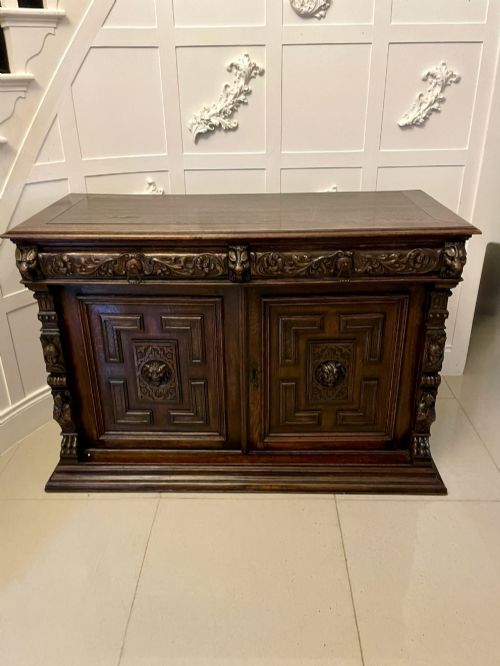
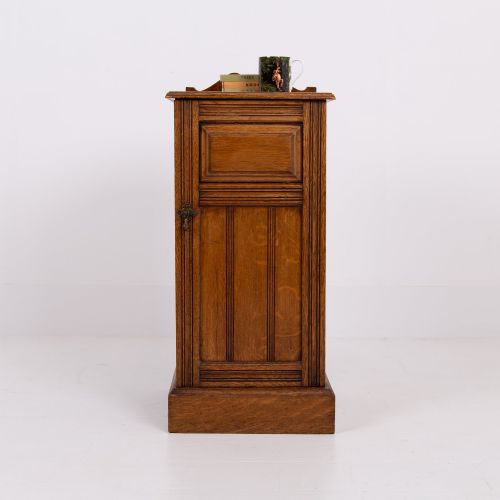
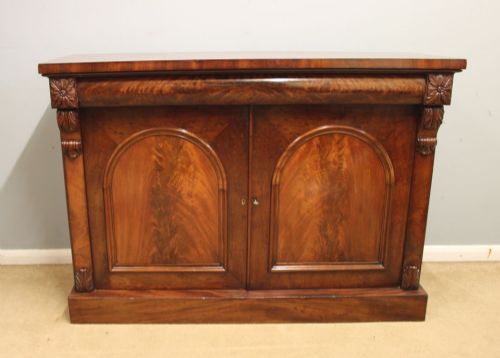
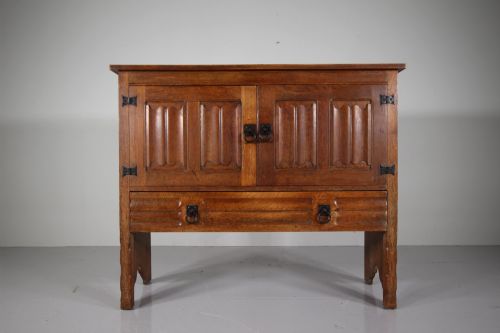
Victorian Panelled Cupboard
A victorian panelled cupboard brings heavy timber utility and rich domestic history into a modern interior.
Victorian Panelled Cupboard
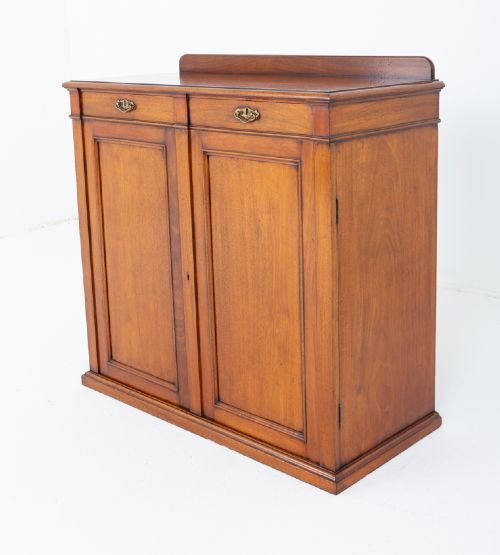
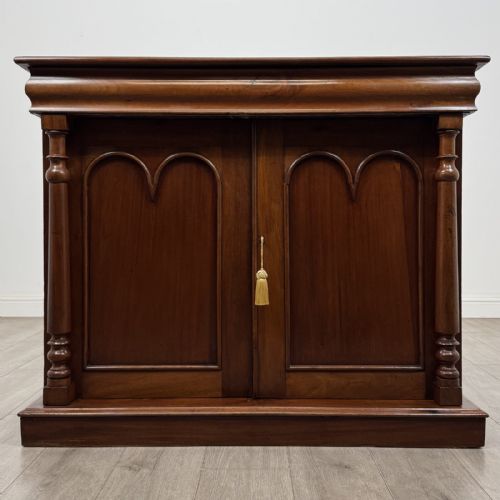
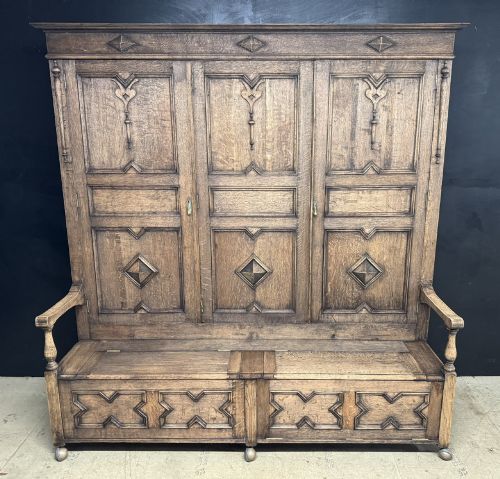
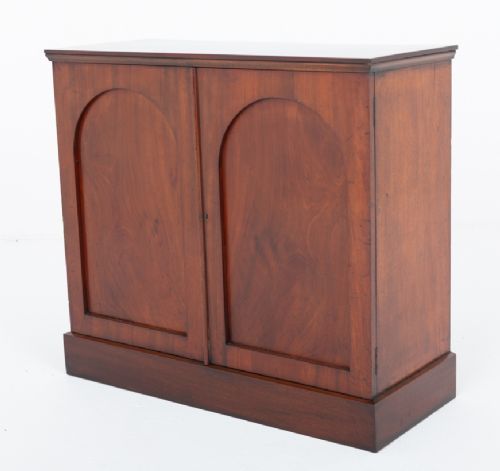
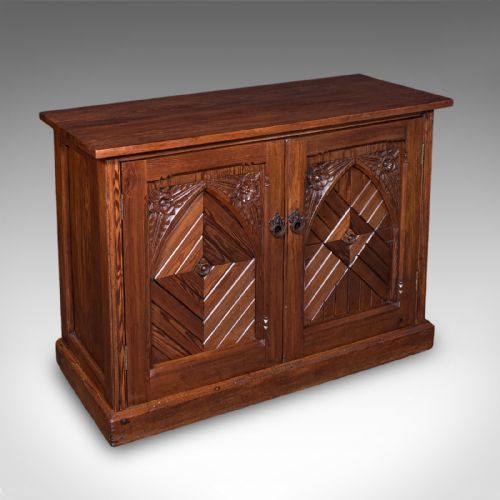
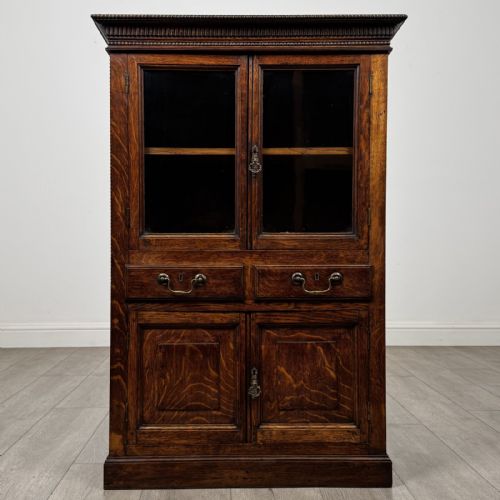
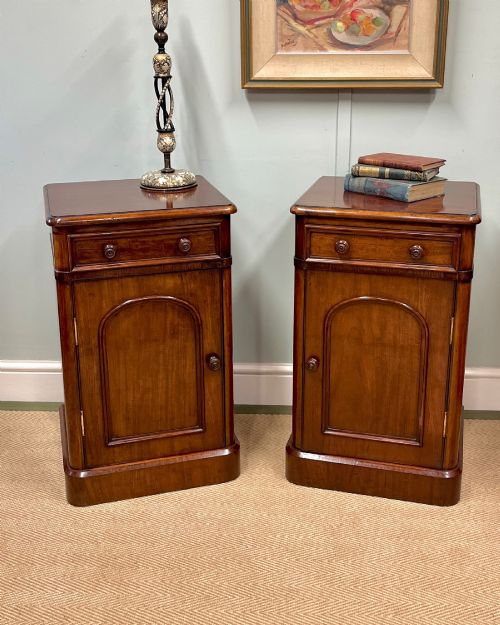
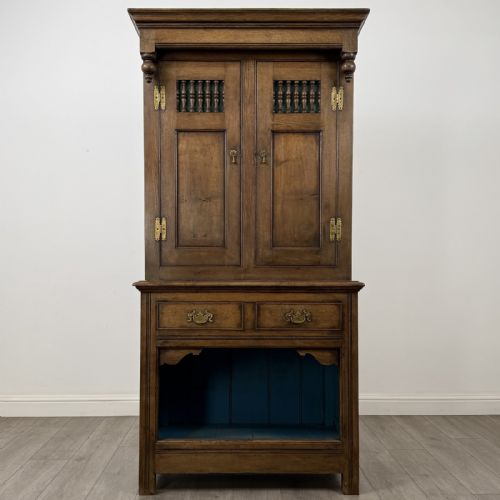
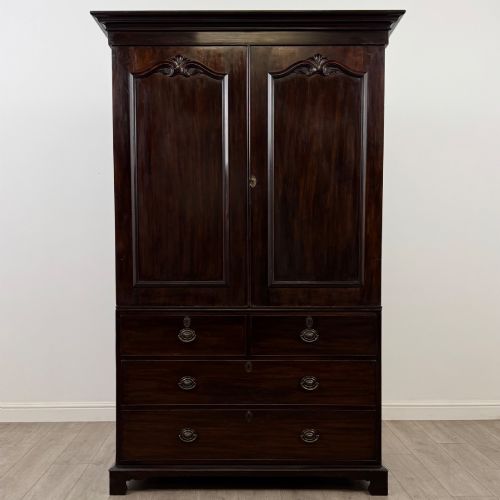
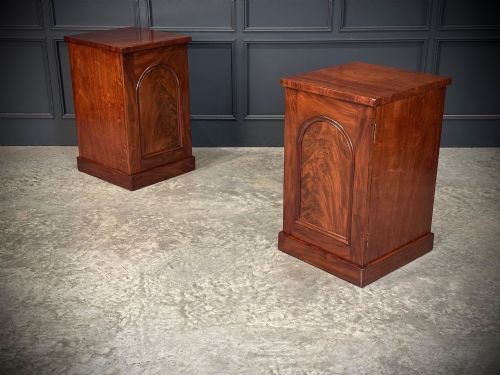
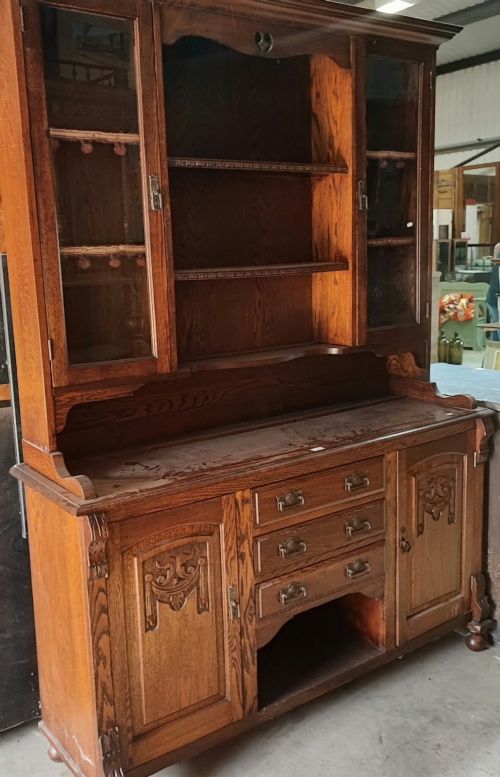
A victorian panelled cupboard encompasses a wide assortment of timber storage furniture from the nineteenth century, ranging from compact bedside cabinets to large linen presses and sideboards. The pieces available reflect various regional vernaculars and formal revival movements across English workshops.
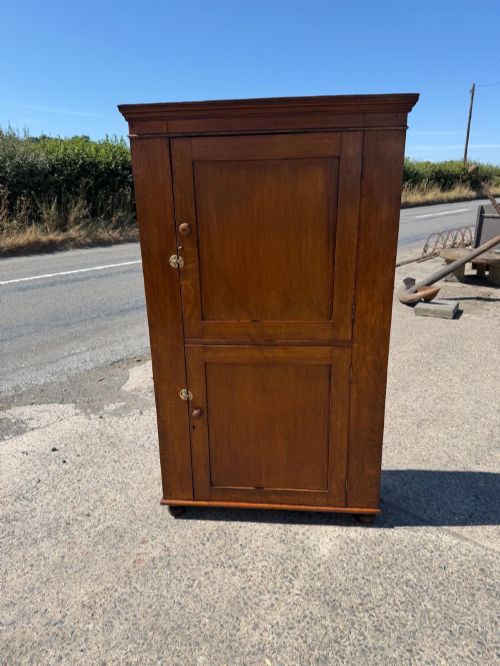
Buyers will most frequently encounter oak and mahogany examples featuring framed doors, alongside utility items constructed from pine and painted surfaces. These functional items served domestic needs in bedrooms, halls, and dining spaces throughout the Victorian era and into the early twentieth century.
Materials and Technique
Cabinet makers relied heavily on solid hardwoods like oak and mahogany, alongside softer pine timbers for utility pieces, often employing brass hardware and glass panels for display functions. Construction methods involved traditional joinery such as panelled doors and carved detailing executed by hand.
Surface treatments varied from polished flame veneers and waxed grains to original scumble paintwork and applied pigments, showing a range of workshop finishes from simple domestic pine to elaborate Gothic and Aesthetic styles.
Victorian Panelled Cupboard Retail Price Guide 2026
Typical asking prices for victorian panelled cupboard among the pieces listed under this phrase on Sellingantiques today, from the lower quarter to the upper quarter. They describe what is for sale here now, not the wider market.
Musicians once kept sheet music inside specialised Aesthetic Movement cabinets built with fitted shelving.
Distinctions in Manufacture
Quality rests upon the selection of timber, such as figured flame mahogany or dense tiger oak, paired with the precision of carved pillar panels and dental cornices. Finer examples display careful proportion and sophisticated revival styling rather than plain utilitarian construction.
The integrity of original brass handles, hinges, and authentic surface treatments distinguishes higher status pieces from simpler provincial storage items, reflecting the original workshop standard and subsequent preservation.
Henry Ogden and Son
The Victorian Panelled Cupboard Glossary
- Panelled cupboard
- A storage unit featuring framed doors constructed with inset wooden panels to prevent warping. This traditional technique provides structural stability while allowing for decorative mouldings.
- Linen press
- A tall storage piece designed for textiles, typically combining sliding trays in the upper section with drawers or a hanging space below. These large items formed an essential part of nineteenth century household organisation.
- Pot cupboard
- A small bedside cabinet originally built to house a chamber pot. These compact pieces frequently feature a single door and top surface suitable for a lamp.
- Scumble paintwork
- A decorative surface finish applied to imitation wood grain or texture. Craftsmen manipulated wet glaze over a lighter base coat to mimic expensive timbers on cheaper woods like pine.
- Dentil cornice
- A classical architectural moulding composed of small rectangular blocks spaced evenly along a projecting shelf. This detail appears on upper sections of display cabinets and wardrobes.
Victorian Panelled Cupboard: Frequently Asked Questions
What is a panelled cupboard?
A panelled cupboard is a wooden storage unit built with inset door panels designed to accommodate seasonal wood movement.
These pieces range from small bedside cabinets to large wardrobes and linen presses originating from the nineteenth and early twentieth centuries.
How do I use a bedside cabinet?
Bedside cabinets function as compact bedside tables that provide concealed storage behind a single door for small personal items.
Their enclosed design keeps the bedroom surface tidy while offering a stable platform for a lamp or book.
How were these cupboards finished?
Makers finished these items with clear wax polish, dark French polish on hardwoods like mahogany and oak, or decorative paint layers including scumble.
Many pine pieces retain their original painted surfaces or show evidence of historical waxing.
What styles are common?
Common styles include Gothic Revival, Aesthetic Movement, Jacobean Revival, and plain Victorian vernacular.
These aesthetic movements dictate the carved detailing, hardware choices, and overall proportions of each cabinet.