

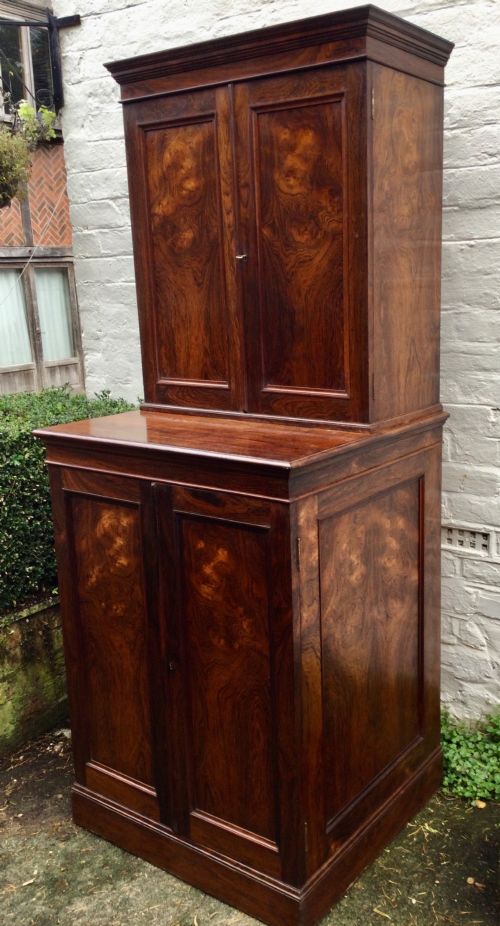
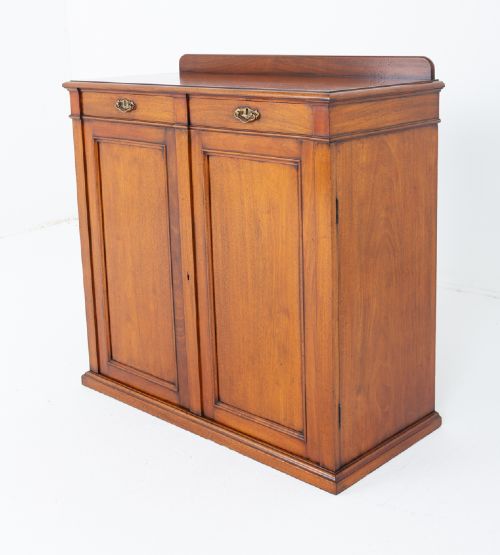
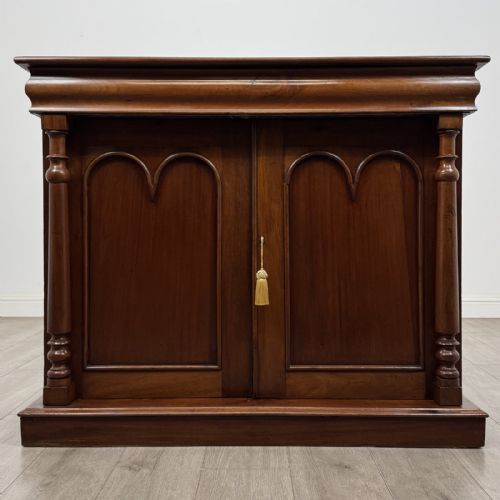
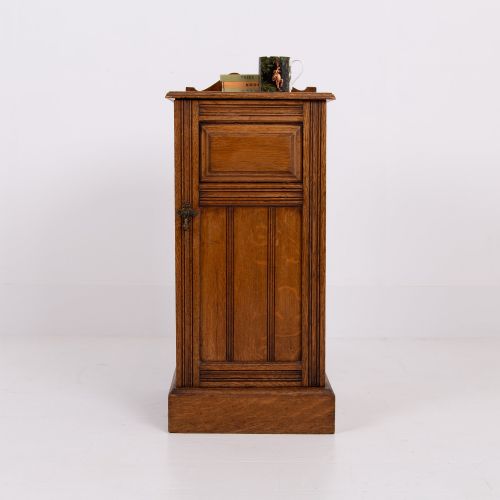
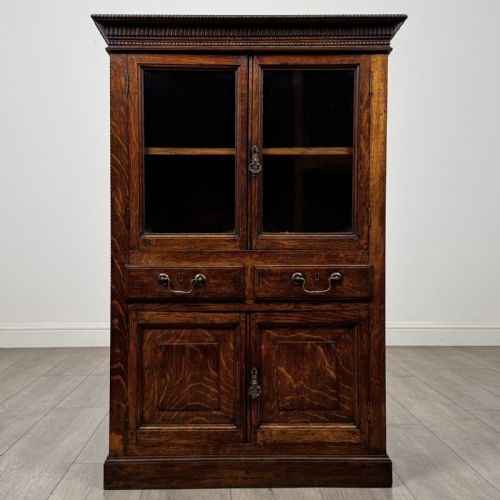
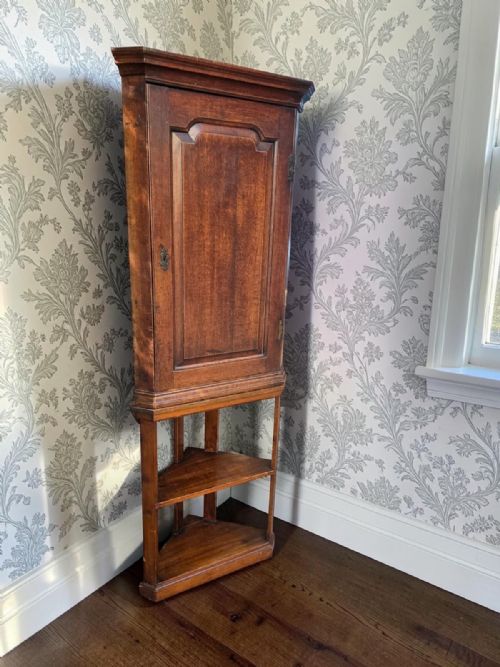
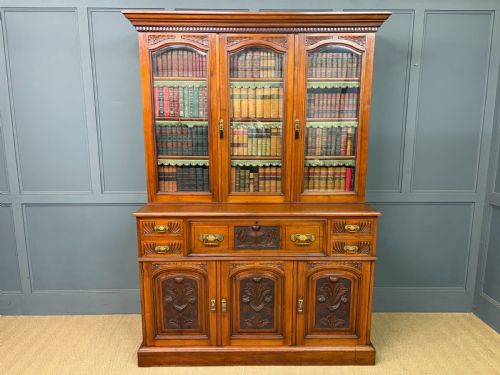
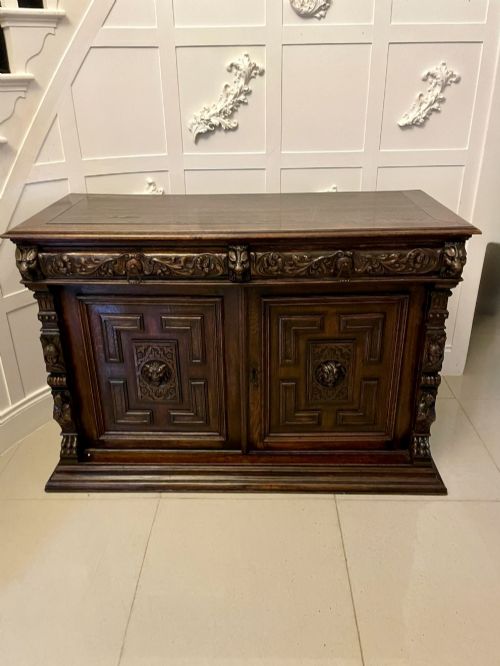
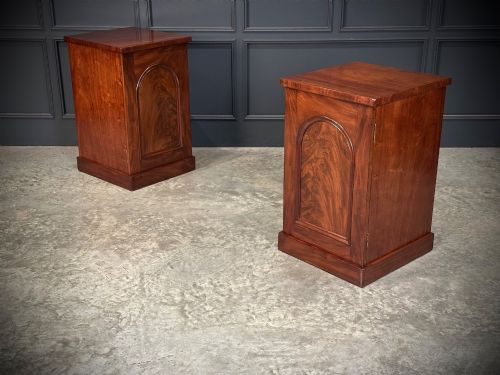
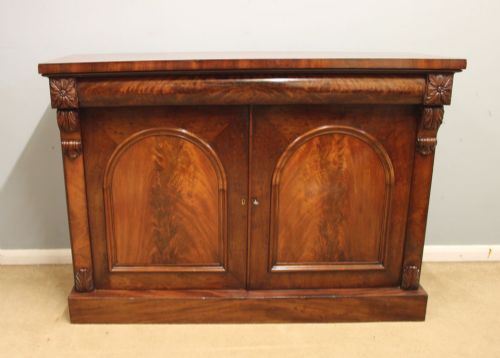
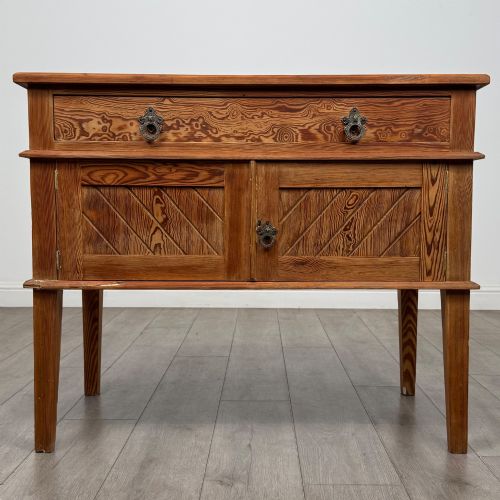
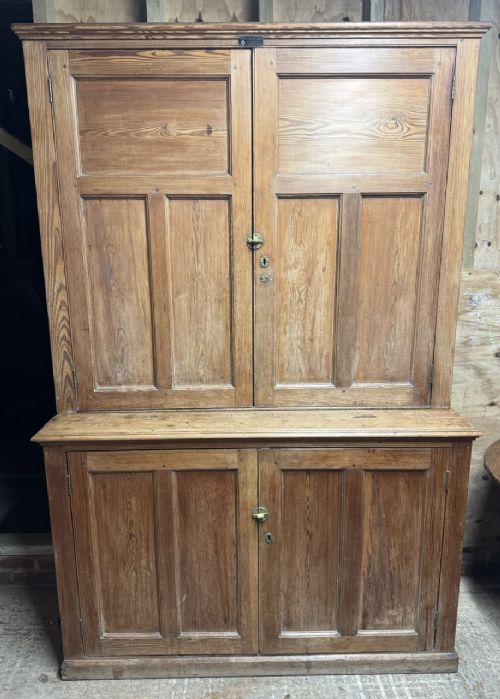
Victorian Panelled Cupboard Cabinet
A victorian panelled cupboard cabinet offers solid timber construction and practical enclosed storage for domestic use.
Victorian Panelled Cupboard Cabinet
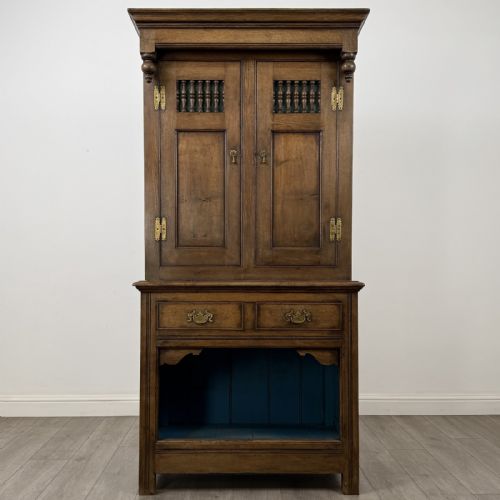
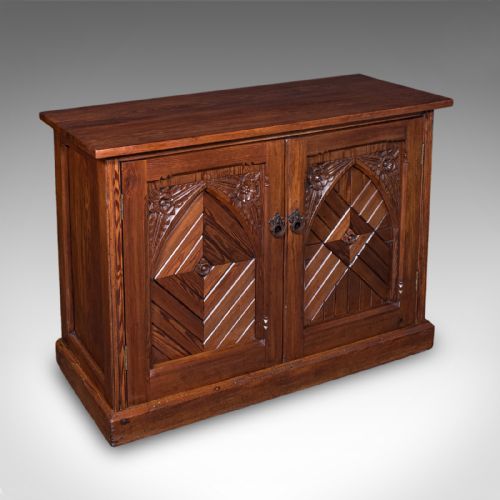
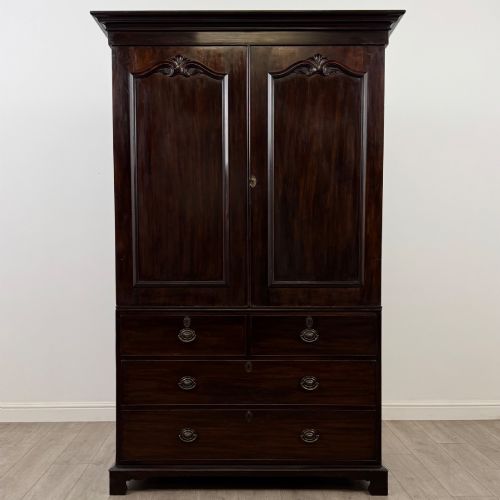
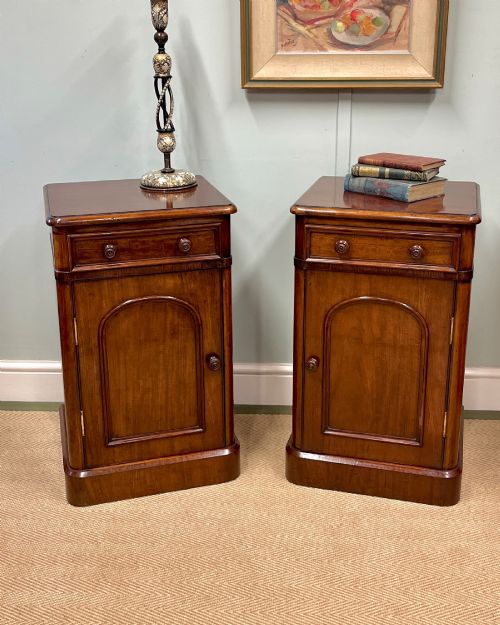
Buyers seeking a victorian panelled cupboard cabinet encounter a range of functional storage furniture originating from the nineteenth century, including sideboards, bedside cabinets, linen presses, and bookcase combinations. Most pieces date from the Victorian period alongside related 19th Century and Edwardian examples.
Makers and regional joiners produced these items to serve specific household storage needs, incorporating glazed doors, carved panels, or plain fielded surfaces. The inventory reflects utilitarian school furniture alongside decorative reception room cabinets.
Materials and Construction
Carpenters utilised sturdy hardwoods like mahogany, oak, and walnut for formal reception furniture, while domestic pine served for larder cupboards, dressers, and school cabinets. Surfaces frequently display polished finishes, original paint, or wax treatments over solid timber boards.
Construction relied on traditional joinery methods, incorporating framed panel doors, dovetailed drawers, and turned supports such as bun feet. Brass and iron hardware, including hinges, drop handles, and locking escutcheons, secured the doors and drawers of these storage pieces.
Victorian Panelled Cupboard Cabinet Retail Price Guide 2026
Typical asking prices for victorian panelled cupboard cabinet among the pieces listed under this phrase on Sellingantiques today, from the lower quarter to the upper quarter. They describe what is for sale here now, not the wider market.
Listings feature woods including mahogany, oak, pine, walnut, rosewood, satinwood, and bamboo, alongside decorative painted and glazed finishes.
Evaluating Construction and Material Quality
Quality separates through the selection of timber figures, such as flame mahogany or burr walnut veneers, compared to plain utility pine or standard oak boards. Heavier carcases and substantial timber thickness distinguish sturdier pieces from lighter secondary furniture.
The precision of panel joinery, the retention of original brass or iron hardware, and the survival of early painted or polished surfaces influence the overall integrity of each cabinet. Finer examples exhibit crisp carved details, decorative mouldings, and well-fitted doors that align squarely within their frames.
Henry Ogden & Son
The Victorian Panelled Cupboard Cabinet Glossary
- Fielded panel
- A wooden panel with bevelled or recessed edges fitted within a grooved frame. This technique allows the timber to expand and contract safely with humidity changes.
- Linen press
- A tall cupboard featuring sliding trays or shelves in the upper section for storing textiles, above a base fitted with drawers. These pieces served domestic households for organising bedding and garments.
- Chiffonier
- A compact sideboard or low cabinet equipped with enclosed lower cupboards and often a shelfed superstructure. They appeared frequently in Victorian parlours for serving refreshments and storing tableware.
- Compactum
- A large, multi-compartment wardrobe or storage cabinet designed to maximise internal capacity through specialised drawers, hanging spaces, and shelving. They represent a space-saving innovation of the nineteenth century.
- Pot cupboard
- A small bedside cabinet designed originally to enclose a chamber pot. These practical items typically feature a single door and a flat top surface for a lamp or jug.
Victorian Panelled Cupboard Cabinet: Frequently Asked Questions
What is a victorian panelled cupboard cabinet?
These items are enclosed wooden storage units featuring inset panels within the doors or sides, produced during the nineteenth century. They include bedside cabinets, linen presses, and larger floor-standing cupboards.
Craftsmen built them to store household goods, linens, and provisions, utilising regional timbers suited to both utility rooms and formal parlours.
How were these cabinets used originally?
Households utilised these pieces for organising food supplies, storing folded bed linens, or concealing bedroom utensils. Smaller versions stood beside beds as lamp stands and enclosed storage.
Larger variations functioned as dining room sideboards or hallway storage for seasonal garments and household equipment.
How do I identify a Victorian piece?
Authentication relies on observing timber types, construction methods, and characteristic hardware of the nineteenth century. Common indicators include hand-cut dovetails, solid wood carcases, and period-appropriate locks.
Styles such as Gothic Revival, Aesthetic Movement, and Renaissance Revival provide further chronological markers within the Victorian era.
How do I care for antique timber furniture?
Preservation involves maintaining stable indoor humidity and temperature away from direct heat sources. Regular dusting with a soft cloth protects the polished or waxed wood surfaces.
Occasional application of appropriate wax polish maintains the moisture and sheen of antique pine, oak, and mahogany without sealing the grain.