






Victorian Painted Wooden Coffer
A victorian painted wooden coffer is a robust storage piece that brings character and history into a room.
Victorian Painted Wooden Coffer
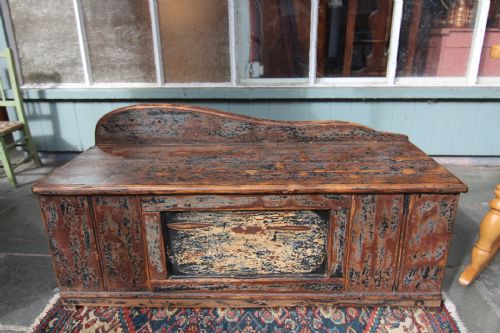
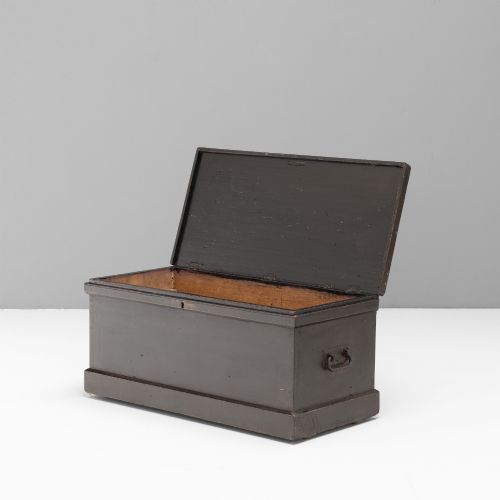
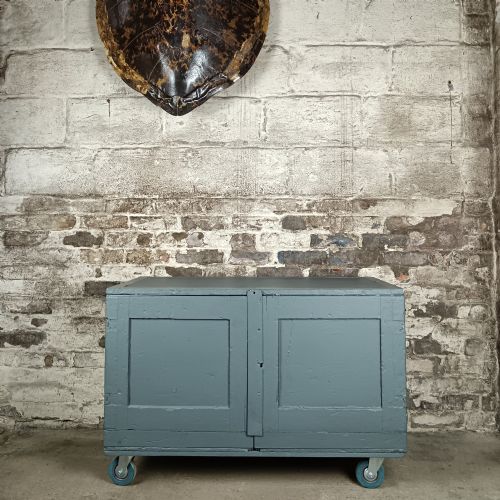
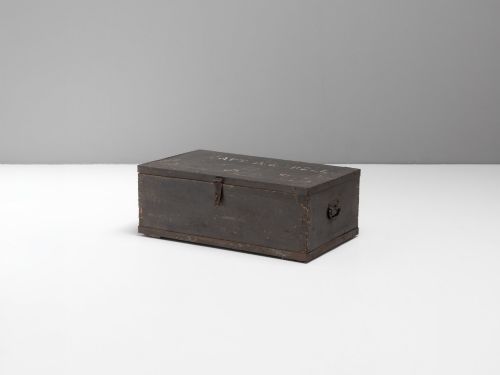
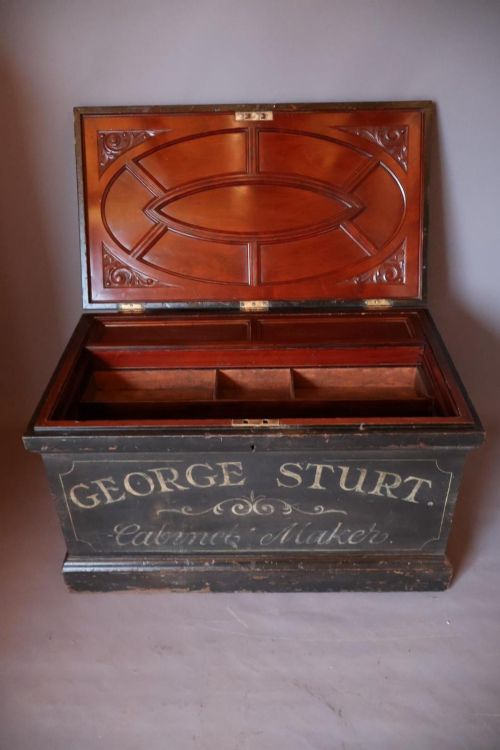
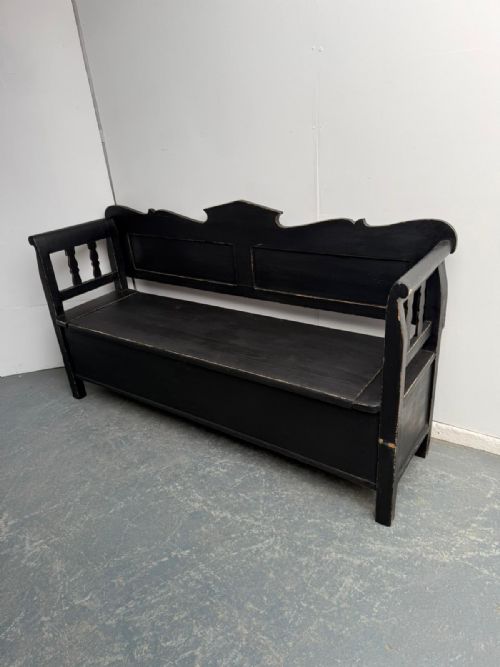
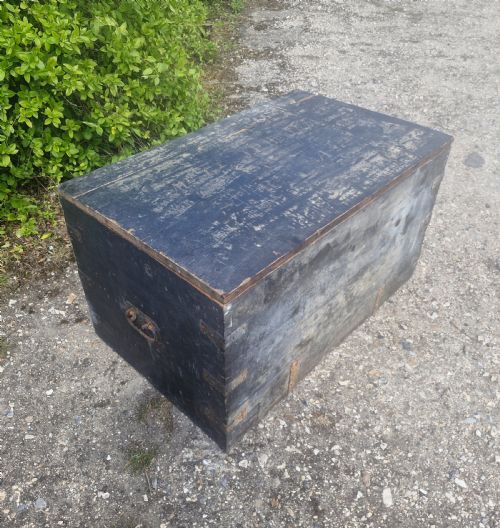
A victorian painted wooden coffer takes many forms on this page, ranging from travel trunks and campaign chests to blanket boxes and benches. Most examples date from the nineteenth century and span utilitarian travelling items as well as domestic storage.
The regional and functional origins vary widely, taking in military transport, maritime use, Masonic lodges and artisan workshops. Buyers find everything from small artisan boxes to large scumbled storage chests.
Pine is the predominant structural wood, often finished with decorative paint techniques such as scumbling, graining or polychrome work. These pieces served practical needs before finding a place in modern interiors.
How they were made
Construction relies heavily on solid pine boards assembled for durability, frequently strengthened with iron or brass mountings for travel and daily use. Makers utilised traditional joinery suited to transport boxes, blanket chests and benches.
Surfaces received protective and decorative coats of paint, including scumble glazes, imitation graining and hand-painted folk art details. Interior fittings sometimes included paper linings or specialised compartments for tools and uniforms.
Victorian Painted Wooden Coffer Retail Price Guide 2026
Typical asking prices for victorian painted wooden coffer among the pieces listed under this phrase on Sellingantiques today, from the lower quarter to the upper quarter. They describe what is for sale here now, not the wider market.
One travel trunk comes with a bright red interior ready to surprise anyone lifting the lid.
What varies in quality
The integrity of the original paint surface determines much of the distinction between examples, with untouched scumbled or polychrome finishes holding particular appeal. Original ironwork, working keys and bracket feet also elevate the standing of a piece.
Construction depth matters, distinguishing estate-made artisan chests from standard utility trunks. Well-preserved interior paper linings and structural hardware complete the measure of quality.
The Victorian Painted Wooden Coffer Glossary
- Scumble
- A decorative painting technique involving a translucent top layer dragged or combed over a lighter base to imitate richer woods. This finish was widely applied to Victorian pine furniture.
- Campaign chest
- A portable trunk or chest made in sections for military transport during the nineteenth century. These pieces often feature recessed brass handles and corner brackets.
- Mule chest
- A storage chest fitted with one or more drawers beneath the main compartment. It bridges the design between a simple box and a chest of drawers.
- Kist
- A traditional regional term for a heavy wooden storage chest or box. They were commonly used in domestic settings for linens and personal belongings.
- Polychrome
- Decorated in multiple colours. In folk art and barge work, this term describes vibrant painted motifs.
Victorian Painted Wooden Coffer: Frequently Asked Questions
What were painted coffers used for originally?
These pieces served practical purposes such as transporting military equipment, storing household blankets, carrying tools or holding personal belongings during travel.
Many adapted to domestic life as seating benches or general storage within the home.
How do I care for an old painted wooden box?
Keep the piece away from direct heat sources and strong sunlight to protect the aged wood and delicate painted surfaces from drying out.
Dust gently with a dry cloth and avoid harsh chemical cleaners that might strip the historic finish.
Are these trunks suitable for daily storage use?
Most examples remain structurally solid and offer generous interior space for blankets, shoes or household items.
Their robust construction of pine and iron makes them well-equipped for regular use in modern rooms.
How can I tell the difference between periods?
Dating relies on construction methods, hardware types, and stylistic clues within the paintwork and timber.
Nineteenth-century examples often display specific regional characteristics, iron reinforcing brackets or hand-applied scumble glazes.