
Victorian Painted Storage Drawers
These Victorian painted storage drawers bring robust utility and painted character into modern rooms.
Victorian Painted Storage Drawers
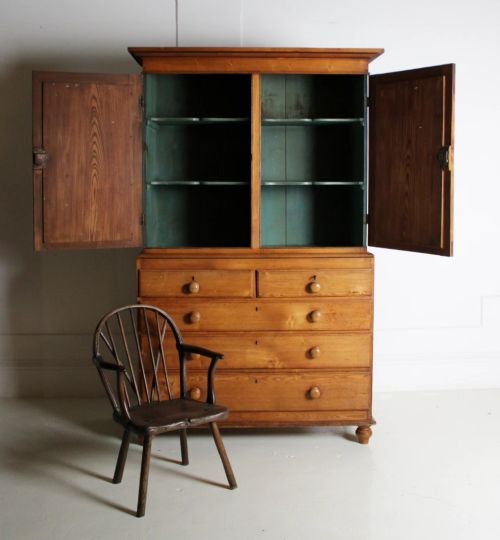
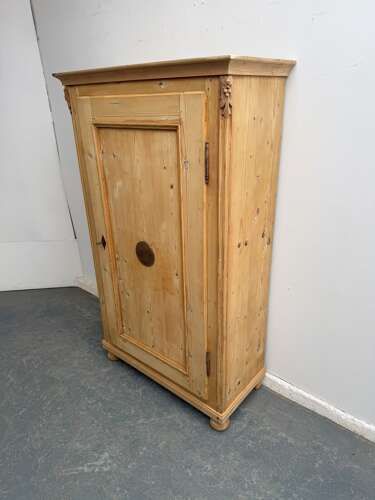
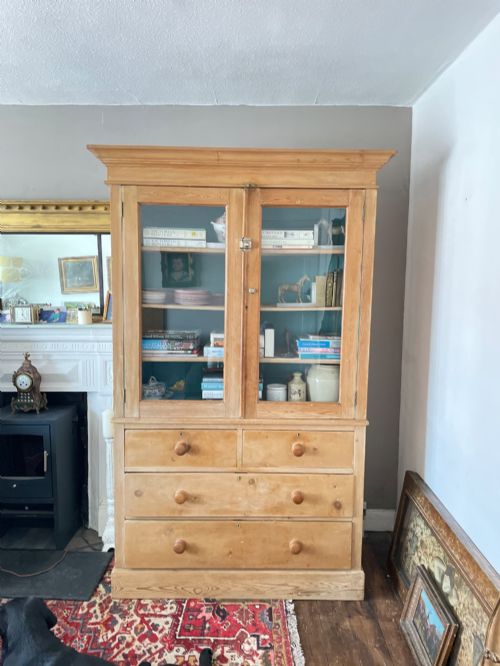
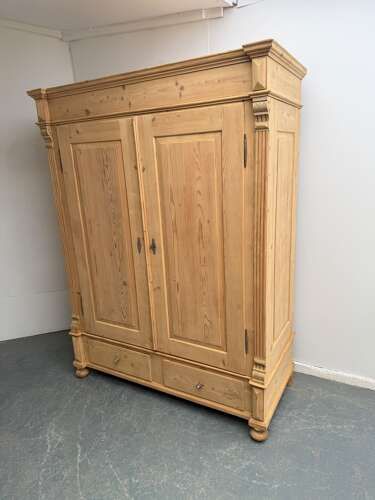
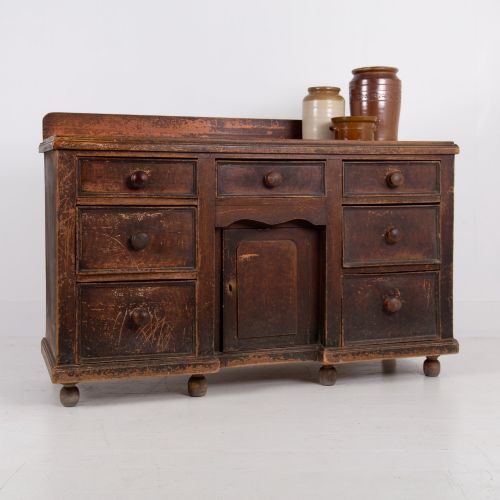
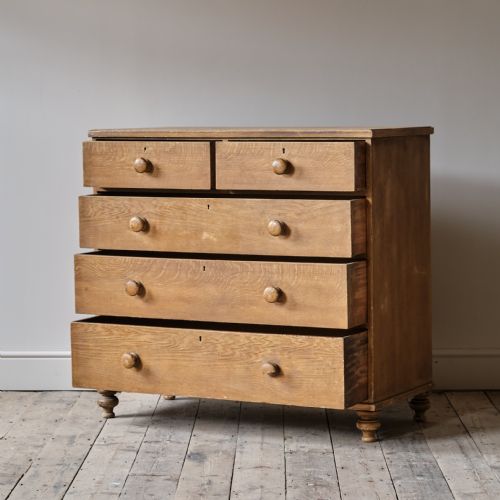
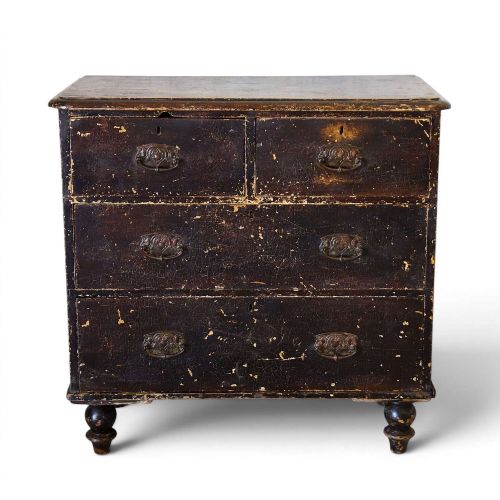
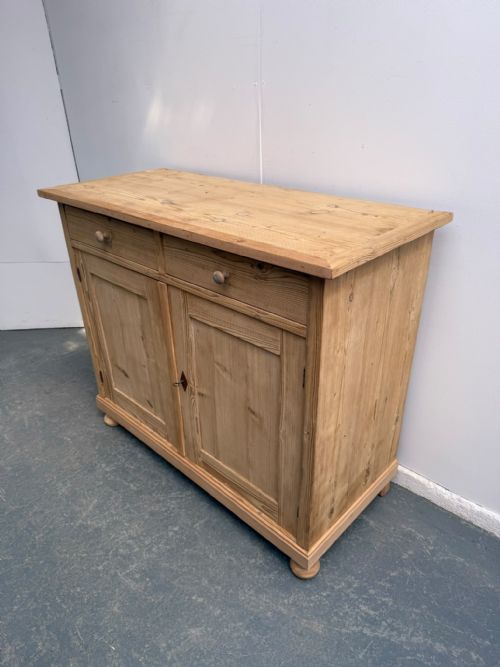
Victorian painted storage drawers comprise utilitarian pieces built to hold household goods, textiles, and shop stock during the nineteenth century. These items appear primarily as chests of drawers, multi-drawer shop fittings, and dresser bases made from pine.
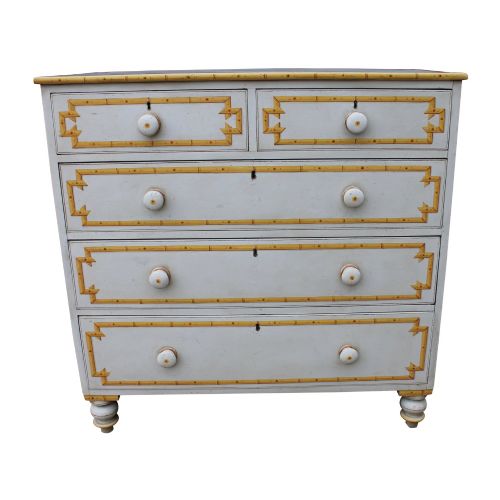
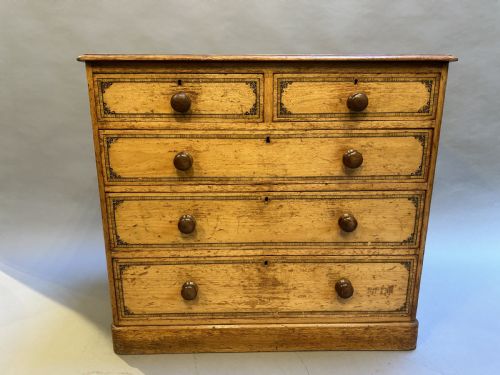
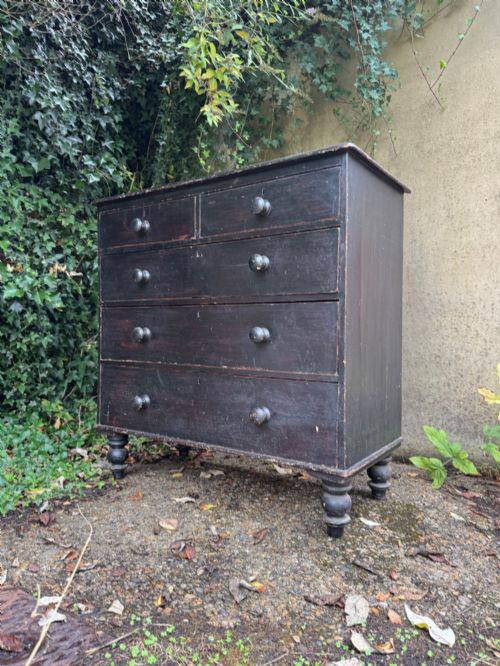
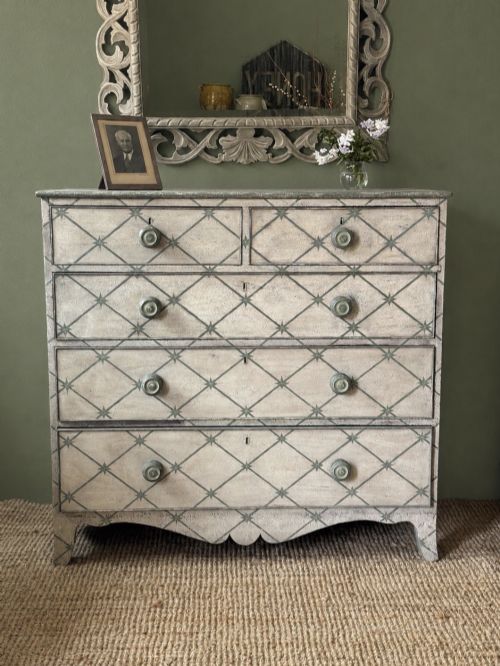
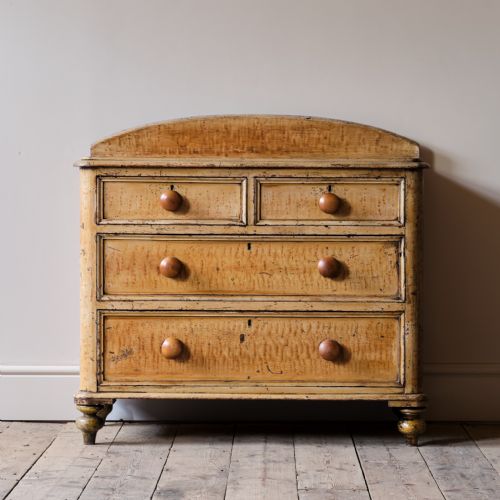
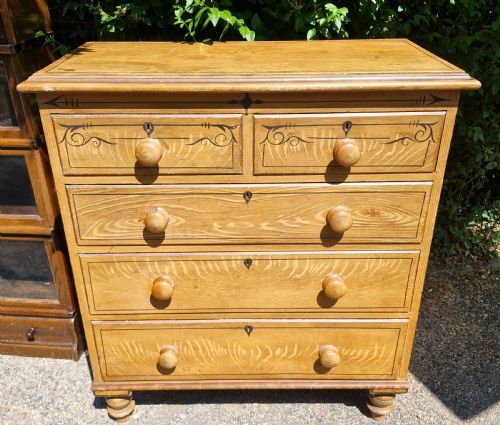
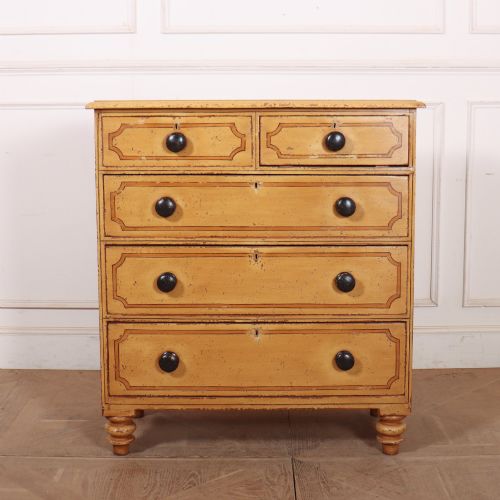
Chests of drawers dominate the selection, ranging from standard bedroom storage to artist chests and larger multi-drawer units. Surviving examples often display painted finishes, from simple scumble glazes to original coloured coats.
Makers produced these storage pieces for domestic settings, farmhouses, and commercial shops. The robust construction suited heavy daily use, leaving behind practical furniture with honest surface wear.
Materials and Construction
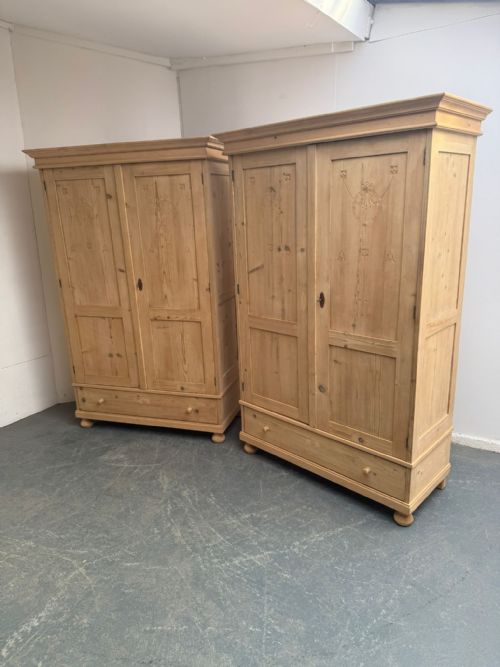
Makers constructed these storage pieces predominantly using pine, selecting softwoods for ease of fabrication and plentiful supply. Iron and brass hardware provided structural support and drawer pulls, while glass occasionally appeared on glazed cabinet doors.
Surfaces received decorative treatments including original paint, scumble glazes, and stencil work. Craftsmen applied pigmented layers directly to the wood, sometimes employing faux bamboo techniques or decorative Chinoiserie motifs.
Chemists and shopkeepers relied on multi-drawer banks with dozens of tiny compartments to sort mysterious powders, pills, and potions.
Quality Variations
Quality rests in the originality of the painted surface and the integrity of the timber framework. Pieces retaining genuine period paint schemes carry greater historical interest than later overpainted examples.
Construction methods distinguish standard domestic items from commercial shop fittings. Multi-drawer apothecary units and large bank of drawers assemblies require precise internal joinery to support heavy daily operation.
Edwards and Roberts
The Victorian Painted Storage Drawers Glossary
- Scumble paint
- A translucent glaze brushed over a base coat and manipulated with combs or rags to imitate grained wood. This finish protected the underlying pine while adding visual depth.
- Shop fitting
- Heavy commercial furniture built for retail environments, including multi-drawer banks and counters. These pieces prioritize maximum storage capacity and durable construction.
- Dresser base
- The lower section of a kitchen dresser featuring cupboards and drawers beneath a flat top. They served as primary food preparation and storage surfaces in nineteenth-century homes.
- Faux bamboo
- Carved or painted surface decoration designed to replicate natural bamboo stalks. Makers utilised this exotic style during the nineteenth century for decorative effect.
Victorian Painted Storage Drawers: Frequently Asked Questions
What rooms suit a bank of drawers?
These multi-drawer units fit well in kitchens, studios, or hallways where extensive small-item organisation proves useful. Their compartmentalized design accommodates dry goods, art supplies, or everyday household accessories.
The substantial footprint and utilitarian aesthetic anchor modern spaces, contrasting cleanly against minimal interiors while providing genuine nineteenth-century storage capacity.
How do I care for original painted surfaces?
Preserving historic paint requires avoiding harsh chemical cleaners and modern solvents that strip pigmented layers. Dust gently with a dry microfibre cloth and keep pieces away from direct sunlight.
Wax coatings applied over original paint need careful evaluation, as inappropriate polishes can soften brittle nineteenth-century finishes. Consult a specialist before applying any conservation products.
How do I date a pine chest?
Dating relies upon examining construction methods, drawer dovetails, and backboards. Nineteenth-century examples typically feature hand-cut joints and native pine timbers lacking modern machine marks.
Hardware styles, lock types, and the presence of original scumble or painted finishes offer further chronological clues that align with Victorian manufacturing practices.
Are these drawers suitable for daily use?
Solid pine construction and sturdy nineteenth-century joinery make these pieces durable enough for contemporary storage needs. Drawers generally slide smoothly once adjusted to modern humidity conditions.
Careful loading prevents excessive strain on historical runners and internal framing, ensuring the functional integrity of the piece remains undisturbed over decades of use.