
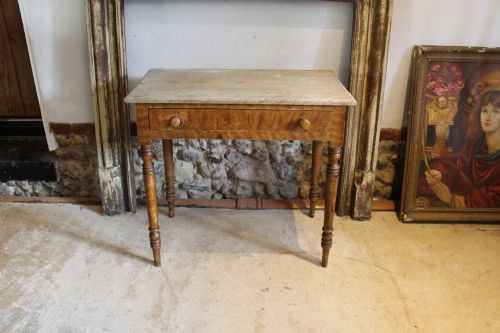
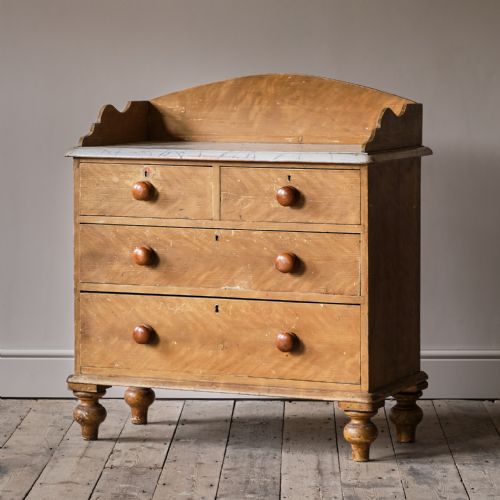
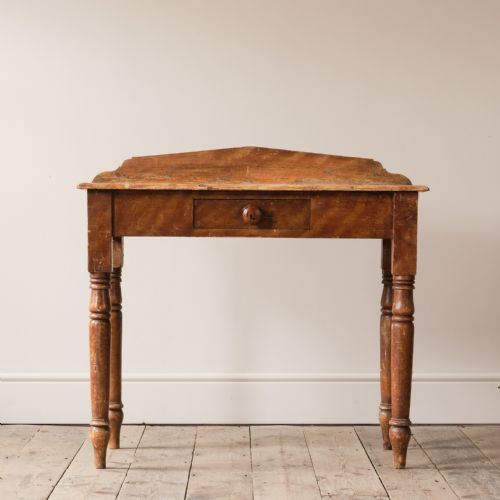
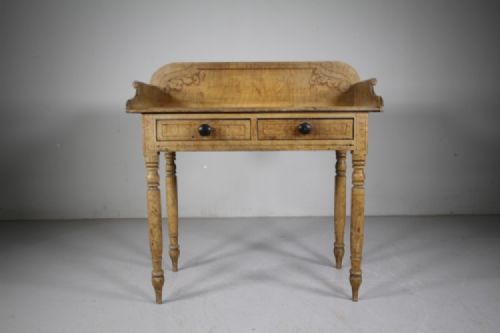


Victorian Painted Pine Washstand
These victorian painted pine washstand pieces offer practical charm and character, bringing authentic nineteenth-century utility and decorative surface finishes into modern homes.
Victorian Painted Pine Washstand
When you search for a victorian painted pine washstand, you are looking at practical nineteenth-century bedroom furniture designed to hold a basin and jug for morning ablutions. The pieces on this page span the 19th Century, including specific dates such as 1860, 1880, and 1890, reflecting the domestic needs of the period. Forms include dedicated washstands alongside related side tables, console tables, chests of drawers, and dressers sharing similar construction.
You are most likely to meet straightforward pine examples finished in original paint, scumble glaze, or decorative grain finishes. These items often showcase styles like Victorian Country, English Country, and Rustic Country, highlighting their utilitarian origins. Variants occasionally feature alternative surfaces such as painted faux marble tops, zinc, iron, marble, or ceramic elements integrated into the design.
How they were made
Cabinet makers built these pieces using solid pine wood as the primary structural material, shaping timber into functional frames and surfaces for daily household use. Construction methods relied on traditional joinery suitable for sturdy bedroom furniture that needed to support heavy washing equipment.
Surfaces received decorative treatments including scumble glaze, original paint, and faux marble top finishes to imitate costlier materials or add colour. Additional functional components incorporate zinc, iron, marble, and ceramic, reflecting the varied hardware and splashback materials utilised during the Victorian era.
Listings feature pieces spanning the 19th Century, including specific years like 1860, 1880, and 1890 alongside Victorian and Edwardian examples.
What varies in quality
Quality in these pieces rests heavily on the survival and integrity of the original surface decoration, such as scumble glaze or authentic paint finishes. Pieces retaining their early decorative grain or faux marble tops demonstrate superior aesthetic preservation compared to those stripped or heavily recoated later.
Construction robustness and the retention of original functional fittings like zinc or ceramic elements further distinguish finer examples. The harmony between the rustic pine carcase and the applied decorative finish dictates the overall character and desirability within the range.
The Victorian Painted Pine Washstand Glossary
- Scumble glaze
- A translucent or tinted glaze dragged or brushed across a base coat to create decorative wood grain effects. This technique was widely utilised by Victorian decorators to elevate plain pine.
- Faux marble
- A painted surface finish designed to imitate the appearance of real stone. Artisans applied this technique to the tops of washstands to provide a water-resistant and decorative surface.
- Washstand
- A piece of bedroom furniture designed to hold a wash basin, water jug, and washing accessories. These items often include splashbacks or lower shelves for storage.
- Console table
- A side table originally placed against a wall, sometimes featuring slender proportions. Examples in this category share the painted pine construction typical of washstands.
Victorian Painted Pine Washstand: Frequently Asked Questions
What is a victorian painted pine washstand?
A victorian painted pine washstand is a nineteenth-century piece of furniture built to hold washing basins and bedroom accessories. They were essential household items before plumbed bathrooms became standard.
These items combine utilitarian pine construction with decorative surface treatments like original paint and scumble glaze. Today, they serve as versatile decorative tables in modern interiors.
How were they used originally?
These washstands stood in bedrooms to hold ceramic basins, ewers, and soap dishes for morning and evening washing routines. The surfaces were designed to cope with daily domestic utility.
Lower shelves and tops provided space for water jugs and towels. Their robust pine construction ensured they handled the daily splashes of Victorian household life.
How do I live with one?
You can place a painted pine washstand in a hallway, bedroom, or living room as a console or side table. Their characterful painted finishes add warmth and historic charm to contemporary spaces.
Keep them away from direct heat sources and excessive moisture to protect the historic pine timber and original paint surfaces. Simple dusting is usually all the maintenance required.
How do I tell periods apart?
Distinguishing periods relies on observing construction details, hardware choices, and the specific style of paint or scumble decoration applied to the pine. Pieces from around 1860 often display different decorative graining compared to later 1890 examples.
Stylistic labels such as Victorian Country or Rustic Country provide further clues regarding the workshop traditions of the era. Comparing the integration of materials like zinc, iron, or ceramic also helps date the piece.