
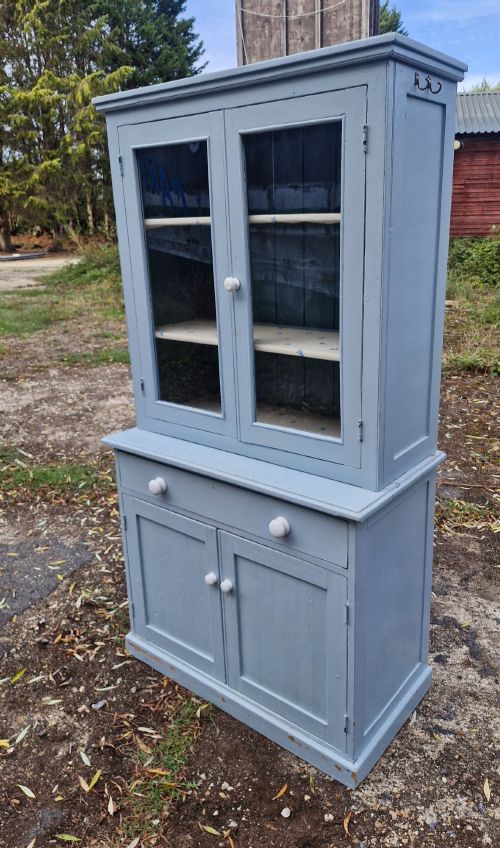
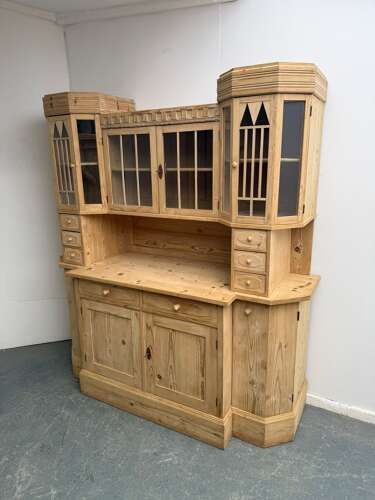
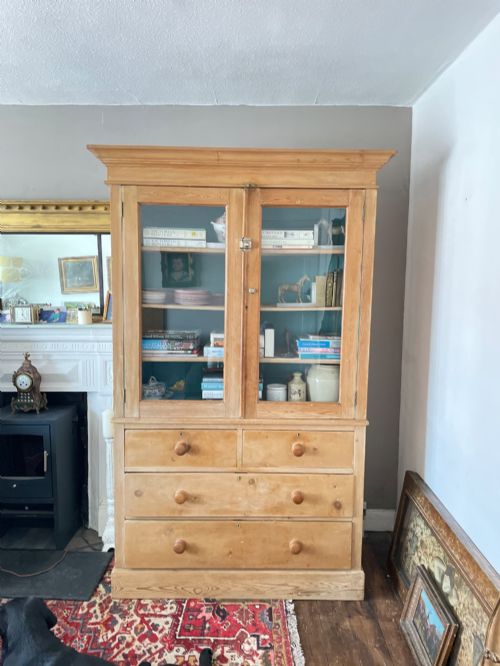
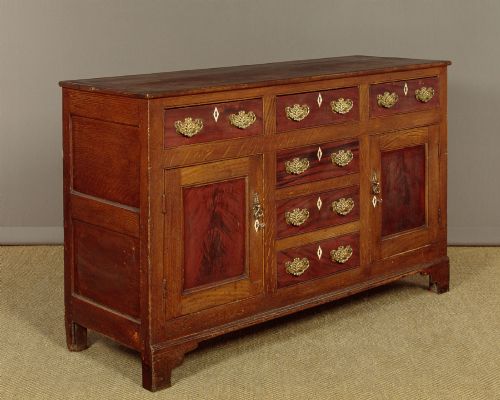
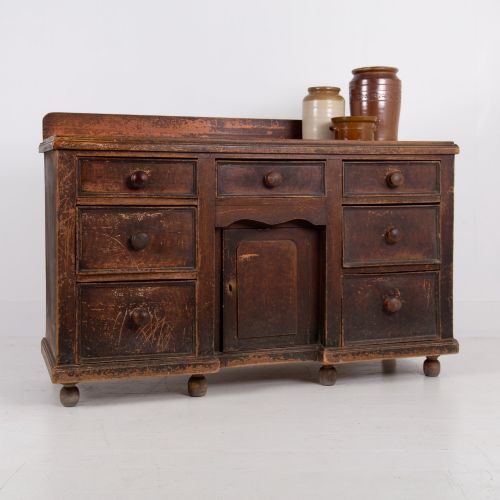
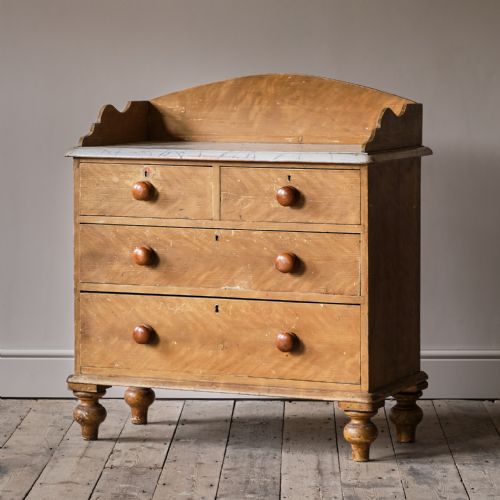
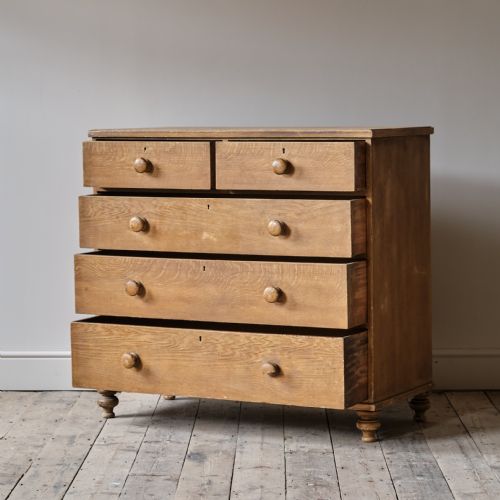
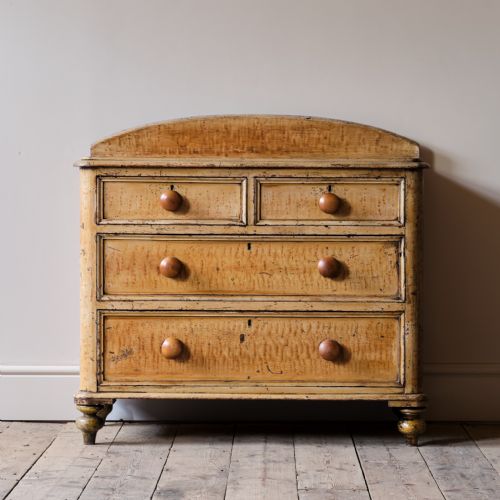
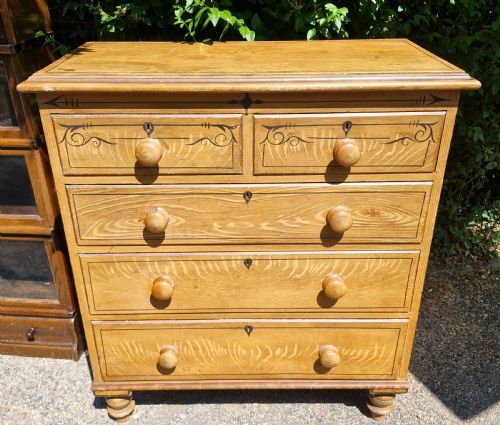
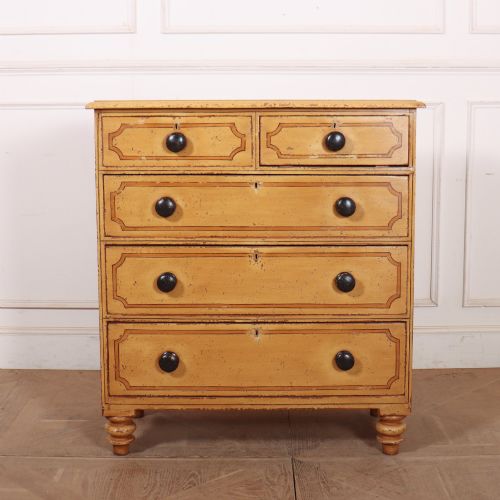
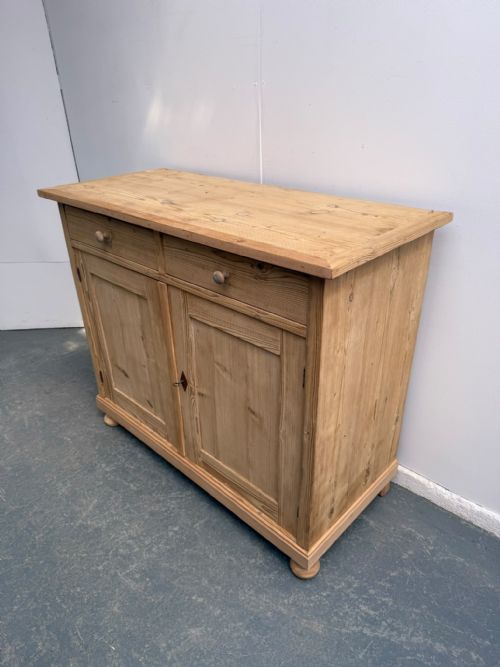
Victorian Painted Pine Dresser
A victorian painted pine dresser brings honest utility and time-softened colour to a room, offering sturdy storage built from practical domestic timber.
Victorian Painted Pine Dresser
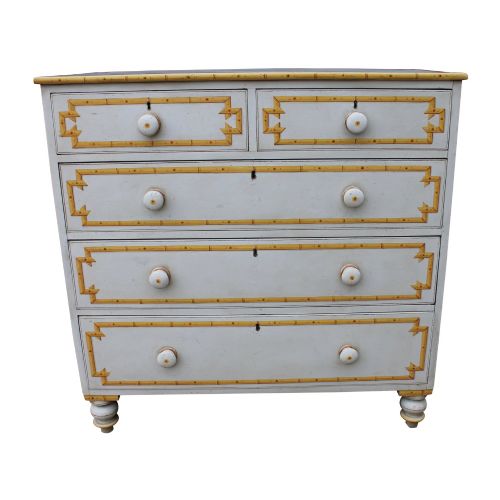
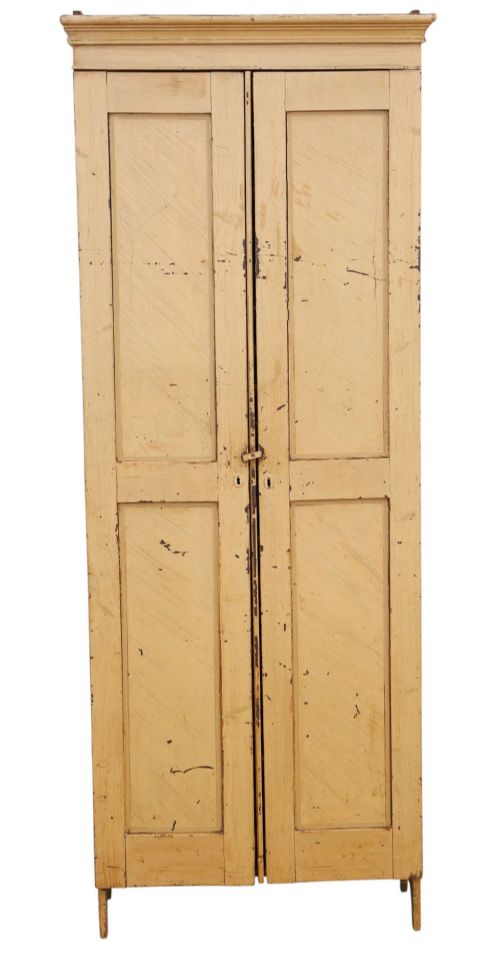
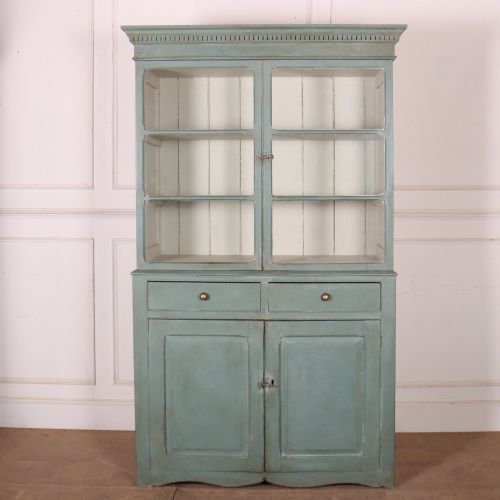
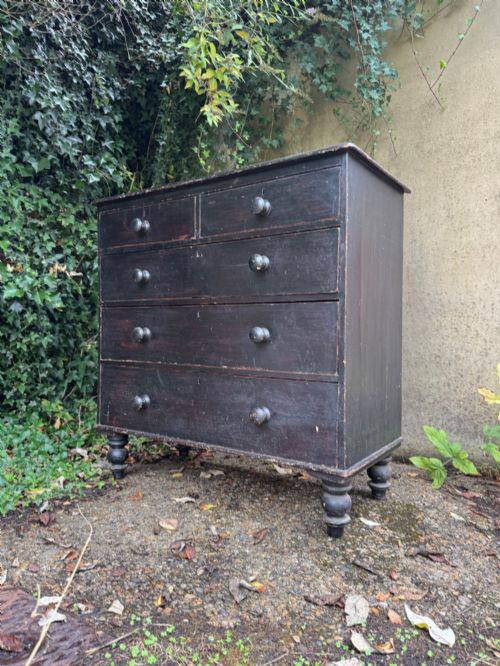
When searching for a victorian painted pine dresser, a buyer encounters domestic storage pieces designed for nineteenth-century kitchens, pantries and sculleries. These items range from open-racked kitchen dressers and enclosed dresser bases to tall housekeeper cupboards and glazed display cabinets.
The versions most commonly met on this page span the Victorian era alongside Edwardian pieces and nineteenth-century examples. Regional forms such as Welsh farmhouse dressers, Scottish cabinets and West Country cupboards appear frequently alongside English country styles.
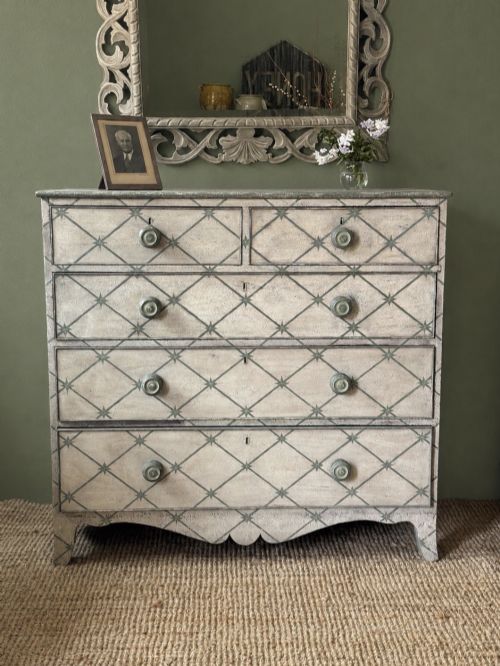
Makers constructed these practical furnishings primarily for utility rather than display, utilising softwood to provide reliable storage. Their surfaces often retain original paint finishes, scumbling, or later layers applied to refresh utilitarian domestic spaces.
How They Were Made
Carpenters built these furnishings using solid pine planks joined with traditional methods to withstand daily domestic labour. Iron, brass and ceramic fixtures served as functional hardware for drawers, cupboards and doors.
Surfaces received protective or decorative coatings including paint, wax and specialised scumbling techniques to simulate finer timbers or simply provide a clean finish. Glazed sections incorporated glass panels to house crockery and provisions.
Listings feature pine, iron, brass and ceramic across Victorian, Edwardian and nineteenth-century periods.
What Varies in Quality
The standard of a piece depends heavily on the integrity of its original surface finish and the preservation of its early paint layers. Items retaining untouched scumbled or painted coats hold greater historical interest than those stripped down to bare wood.
Proportional harmony and structural completeness separate standard utilitarian cupboards from finer regional examples. Original hardware, intact pot boards and undisturbed two-part construction elevate the overall character of the furniture.
The Victorian Painted Pine Dresser Glossary
- Scumbled
- A decorative paint technique involving translucent glazes dragged or brushed over a base coat to imitate grain or texture. It appears frequently on nineteenth-century storage pieces.
- Pot Board
- A lower open shelf built into the base of a dresser to store heavy kitchen pottery and cookware. This feature distinguishes traditional farmhouse forms from standard sideboards.
- Housekeeper Cupboard
- A large, tall enclosed storage unit designed for linen, dry goods and domestic provisions. These pieces typically feature multiple doors and internal shelving.
- Dresser Base
- The lower section of a kitchen dresser standing independently without an upper plate rack. Many examples function as sideboards with drawers positioned above cupboards.
- Welsh Dresser
- A traditional kitchen unit featuring an open shelved plate rack mounted atop a lower base cabinet. These regional forms showcase local vernacular furniture traditions.
Victorian Painted Pine Dresser: Frequently Asked Questions
What is a Victorian painted pine dresser?
A victorian painted pine dresser is a functional nineteenth-century storage unit made from softwood and finished with paint or wax. These pieces served practical roles in kitchens and pantries.
Builders constructed them to hold crockery, food and household goods. Today they function as freestanding storage and display items in modern homes.
How do I tell if the paint is original?
Original paint on these furnishings shows natural wear, craquelure and consistent integration with the underlying timber structure. Layers build up evenly over decades of domestic use.
Later repainting often obscures edge softening and hides hardware impressions. Examining interior surfaces and unexposed joints helps reveal the primary finish.
Where were these dressers used?
These furnishings originated in domestic kitchens, sculleries, farmhouses and pantries across Britain. Regional variations emerged in Wales, Scotland and the West Country.
Their robust construction suited heavy daily work environments. They provided accessible storage for cooking equipment and household provisions.
How do I live with a pine dresser?
Living with a painted pine dresser involves placing it in dry conditions away from direct heat sources. Soft wax maintenance helps preserve vulnerable painted surfaces.
Their generous shelving and cupboards offer practical storage for dishware and linens. They anchor country-style interiors through simple forms and muted tones.