


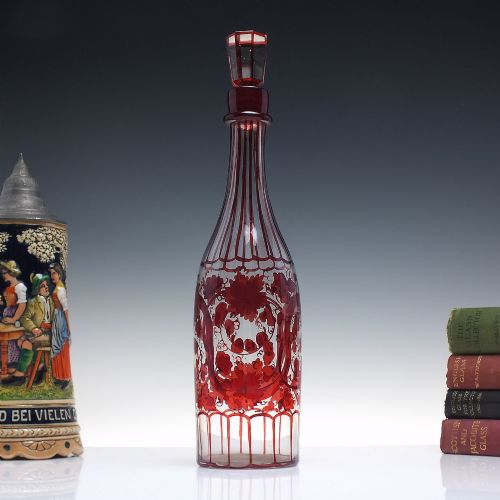


Victorian Painted Glassware
Victorian painted glassware brings together enamelled decoration and rich glass colours, offering collectors vibrant examples of nineteenth century craft.
Victorian Painted Glassware
When you search for victorian painted glassware, you encounter items ranging from small vases and decanters to complete liqueur sets and garniture sets. These pieces originate primarily from the nineteenth century, with strong representation from Victorian and Bohemian workshops.
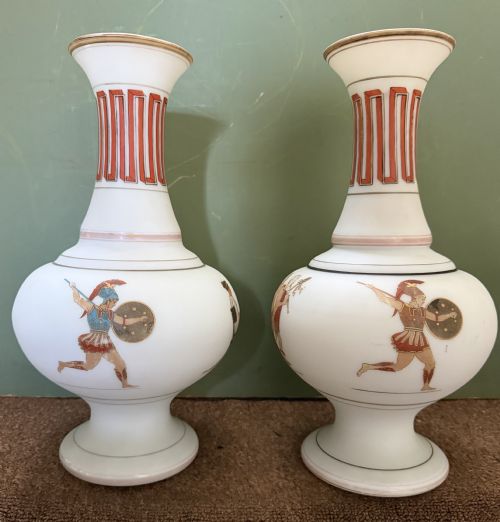
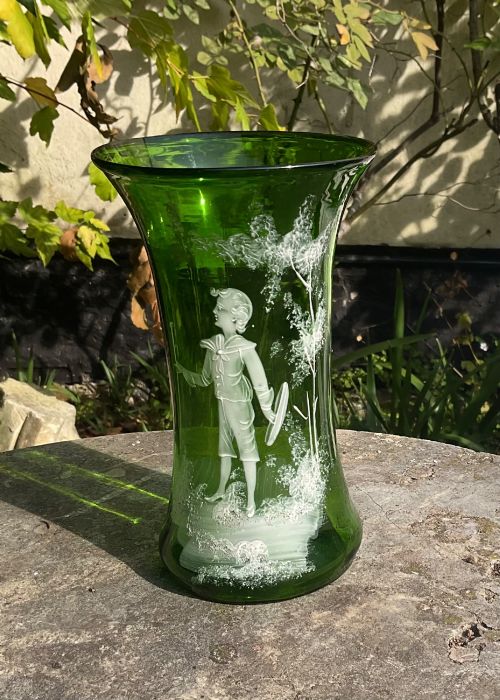
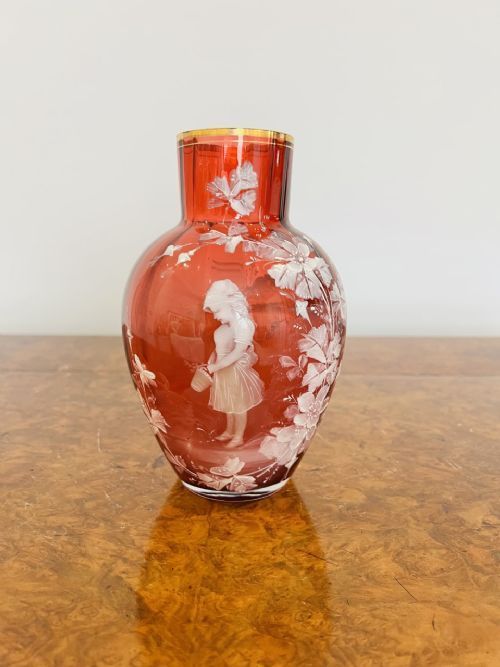
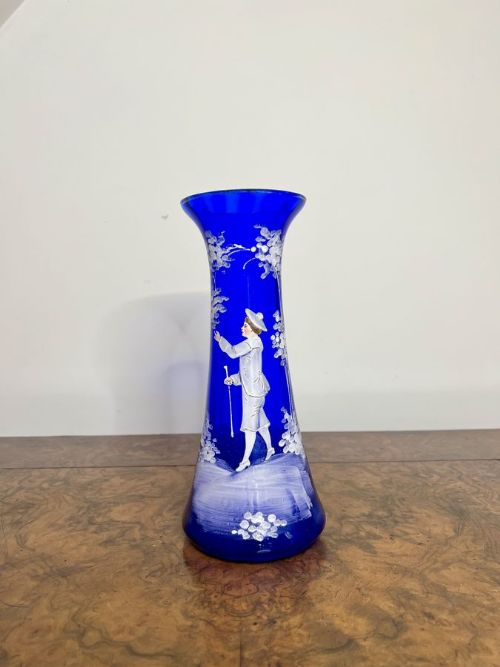
The objects typically take the form of functional vessels and display pieces such as ewers, goblets, and jars. Collectors frequently find green, cranberry, and blue glass forming the base for detailed painted scenes and enamel work.
Judging the work
The quality of victorian painted glassware rests in the execution of the hand painted details and the clarity of the glass itself. Superior examples demonstrate precise brushwork in figural scenes and delicate gilding.
Pieces bearing attribution to known makers or exhibiting complex polychromatic enamel work stand apart from standard production items. The harmony between the glass colour and the painted subject dictates the visual balance.
Victorian Painted Glassware Retail Price Guide 2026
Typical asking prices for victorian painted glassware among the pieces listed under this phrase on Sellingantiques today, from the lower quarter to the upper quarter. They describe what is for sale here now, not the wider market.
Listings feature glass forms spanning from the eighteenth century into the early twentieth century, including pieces from the Art Nouveau and Aesthetic Movement periods.
Mary Gregory·Lobmeyer·Fritz Heckert·Moser
The Victorian Painted Glassware Glossary
- Cranberry glass
- A transparent pinkish red glass coloured by the addition of gold chloride during manufacture. It appears frequently in nineteenth century tableware and decorative vases.
- Opaline glass
- An opaque or translucent pale glass developed to imitate porcelain. It provides a smooth white ground well suited for surface painting.
- Enamel
- A vitreous composition fused to the glass surface through heat. It allows for opaque, colourful designs on transparent or coloured glass bodies.
- Garniture set
- A coordinated group of three or more vases or vessels designed for simultaneous display on a mantelpiece or sideboard.
- Epergne
- A large table centrepiece featuring a central bowl with branching arms to hold smaller baskets or flutes for fruit and flowers.
Victorian Painted Glassware: Frequently Asked Questions
What is Mary Gregory glass?
Mary Gregory pieces feature white enamel silhouettes of children playing in outdoor settings, typically painted on coloured glass backgrounds like cranberry or green.
While named after an American decorator, most pieces with this style originate from Bohemian and Victorian factories during the nineteenth century.
How do I care for painted glassware?
Clean these items gently using lukewarm water and a mild detergent, avoiding harsh scrubbing that can damage the enamel and gold leaf.
Display them away from direct sunlight to preserve the richness of the coloured glass and prevent fading in the painted details.
Where were these pieces made?
Production centres were concentrated in Britain and Bohemia, alongside contributions from German and French workshops during the nineteenth century.
Bohemian houses specialised in heavily enamelled and gilded vessels, while British makers produced distinctive cranberry and opaline wares.
How do I identify the period?
Examine the weight of the glass, the style of the hand painted motifs, and any signature enamelling techniques characteristic of nineteenth century manufacturing.
Stylistic movements like Grecian Revival or Historicism often provide clear indicators of the decade of production.