

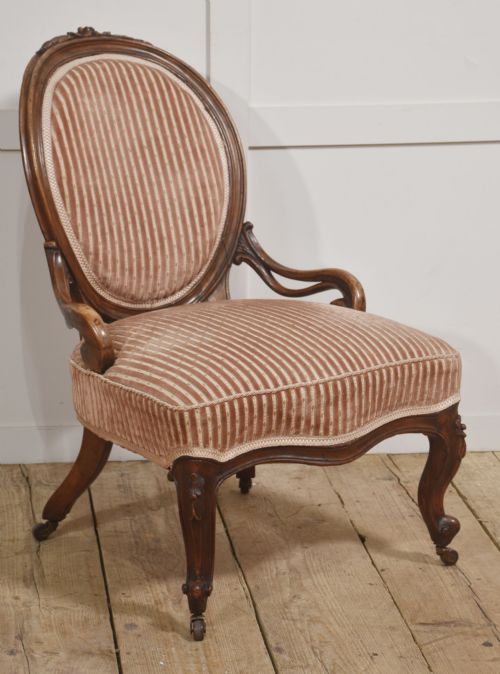
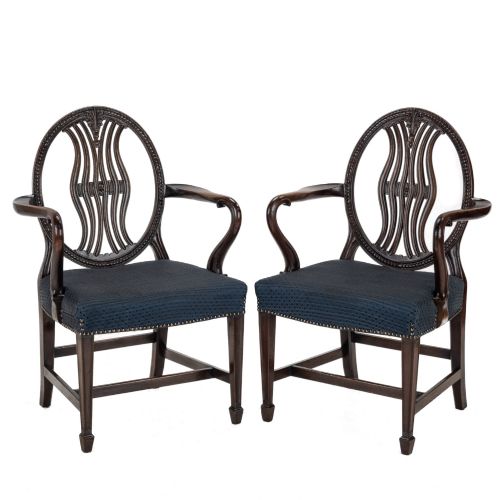


Victorian Oval Back Chair
A victorian oval back chair offers curvaceous comfort and distinct nineteenth-century elegance, making it a sophisticated addition to any traditional room scheme.
Victorian Oval Back Chair
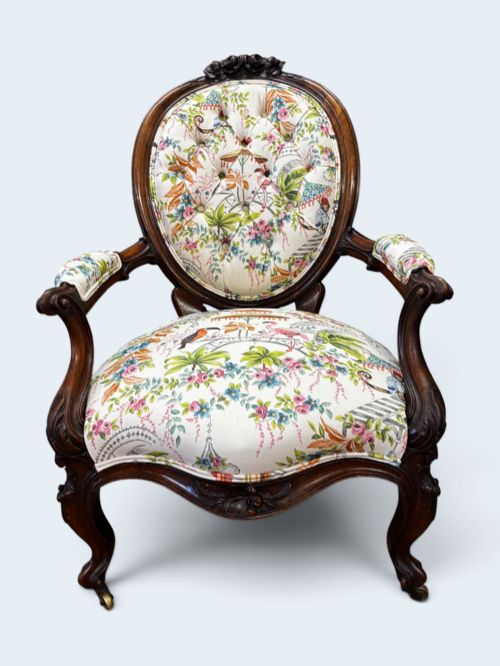
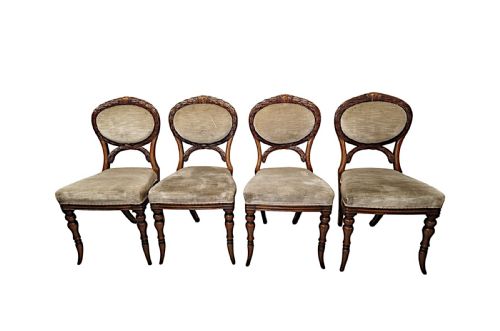
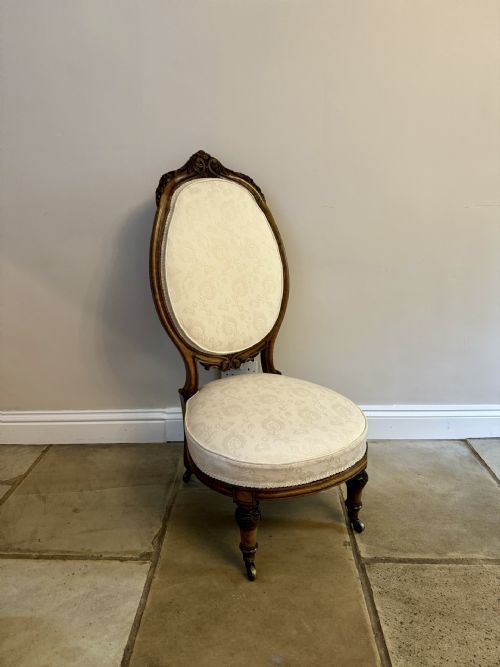
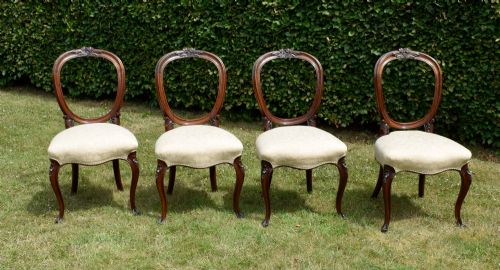
A victorian oval back chair brings graceful, curved lines to domestic seating, drawing heavily on revival influences and mid to late nineteenth-century craftsmanship. Buyers searching this phrase encounter various forms, from nursing chairs and side chairs to open armchairs and larger salon suites.
The walnut and mahogany frames on this page date predominantly from the mid-nineteenth century up to nineteen hundred, encompassing specific decades like eighteen sixty and eighteen seventy. Walnut examples frequently display carved ornamentation, whilst mahogany iterations often reflect George III or Hepplewhite revival aesthetics.
These seats function effectively as accent pieces in reception rooms, bedrooms, or studies, combining sturdy nineteenth-century timber frames with period upholstery such as velvet, silk, or leather.
Materials and Construction Methods
Cabinetmakers utilised solid hardwoods like walnut and mahogany to shape the distinctive curved framework of these chairs, frequently employing steam bending and detailed hand carving. Giltwood also appears among the listings, adding an opulent surface finish to select arm and nursing chairs.
Upholstery techniques varied according to the specific form and date, utilising traditional stuffing secured beneath materials like velvet, leather, and patterned fabric. Certain examples incorporate button back detailing or cane seating, reflecting the diverse manufacturing approaches of nineteenth-century workshops.
A solitary nineteenth-century child's bergere chair proves that even Victorian toddlers required proper oval-backed elegance.
Distinguishing Quality in Period Seating
The crispness and depth of the hand carving on the wooden show frame separate superior examples from simpler production. Walnut and mahogany frames with sharp, well-defined floral or scroll motifs indicate a higher grade of nineteenth-century craftsmanship.
The integrity of the timber joinery and the retention of original structural elements dictate the overall standard of the piece. Superior specimens maintain firm joints, harmonious proportions, and high-grade upholstery fabrics that complement the underlying period style.
Strahan of Dublin
The Victorian Oval Back Chair Glossary
- Oval back
- A chair back shaped in a distinct curved oval outline, characteristic of mid to late nineteenth-century revival seating. This profile softens the rectilinear geometry common in earlier furniture.
- Show frame
- A wooden structural framework left exposed around the upholstered portions of a chair. It allows the carved timber details to remain visible.
- Nursing chair
- A low-seated Victorian chair designed originally for comfort in private chambers or nurseries. They frequently feature upholstered oval backs and generous padding.
- Giltwood
- Timber treated with a thin layer of gold leaf or metallic gilt gesso. This decorative finish appears on high-status nineteenth-century salon and drawing room furniture.
- Salon suite
- A matching set of upholstered seating comprising sofas, armchairs, and side chairs intended for formal reception rooms. These suites often share identical carved walnut frames and fabric coverings.
Victorian Oval Back Chair: Frequently Asked Questions
How do I date a Victorian oval back chair?
Dating relies on timber choice, carving style, and structural characteristics recorded across the nineteenth century. Mid-century examples often feature solid walnut with deep relief carving, whilst later pieces may adopt revived eighteenth-century revival styles.
Examining secondary timbers and upholstery foundations helps confirm whether a chair originates from the eighteen fifties, eighteen seventies, or closer to nineteen hundred.
Where were these chairs used in a Victorian home?
These chairs served multiple domestic functions depending on their specific form. Open armchairs and salon chairs furnished formal drawing rooms and reception spaces, while lower nursing chairs sat comfortably in bedrooms.
Side chairs also supplemented dining arrangements or provided decorative accents against hallway and parlour walls.
Are these chairs suitable for daily seating?
Nineteenth-century seating is structurally robust, built using solid hardwoods like mahogany and walnut. Many survive in daily use provided the internal joinery remains stable and sound.
Buyers planning regular seating should ensure the frame joints are secure and the upholstery webbing meets modern comfort standards.