

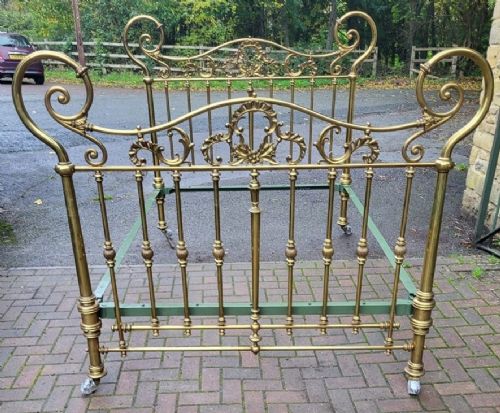
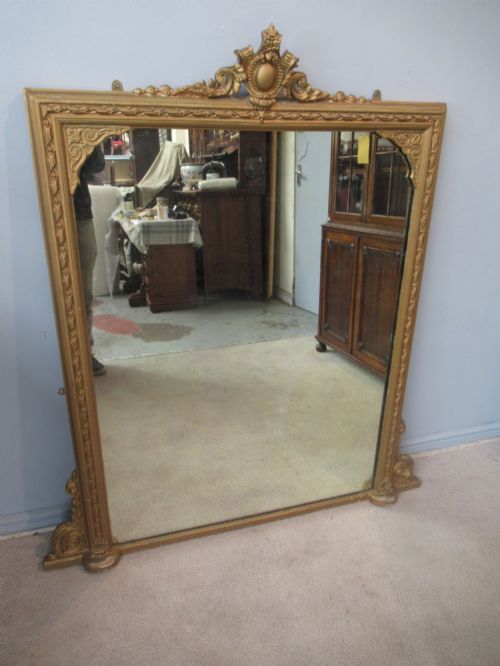
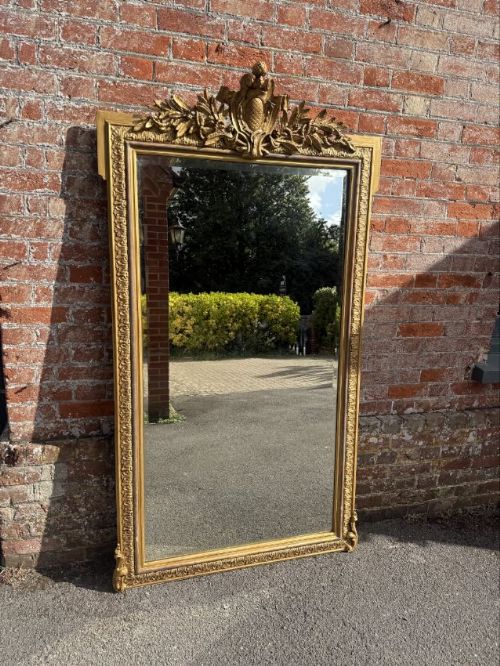
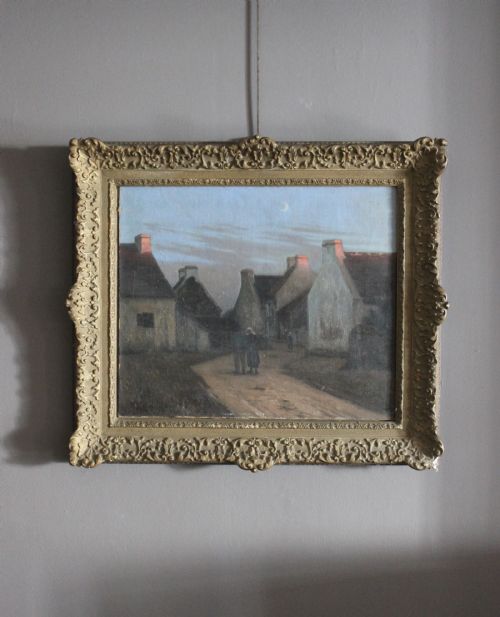
Victorian Ornate Frame
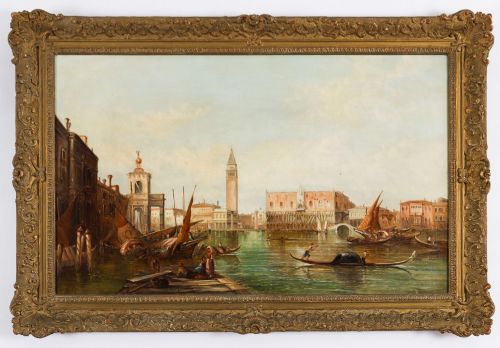
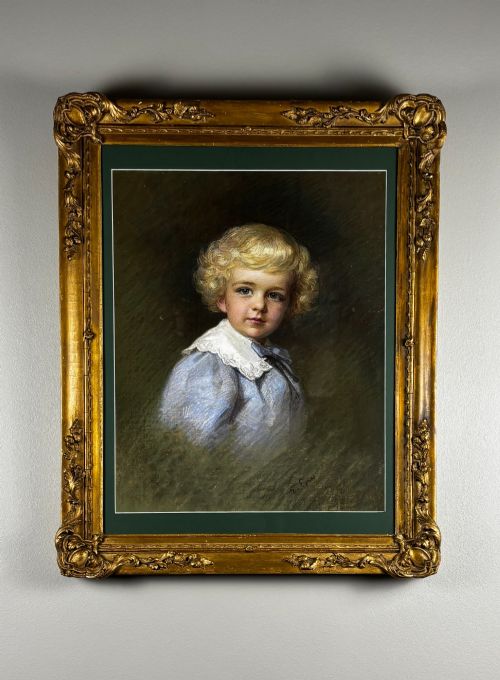
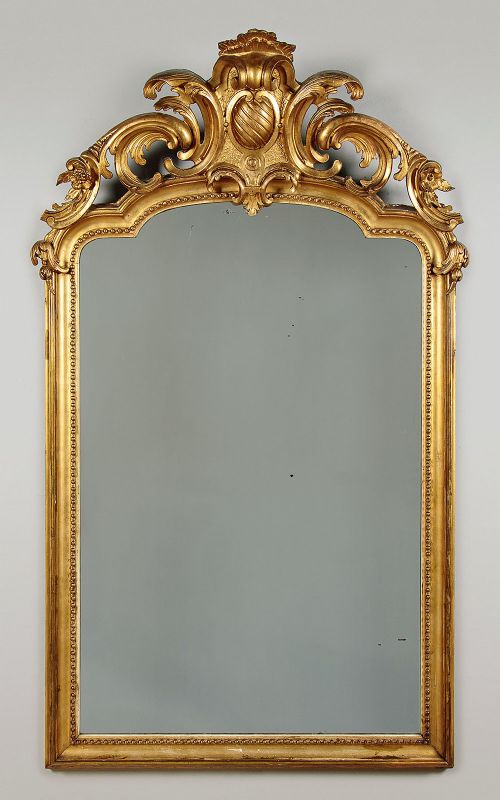
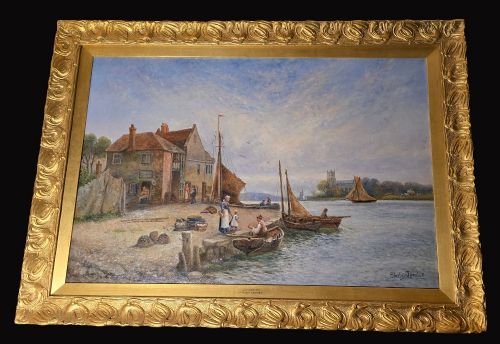
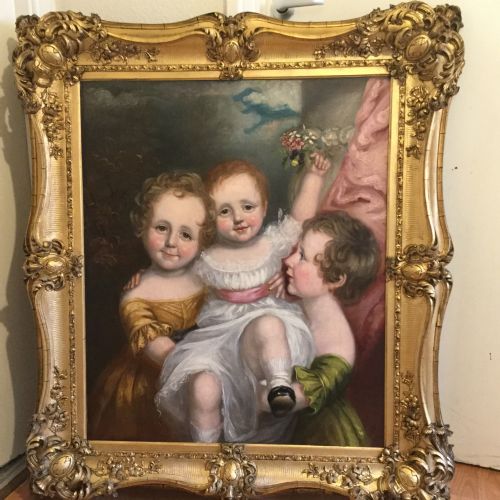
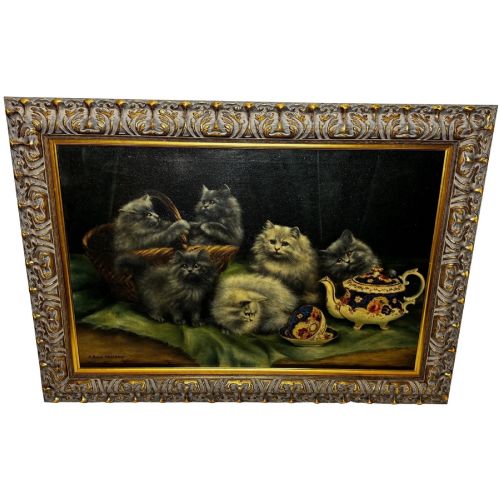
When you search for a victorian ornate frame, you are looking at elaborate nineteenth-century giltwood, gesso, and carved timber surrounds designed to hold mirrors and canvases.
Victorian Ornate Frame
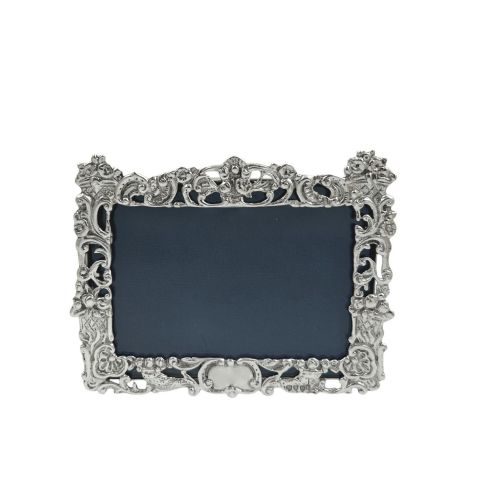
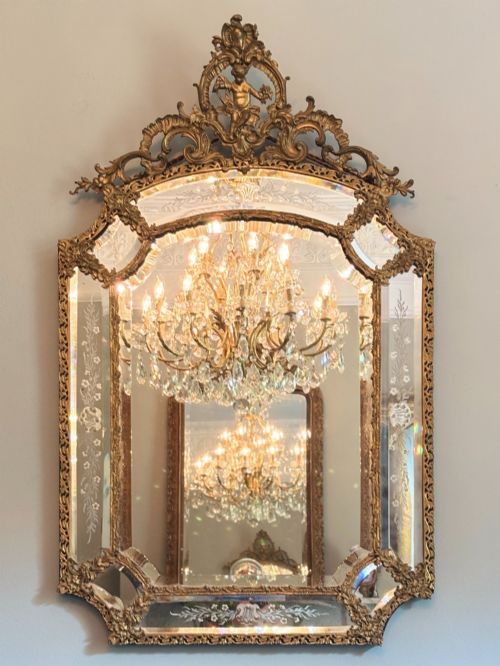
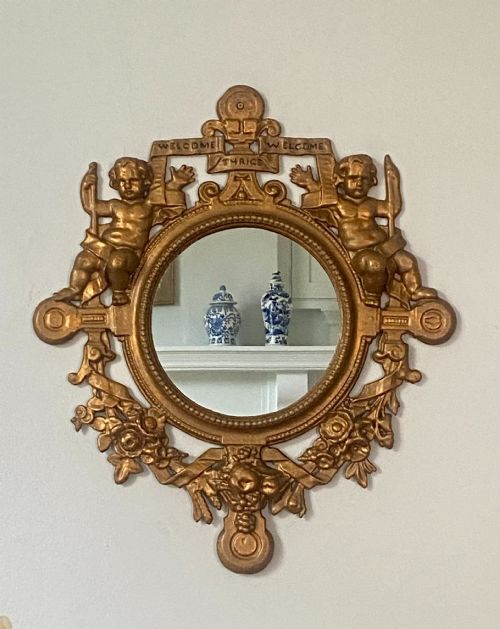
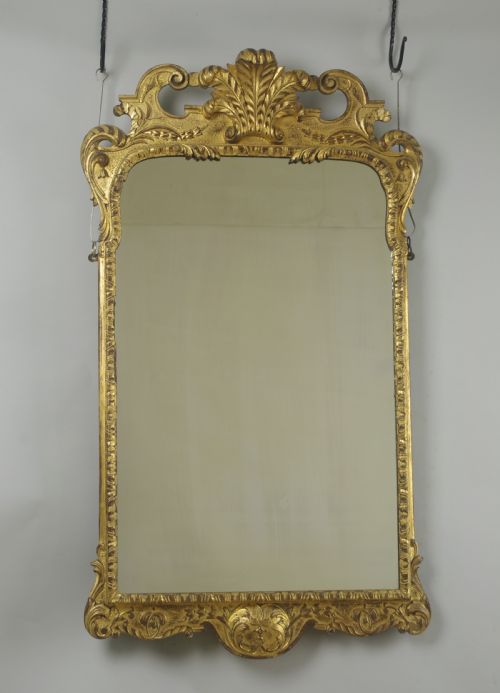
The objects span varied domestic forms, including large pier glass mirrors, girandole mirrors with candle sconces, and delicate sterling silver photo frames. Many items combine structural timber or cast plaster with intricate surface decoration designed to dominate a room.
Originating predominantly from nineteenth-century workshops, these pieces reflect the Victorian appetite for heavily ornamented interior furnishings. Whether housing a landscape painting or a bevelled mirror plate, the surviving examples demonstrate the period's preference for rich, reflective surfaces.
How They Were Made
The makers of these objects relied on carved wood, gesso, and plaster built over a solid timber or iron foundation. Craftsmen applied plaster layers to carved wooden bases before stamping, moulding, or cutting intricate scrollwork and floral motifs into the surface.
Guilders finished the pieces by applying gold leaf or liquid metal gilding over a prepared ground, creating a bright reflective sheen. For metal items such as silver photo frames, artisans worked sterling silver with chased double-heart patterns and hallmarks.
Victorian Ornate Frame Retail Price Guide 2026
Typical asking prices for victorian ornate frame among the pieces listed under this phrase on Sellingantiques today, from the lower quarter to the upper quarter. They describe what is for sale here now, not the wider market.
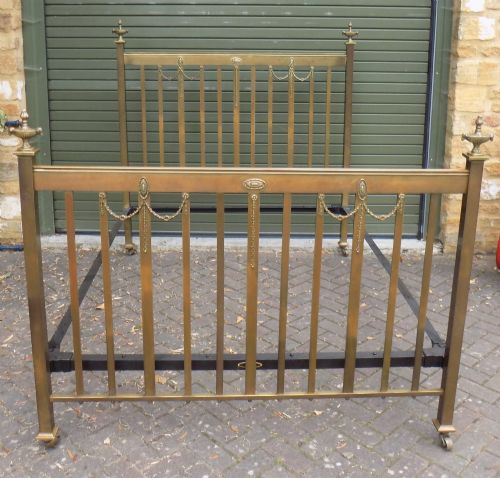
Materials recorded in these listings include gesso, giltwood, brass, gold leaf, and cast iron across nineteenth-century forms.
What Varies In Quality
The distinction between standard domestic framing and exhibition-grade work lies in the depth and crispness of the carved ornament. Superior pieces display hand-carved wooden elements and finely modelled gesso relief where scrolls and floral motifs remain sharp and deeply undercut.
Preservation of the original gilt surface dictates the standing of an individual piece. Examples retaining their initial gold leaf without excessive modern overpainting or heavy plaster replacement command greater appreciation among collectors.
William Comyns·Winfield
The Victorian Ornate Frame Glossary
- Gesso
- A plaster-like mixture applied to wooden frames as a smooth base for gilding. It allows artisans to impress intricate decorative details before applying gold leaf.
- Giltwood
- Timber that has been coated with gold leaf or gold paint. This material forms the bright, reflective surface characteristic of grand nineteenth-century mirrors and picture frames.
- Overmantel Mirror
- A large mirror designed to hang specifically above a fireplace mantelpiece. These pieces often feature elaborate arched crests and heavy carved frames.
- Girandole
- A decorative wall mirror fitted with attached candle sconces or arms. The candleholders reflect additional light into the room from the glass plate.
Victorian Ornate Frame: Frequently Asked Questions
What is the difference between gesso and carved wood?
Carved wood involves shaping the actual timber foundation with chisels and cutting tools. Gesso is a plaster mixture applied over a simpler wooden base and moulded or stamped to create ornamental relief.
Many nineteenth-century frames combine both techniques, using a carved wooden core enriched with built-up gesso details.
How should I clean a giltwood frame?
Dust the surface gently using a soft, dry brush to remove loose particles without disturbing the delicate gold leaf layer. Avoid commercial chemical cleaners and excess water, which can dissolve the underlying gesso.
Preserving the original finish requires minimal intervention and careful handling around high-relief scrollwork.
Can I replace the glass in an antique mirror?
Original mirror plates often display age spots, foxing, and wavy distortions characteristic of nineteenth-century manufacture. Collectors generally prefer retaining the original glass even when it shows signs of age.
Replacing the plate alters the historical integrity of the object, though damaged glass may sometimes require professional conservation.