
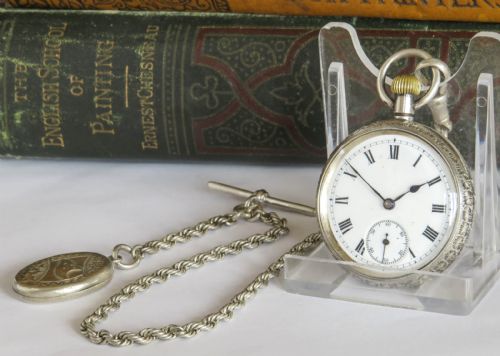
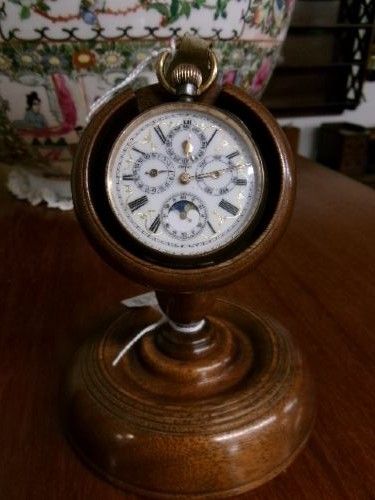
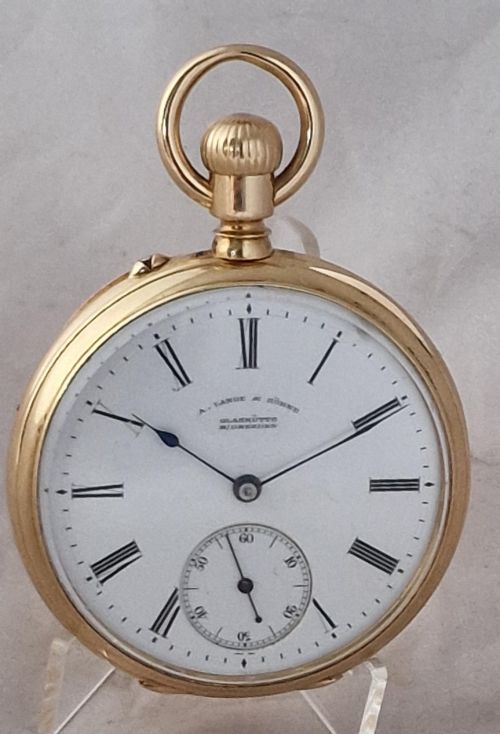
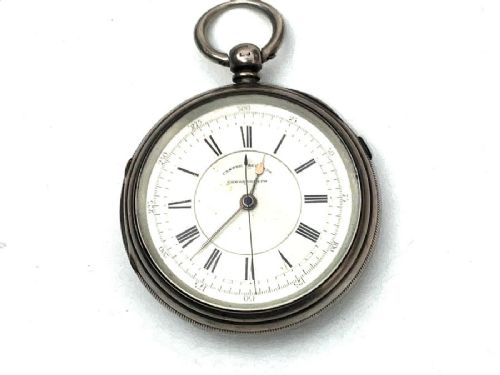
Victorian Open Face Watch
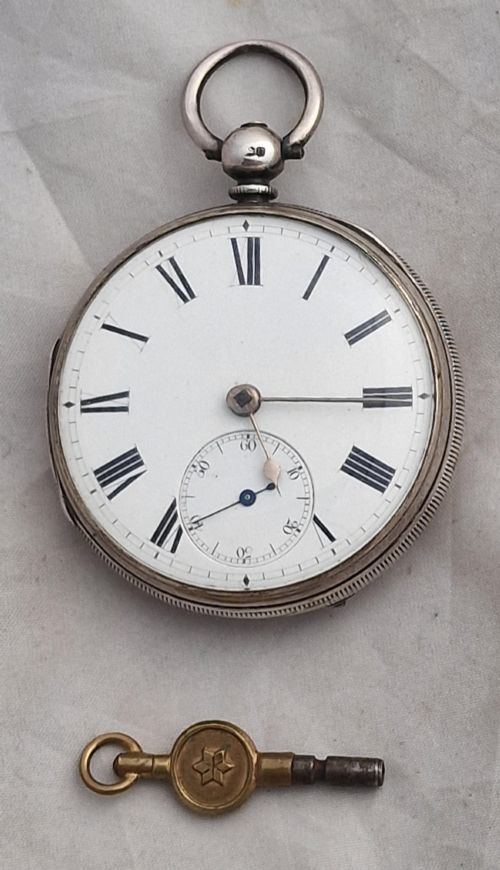
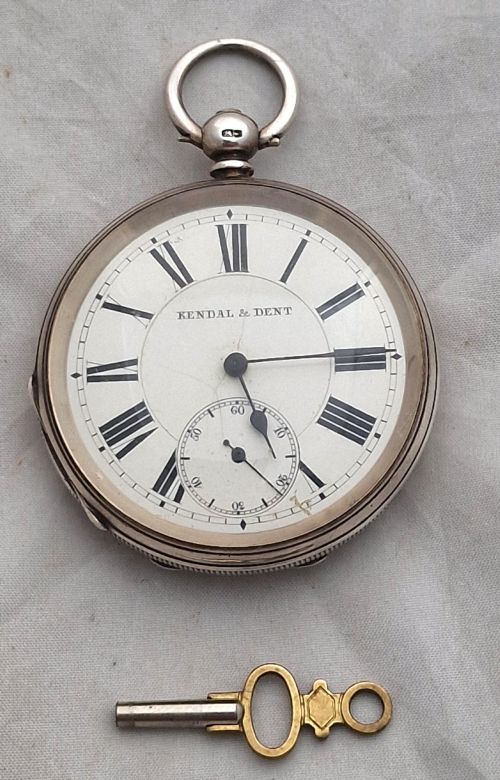
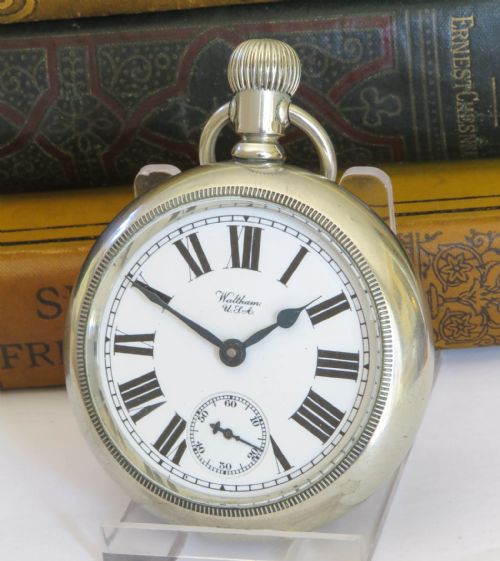
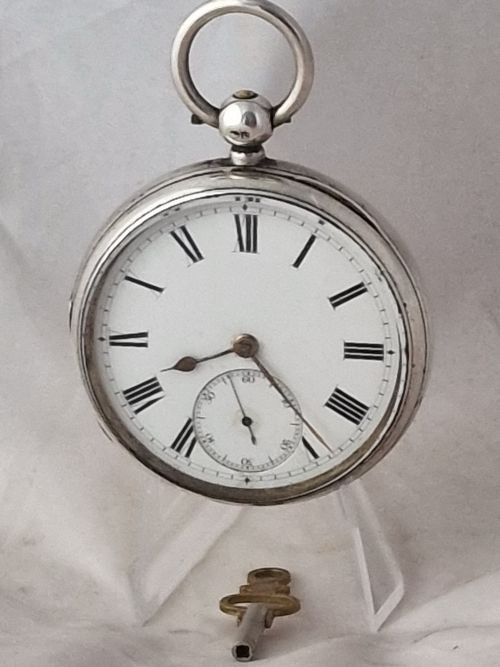
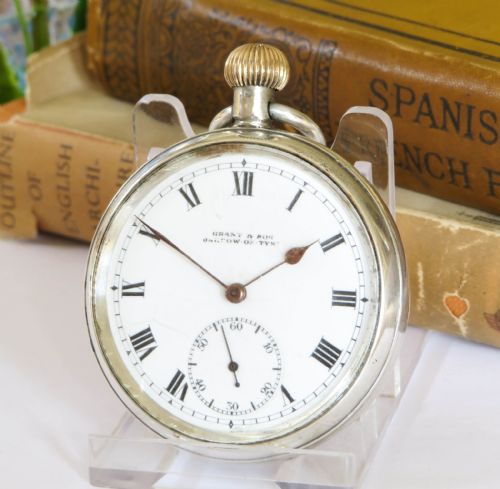
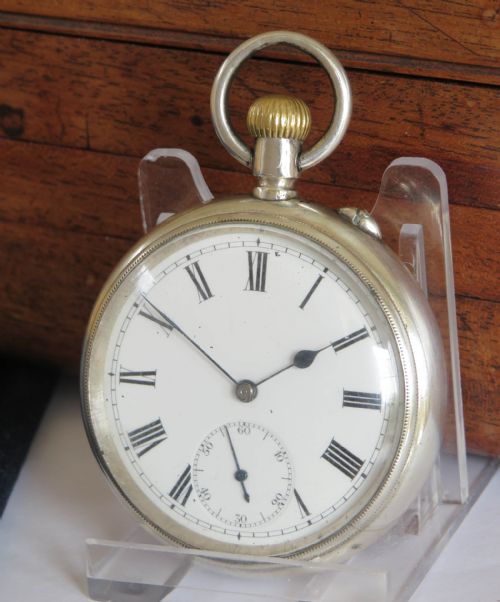
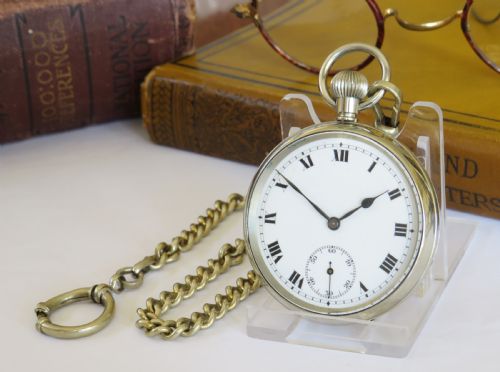
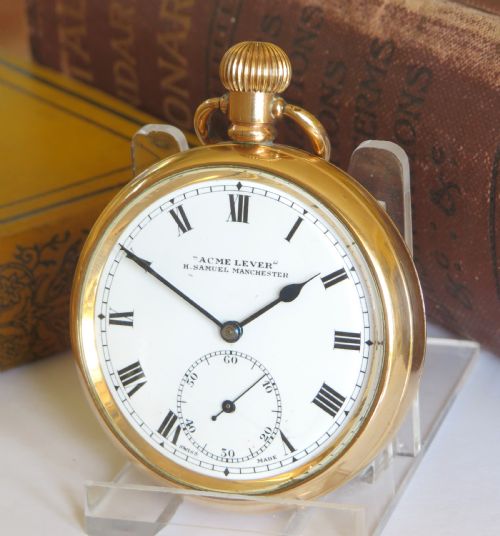
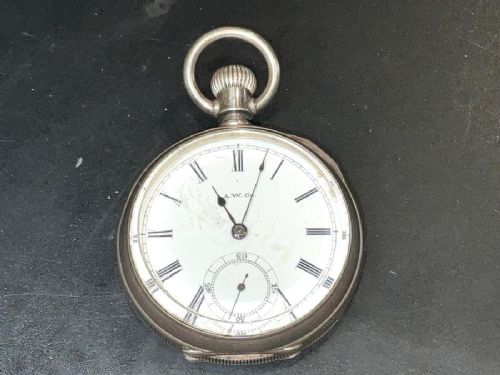
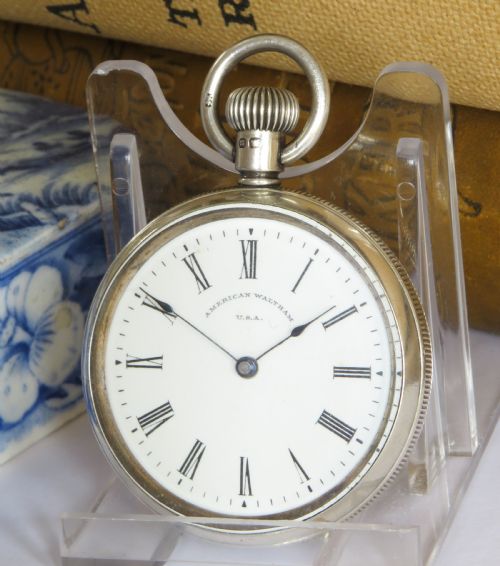
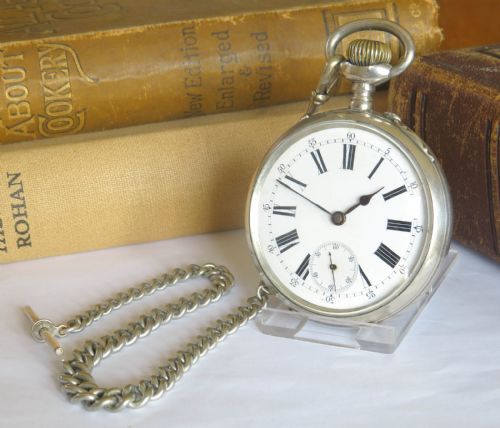
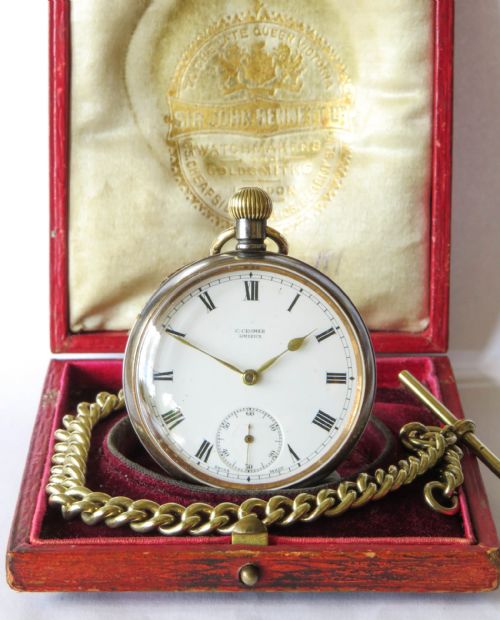
A victorian open face watch is a pocket timepiece without a hinged front cover, offering an immediate view of the dial.
Victorian Open Face Watch
A victorian open face watch combines utility with period craftsmanship, emerging in forms from standard pocket watches to larger goliath designs. These timepieces originate primarily from the nineteenth century, spanning Victorian, Edwardian, and early twentieth-century eras.
Makers housed these movements in cases fashioned from silver, gold, gunmetal, steel, brass, and nickel. Dials often feature enamel, sometimes complemented by glass covers and intricate engravings.
Materials and construction
Cases utilise metals like sterling silver and 18ct gold, alongside robust utility metals such as gunmetal and nickel. Interiors rely on brass and steel components within fusee or lever movements.
Enamel provides durable white or decorated dial surfaces, protected by glass crystals. Details involve hand engraving on gold and silver case backs, alongside specialised complications like calendar moonface displays.
Several watches record time alongside Ottoman military arms and Cyrillic inscriptions, reflecting global trade routes.
Quality factors
The calibre of the movement dictates much of the standard, ranging from standard mass-produced pin-pallet mechanisms to high-grade English fusee movements and precision chronographs. Finer examples feature signed dials from respected makers and jewelled lever escapements.
Case material and decoration elevate the piece, moving from simple nickel or brass housings to hallmarked silver and solid 18ct gold cases adorned with detailed floral engraving. The presence of specialised railway service issues or complicated calendar dials also distinguishes finer specimens.
Kendal & Dent·Guinand·Lange & Sohne·Stauffer·Waltham·J W Benson·Longines·John Walker
The Victorian Open Face Watch Glossary
- Fusee
- A conical pulley used in older mechanical watches to equalize the driving force of the mainspring as it unwinds. This mechanism represents traditional British watchmaking skill.
- Chronograph
- A watch with a function for measuring elapsed time, often operated by an independent push-piece. These pieces include stop-watch capabilities alongside standard timekeeping.
- Goliath
- An extra-large pocket watch designed to sit on a desk or travel carriage rather than a waistcoat pocket. They frequently measure significantly larger than standard pocket watches.
- Lever escapement
- A mechanical linkage that transmits impulse to the balance wheel and controls the unwinding of the gear train. It provides superior timekeeping accuracy compared to older duplex or verge systems.
- Key wind
- A winding and setting method requiring a separate small key inserted into the case or back plate. This predates the widespread adoption of stem-winding mechanisms.
Victorian Open Face Watch: Frequently Asked Questions
How do I wind a key wind watch?
A key wind watch requires a suitably sized metal key placed onto the square arbor inside the back cover or on the dial itself. Turning the key tensions the mainspring until resistance signals the watch is fully wound.
Care must be taken not to overwind the mechanism, which can damage the internal spring. Different arbors are used for setting the hands and winding the movement.
How were railway pocket watches used?
Railway pocket watches were issued to or purchased by train guards, drivers, and station staff to ensure precise timetable adherence. These watches required high accuracy, robust movements, and clear dials for rapid reading in low light.
Many bear specific railway company inscriptions or issue numbers on the movement or case back. They represent a standard of reliability demanded by Victorian transport networks.
Can I wear a pocket watch daily?
A victorian open face watch can be worn daily provided it receives careful handling and routine mechanical servicing by a horologist. They should be secured safely to a waistcoat or belt using a suitable albert chain.
Modern environments demand care around magnetic fields and water exposure, as these period timepieces lack modern seals and shock protection.