

Victorian Old Cut Ring
A victorian old cut ring brings together the distinctive hand-faceted sparkle of nineteenth-century diamonds and rich yellow gold.
Victorian Old Cut Ring
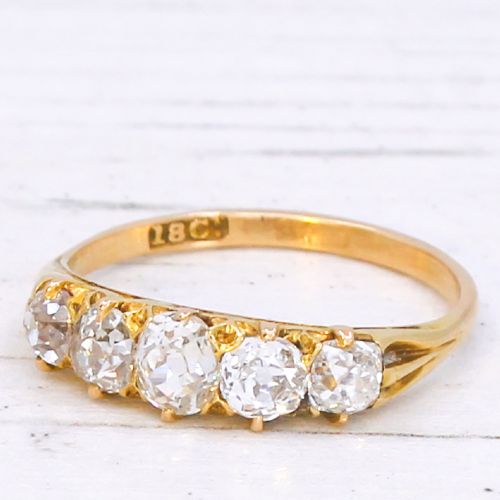
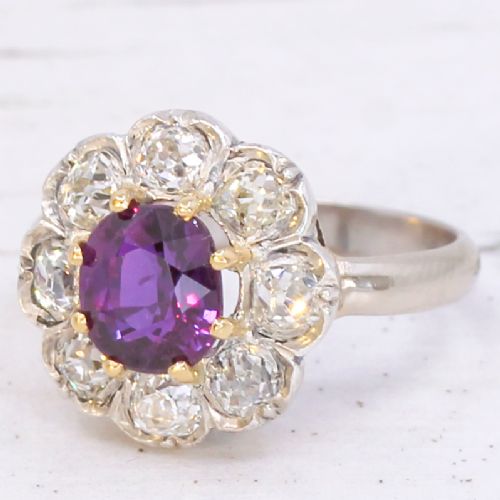
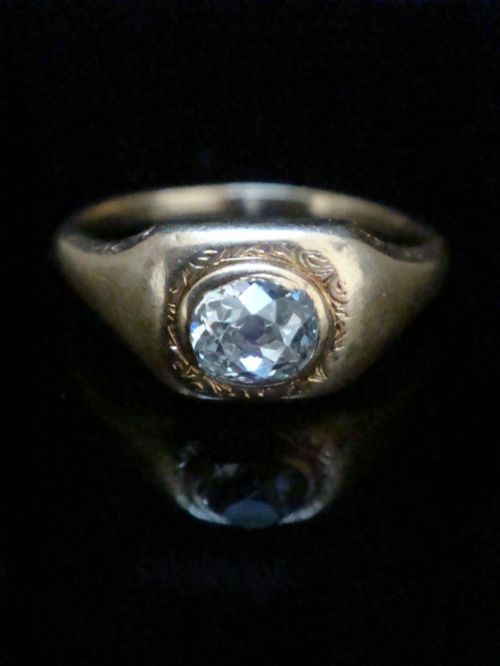
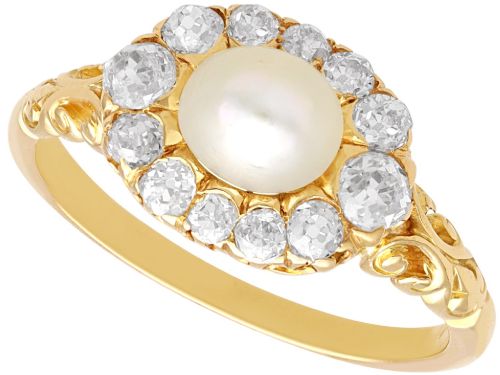
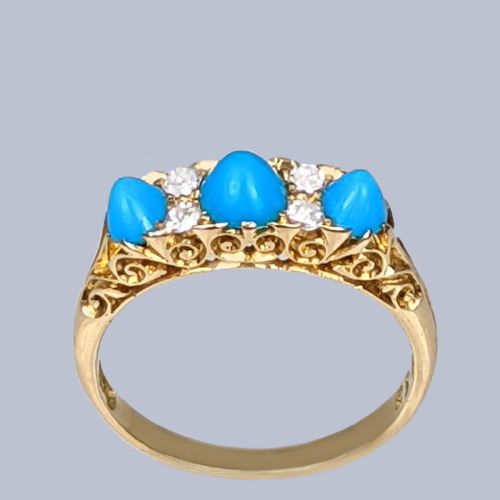
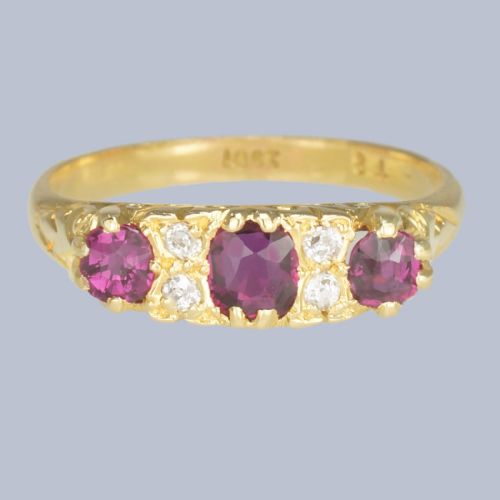
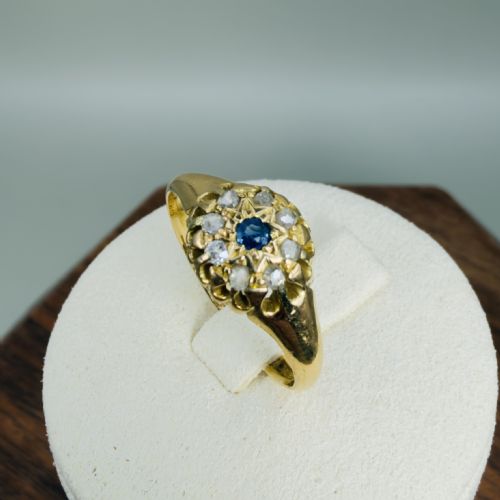
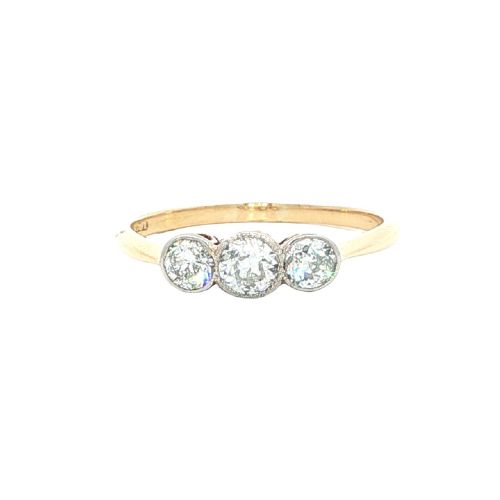
A victorian old cut ring comprises gold mountings set with hand-faceted diamonds shaped before the standardisation of modern brilliant cutting. These pieces emerge from the nineteenth century, spanning periods from early Victorian work through to Edwardian transitions.
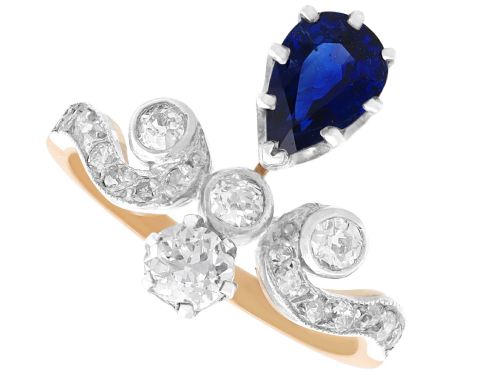
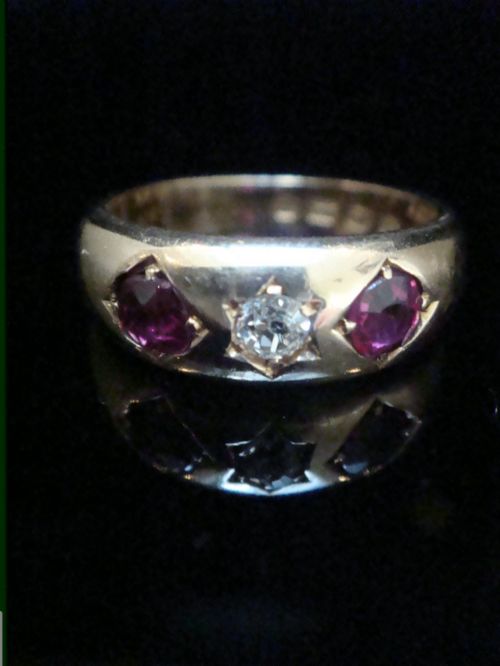
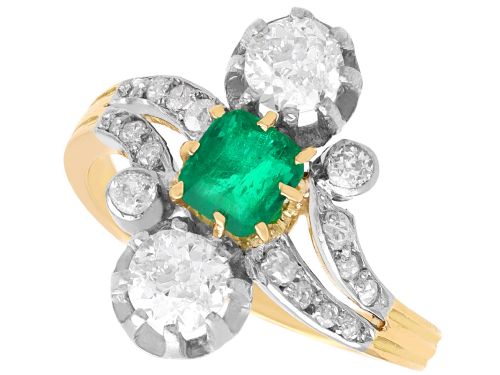
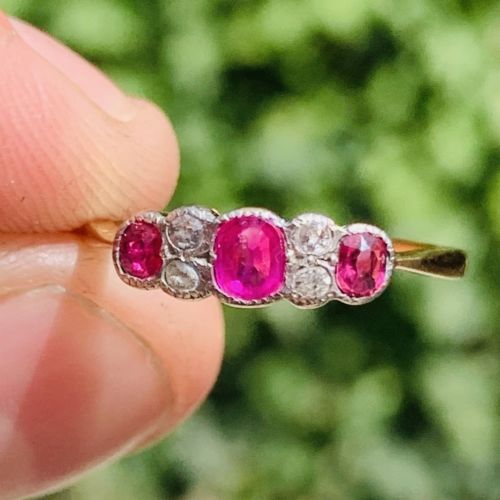
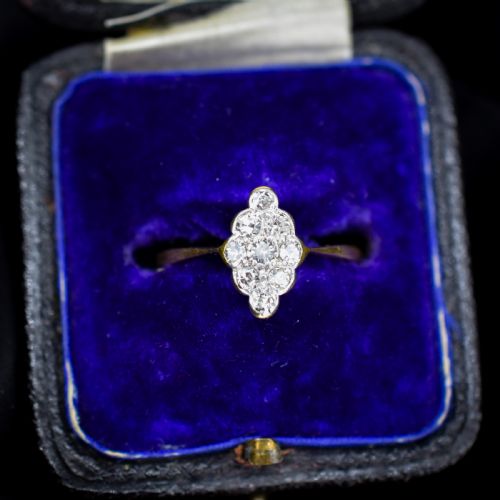
Solitaires, clusters, and multi-stone gypsy settings dominate the selection, often pairing the central diamonds with sapphires, rubies, or emeralds. The forms range from low-profile daily wear bands to elaborate navette and tiara clusters.
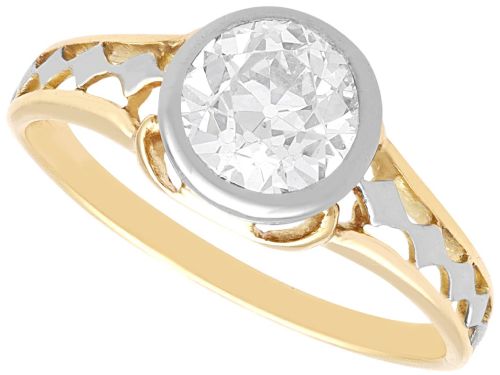
Yellow gold and 18ct yellow gold provide the primary metal framework, occasionally complemented by platinum accents in later Edwardian examples. The stones display the deeper facets and smaller tables characteristic of old mine and old European cuts.
Materials and construction
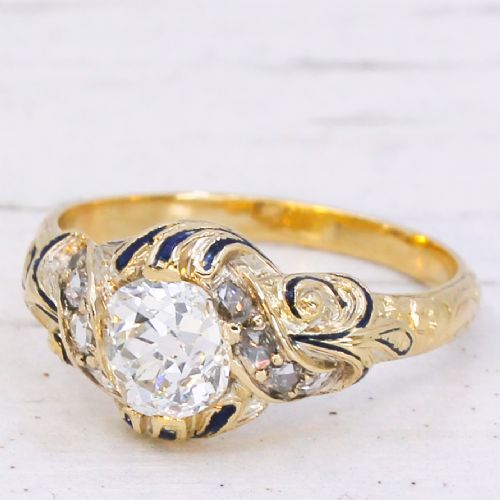
Goldsmiths worked predominantly in 18ct yellow gold, shaping bands by hand and casting or forging settings to accommodate irregular gemstone outlines. Stones were secured using rubover settings, star settings, or traditional claw mounts tailored individually to each gem.
Diamonds were cut by hand under magnification, resulting in characteristic open culets and chunky facet proportions that catch candlelight differently than modern stones. Gemstones such as Burmese rubies, sapphires, and natural pearls were integrated into the gold structures using flush and bezel techniques.
Victorian Old Cut Ring Retail Price Guide 2026
Typical asking prices for victorian old cut ring among the pieces listed under this phrase on Sellingantiques today, from the lower quarter to the upper quarter. They describe what is for sale here now, not the wider market.
Pieces span the nineteenth and early twentieth centuries, including Victorian, Edwardian, and turn-of-the-century designs.
Distinctions in quality
The harmony between the central old cut diamond and its accompanying gemstones dictates the overall character of the piece. Superior examples exhibit matched stone heights and careful colour grading across multi-stone layouts like five-stone rings and clusters.
The integrity of the gold work and setting bezels determines how well a ring survives daily wear over generations. Master goldsmiths achieved clean bezel borders and secure flush settings that protected the stone edges without masking their individual facet patterns.
The Victorian Old Cut Ring Glossary
- Old cut
- A diamond facet arrangement shaped by hand before modern machine precision, typically featuring a smaller table and a noticeable open culet at the base.
- Gypsy set
- A setting style where the gemstone is flush-mounted directly into the thick gold band, creating a smooth, low-profile surface often accented with star engraving.
- Trilogy
- A three-stone ring configuration where the gems represent the past, present, and future, frequently combining diamonds with rubies or sapphires.
- Navette
- A boat-shaped cluster design that extends along the finger, packing multiple small diamonds and coloured stones into an elongated silhouette.
- Rubover
- A setting where a thin collar of gold is pushed over the rim of the gemstone to hold it securely in place.
- Toi et Moi
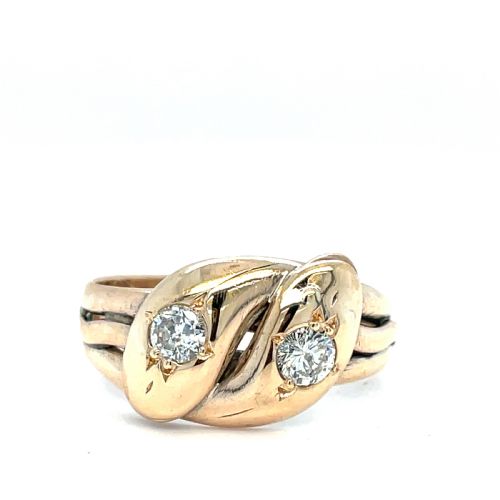
- A French term meaning you and me, describing a ring featuring two main gemstones entwined in a twist or crossover band.
Victorian Old Cut Ring: Frequently Asked Questions
How do I care for an antique gold ring?
Clean these pieces gently using warm water and mild soap, avoiding harsh ultrasonic cleaners that can loosen old stones in their hand-wrought settings.
Store each ring separately in a fabric-lined box to prevent the old gold and gemstones from scratching against other jewellery.
Can these rings be resized safely?
Most gold bands can be adjusted by a skilled jeweller who understands antique metalwork and construction techniques.
Care must be taken during sizing to preserve original hallmarks stamped into the inner shank of the gold band.
What is the difference between old mine and old European cuts?
Old mine cuts tend to have a slightly squarish outline with a smaller table and steeper crown, reflecting their nineteenth-century origin.
Old European cuts transition toward a rounder girdle and more symmetrical facet pattern as diamond cutting machinery evolved toward the end of the Victorian era.
How can I tell a Victorian setting from a later reproduction?
Examine the metal under magnification to spot subtle irregularities in hand-cut facets and handmade bezel walls that indicate historical hand tools.
Authentic pieces often carry period hallmarks or show appropriate wear patterns consistent with nineteenth-century daily use.