


Victorian Oil Panel Painting
When you search for a victorian oil panel painting, you are looking at small-scale portable art produced on rigid supports during the nineteenth century.
Victorian Oil Panel Painting
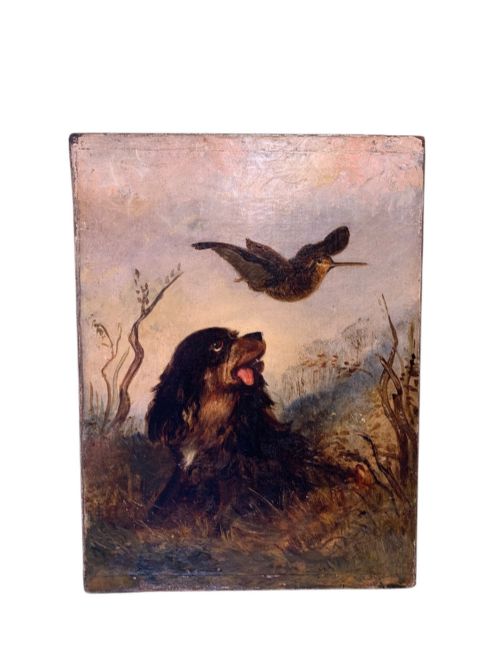
A victorian oil panel painting is a fine art work executed with oil paint on a rigid backing such as wood, board, zinc, or porcelain rather than stretched canvas. These pieces encompass diverse genres including landscapes, marine scenes, still lifes, portraits, and domestic animal studies produced across the nineteenth century.
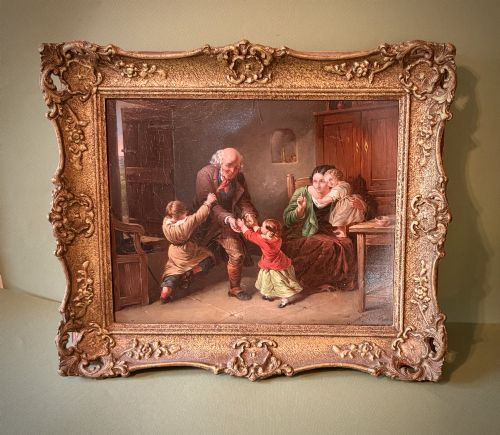
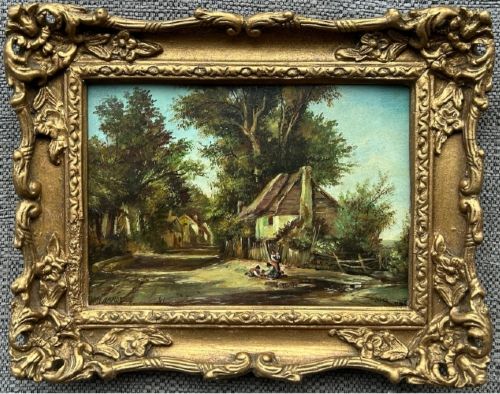
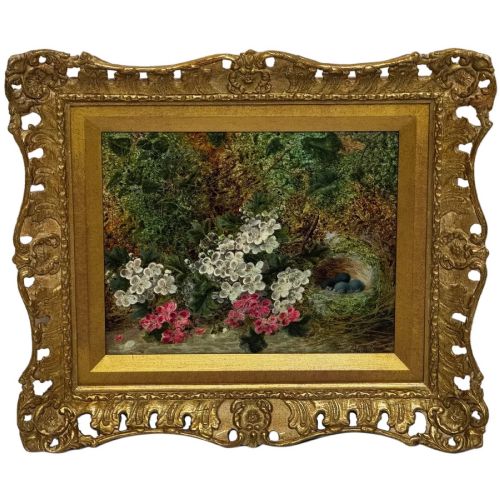
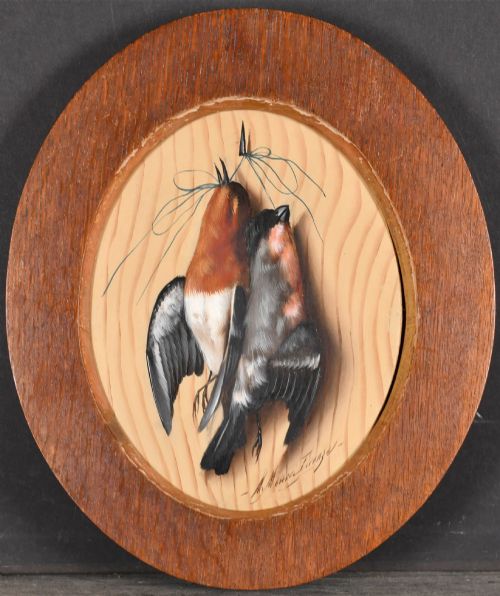
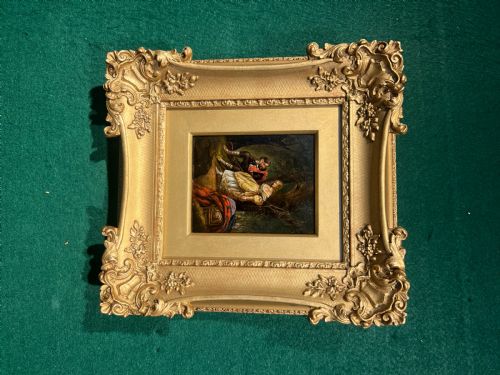
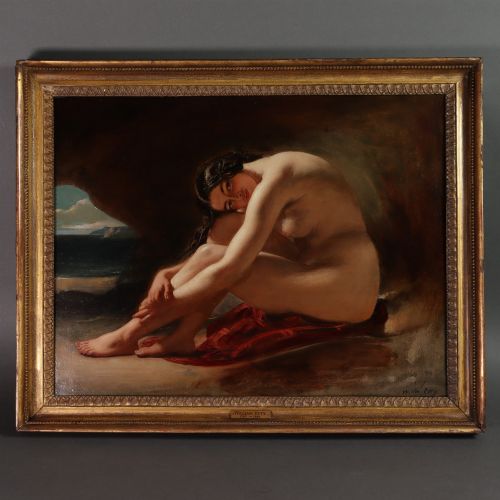
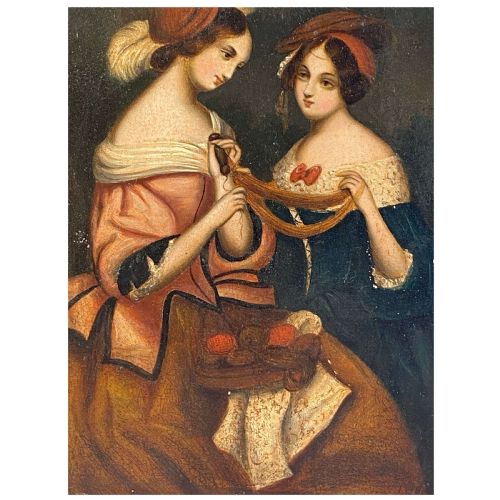
The version most likely to meet on this page is a nineteenth-century landscape, coastal view, or still life executed on a small wood panel, often housed in a period giltwood frame. Examples frequently record British or European scenes, ranging from naive works to accomplished signed pieces by named artists of the period.
How they were made
Artists applied oil paint directly to prepared rigid supports, primarily utilising wood panels, wooden boards, zinc sheets, porcelain, or glass. The rigidity of the panel provided a smooth and stable ground that allowed painters to work with fine brushstrokes and rich detail.
Finished works were typically mounted into decorative giltwood, burr maple, or solid wood period frames that protected the edges of the panel and completed the presentation of the wall art.
Listings feature works spanning the nineteenth century, utilising wood, board, zinc, glass, and porcelain panels across landscape, portrait, and still life genres.
What varies in quality
Quality in a victorian oil panel painting is determined by the skill of the brushwork, the handling of light and perspective, and the expressive character of the subject. Accomplished portraiture and detailed genre scenes display superior anatomical accuracy and tonal depth compared to simpler, naive works.
The integrity of the panel itself and the retention of the original period frame influence the overall desirability and preservation of the artwork.
Michelangelo Meucci·William Etty·James Kyd·Théophile Emmanuel Duverger·Bessie Bamber
The Victorian Oil Panel Painting Glossary
- Oil paint
- A slow-drying paint made by combining pigment particles with a drying oil, commonly linseed oil. This medium allows for rich blending of colour and varied application techniques on rigid supports.
- Panel
- A flat, rigid support used instead of canvas for painting. Nineteenth-century examples commonly consist of wood, board, zinc, or porcelain.
- Giltwood
- Wood carved and coated with gold leaf or a gold-coloured finish. This material was extensively utilised for decorative nineteenth-century picture frames.
- Genre painting
- Artwork depicting scenes from everyday life, ordinary people, and domestic interior settings. These works often capture narrative moments involving figures or animals.
- Trompe l'oeil
- An artistic technique that uses realistic imagery to create the optical illusion that the depicted objects exist in three dimensions. This style appears in specialised still life compositions.
Victorian Oil Panel Painting: Frequently Asked Questions
What is a panel painting?
A panel painting is a work of art executed on a rigid flat support rather than a flexible canvas. Painters utilised materials such as wood, board, zinc, and porcelain.
Because the support does not flex, the paint layer remains stable over long periods. This method was favoured for smaller cabinet paintings and detailed works throughout the nineteenth century.
How should I hang these paintings?
These works are best hung on interior walls away from direct sunlight and excessive moisture. The rigid wooden panels and heavy gilt frames require secure fixings.
Maintaining a stable room temperature prevents the wood support from warping or the paint layer from cracking. Proper placement ensures the artwork remains preserved for years.
How do I identify the period?
Periods are identified by examining the style of the brushwork, the clothing and subjects of the figures, and the construction of the panel and frame. Nineteenth-century works frequently reflect academic, impressionist, or naive traditions.
Signatures, dates, and framing materials also provide key evidence for dating the piece accurately. Archive records and artist biographies help confirm the era of production.
Were these painted outdoors?
Many landscape and marine paintings were initiated outdoors as plein air studies and completed inside the studio. The portability of small wood panels made them ideal for artists working on location.
Painters captured transient effects of light and weather on panels before refining the details indoors. This practice contributed to the immediacy visible in nineteenth-century British and European landscapes.