



Victorian Oil Lamp Chimney
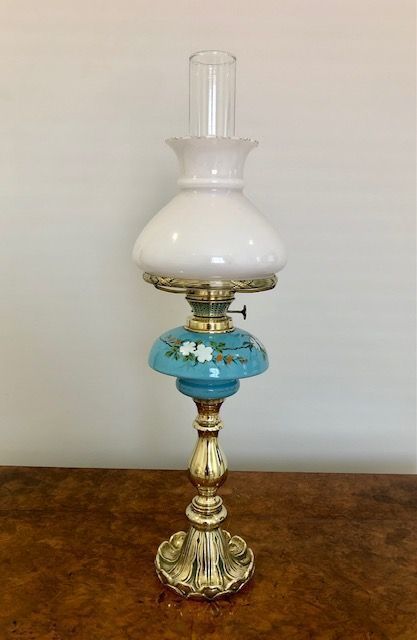
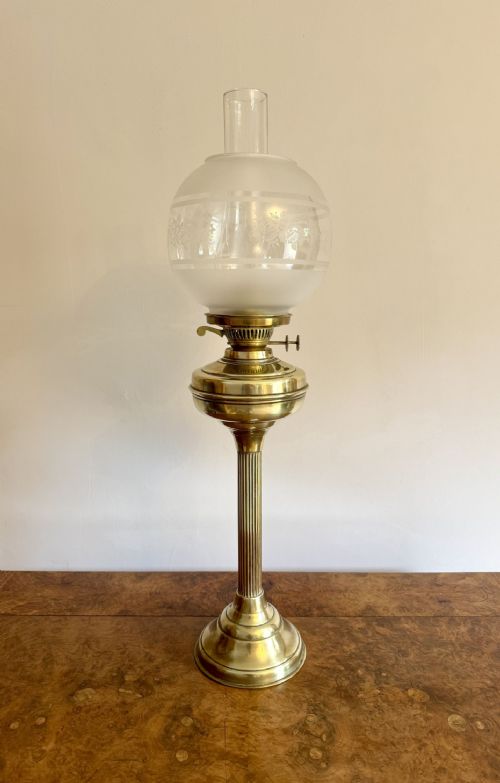
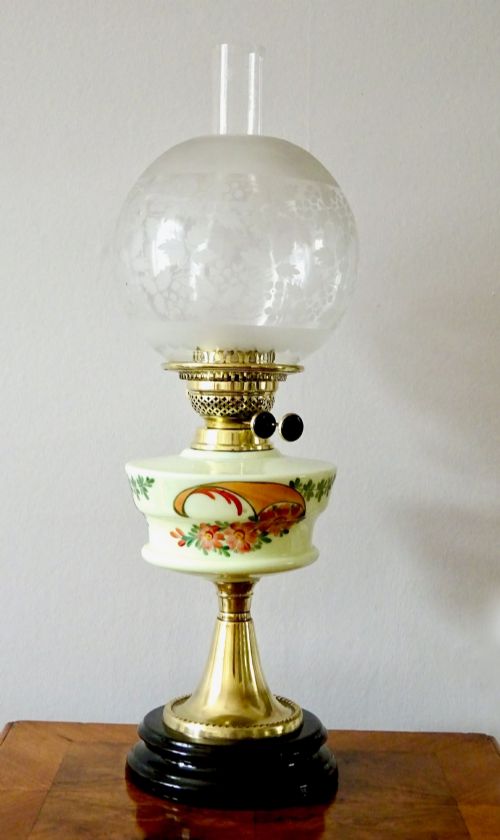
These Victorian oil lamp chimney options provide the crucial glass or ceramic flues needed to draw flame and steady light.
Victorian Oil Lamp Chimney
When you search for a victorian oil lamp chimney, you are looking at the glass flues that sat atop nineteenth-century lighting to create the draught required for a steady flame. The examples met on this page originate from periods spanning the Victorian era through to the early twentieth century, including the 1860s, 1870s, 1880s, 1900, and 1910.
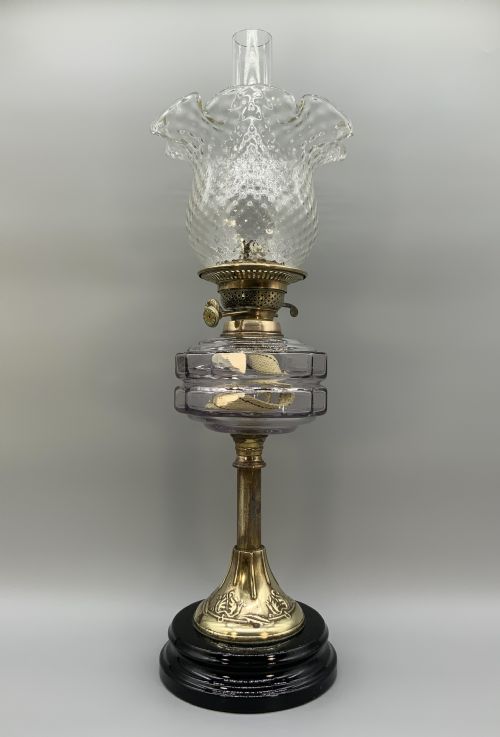
The forms associated with these listings include complete oil lamps, table lamps, and lamps featuring hand-blown shades, opaline glass, clear glass, cut glass, milk glass, and terrestrial globe shades. Materials range from brass and ceramic to porcelain and silver plating.
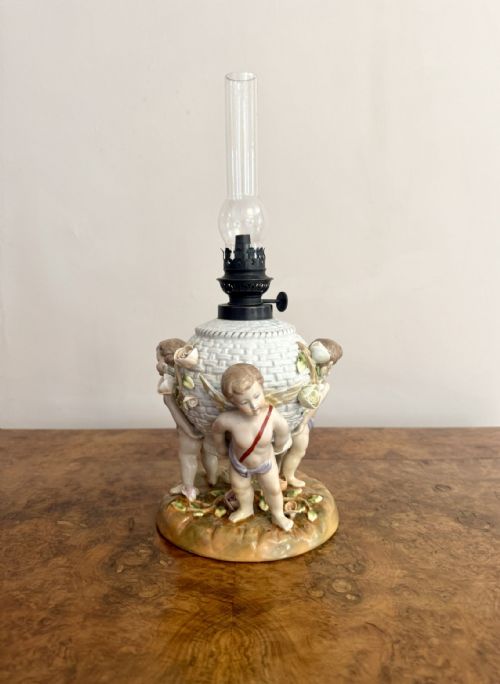
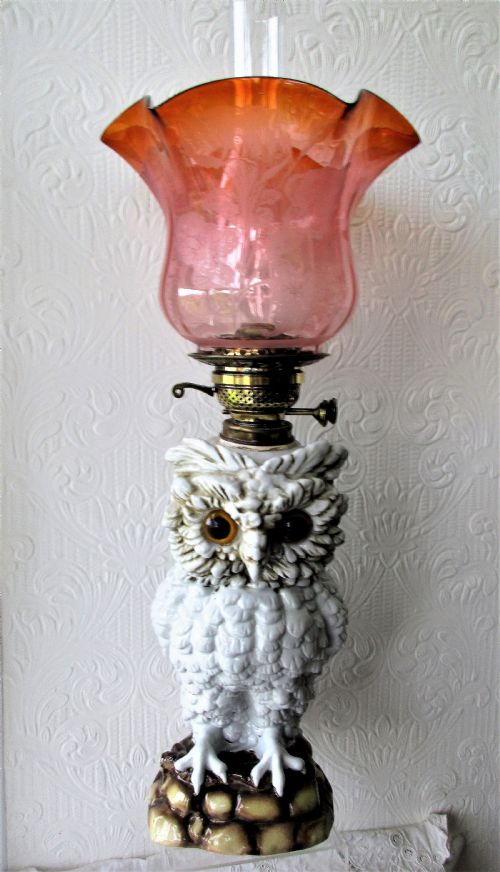
Makers and styles appearing in the record include Sitzendorf porcelain, French Rococo Revival, Art Nouveau, and retailers such as Messengers and Harrods. Buyers encounter both simple brass designs and ornate porcelain figures such as owls.
How They Were Made
Glass elements such as shades and flues relied on hand-blowing techniques to shape molten material into smooth cylinders and globes. Clear glass, opaline glass, cut glass, and milk glass formed the transparent and translucent components.
Metal components utilised brass and silver plating, often shaped and cast to support ceramic and porcelain reservoirs. Porcelain and ceramic elements, including Sitzendorf works, were moulded, glazed, and hand-painted before assembly.
Several Victorian lamps take the form of ceramic owls gazing steadfastly from the tabletop, complete with hand-painted feathers.
What Varies in Quality
Quality rests in the crispness of the brass casting, the weight and clarity of the glass, and the hand-painting detail on porcelain bodies like the Sitzendorf animal figures. Finer pieces display sharper mould work and more balanced proportions between the metal base and the glass or ceramic reservoir.
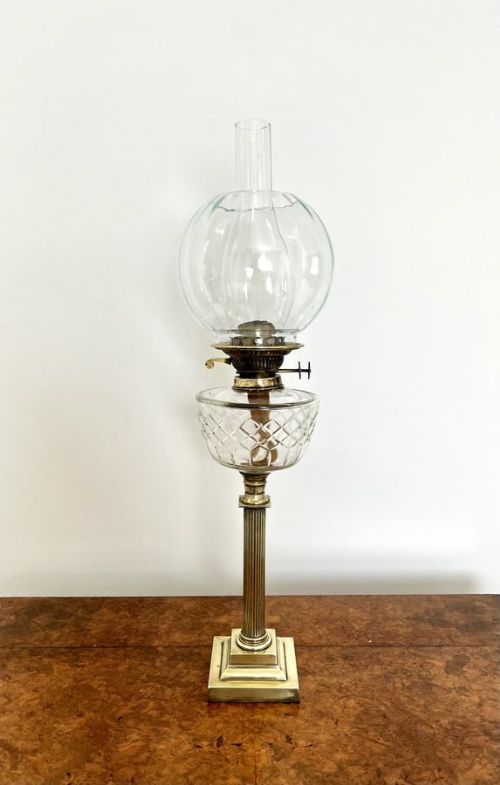
The integration of materials dictates the standard of the piece, as seen in examples combining brass with cut glass or mounted on black glass bases. Maker attributions, such as Messengers or Harrods, separate standard utilitarian lighting from high-end retail stock.
Sitzendorf·Messengers·Harrods
The Victorian Oil Lamp Chimney Glossary
- Chimney
- The glass flue placed over the burner of an oil lamp to steady the flame and improve draught. It protects the flame from drafts and directs smoke upward.
- Opaline glass
- A pale, translucent glass popular in the nineteenth century for shades and vases. It diffuses light softly without total opacity.
- Sitzendorf
- A German porcelain factory known for ornate figures and lamps produced during the nineteenth century. Collectors prize their detailed modelled animals and figures.
- Cut glass
- Glass decorated by abrasive wheels cutting geometric patterns into the surface. This technique catches and refracts light.
- Terrestrial globe shade
- A spherical glass shade painted or formed to resemble a map of the earth. These create distinctive diffused lighting effects.
Victorian Oil Lamp Chimney: Frequently Asked Questions
What is a victorian oil lamp chimney used for?
A victorian oil lamp chimney sits above the burner to create a draught of air that feeds oxygen to the flame. This controlled airflow prevents the flame from flickering and reduces soot production.
In period settings, these glass flues were essential for safe, bright illumination in domestic rooms. Without the chimney, the flame would flare unpredictably and smoke heavily.
How do I identify a Victorian oil lamp?
Victorian oil lamps are identified through their material combinations, such as heavy cast brass bases paired with cut glass or ceramic reservoirs. Period pieces often feature specific burner mechanisms and maker marks associated with nineteenth-century firms.
Stylistic markers like French Rococo Revival scrolling or Art Nouveau curves also point to the era. The presence of hand-blown glass shades further confirms the period manufacturing methods.
Can I use these lamps today?
Many collectors wire these lamps for electricity to use them safely as table lamps in modern homes. This conversion preserves the decorative base and shade while adapting the fitting for modern bulbs.
Alternatively, some burn paraffin or lamp oil using the original burner assembly if the wick mechanism and font remain intact and sound. Care must be taken with antique glass and ceramic reservoirs during use.
What is opaline glass?
Opaline glass is a translucent, milky glass that gained popularity during the nineteenth century for decorative lighting and tableware. It scatters light evenly, producing a soft glow without harsh glare.
This material appears frequently in lamp shades from the Victorian and Edwardian periods. It was often produced in white or pale pastel shades.