




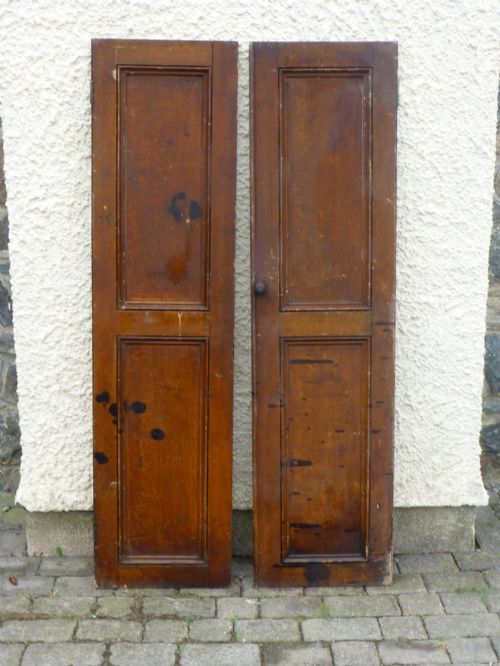
Victorian Oak Wardrobe
A victorian oak wardrobe brings solid presence to a bedroom, offering deep storage built from durable timber that handles daily use.
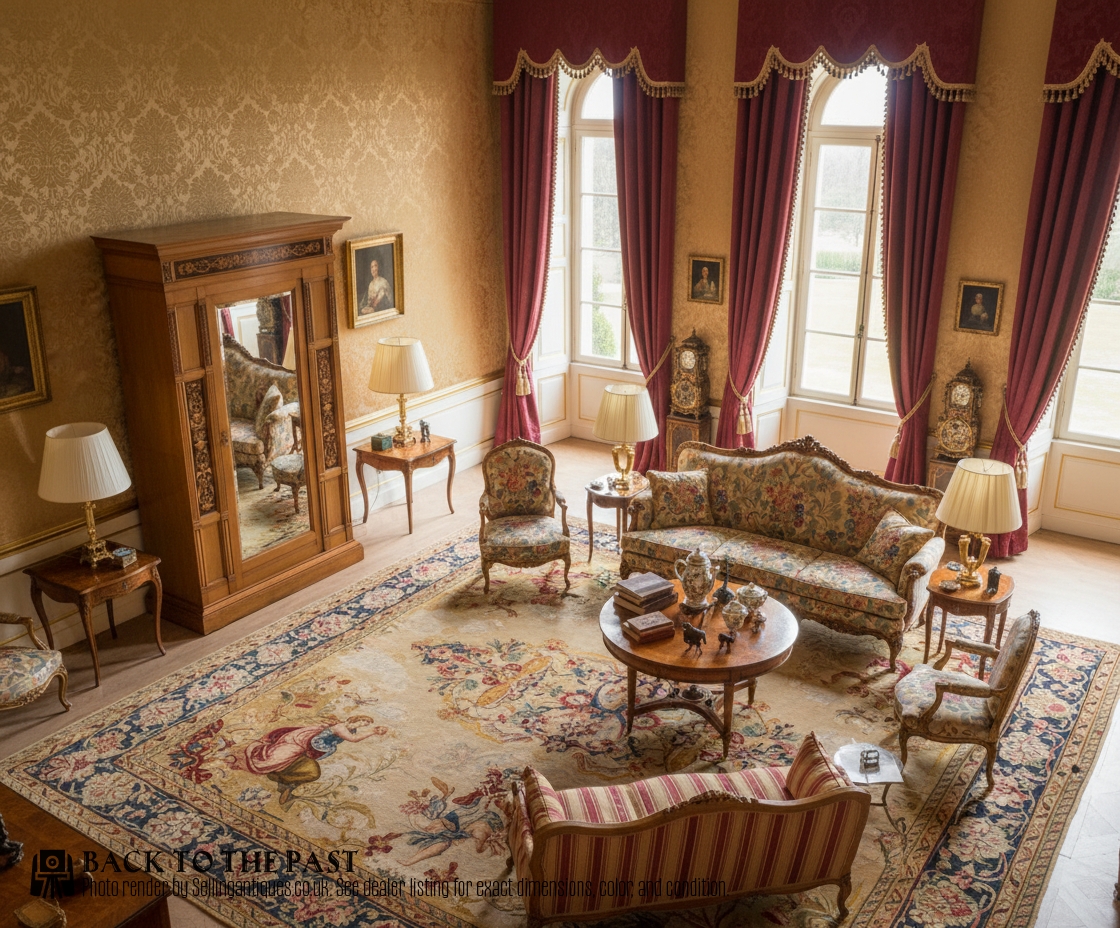
Victorian Oak Wardrobe
A victorian oak wardrobe provides substantial clothes storage, appearing primarily in large double or triple configurations with hanging space and internal drawers. Buyers searching this phrase encounter nineteenth-century examples spanning simpler provincial country pieces to heavily carved urban designs.
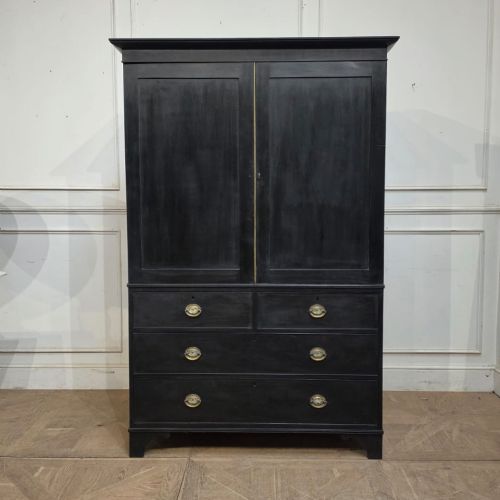
Beyond standard hanging wardrobes, related storage forms appear frequently, including linen presses, compactums, and housekeeper cupboards. These pieces reflect the varied domestic storage needs of the period, utilising robust timbers to organise household textiles and garments.
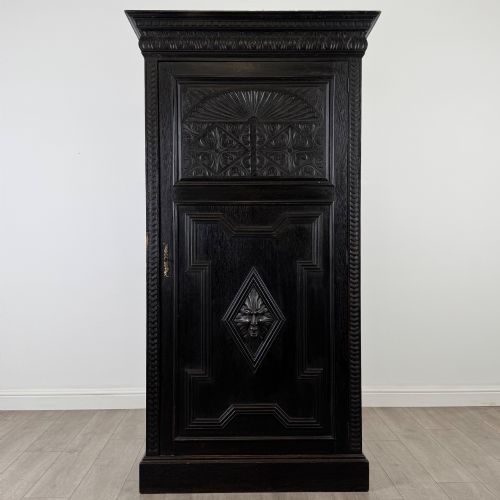
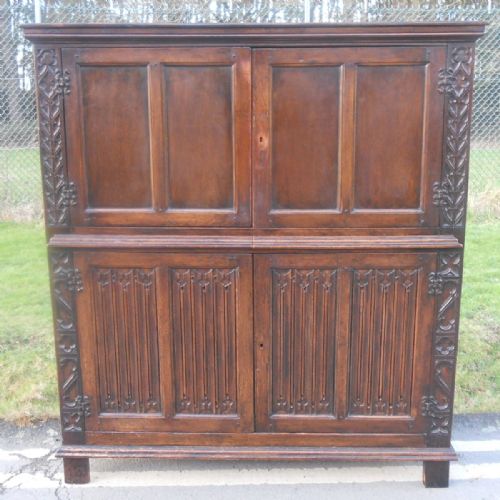
The aesthetic range draws on numerous nineteenth-century movements, taking shape through gothic revival detailing, arts and crafts simplicity, or heavy carved panels. Regional variations also surface, particularly through welsh vernacular pieces and french breton influences.
How they were made
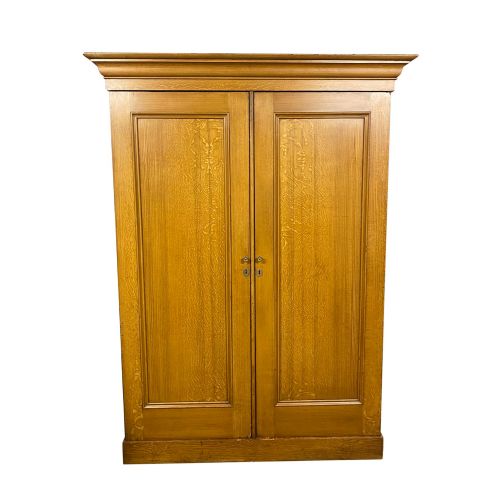
Carpenters constructed these wardrobes using solid oak planks, frequently paired with secondary softwoods like pine for internal partitions and drawer linings. Surface variety emerged through specialist treatments, incorporating pollard oak veneers, ebonised finishes, and scumble faux paintwork alongside carved decoration.
Structural integrity relied on traditional joinery methods, using panelled doors and pegged joints to accommodate natural wood movement. Hardware additions typically involved brass handles, glass mirror plates, and iron hinges that secured large hanging compartments.
Listings feature pieces spanning the early nineteenth century through the 1930s, constructed predominantly in oak with glass and brass hardware.
What varies in quality
Construction depth separates standard utility storage from superior cabinet work, evident in the thickness of the timber and the precision of the panel fits. Finer examples display meticulous grain matching across large surfaces, particularly where burr or pollard oak veneers form the primary visual display.
The ambition of the carving and the integration of secondary materials dictate the standing of individual pieces. Workshop execution plays a definitive role, distinguishing straightforward regional joinery from pieces produced by prominent cabinet makers.
Gillows of Lancaster·Maple and Co
The Victorian Oak Wardrobe Glossary
- Compactum
- A multi-compartment wardrobe combining hanging space, drawers, and smaller shelving sections within a single carcass. This layout maximises internal organisation for various garments.
- Linen Press
- A tall storage piece featuring upper sliding trays or shelves enclosed by doors, positioned above a base chest of drawers. These cabinets were traditionally used for flat textiles.
- Pollard Oak
- Timber harvested from trees that were pollarded, producing dense wood marked by clustered knots and rich grain patterns. Cabinet makers utilised these sections as decorative veneers.
- Scumble Paint
- A decorative technique involving translucent glaze applied over a base coat to imitate more expensive wood grains. This finish appears on nineteenth-century vernacular furniture.
- Gothic Revival
- A nineteenth-century design movement drawing inspiration from medieval architecture, characterised by pointed arches, tracery, and heavy mouldings. Furniture in this style exhibits pronounced vertical lines.
Victorian Oak Wardrobe: Frequently Asked Questions
How do I fit a large wardrobe in a modern room?
Many nineteenth-century wardrobes were designed to dismantle into modular sections, including cornices, base drawers, and side panels, allowing for transport and assembly in smaller spaces.
Checking internal depth is essential before purchase, as older hanging rails often accommodate shorter garment drops than contemporary wardrobes require.
What is the difference between a press and a wardrobe?
A wardrobe is built primarily for hanging garments vertically on rails or hooks behind full-length doors. In contrast, a press contains internal sliding trays or shelves designed for folded linens.
Many surviving pieces combine both functions, placing hanging space beside internal drawer stacks within a single large frame.
How do I care for antique oak timber?
Maintaining nineteenth-century oak requires stable indoor humidity levels and protection from direct sunlight to prevent timber splitting and veneer lifting. Regular dusting with a dry cloth preserves the finish without requiring heavy polishes.
Applying occasional natural wax helps nourish dry timber and maintains the subtle sheen on older surfaces.
How do I date a nineteenth-century wardrobe?
Dating relies on examining construction markers such as drawer dovetails, backboard fixings, and secondary woods like pine. Hand-cut joints generally indicate earlier production, while machine-sawn elements point toward late-century manufacturing.
Stylistic indicators, including regional vernacular details or specific revival motifs, help narrow the period of manufacture.