

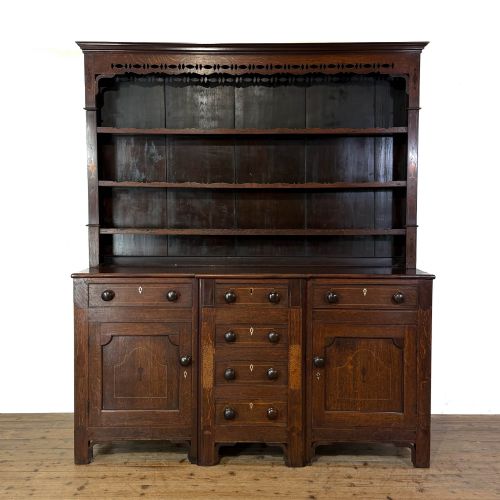


Victorian Oak Kitchen Dresser
A victorian oak kitchen dresser is a hardworking farmhouse storage piece built to hold crockery and provisions with honest charm.
Victorian Oak Kitchen Dresser
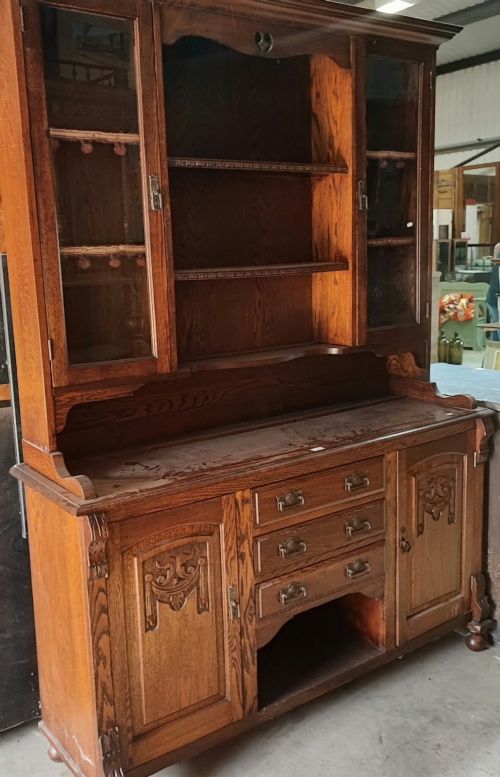
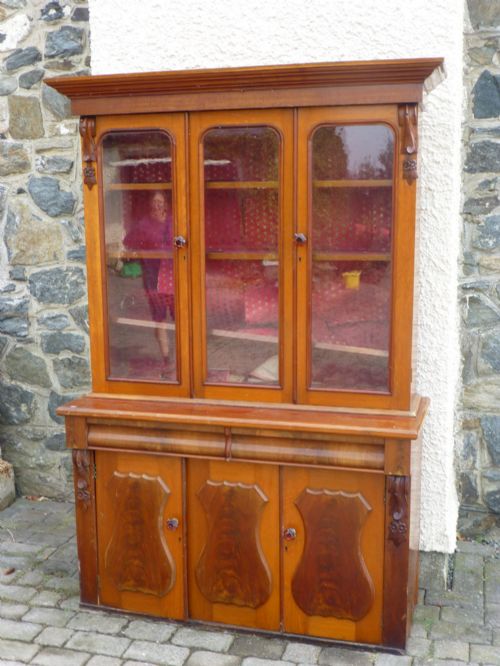
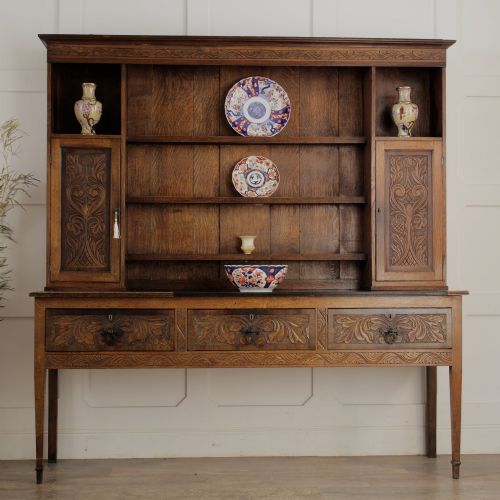
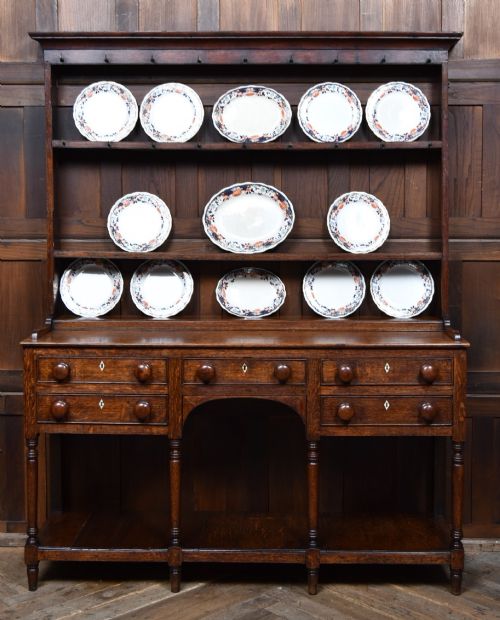
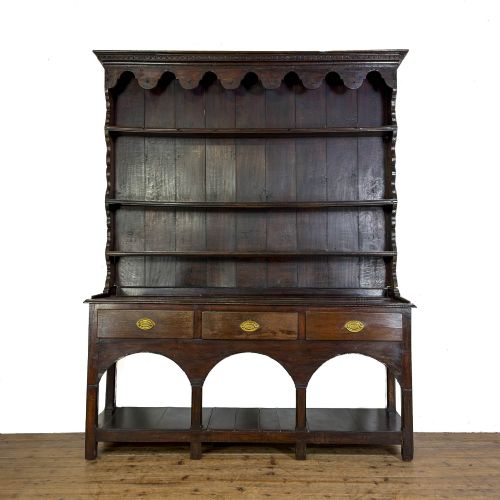
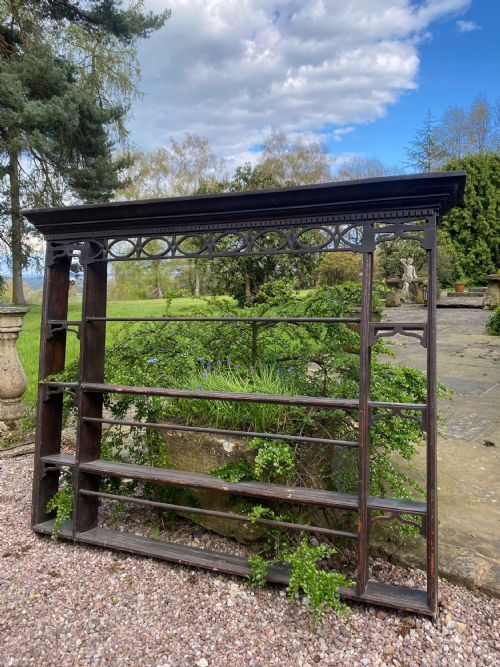
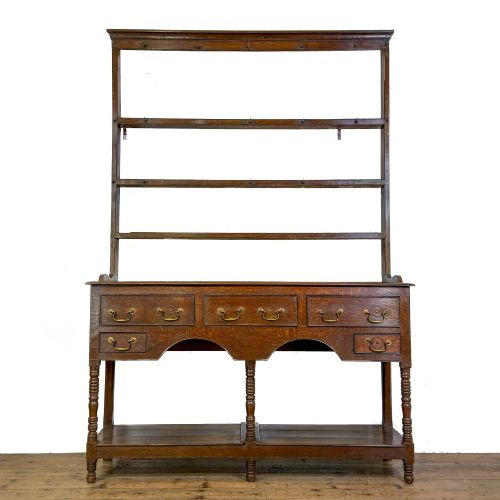
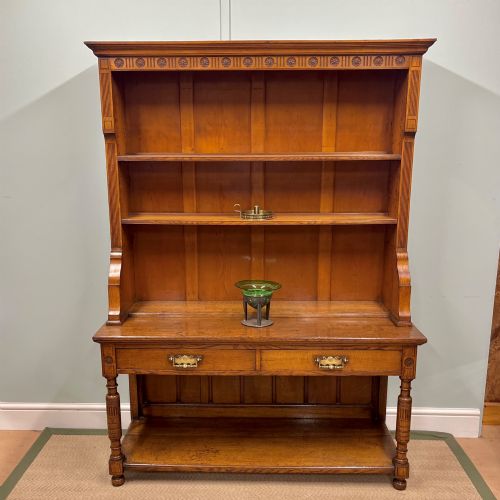
A victorian oak kitchen dresser combines a sturdy base cupboard with a stepped upper plate rack or glazed bookcase. These substantial pieces served as the working heart of nineteenth-century domestic spaces.
Most examples found on this page span the nineteenth century, including vernacular designs from Welsh and English workshops. They appear in configurations ranging from open shelf racks to enclosed glazed cupboards.
Makers utilised resilient regional timbers to construct pieces designed for daily culinary use. Buyers encounter styles stretching from plain country vernacular to carved Gothic Revival interpretations.
Materials and construction
Cabinet makers built these dressers primarily from solid oak, frequently combining secondary timbers such as pine and mahogany for drawer linings and internal shelving. Brass and iron hardware provided functional strength for hinges and drawer pulls.
Joinery techniques relied on pegged mortise and tenon frames to bear the heavy weight of stacked ceramic plates and household provisions. Glass panels appeared in upper display doors while bone details occasionally adorned escutcheons.
Regional forms include Welsh Vernacular and Cornish variants alongside Gothic Revival and bowfront sideboard configurations.
Evaluating quality and proportion
Superior examples display harmonious proportions between the heavy base sideboard and the upper plate display tiers. The choice of figured or tiger oak elevation lifts a piece above utilitarian workshop standards.
Refined carving work, such as distinctive Green Man motifs or crisp Gothic tracery, indicates a higher grade of craftsmanship. Integrated details like breakfront drawers and original brass fittings preserve the architectural integrity of the design.
The Victorian Oak Kitchen Dresser Glossary
- Welsh dresser
- A traditional furniture form featuring an open plate rack mounted upon a lower base of drawers and cupboards. These pieces originated in domestic kitchens for displaying everyday ceramics.
- Plate rack
- The upper open shelving section designed to hold ceramic plates upright against a timber backing. Plates rested securely within grooved wooden channels.
- Breakfront
- A cabinet design where the central section projects forward from the flanking outer cupboards. This arrangement creates depth and visual rhythm across the piece.
- Tiger oak
- Timber exhibiting prominent medullary rays that produce a distinctive striped figure resembling tiger markings. Cabinet makers selected this grain for decorative impact.
- Green Man
- A sculptural architectural motif depicting a human face emerging from or entwined with foliage. Carvers applied this symbol to late nineteenth-century decorative woodwork.
Victorian Oak Kitchen Dresser: Frequently Asked Questions
How do I style a dresser in a modern kitchen?
Use the open plate racks to display everyday ceramic collections alongside simple glassware and utilitarian kitchen copper.
The lower cupboards provide practical concealed storage for bulky cookware and modern appliances while retaining traditional character.
Are these dressers heavy to move?
These pieces are constructed from dense nineteenth-century hardwoods and usually separate into distinct base and upper rack sections for transport.
Enlisting professional furniture movers ensures the structural integrity remains undisturbed during relocation.
How do I clean oak kitchen furniture?
Maintain the timber surfaces by dusting regularly with a dry cloth and applying occasional quality beeswax to nourish the grain.
Avoid placing these pieces near direct heat sources or damp areas to protect the historic joinery from timber movement.
What is the difference between an open rack and a glazed top?
Open plate racks present ceramics exposed to the room for quick daily access and traditional farmhouse display.
Glazed bookcase tops enclose the upper shelves behind glass doors to protect delicate china from kitchen dust.