
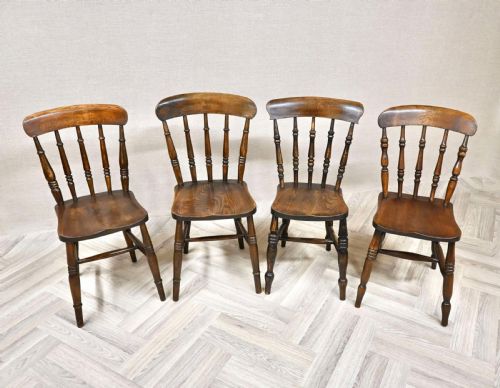
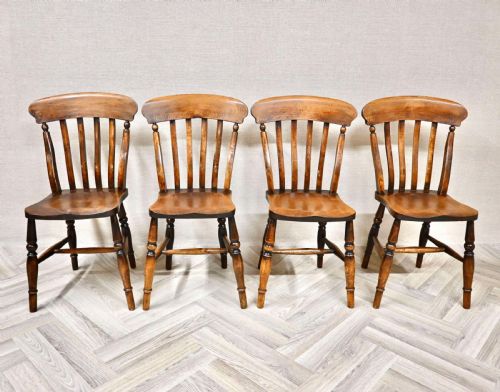
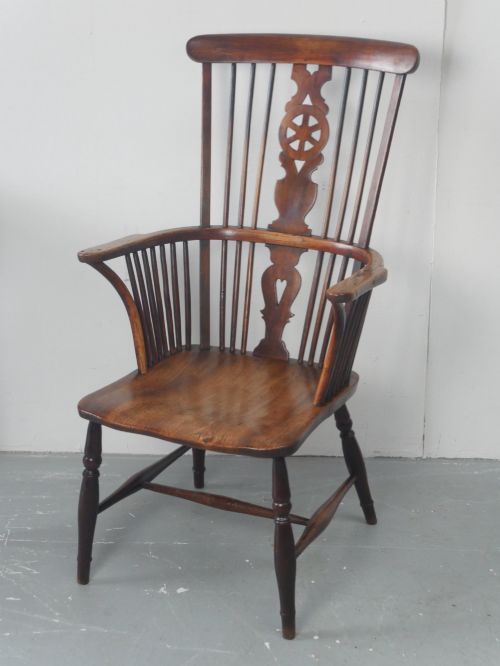
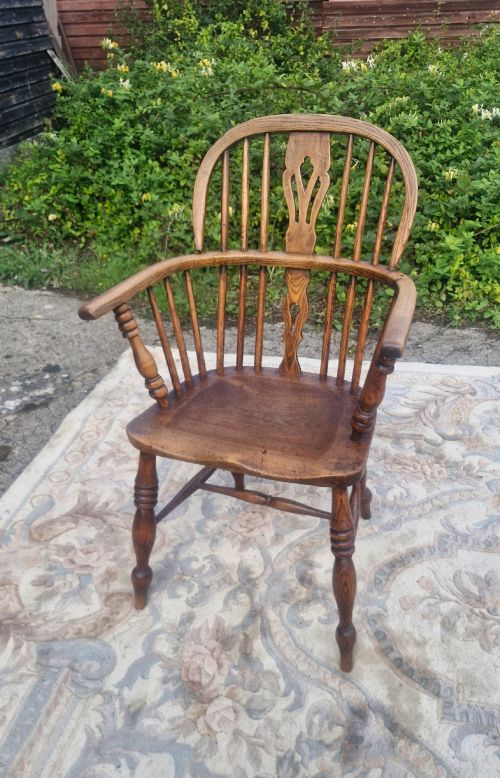


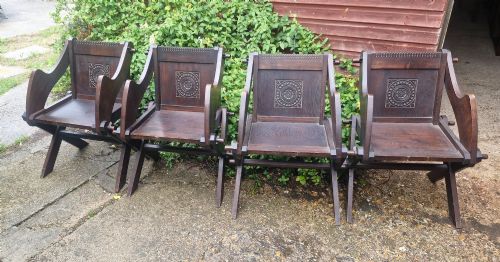
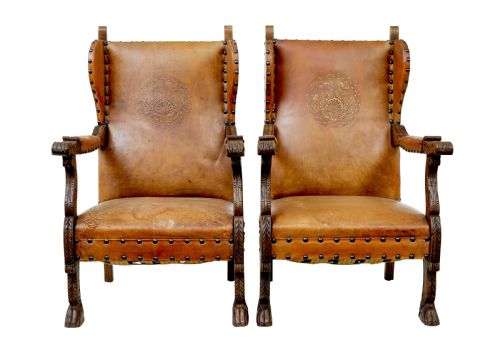
Victorian Oak Chairs
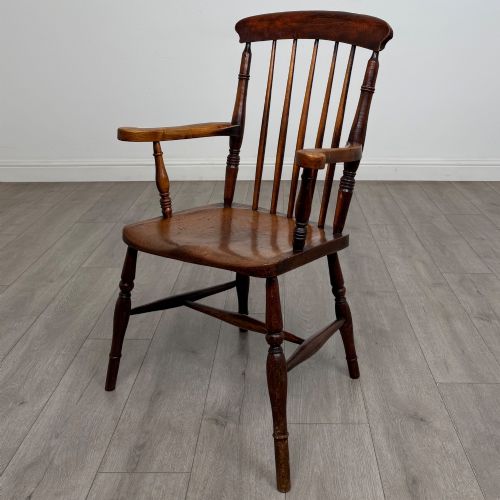
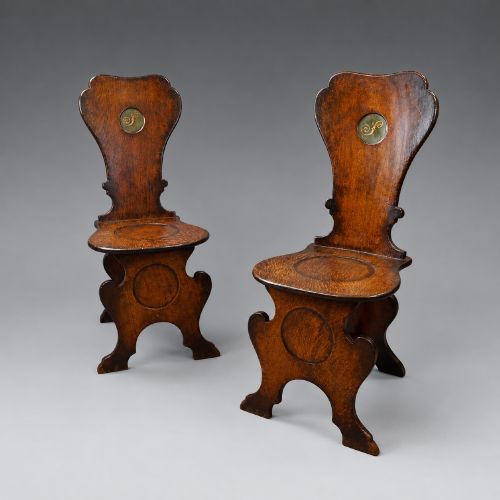
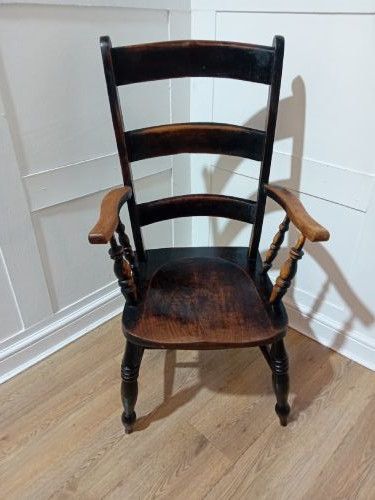
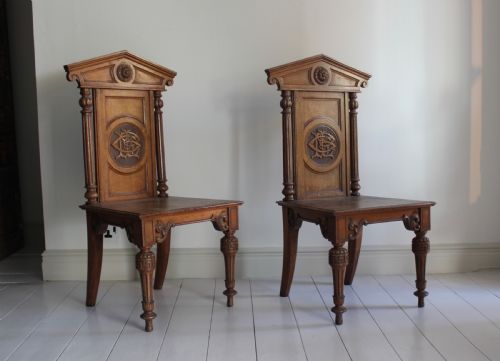
Victorian oak chairs combine robust timber with the varied decorative impulses of the nineteenth century, offering both sturdy utility and distinct period character.
Understanding Victorian oak chairs
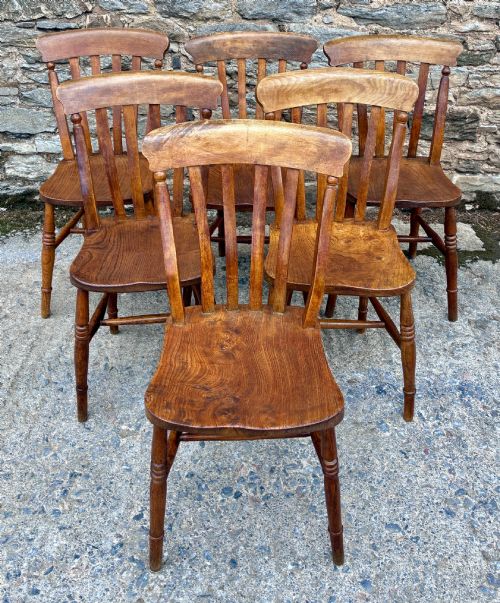
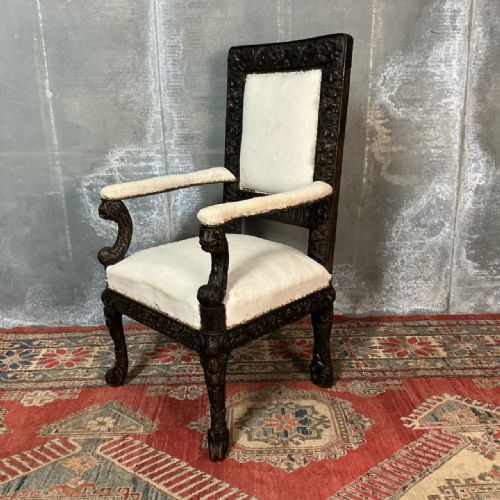
Victorian oak chairs encompass a diverse group of seating furniture produced during the nineteenth century, with dining chairs and hall chairs appearing most frequently alongside armchairs and throne chairs.
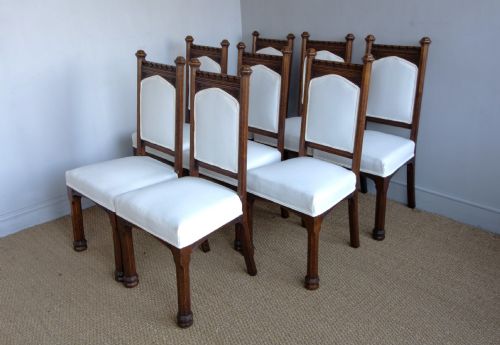
The selections span distinct stylistic revivals and movements, including Victorian Gothic, Arts and Crafts, and Jacobean Revival forms, reflecting the changing tastes of nineteenth-century makers.
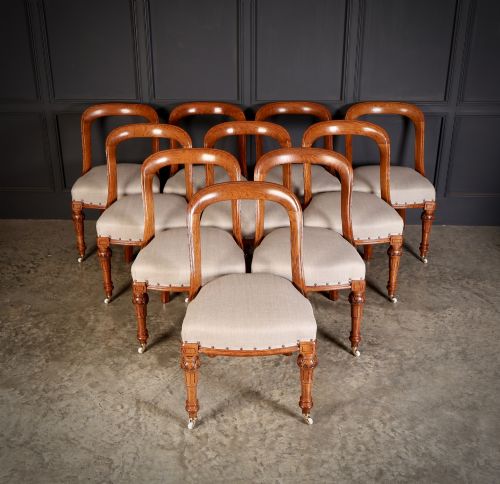
Buyers encounter these pieces in pairs or larger sets, ranging from matched groups of four or six up to larger dining sets of eight or ten.
Materials and construction
Makers utilised solid oak as the primary timber, sometimes pairing it with elm or incorporating carved detail, turned legs, and X frames.
Upholstery and decorative elements integrated leather, fabric, cane, ceramic accents such as Minton tiles, and brass fixtures.
Construction techniques supported everyday domestic and ecclesiastical use through sturdy joinery and carved ornamentation.
Retail Price Guide 2026
Typical UK retail prices for victorian oak chairs, calculated from the Sellingantiques database of over a million retail prices indexed since 2003. This retail price guide relies exclusively on Sellingantiques data; no external sources or auction records are used, so the figures do not describe the wider market.
The archive shows oak dining chairs appearing most frequently in sets of four, six, eight, and ten.
Distinctions in quality
The calibre of carving and the ambition of the design separate standard production seating from more elaborate Gothic Revival and Arts and Crafts examples.
The completeness of sets and the preservation of original upholstery, leather, or ceramic tile inserts determine the integrity of surviving pieces.
LIBERTY & Co·CHARLES BEVAN
The Victorian Oak Chairs Glossary
- Hall chair
- A rigid wooden seat traditionally placed in an entrance hall, often featuring a solid carved back and no upholstery.
- Gothic Revival
- A nineteenth-century design movement drawing inspiration from medieval architecture, characterised by pointed arches and heavy carved tracery.
- Jacobean Revival
- A style looking back to seventeenth-century furniture forms, featuring turned supports and formal rectilinear panels.
- Bergere
- An enclosed armchair with stuffed upholstery and wooden framing, often utilising cane work for the sides or back.
- X frame
- A structural form utilising intersecting diagonal stretchers or supports to create a curule or cross-shaped base.
Frequently Asked Questions
How do I use Victorian oak chairs in a modern dining room?
Mixing a set of nineteenth-century dining chairs around a contemporary table introduces heavy timber texture and historical contrast to a modern space.
The robust nature of oak ensures these chairs handle daily meals just as they did in Victorian dining rooms.
What is the difference between hall chairs and dining chairs?
Hall chairs are typically constructed entirely from wood with stiff, upright backs intended for occasional seating in corridors or entryways.
Dining chairs prioritise sit comfort and often incorporate upholstered seats in leather, fabric, or cane.
How do I identify Gothic Revival features?
Gothic Revival pieces display architectural motifs such as pointed arches, quatrefoils, and heavy carved tracery inspired by medieval buildings.
These elements give the oak frames a solemn and monumental presence.
Can I mix different styles of Victorian chairs together?
Pairing armchairs with matching side chairs or mixing related revival styles works well if the oak tone and period weight share a similar visual balance.
Keeping the timber finish consistent helps unify disparate seating arrangements around a single table.