

Victorian Oak Carver Chairs
These Victorian oak carver chairs combine sturdy timber with traditional joinery, offering both practical seating and distinct period character for your home.
Victorian Oak Carver Chairs
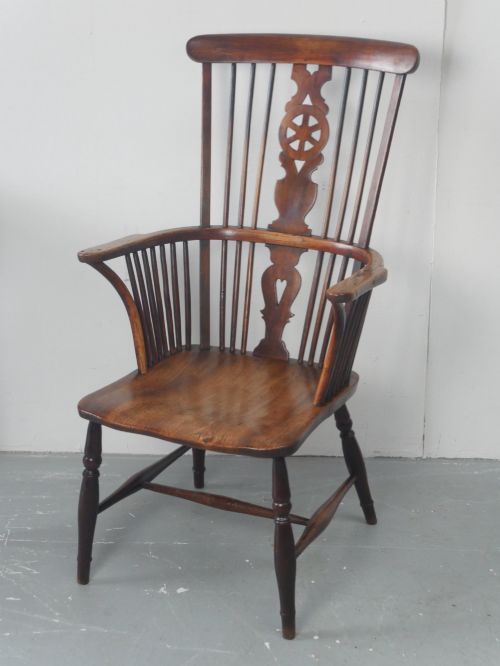
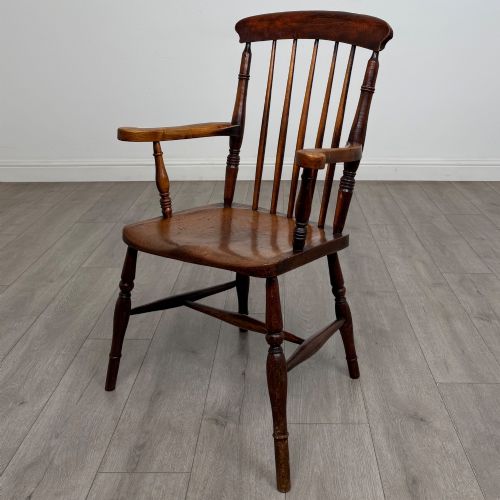
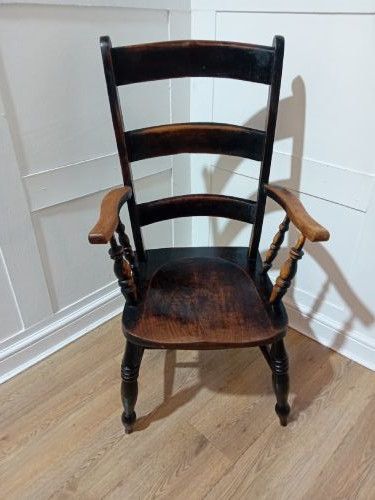
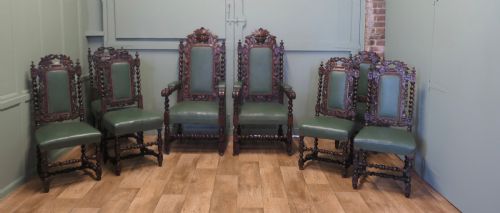
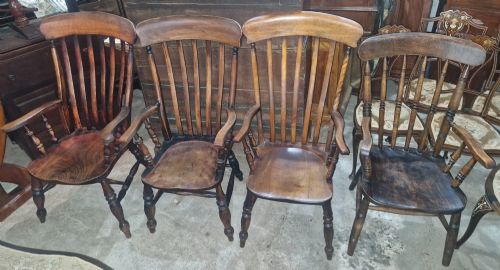
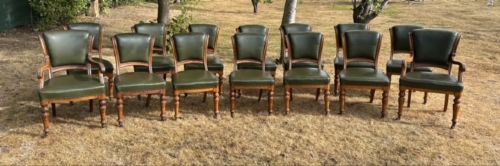
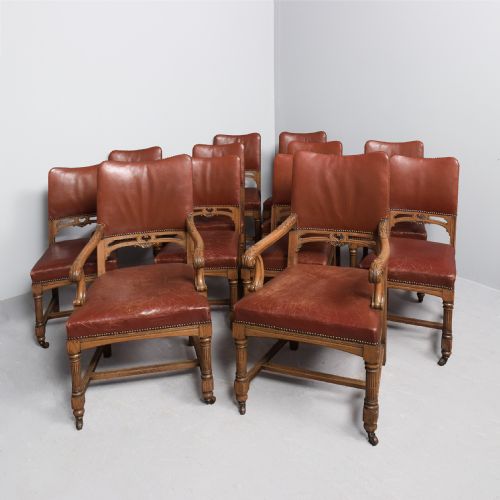
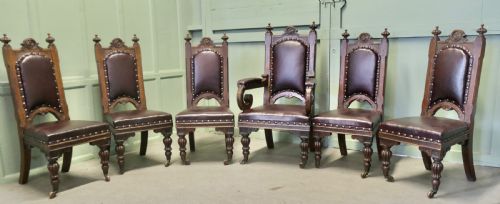
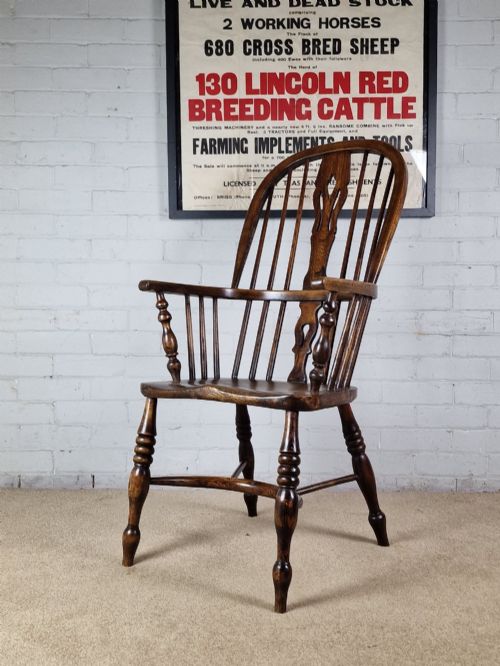
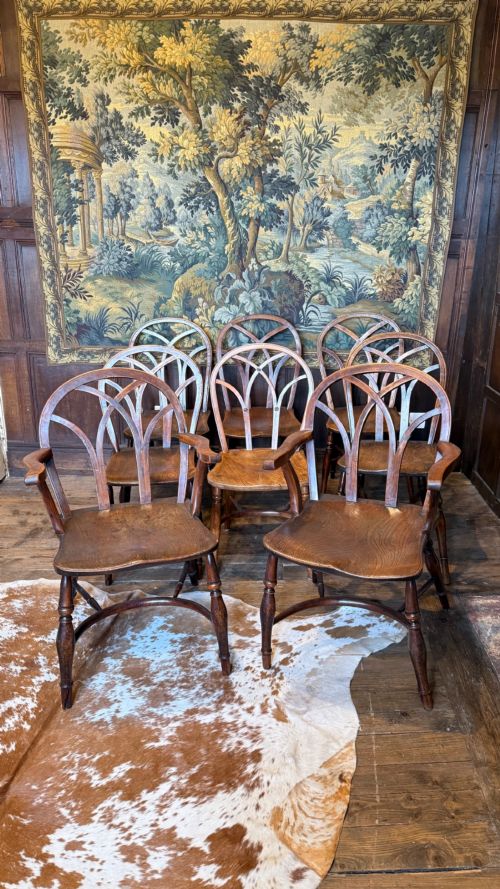
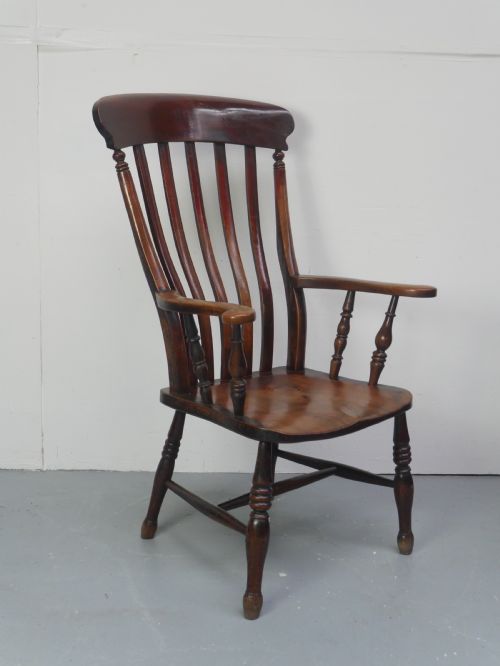
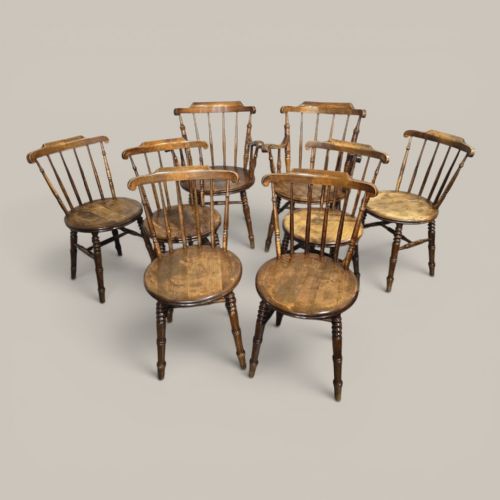
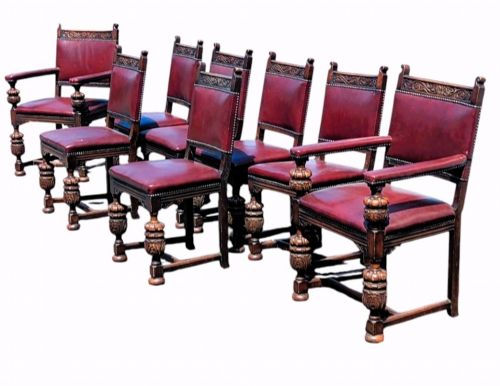
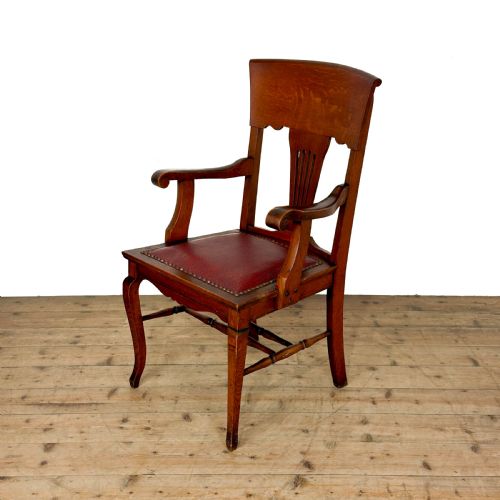
When searching for victorian oak carver chairs, you encounter seating designed for the head of a dining table, a desk, or a fireside. The forms span robust farmhouse armchairs, spindlebacks, Windsor variations, and heavily carved Gothic or Jacobean revival dining suites.
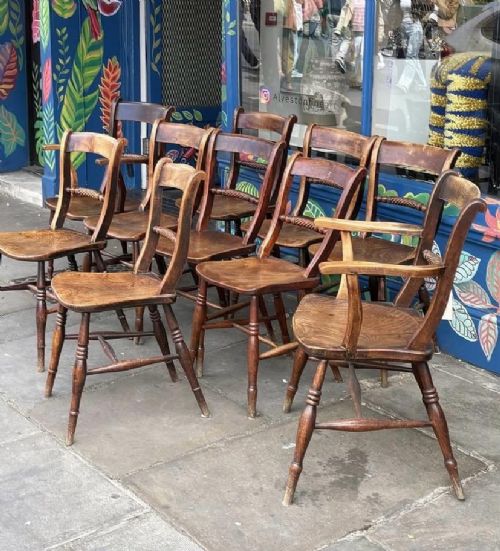
You are most likely to meet country vernacular pieces and formal dining carvers dating from the mid-to-late nineteenth century. These include regional Windsor types alongside matched sets featuring carved splats and elbow rests.
The materials reflect domestic production, primarily utilising solid oak often paired with elm, ash, or beech for structural components. Seating surfaces vary from turned wood and woven rush to studded leather and fabric.
Evaluating Quality
Quality rests upon the integrity of the timber selection and the crispness of any hand-carved ornamentation. Denser oak boards with rich medullary rays elevate a piece above plain utility versions.
Originality of surface finish and the retention of matching components within a set dictate desirability. Well-executed traditional joinery without excessive modern reinforcement preserves the historical value of the chair.
Recorded periods span the early nineteenth century through the Arts and Crafts movement.
W Williamson And Sons·Lamb Of Manchester
The Victorian Oak Carver Chairs Glossary
- Carver chair
- An armchair designed with elbow rests, traditionally used at the head of a dining table. These pieces match standard dining chairs but provide wider proportions.
- Windsor chair
- A wooden chair constructed with upright spindles inserted into a solid sculpted seat. The back bow is often steam-bent from a single piece of timber.
- Splats
- The vertical wooden strip down the centre of a chair back. In revival styles, these are frequently pierced and carved with foliage or geometric motifs.
- Vernacular
- Regional furniture built by local craftsmen following traditional local patterns rather than metropolitan high-style designs. These pieces often incorporate mixed native timbers.
- Rush seating
- A woven seat made from dried marsh grasses twisted into cords. This technique appears frequently on country ladderback and spindleback chairs.
Victorian Oak Carver Chairs: Frequently Asked Questions
How do I date a Victorian oak chair?
Dating relies on stylistic clues, construction methods, and material choices. Mid-century examples often lean towards simpler vernacular forms.
Later Victorian pieces frequently display heavier Gothic or Jacobean revival carving and darker polished finishes.
Can I use these chairs daily?
Solid oak construction and pegged joints make these armchairs exceptionally sturdy for everyday seating. Their robust frames easily withstand regular dining or desk use.
Periodic application of furniture wax helps protect the timber and maintain the historical surface finish.
What woods were used besides oak?
Makers frequently combined secondary timbers to manage weight and cost. Elm appears regularly as a stable choice for solid scooped seats.
Beech, ash, and birch served for turned spindles, uprights, and steam-bent components.