




Victorian Novelty Wooden Box
A victorian novelty wooden box turns a utilitarian object into a playful carving, offering a glimpse into nineteenth-century domestic humour.
Victorian Novelty Wooden Box
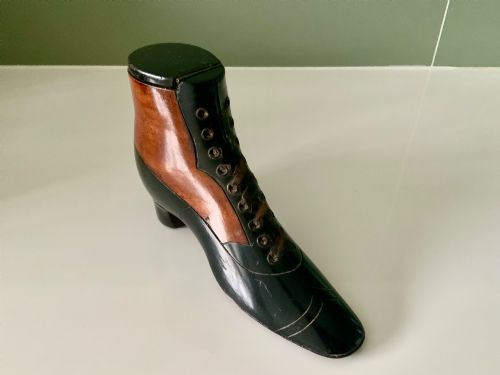
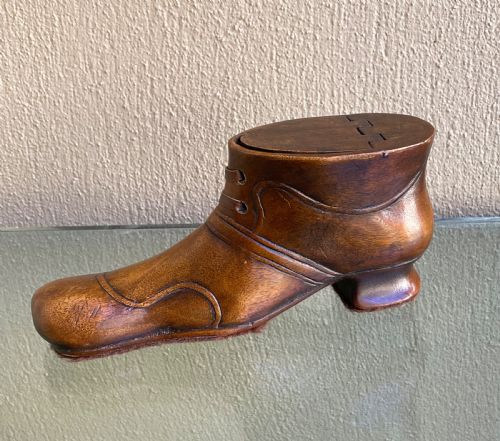
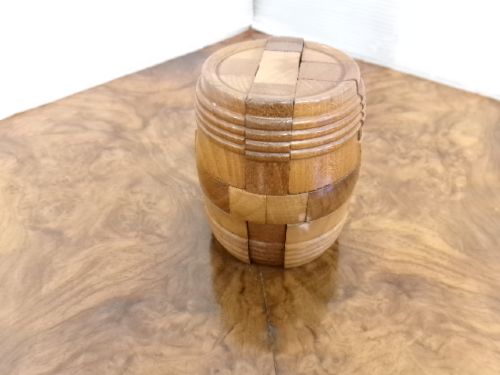
A victorian novelty wooden box encompasses small carved containers and larger functional pieces fashioned into unexpected shapes such as shoes, animals, barrels, and miniature furniture. The examples seen here range from small pocket snuff boxes to desk correspondence boxes, biscuit barrels, and humidors.
While the search specifies the Victorian era, the selection includes related pieces spanning the eighteenth to early twentieth centuries, drawing on Georgian treen traditions and Edwardian carving styles.
Folk art and Black Forest traditions heavily influence these forms, producing items where the timber mimics natural objects, human hands, footwear, or railway coal wagons.
Materials and construction methods
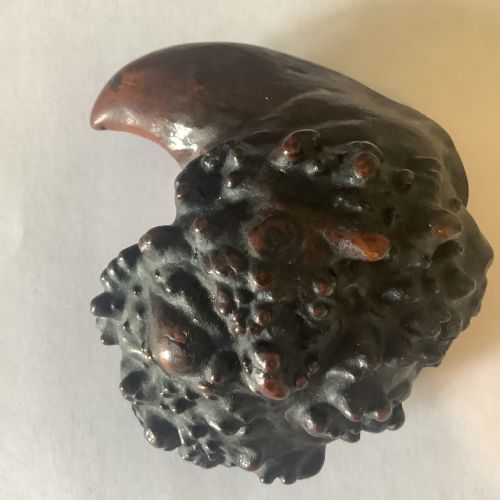
Carvers utilised a variety of dense timbers, predominantly fruitwood, oak, burr walnut, rosewood, and hardwood, which allowed for intricate shaping and crisp detail work.
Many pieces incorporate contrasting materials, using bone inlay, brass pique work, silver plate mounts, and metal hardware to accent the carved wooden surfaces.
Victorian Novelty Wooden Box Retail Price Guide 2026
Typical asking prices for victorian novelty wooden box among the pieces listed under this phrase on Sellingantiques today, from the lower quarter to the upper quarter. They describe what is for sale here now, not the wider market.
Listings feature items from the 18th century, Georgian, Victorian, and Edwardian periods, constructed from oak, fruitwood, burr walnut, and brass.
Assessing quality in carved wooden novelties
Quality rests upon the depth of the carving, the crispness of anatomical or architectural details, and the preservation of the wood's natural grain and patina.
Superior items maintain functional mechanics, such as tightly fitted sliding lids, working double openings, or intact musical movements, alongside careful integration of decorative inlays.
The Victorian Novelty Wooden Box Glossary
- Pique work
- A method of decorating a surface by embedding tiny points of metal, such as brass, into wood or tortoiseshell to form patterns. It appears on several snuff boxes.
- Humidor
- A moisture-controlled container designed for storing cigars or tobacco. In novelty forms, these often take the shape of railway coal wagons or barrels.
- Marquetry
- The art of applying small pieces of veneer to a structure to form decorative patterns. Swiss workshops utilised this technique on musical chairs and boxes.
Victorian Novelty Wooden Box: Frequently Asked Questions
What were these boxes used for?
These containers served specific domestic functions, holding snuff, tea leaves, spices, biscuits, or tobacco while doubling as humorous desk ornaments.
Their clever designs allowed them to sit openly in parlours or on smoking tables as conversation pieces.
How do I care for antique wood?
Keep wooden novelties away from direct sunlight and extreme temperature shifts to prevent the timber from splitting or warping.
An occasional application of microcrystalline wax helps protect the surface and preserve the historic patina without harming the grain.
Are these pieces functional today?
Many smaller containers, such as tea caddies and desk boxes, remain practical for storing small items like keys, jewellery, or stationery.
Mechanical pieces like puzzles or musical boxes require gentle handling to preserve their internal components.
How are periods told apart?
Georgian pieces often display simpler, heavier treen forms with subtle geometric detailing, while Victorian and Edwardian examples lean towards elaborate folk art carving and applied metal elements.
Specific motifs, wood choices, and construction techniques help anchor items within the nineteenth century.