
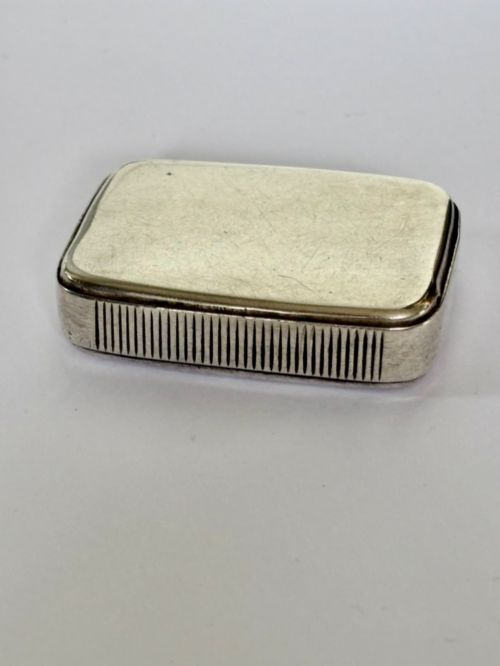


Victorian Novelty Vesta
These Victorian novelty vesta cases turn everyday match striking into miniature sculpture, offering ingenious mechanical tricks and playful animal forms that collectors prize.
Victorian Novelty Vesta
A victorian novelty vesta case serves as a pocket container for matches, transformed into sculptural shapes ranging from animals to everyday objects. The pieces appearing here span from the mid nineteenth century into the twentieth century, capturing a period of immense creativity in smoker accessories.
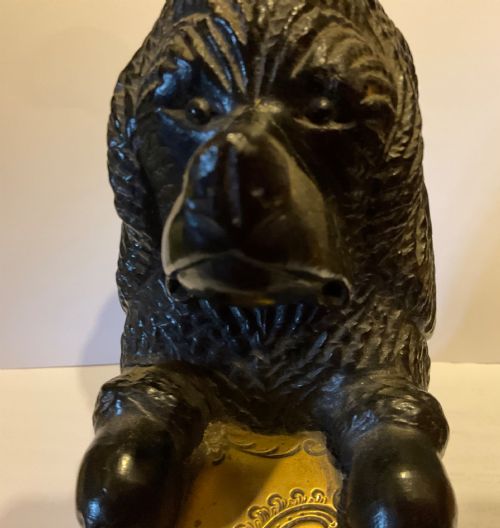
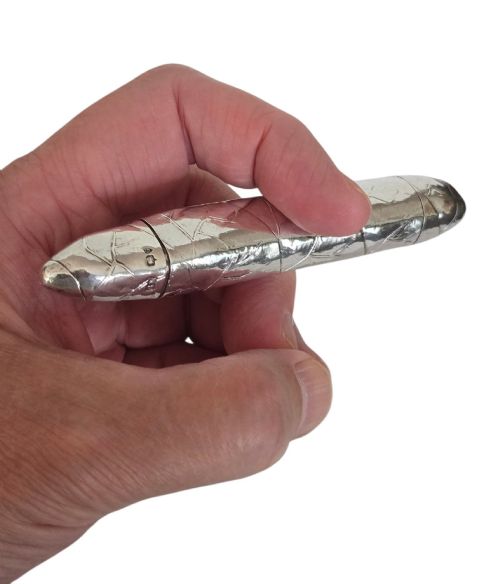
Animal forms dominate the selection, featuring dogs, pigs, fish, cats, and birds alongside architectural subjects like sentry boxes and sarcophagi. Collectors also encounter mechanical puzzle boxes and combination items such as go to bed combinations and cigar containers.
Originating largely from British and continental workshops, these items utilise metals and enamel to create convincing miniature representations. They function as both practical match holders and decorative desk or pocket items.
Materials and construction
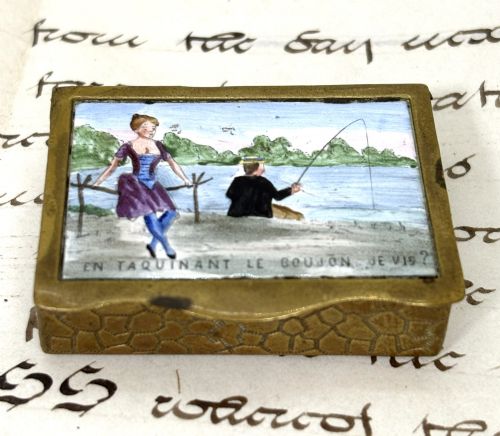
Sterling silver and silver gilt form the primary body of many examples, often enriched with hand applied enamel for colour and detail. Brass appears frequently in table top and pocket pieces, sometimes paired with nickel plating.
Hinged lids, spring mechanisms, and sliding panels require precise metalwork to function smoothly while concealing the match compartment. Hallmarks stamped into the silver provide official records of assay office, date, and maker.
Listings for victorian novelty vesta pieces feature sterling silver, brass, enamel, and carved wood across nineteenth and twentieth century periods.
Evaluating craftsmanship and detail
The degree of anatomical realism and sharpness in chased or repoussé work separates standard production from superior artistry. Pieces with well defined fur, clear facial expressions, and tightly fitted moving parts demonstrate higher skill.
Enamel preservation significantly influences the standing of a piece, with unbroken, vibrant colour representing better preservation. The complexity of the mechanism, such as trick openings or multi part constructions, adds further distinction.
Sampson Mordan and Co·A and J Zimmerman·Jane Brownett·Lawrence Emanuel·Stokes and Ireland
The Victorian Novelty Vesta Glossary
- Vesta case
- A small pocket container designed to hold safety matches, featuring a roughened strip on the base for striking. These accessories became essential daily items during the nineteenth century.
- Silver gilt
- Silver that has been coated with a thin layer of gold on its surface. This technique provides a rich, warm tone often seen on trick and luxury match holders.
- Repoussé
- A metalworking technique where the artisan hammers the metal from the reverse side to create a raised design on the front. It allows for the intricate depiction of animal coats and floral motifs.
- Go to bed
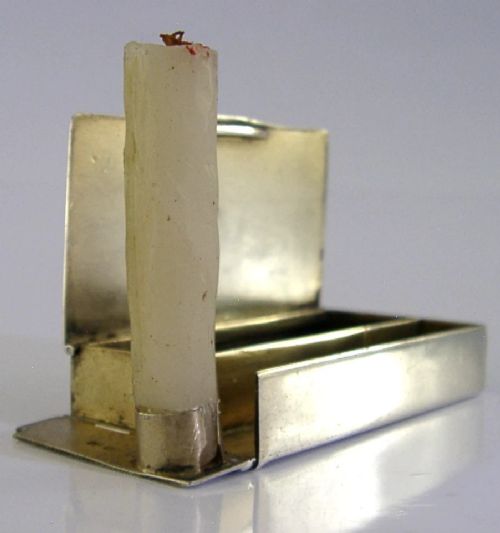
- A combination smoking accessory that includes a vesta case alongside a wax taper or candle holder. These pieces allowed users to light their way to bed after smoking.
- Trick vesta
- A match container featuring a concealed opening mechanism or hidden compartment. Users must figure out the secret release to access the matches inside.
Victorian Novelty Vesta: Frequently Asked Questions
What is a victorian novelty vesta?
A victorian novelty vesta is a small pocket container used to hold matches, shaped into whimsical forms like animals, everyday objects, or architectural models.
These containers combined practical utility with imaginative design, reflecting the playful taste of the nineteenth century.
How were these match holders used?
Victorian gentlemen and ladies carried them in pockets or placed them on tables to keep matches dry and accessible for cigars, pipes, or candles.
The integrated striking surface on the bottom allowed users to ignite a match instantly wherever they went.
How do I read silver hallmarks on them?
Hallmarks usually appear on the rim or lid, showing symbols for the assay office, the silver standard, and a date letter.
These tiny stamped marks help confirm the exact year of manufacture and the city where the piece was tested.
Why do some vestas have moving parts?
Makers designed trick and mechanical vesta cases to amuse users by hiding the opening mechanism or surprising the person holding it.
Spring loaded lids and sliding sections required expert metalworking to operate smoothly while keeping matches secure.