



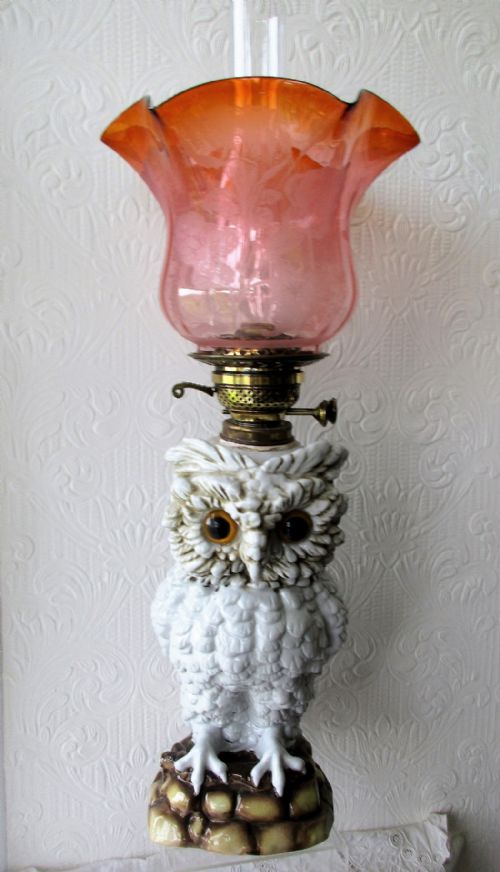


Victorian Novelty Lamp
A victorian novelty lamp brings wit and domestic theatre to a room, cast in unexpected forms like birds, horns, and miners' gear.
Victorian Novelty Lamp
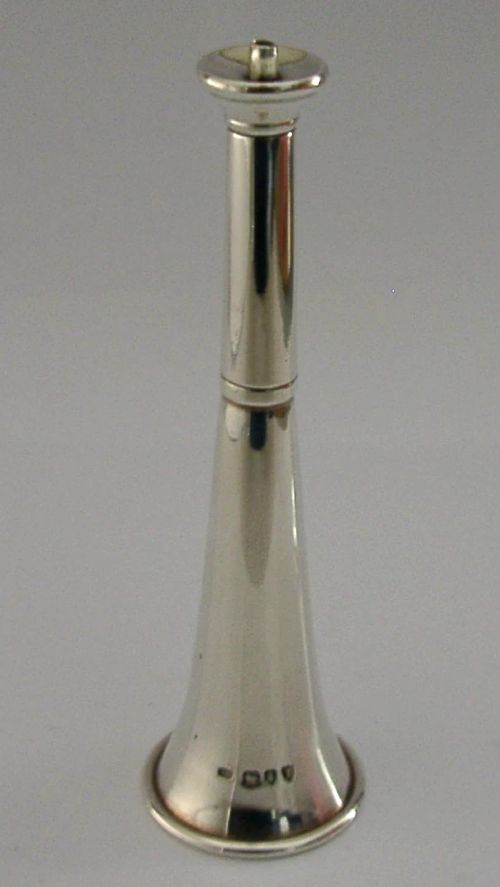
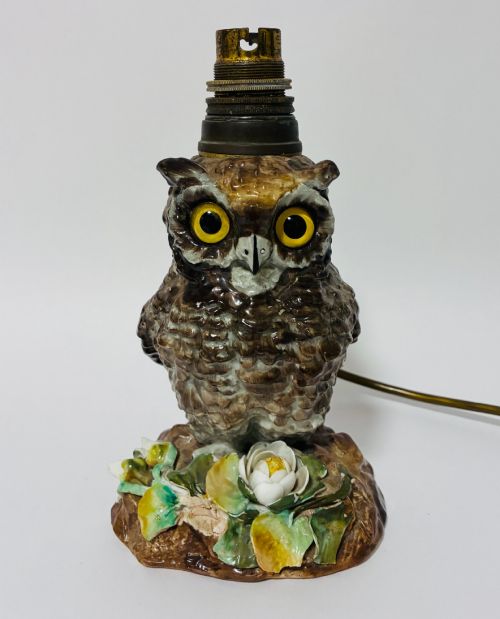
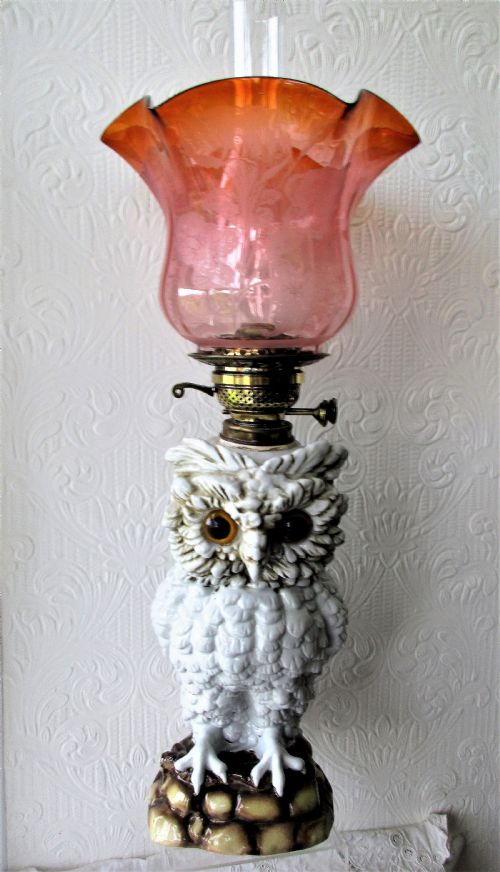
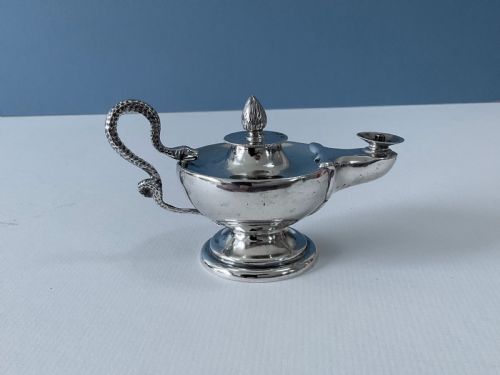
A victorian novelty lamp takes mundane lighting vessels or desk accessories and reshapes them into zoomorphic or mechanical likenesses, spanning periods from the mid-nineteenth century to the Edwardian era. When you search for a victorian novelty lamp, you encounter table lighters, oil lamps, desk compendiums, and pin cushions cast as owls, dogs, deer hooves, and railway lanterns.
The domestic interior of the nineteenth century favoured conversation pieces that disguised practical utility as sculpture. These objects served as functional illumination or desk fuel while doubling as whimsical ornaments for smoking rooms and studies.
Ceramic animal figures and silver-plated mechanisms dominate the survivors on this page, particularly owl oil lamps and sporting table lighters. Makers used porcelain, brass, and silver to create diminutive sculptures that burn oil or hold tapers.
How they were made
Makers shaped these pieces using cast brass, silver plate, and hand-painted porcelain, often combining metal mounts with ceramic bodies. German and English potteries moulded porcelain into feathered owls and spaniels, adding hand-applied colours and gilded details.
Metalworkers fabricated table lighters and desk comps from sterling silver and brass, casting hunting horns, swords, and Davy lamps with working mechanical parts. Velvet and taxidermy elements occasionally appear, binding organic specimens like deer hooves into fitted brass desk lamps.
A nineteenth-century taxidermy deer hoof stands ready to illuminate the desk, proving the Victorians turned almost anything into a lamp.
What varies in quality
The division between ordinary production and finer work lies in the sharpness of the casting and the fidelity of the hand-painting on porcelain. A superior piece displays crisper feather or fur detail and a heavier gauge of silver or brass, whereas lesser examples rely on simpler moulded outlines.
Makers' marks and silversmith stamps elevate the standing of a piece, distinguishing workshop-attributed items from unmarked commercial wares. The integrity of the original mechanism, whether an oil burner or a cigar lighter, dictates how well the object maintains its original character.
Braham·Sitzendorf·Guilmet·Elkington·John Wilmin Figg
The Victorian Novelty Lamp Glossary
- Table Lighter
- A small functional vessel designed to hold fuel and a taper for lighting cigars or pipes at a dining or drawing room table.
- Desk Compendium
- A fitted multi-use desk object combining a clock, lamp, or inkwell into a single novelty architectural form.
- Davy Lamp
- A safety lamp invented for miners, often recreated in miniature as a novelty desk clock or lighter in the late nineteenth century.
- Pin Cushion
- A small domestic sewing accessory, which in novelty form takes shapes such as railway lamps rendered in silver.
Victorian Novelty Lamp: Frequently Asked Questions
What is a victorian novelty lamp used for?
These pieces functioned primarily as practical lighting for desks and tables, or as table lighters for cigars during the nineteenth century.
They also served as decorative conversation pieces that displayed the owner's taste for witty domestic objects.
How do I identify a Victorian oil lamp?
Look for heavy brass, silver, or hand-painted porcelain bodies modelled in zoomorphic or architectural shapes such as owls or mining lamps.
Most pieces date from the nineteenth century and carry period manufacturing marks or silversmith stamps.
Where should I place a novelty lamp?
They suit studies, libraries, and side tables where their small scale and sculptural detail can be examined closely.
Keep them away from direct sunlight to preserve the hand-painted porcelain colours and metal patination.
Are these lamps still safe to burn?
Most survive as decorative antiques or collector's items rather than working daily light sources.
Consult a professional restorer if you intend to restore the burner or wiring of an antique oil or table lamp.